
Malaysia 700 Tons/Day Gold Ore Processing Project
Date: 2026-02-28 Categories: Client Cases Views: 200
The 700-ton/day gold ore processing project in Malaysia has been successfully implemented. It adopts the carbon leaching (CIL) process as the core beneficiation technology, which has the advantages of high efficiency, environmental protection, and a short construction period. The actual processing capacity and recovery rate have exceeded the design target. The project has been implemented in an integrated manner from design and equipment manufacturing to commissioning and operation.
I. Ore Properties and Project Parameters
- Processing Capacity: Initially designed for 600 tons/day, actual production reaches 700 tons/day.
- Ore Grade: Gold 4.70 g/t, Silver 4.63 g/t, Iron 20.10%, Sulfur 20.55%
- Main Minerals: Pyrite (gold-bearing mineral), Quartz, Calcite, Mica, etc.
- Recoverable Valuable Elements: Primarily Gold, Silver can be comprehensively recovered.
The ore properties of this project are relatively simple, making it suitable for the whole-sludge cyanidation carbon leaching process, which is conducive to achieving high recovery rates and stable operation.
II. Core Process Flow
-
Grinding and Classification
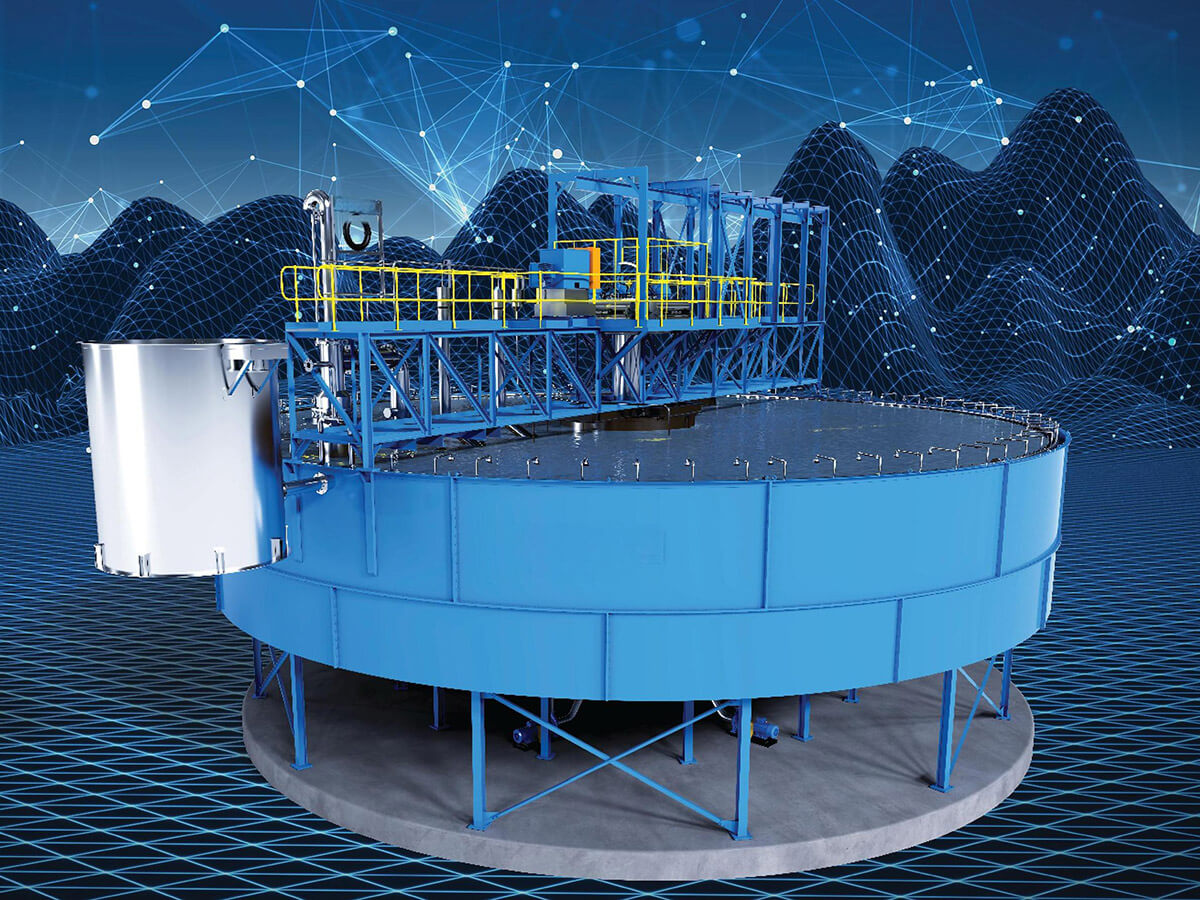
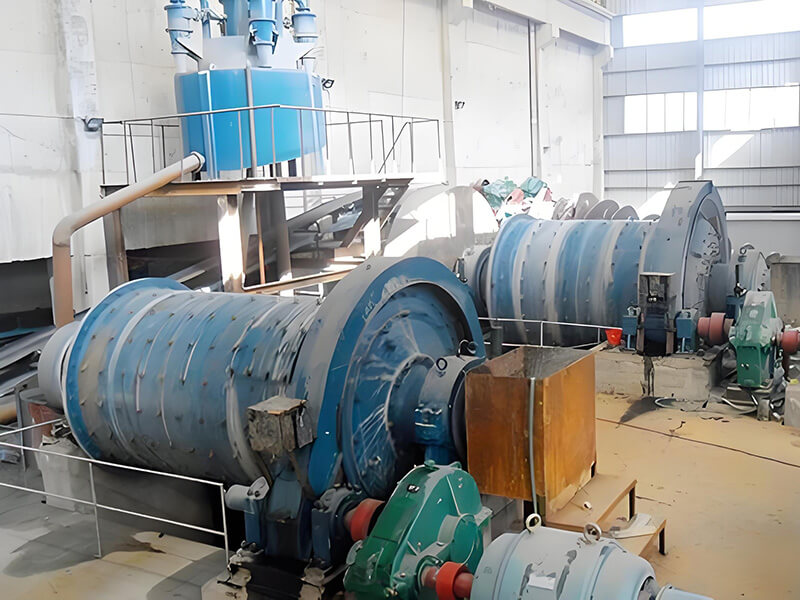
A two-stage closed-circuit grinding system is used to grind the raw ore to a density of over 85% -200 mesh, ensuring complete liberation of gold minerals. After being screened by a chip removal screen, the undersized material flows by gravity to a thickener for pre-concentration. -
Leaching and Adsorption (CIL process)
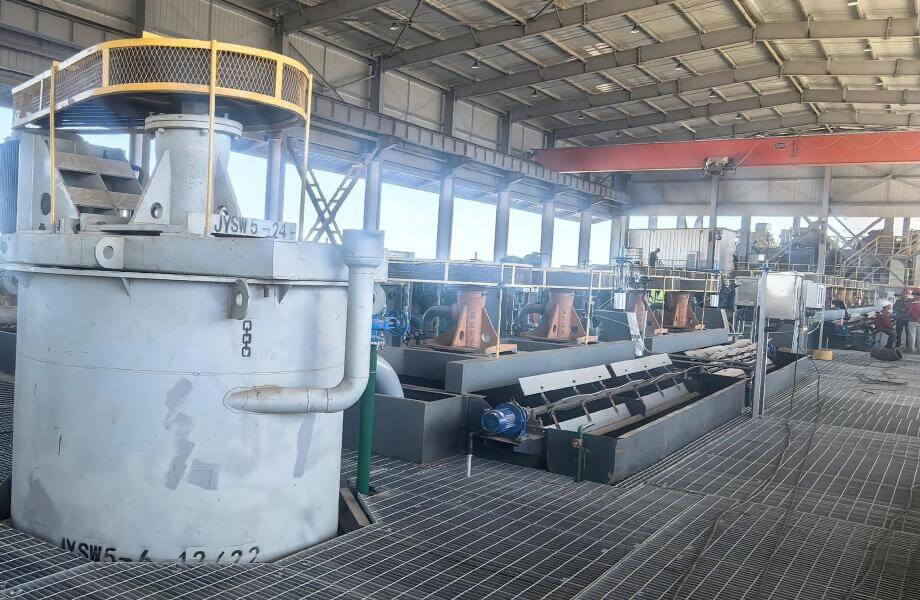
- The thickener underflow pump is delivered to the double-impeller leaching mixing tank.
- Lime (7 kg/t) is added to adjust the pH as a protective alkali, and sodium cyanide (4 kg/t) is used as a leaching agent. The pulp concentration is controlled at 40%.
- With a leaching time of 24 hours, the gold leaching rate can reach 93.40%.
- Gold-loaded carbon products are obtained through activated carbon adsorption and then transported to the original gold extraction plant for desorption and electrolysis.
-
Tailings Treatment
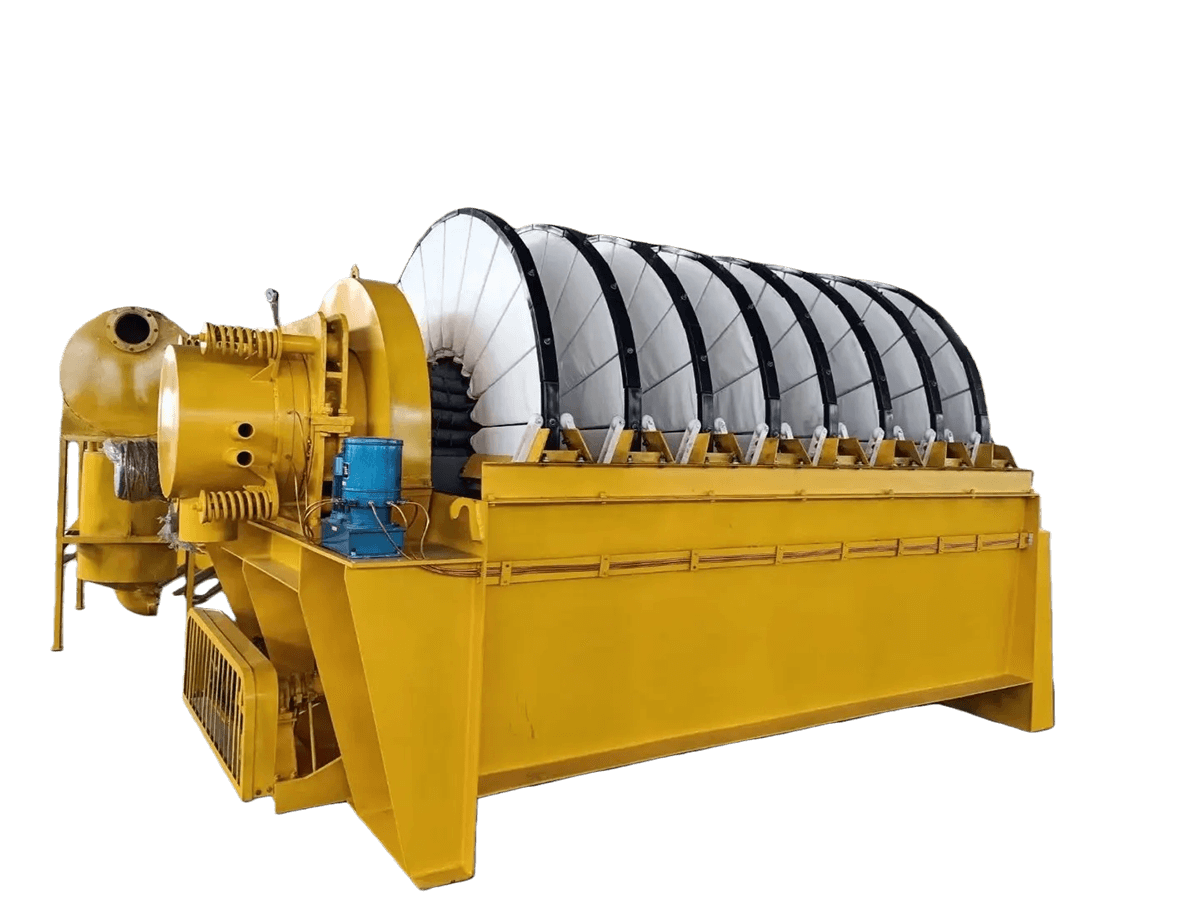
- The leaching tailings are dewatered using a chamber filter press to achieve water recycling.
- Dry tailings are transported to tailings ponds for storage, which meets environmental protection requirements and reduces the risk of environmental pollution.
-
Civil Engineering and Structural Design
To shorten the construction period and reduce investment, ground facilities such as mine bins, platforms, and water pools adopt modular steel structure design as much as possible, enabling flexible on-site assembly and subsequent disassembly and relocation, thus significantly reducing the construction cycle.