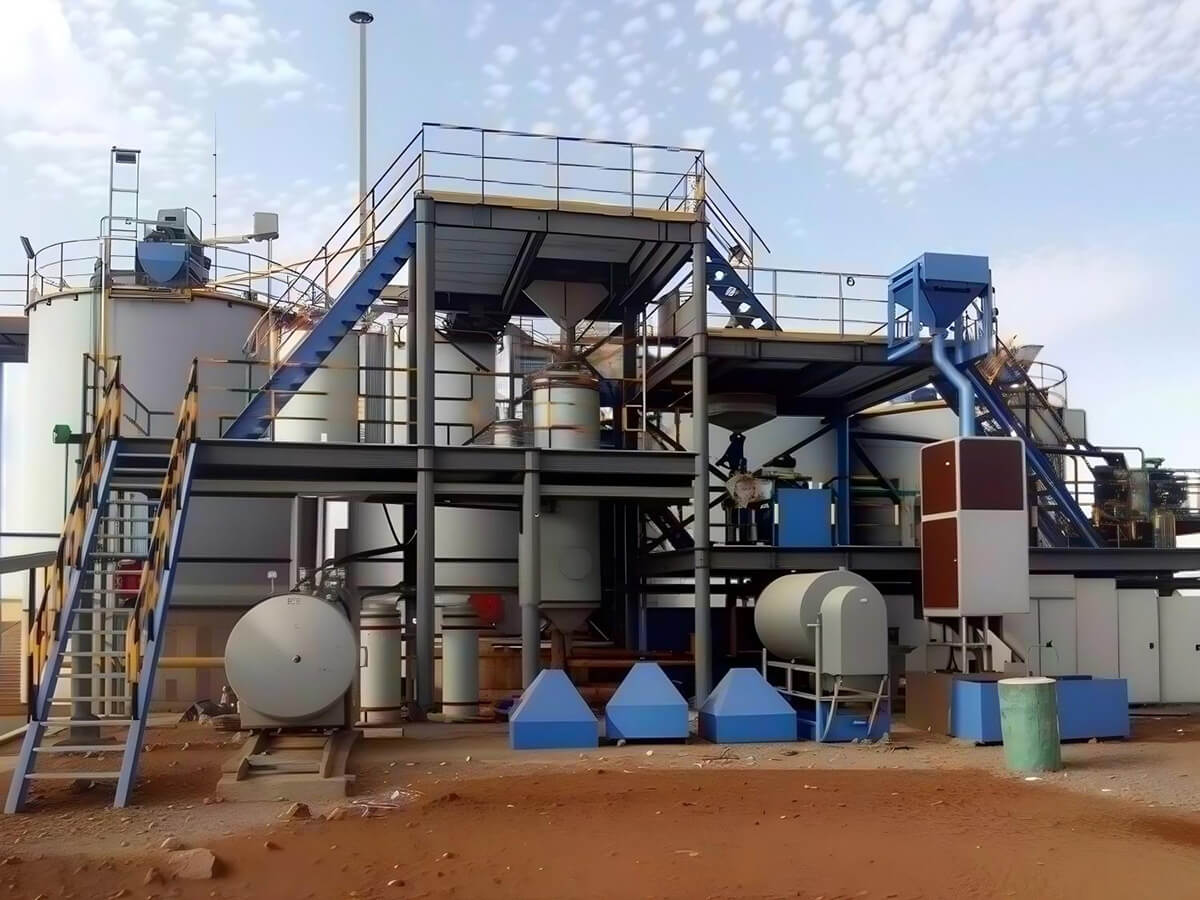
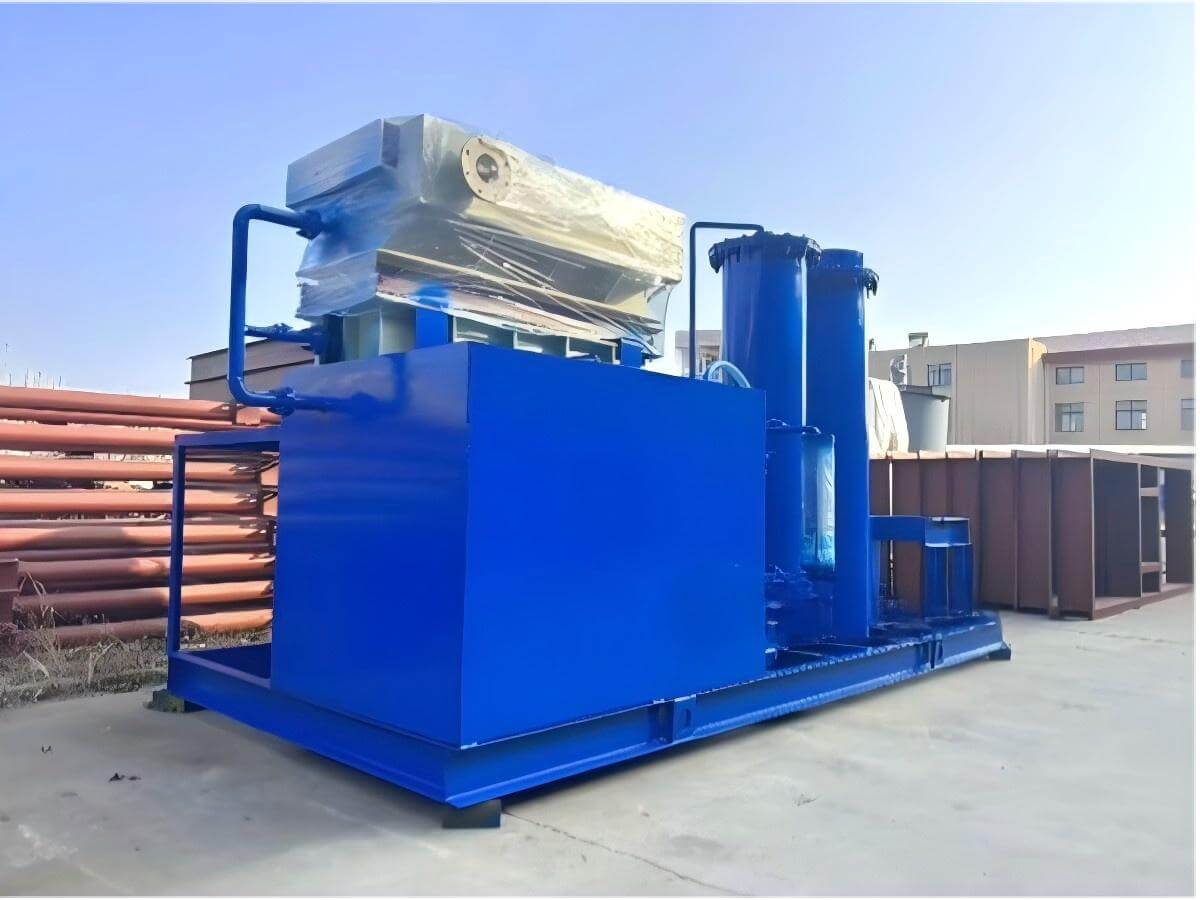
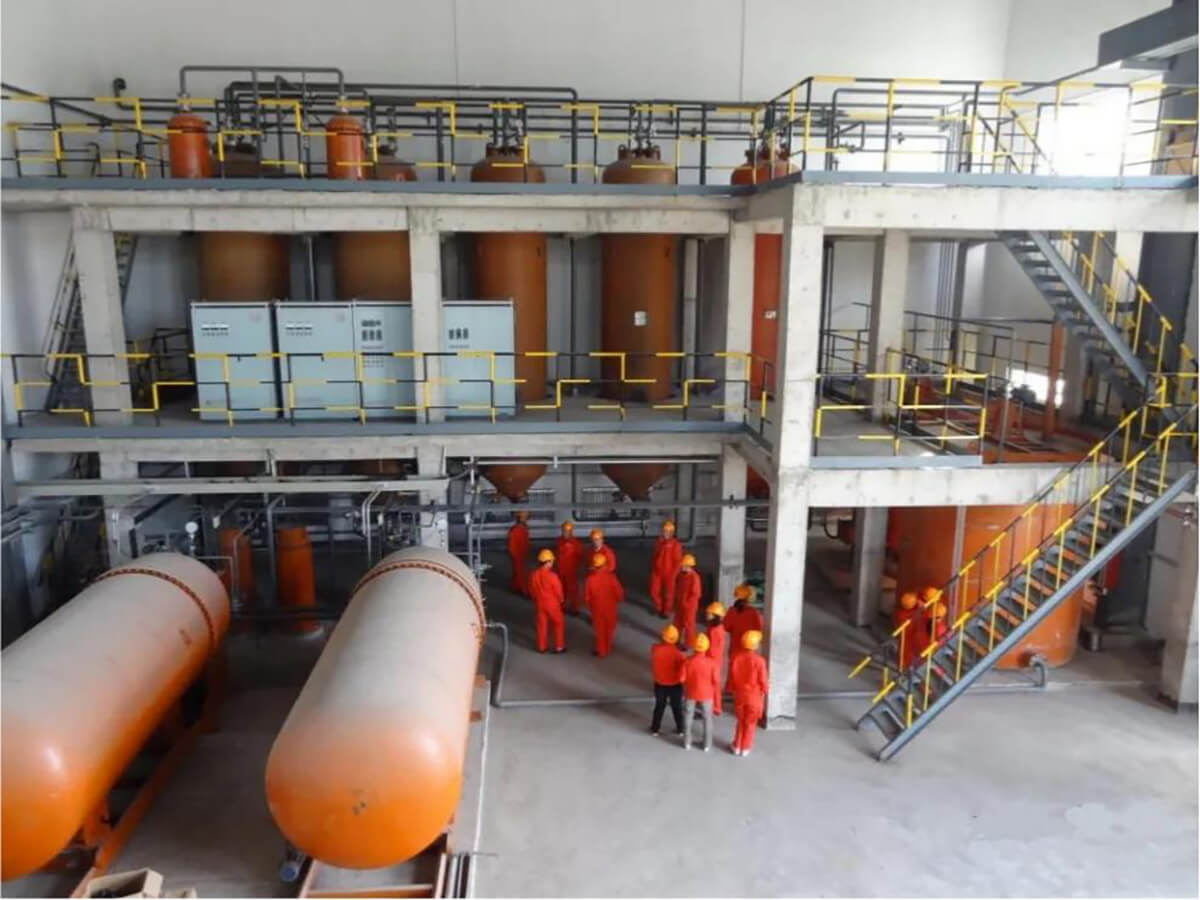
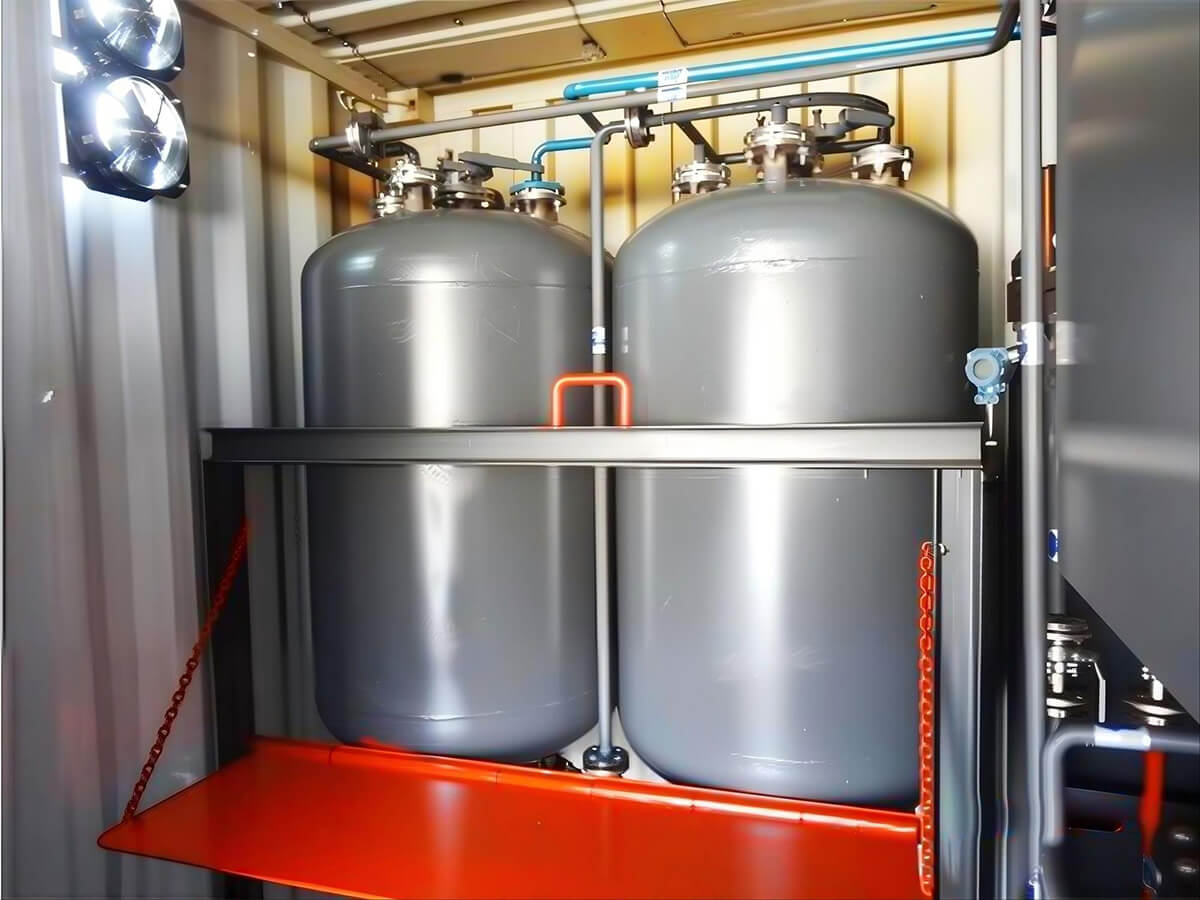

High-temperature, high-pressure desorption electrolysis systems are core technologies and equipment in the modern gold smelting industry, widely used in CIP (carbon-in-pulp) and CIL (carbon-in-liquid) processes to efficiently recover high-purity gold from gold-loaded carbon. Compared to traditional ambient temperature and pressure or alcohol desorption processes, this system significantly improves desorption efficiency and shortens the processing cycle through a high-temperature, high-pressure environment, enabling continuous and large-scale production. It has become the mainstream choice for gold extraction processes in large-scale gold mines.
Working Principle
The high-temperature, high-pressure desorption-electrolysis system employs an integrated process of "high-temperature, high-pressure desorption + online electrolytic deposition." Its core principle is as follows:
- Desorption Process: Gold-loaded carbon is loaded into a desorption column. Under high-temperature, high-pressure conditions (150–180℃, 0.6–1.0 MPa), a desorption solution containing NaOH and ethanol is injected into the system. Under the synergistic effect of high temperature and pressure, the adsorption capacity of activated carbon for the gold-cyanide complex [Au(CN)₂⁻] is destroyed, and gold is displaced into the solution, forming a gold-containing precious solution.
- Electrolysis Process: The precious solution directly enters the electrolytic cell. Under the action of direct current, gold ions are reduced to metallic gold on the cathode surface and deposited as gold mud. The anode uses an insoluble titanium plate to avoid contaminating the electrolyte.
- Closed-Loop Operation: The desorption solution is filtered, heated, and then recycled. The system operates in a closed loop, reducing reagent consumption and energy waste.
The entire process can complete batch processing in 4–6 hours, which is nearly 3 times shorter than traditional systems, and significantly improves capacity and recovery rate.
Product Structure
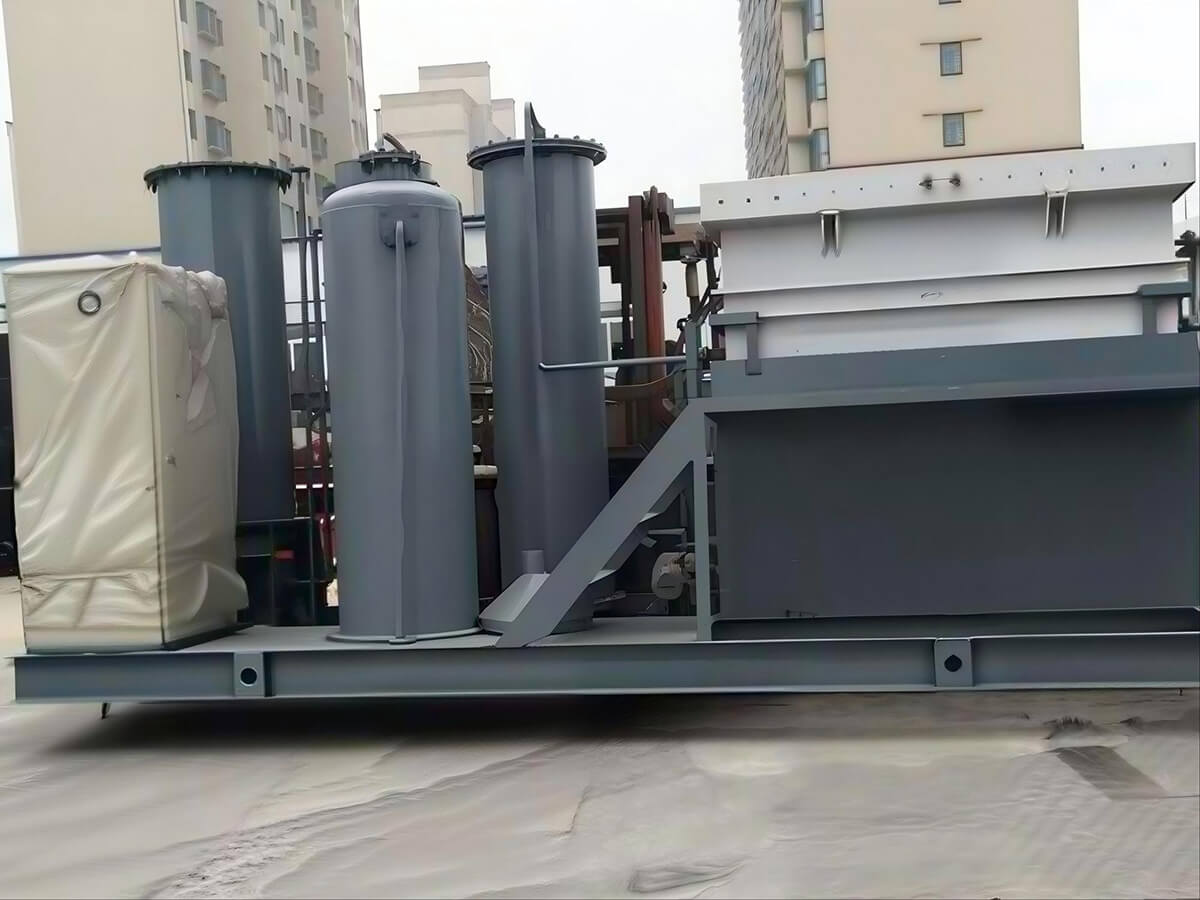
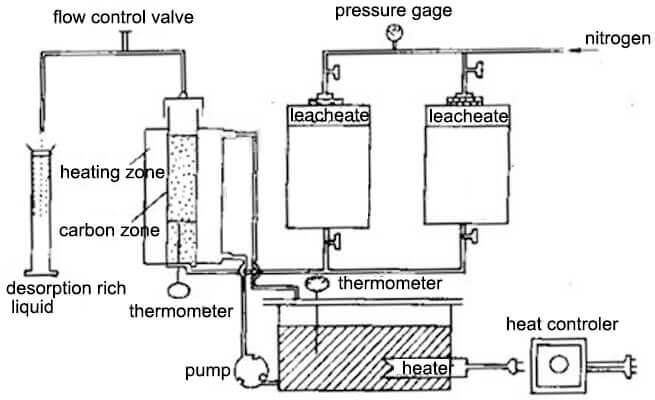
The high-temperature, high-pressure desorption electrolysis system is an integrated device, mainly composed of the following modules:
- Desorption Column (High-Pressure Reactor): A sealed container resistant to high temperature and pressure, lined with corrosion-resistant material, and equipped with a safety valve, pressure gauge, and temperature sensor.
- Electrolytic Cell: Composed of a cathode plate (stainless steel or silver-plated titanium), an anode plate (titanium-based coating), and a rectifier power supply, supporting continuous electrowinning.
- Heating System: An electric heater or steam heating device, with a double-jacketed design to improve thermal efficiency.
- Circulation Pump and Piping System: Enables forced circulation of the desorbate and the precious solution.
- Filter: Removes suspended solids from the precious solution, protecting the electrolysis system.
- Intelligent Control System: PLC + touchscreen control, allowing setting of parameters such as temperature, pressure, time, and current density, enabling automatic start/stop and fault alarms.
- Safety Protection System: Includes triple protection—intelligent pressure control, mechanical pressure limiting device, and safety valve emergency response—ensuring safety in a high-pressure environment.
Product Advantages
- High desorption efficiency: Desorption rate is consistently above 99.2%, reaching up to 99.5%, far exceeding the industry average.
- Fast processing speed: Single batch processing time is only 4–6 hours, increasing daily processing capacity by over 200%.
- Low energy consumption: Power consumption per ton of gold-loaded carbon is reduced to below 300 kWh, saving over 50% energy compared to traditional systems.
- High degree of automation: The entire process is completed by an automatic control system, reducing manual intervention and operational errors.
- Long equipment lifespan: Utilizing special alloy materials and a patented sealing structure, corrosion resistance is increased by 3 times, and the service life reaches over 10 years.
- Environmentally compliant: Equipped with a tail gas treatment system, cyanide emission concentration is below 0.5 mg/m³, meeting environmental standards.
- Scalable capacity: Single unit processing capacity covers 50–500 kg/batch, adaptable to the needs of small, medium, and large carbon-in-pulp plants.