
Mexico 1000 Tons/Day Copper, Lead, Zinc, Gold And Silver Ore Beneficiation Project
Date: 2026-02-28 Categories: Client Cases Views: 165
The Mexican ore beneficiation project, with a daily processing capacity of 1,000 tons of copper, lead, zinc, gold, and silver ore, utilizes a customized, efficient, environmentally friendly, and economically feasible process flow tailored to the characteristics of the ore. Based on available information, the project employs a main process line of "crushing—grinding—preferential flotation or mixed flotation—concentrate dewatering," while emphasizing the comprehensive recovery of associated gold and silver and the environmentally sound disposal of tailings.
Recommended Process Flow and Technical Basis
-
Crushing and screening process
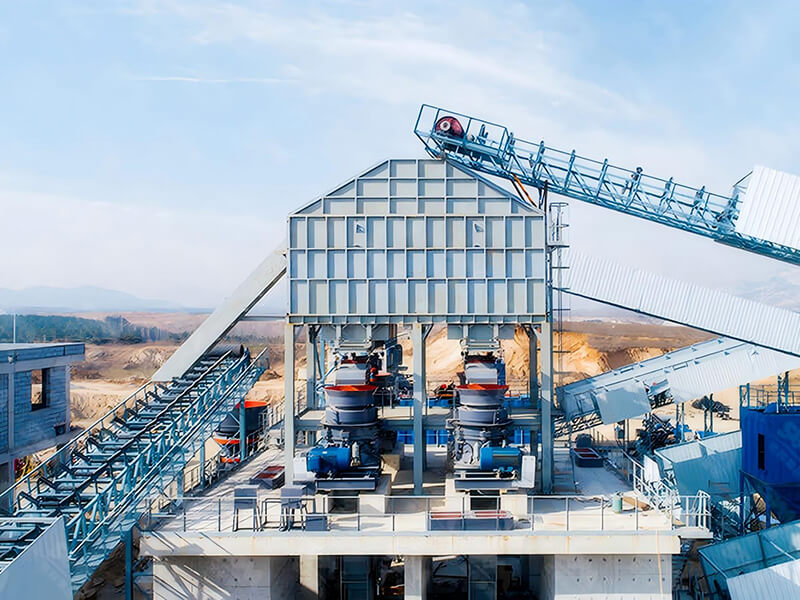
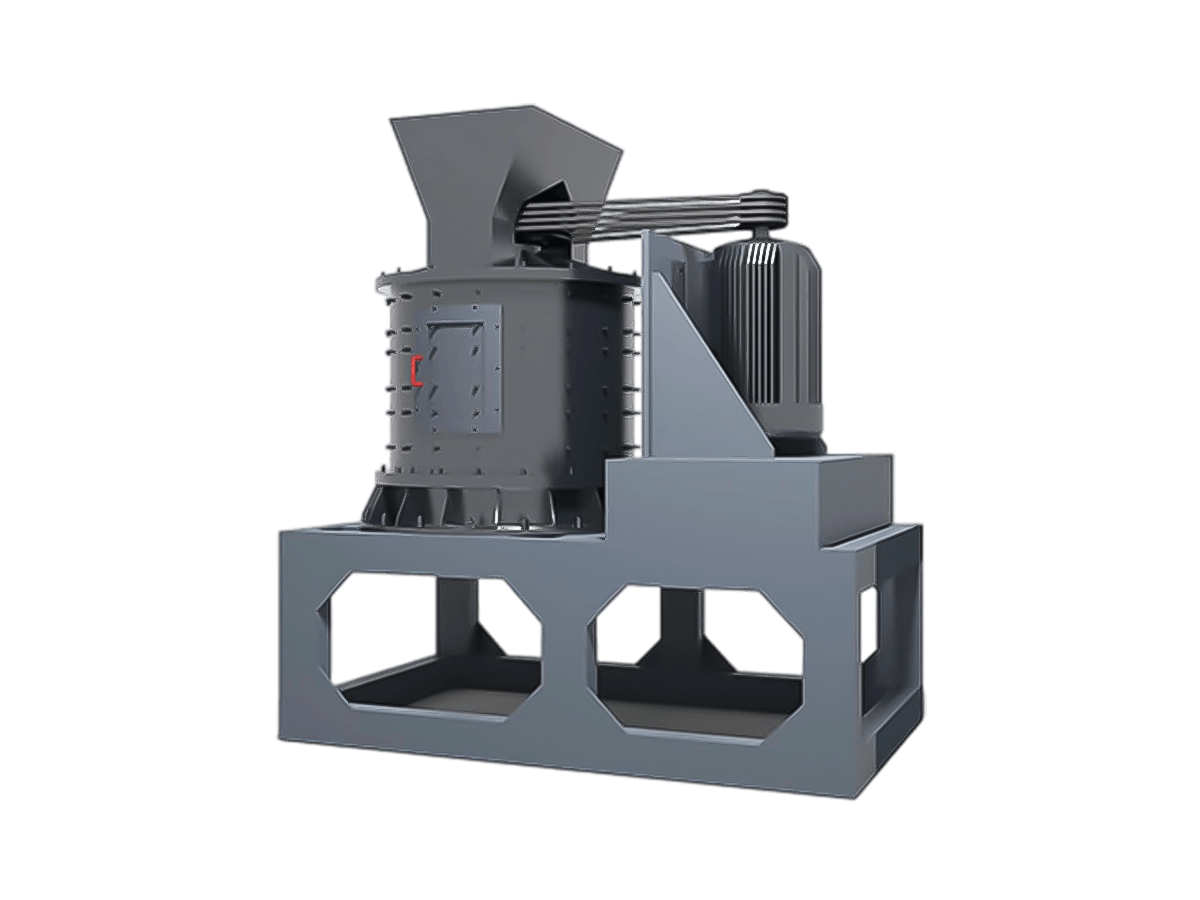
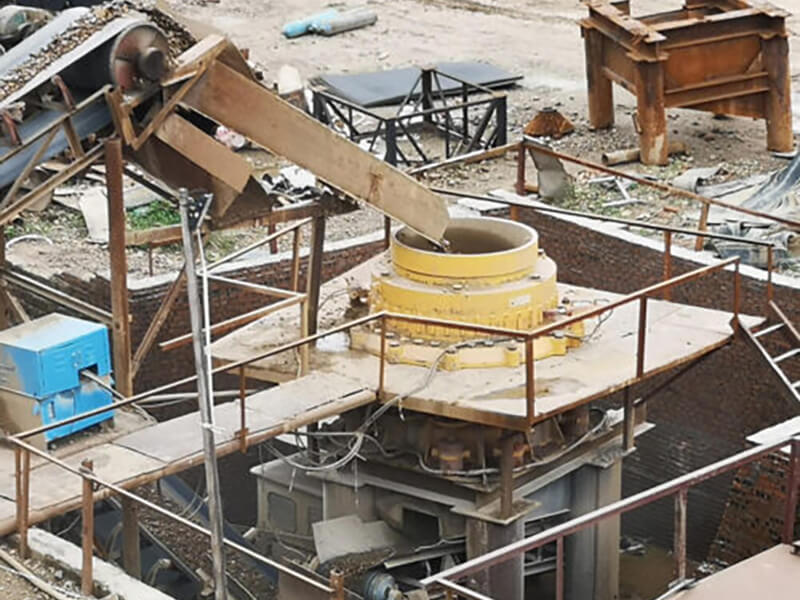
The three-stage closed-circuit crushing system (coarse crushing + medium crushing + fine crushing + vibrating screen closed-circuit circulation) is adopted to crush the raw ore particle size from ≤500mm to ≤12mm, ensuring uniform particle size entering the mill and improving grinding efficiency. -
Grinding and classification process
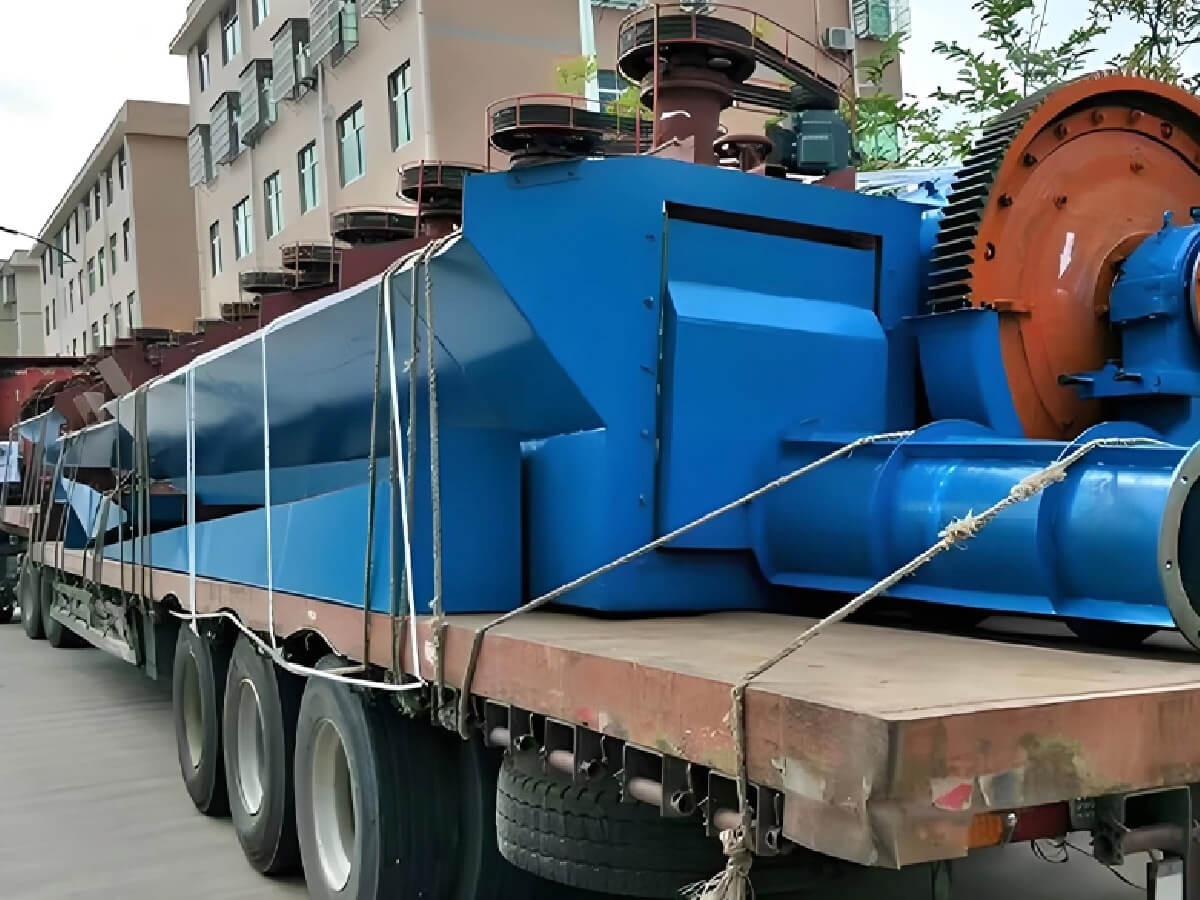
Recommended "two-stage closed-circuit grinding" process:- The first stage of grinding uses an overflow ball mill in conjunction with a spiral classifier.
- The second stage employs a regrinding process to finely grind the lead concentrate, improving the degree of monomer liberation.
- The grinding fineness is controlled to be above -200 mesh (80%), meeting the requirements for multi-metal separation.
-
Flotation process: Preferred flotation or mixed preferred flotation?
Selection is based on the differences in floatability of copper, lead, and zinc minerals in the ore:- If there are significant differences in floatability among minerals, use preferential flotation (lead first, then zinc, then copper).
- If they are closely associated and have similar floatability, use a mixed flotation-separation process (first mix and float copper, lead, and zinc, then separate them using depressants).
- Silver and gold are mainly enriched in lead concentrate, achieving comprehensive recovery.
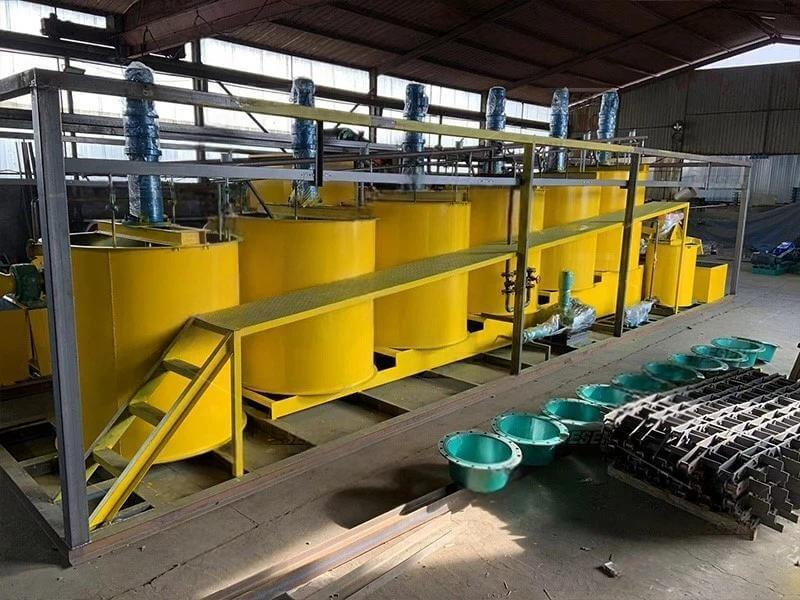
- The recommended flotation process is "one roughing, three scavenging, and four cleaning" to improve the recovery rate.
-
Dewatering and tailings treatment
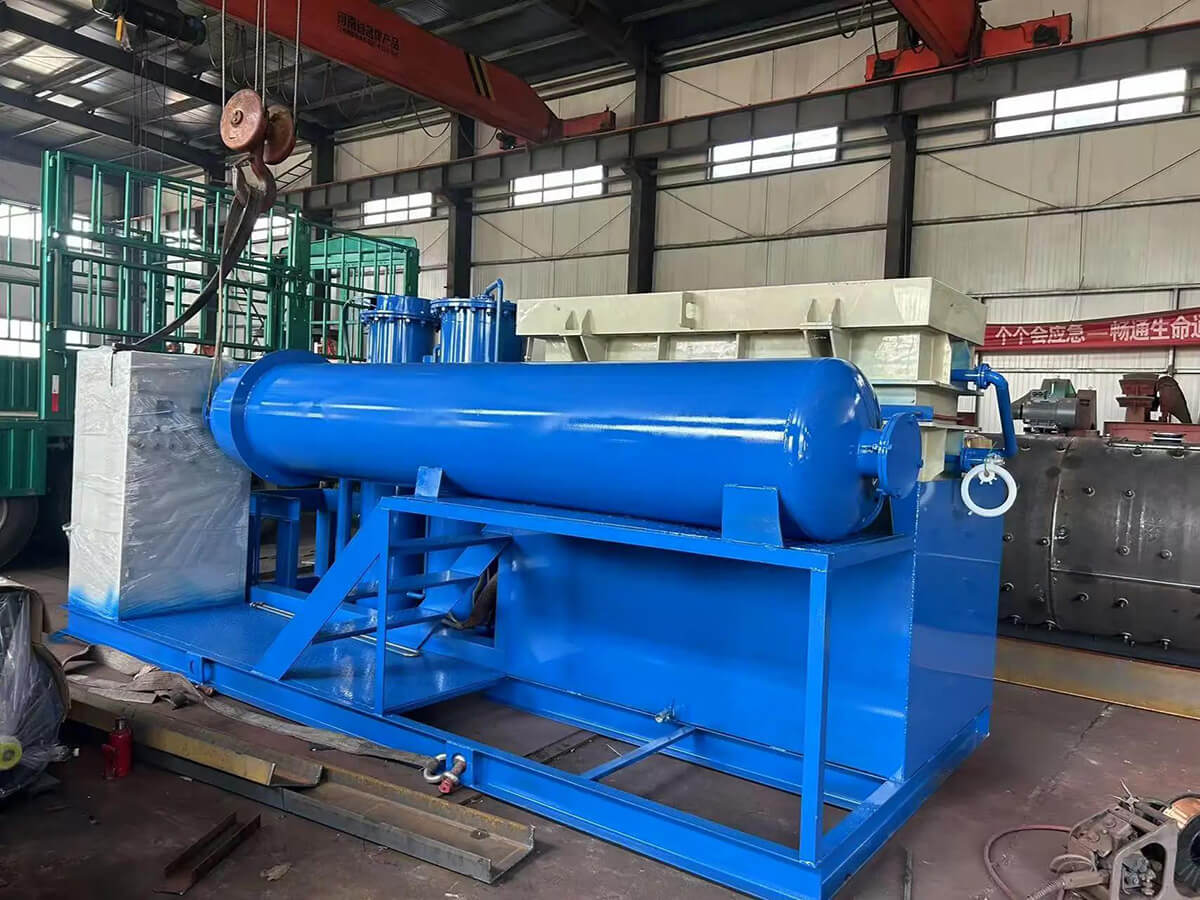
- The concentrate is dewatered using a high-efficiency thickener and a disc vacuum filter, resulting in a filter cake moisture content of <10%.
- The tailings are either dry-piled after pressure filtration or transported to a tailings dam to reduce leachate risk and comply with Mexican environmental standards.