
Analysis of Mainstream Rare Earth Mining Processes and Green Mining Technologies
Date: 2026-06-26 Categories: New Energy Minerals Views: 133
Rare earth elements are core strategic resources for new energy, high-end manufacturing, and national defense industries, often referred to as the "vitamins of industry." My country possesses a wide variety of rare earth deposits; mining processes are categorized into two main types based on ore body characteristics: hard-rock mining and ion-adsorption clay mining. Years of technological evolution have resulted in a mature, efficient, and environmentally friendly standardized mining system.
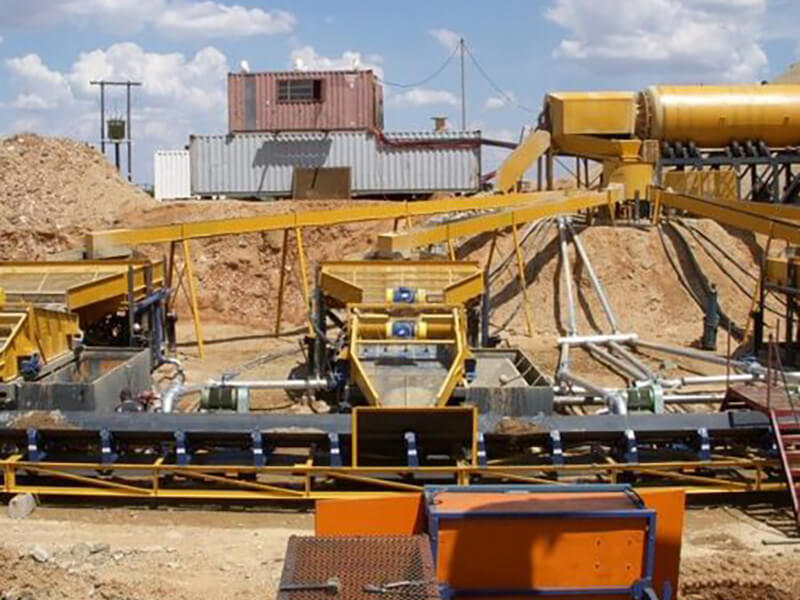
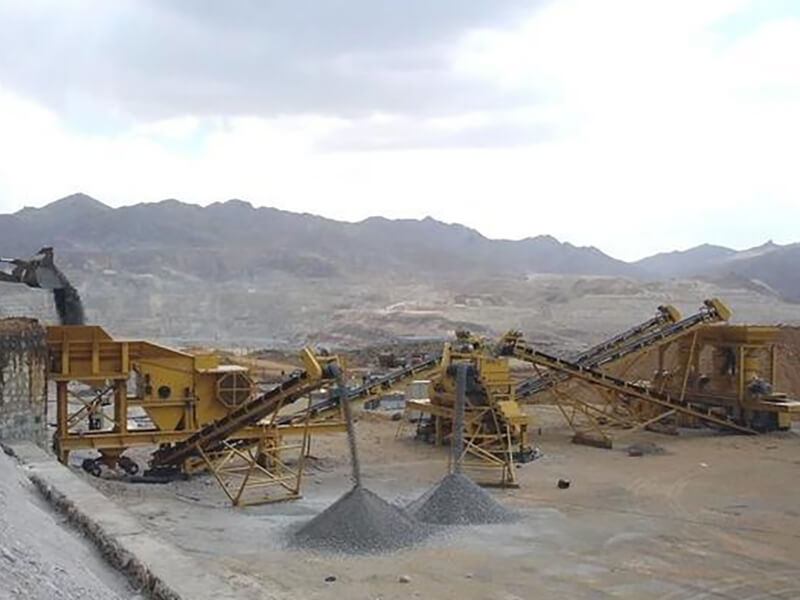
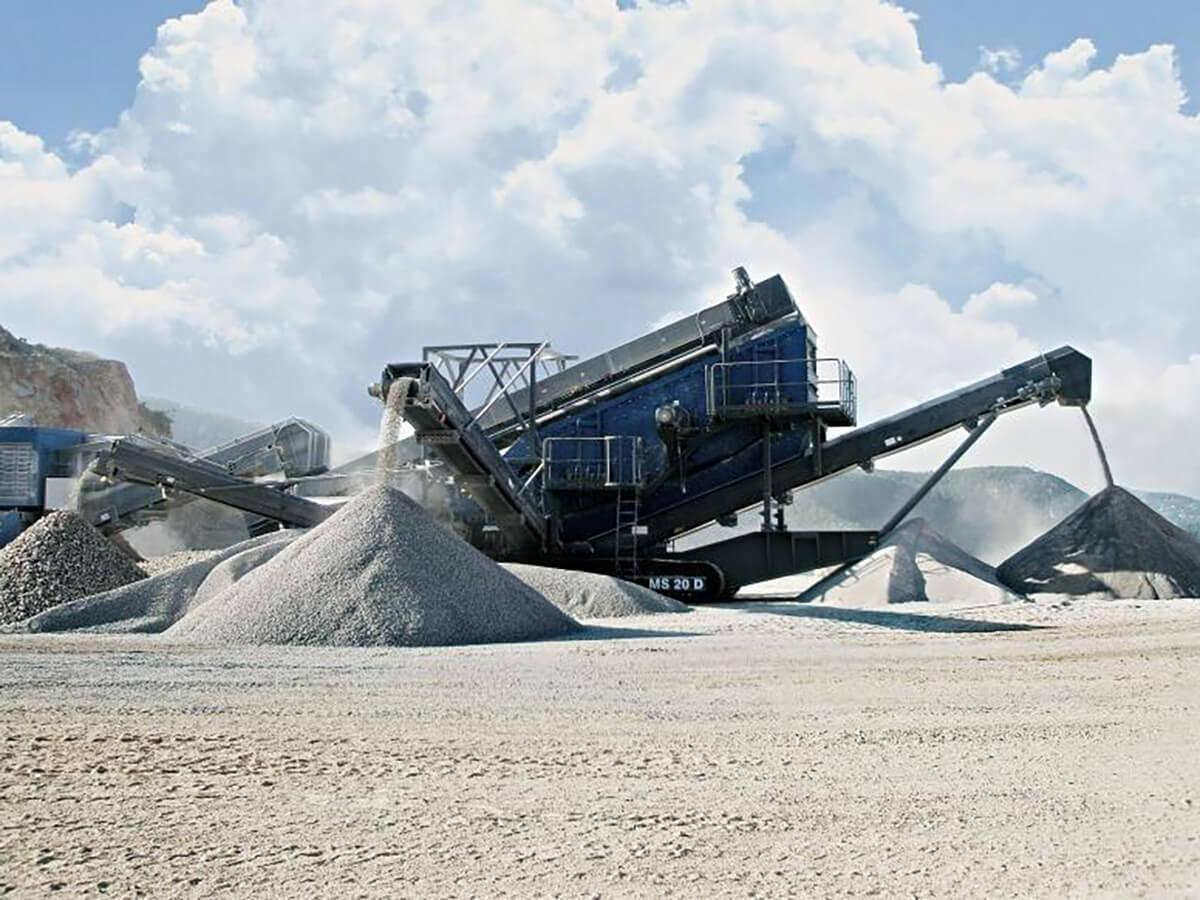
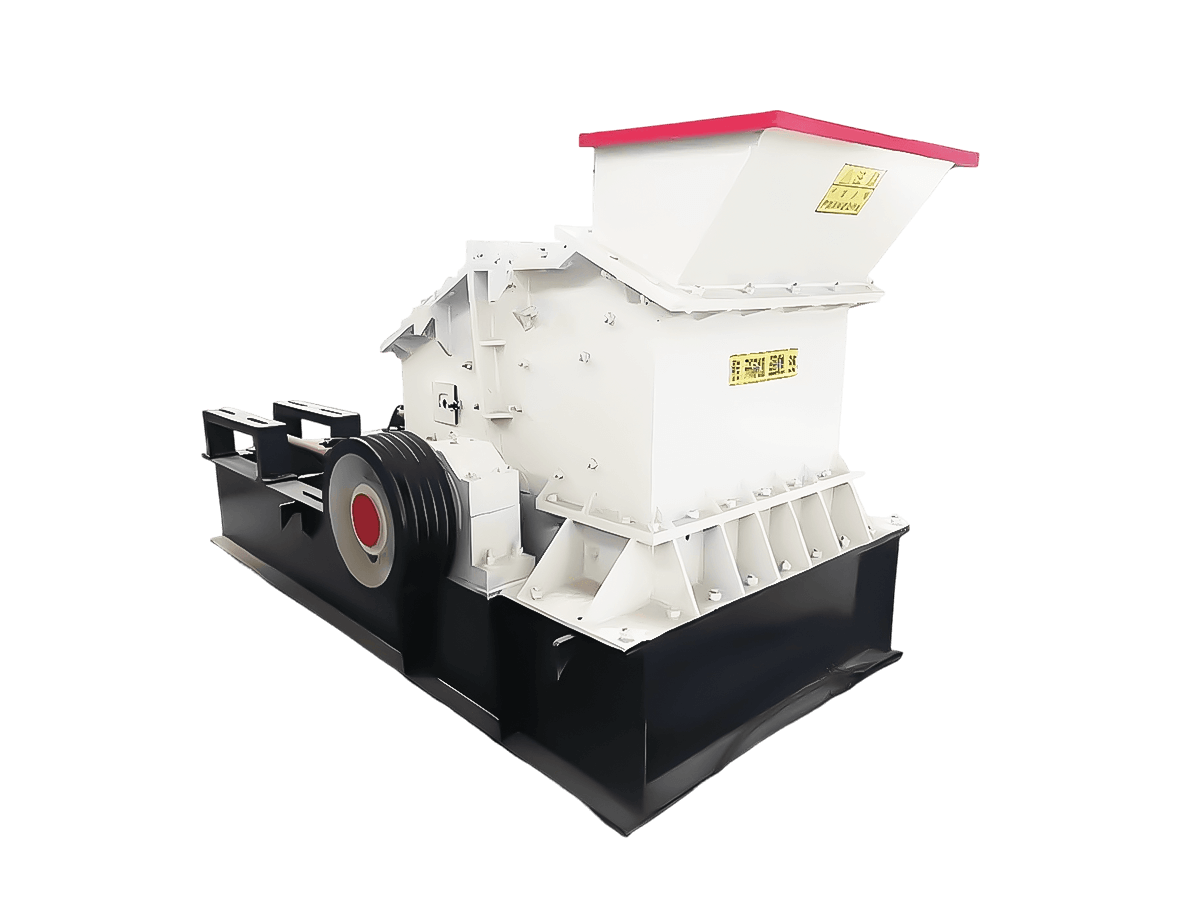
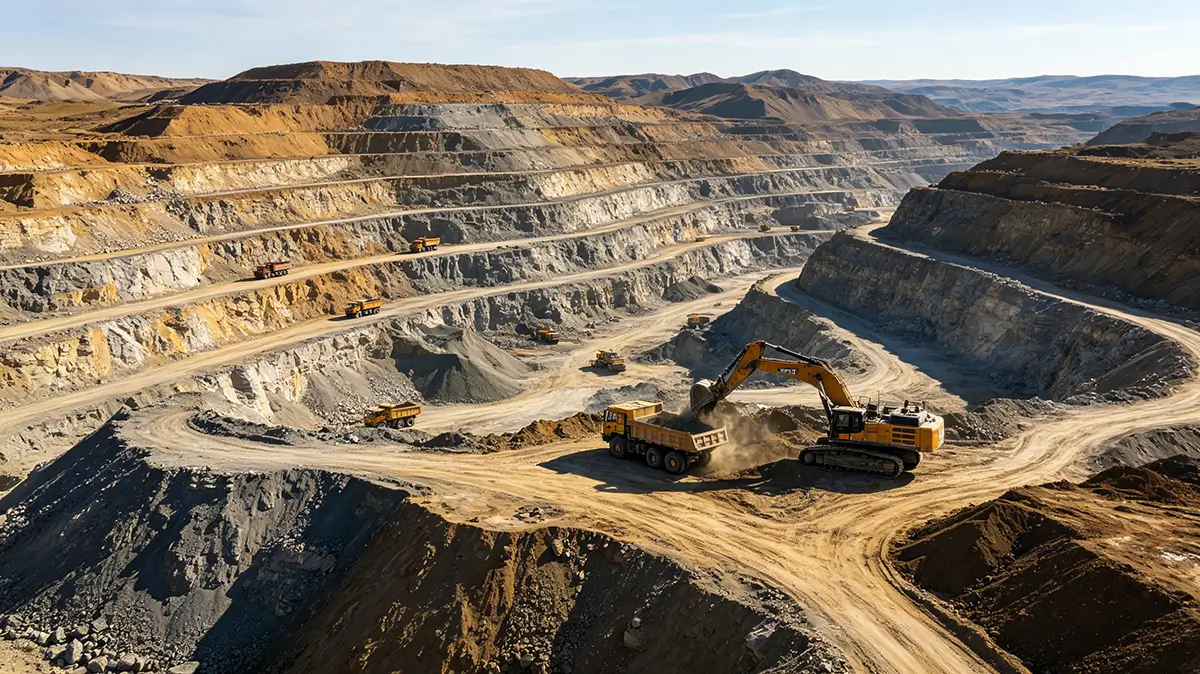
Hard-rock rare earth mining typically employs open-pit methods, suitable for deposits such as bastnäsite and monazite that are concentrated and shallowly buried. The process begins with stripping topsoil and clearing surrounding rock to expose the ore layer, followed by extraction using heavy machinery. As the raw ore has a very low rare earth content, it undergoes crushing, screening, and grinding to achieve an ultra-fine particle size; this facilitates the initial dissociation of rare earth minerals from waste rock and gangue, laying the groundwork for subsequent beneficiation and purification. Characterized by high mechanization and large-scale operations, this is the dominant mining method in northern rare earth regions.
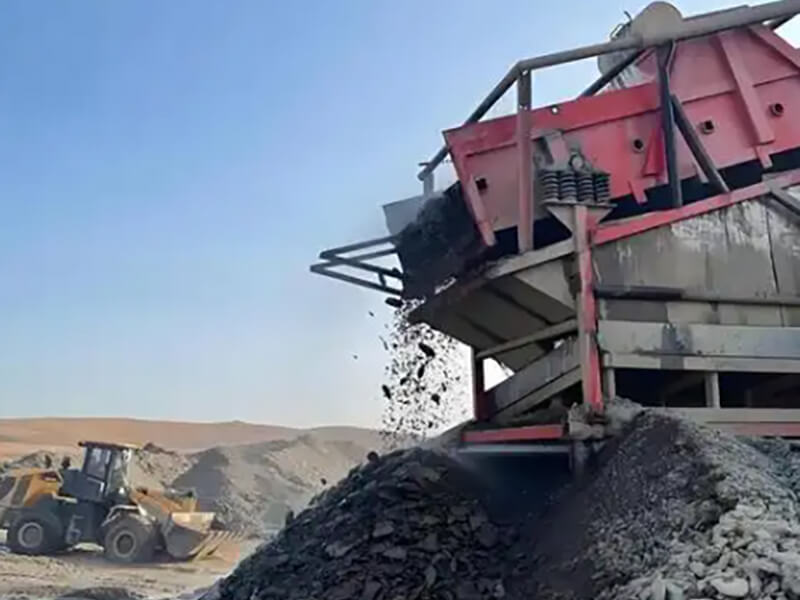
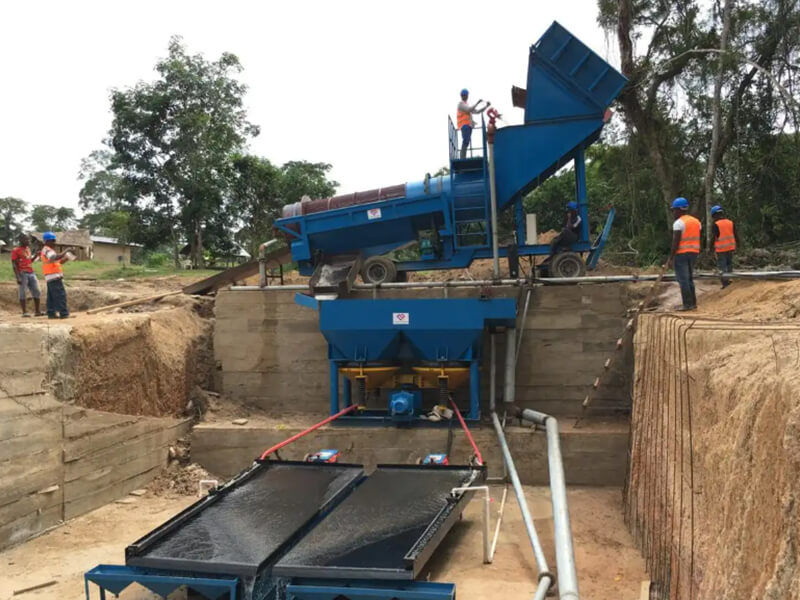
Beneficiation and purification are critical steps for upgrading the rare earth content. The industry commonly employs a combined process of gravity separation, magnetic separation, and flotation, utilizing differences in density, magnetism, and surface activity to progressively separate waste rock and impurities. Gravity separation sorts coarse ore particles based on density differences; magnetic separation removes magnetic impurities; and flotation uses specialized reagents to precisely concentrate rare earth minerals. This multi-stage approach upgrades low-grade raw ore into high-grade rare earth concentrate, significantly enhancing downstream smelting efficiency while effectively reducing production costs and resource loss.
Southern ion-adsorption rare earth deposits utilize green in-situ leaching processes, which are well-suited for shallow ore bodies found in weathered crusts. Traditional tank and heap leaching methods have been upgraded, and in-situ leaching technology—which eliminates the need for large-scale mountain excavation—is now widely adopted. By injecting an eco-friendly leaching solution into the ore-bearing layer and utilizing the principle of ion exchange to extract rare-earth ions from the soil, a rare-earth pregnant solution is collected; this undergoes precipitation, filtration, and calcination for purification, ultimately yielding mixed rare-earth oxides. This process preserves the mountain's original landscape to the greatest extent possible, minimizes soil erosion and vegetation damage, and resolves the issue of severe ecological degradation associated with traditional rare-earth mining methods.
Rare-earth mining has moved beyond crude, extensive practices to adopt an integrated process encompassing mining, beneficiation, purification, and ecological restoration. The widespread adoption of intelligent equipment and green technologies ensures the efficient utilization of rare-earth resources while achieving coordinated development between resource exploitation and ecological conservation, thereby providing a stable supply of raw materials for the high-end rare-earth new materials industry.