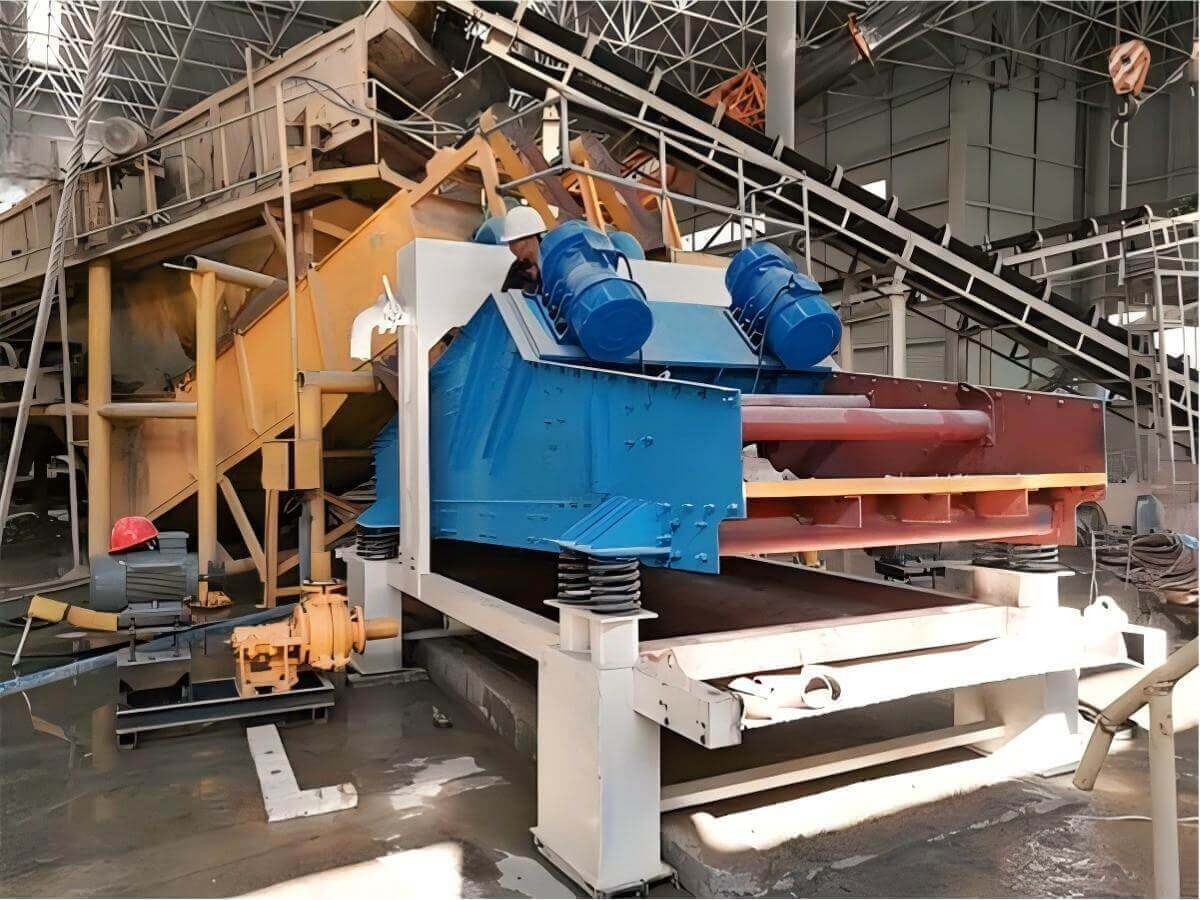
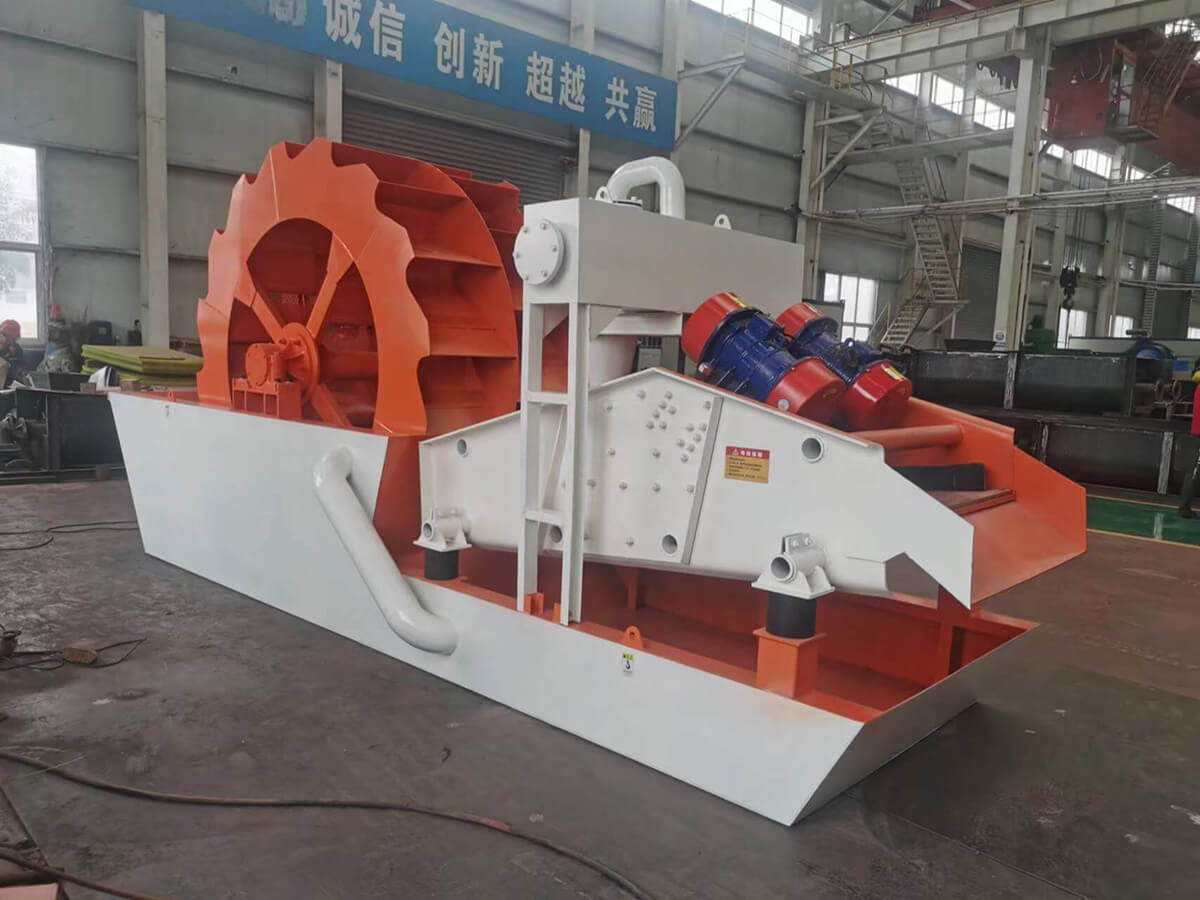

The fine sand recovery machine is an industrial device specifically designed to solve the problem of fine sand loss in manufactured sand production. Its core function is to efficiently recover fine sand smaller than 0.16mm lost with wastewater during sand washing through a dual-effect system of "cyclone classification + vibration dewatering," achieving a recovery rate of 85%–97%, significantly improving resource utilization and reducing environmental pressure.
It is widely used in sand and gravel aggregate production lines, hydropower stations, concrete mixing plants, mine tailings treatment, and construction waste recycling, and is an indispensable key component of modern green sand production systems. Its working principle is based on the synergistic effect of centrifugal force and high-frequency vibration: a mixture of mud, sand, and water is pumped into a hydrocyclone; coarse particles settle under centrifugal force, while fine sand is discharged through the settling nozzle and enters the dewatering screen; the dewatering screen further removes moisture through high-frequency vibration of a polyurethane screen, ultimately producing recovered fine sand with a moisture content of less than 15%, which can be used directly. A small amount of mud is recycled back, achieving closed-loop wastewater utilization.
Working Principle
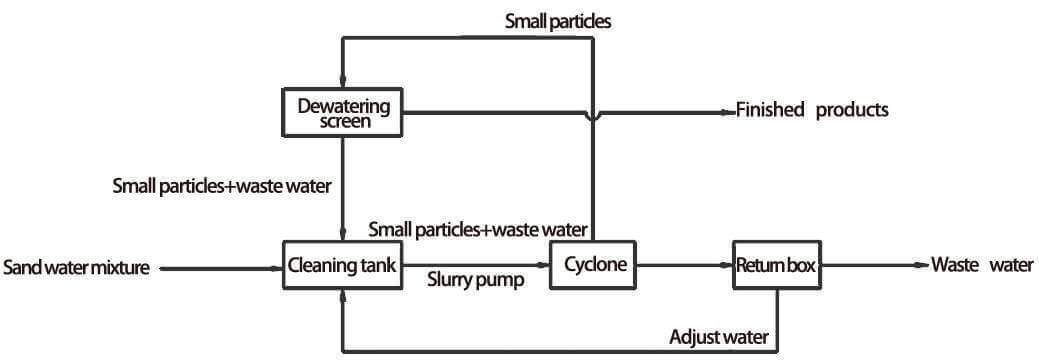
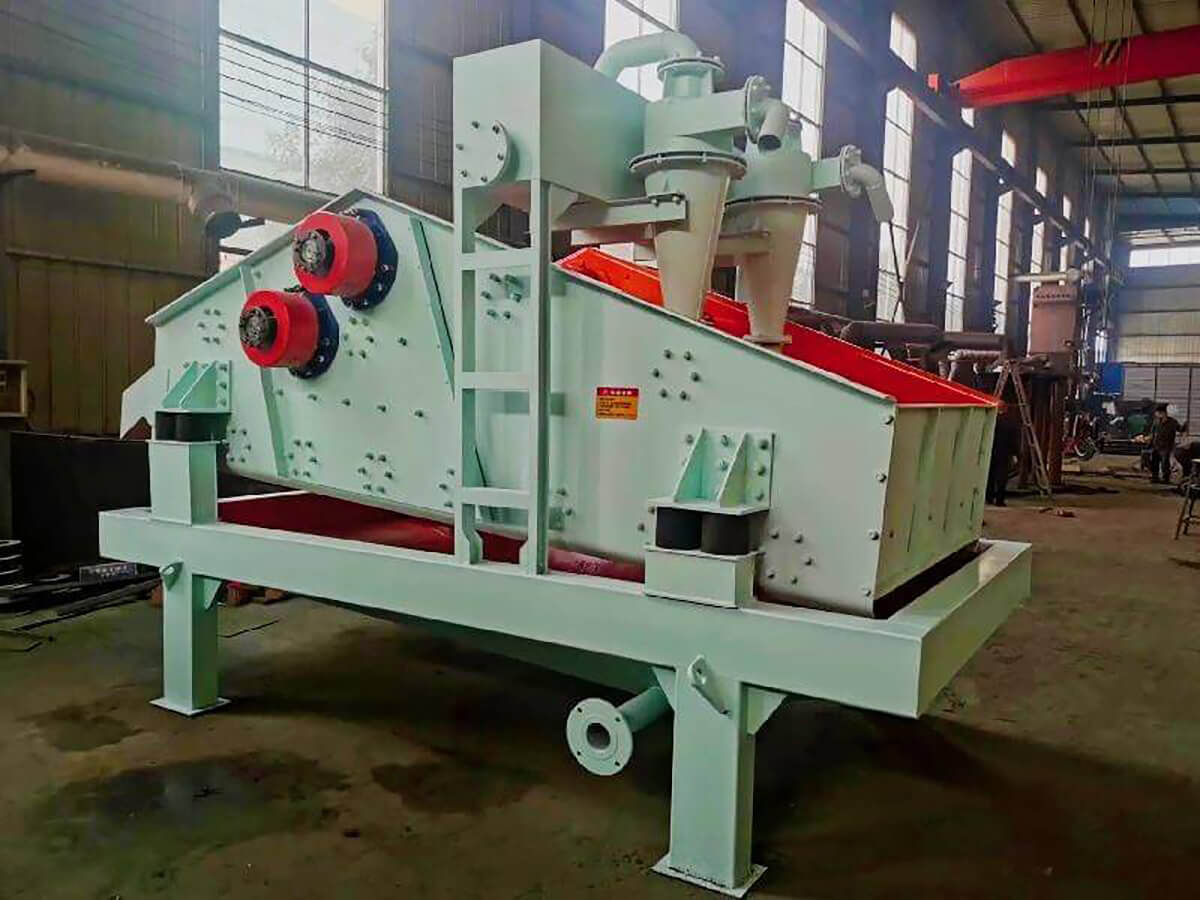
A water pump delivers the sand-water mixture to a hydrocyclone, while eccentric fine sand is fed into a vibrating screen. After dewatering, the fine sand and water are effectively separated, with a small amount of fine sand and slurry returned to the washing tank. When the liquid level in the washing tank is high, the fine sand is discharged from the outlet. The linear vibrating screen can recover materials with a concentration of 70% to 85%. The fineness modulus can be adjusted by changing the water pump speed, the slurry concentration, the overflow rate, and the sand settling outlet. Through the above process, the fine sand recovery system can complete the three functions of washing, dewatering, and classification.
Product Structure
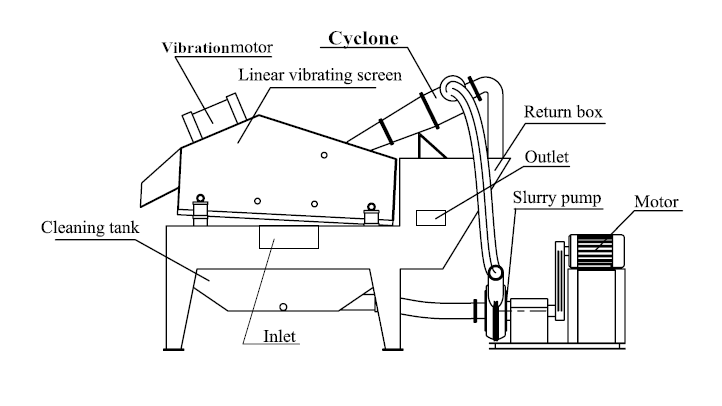
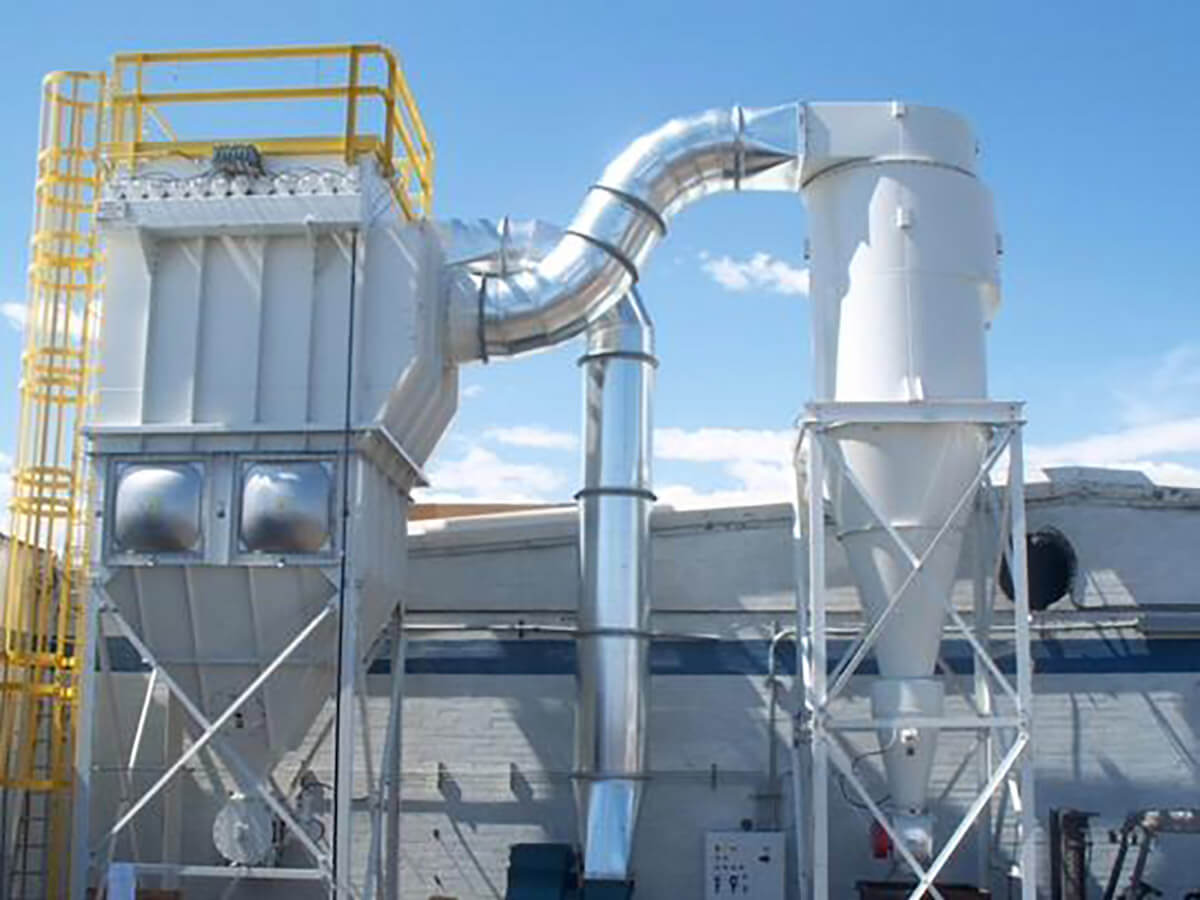
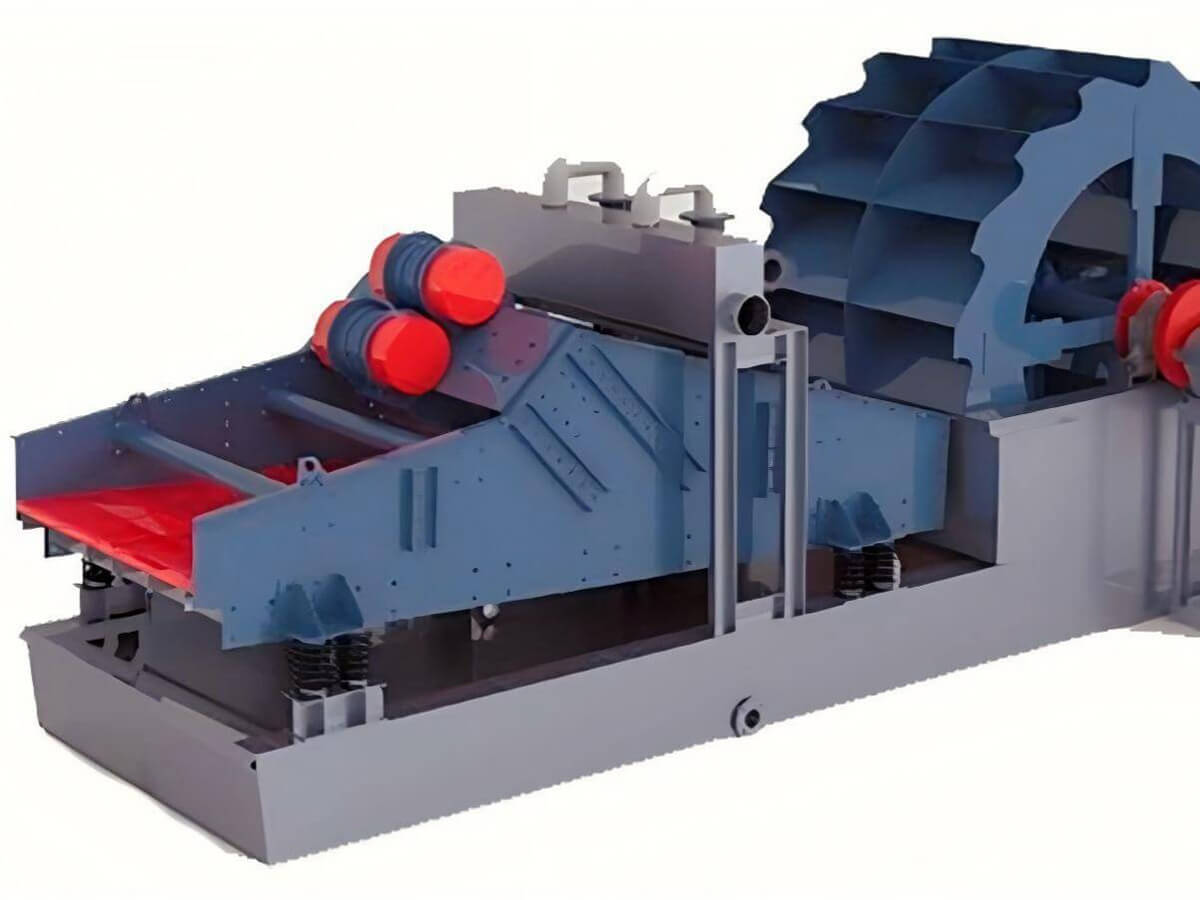
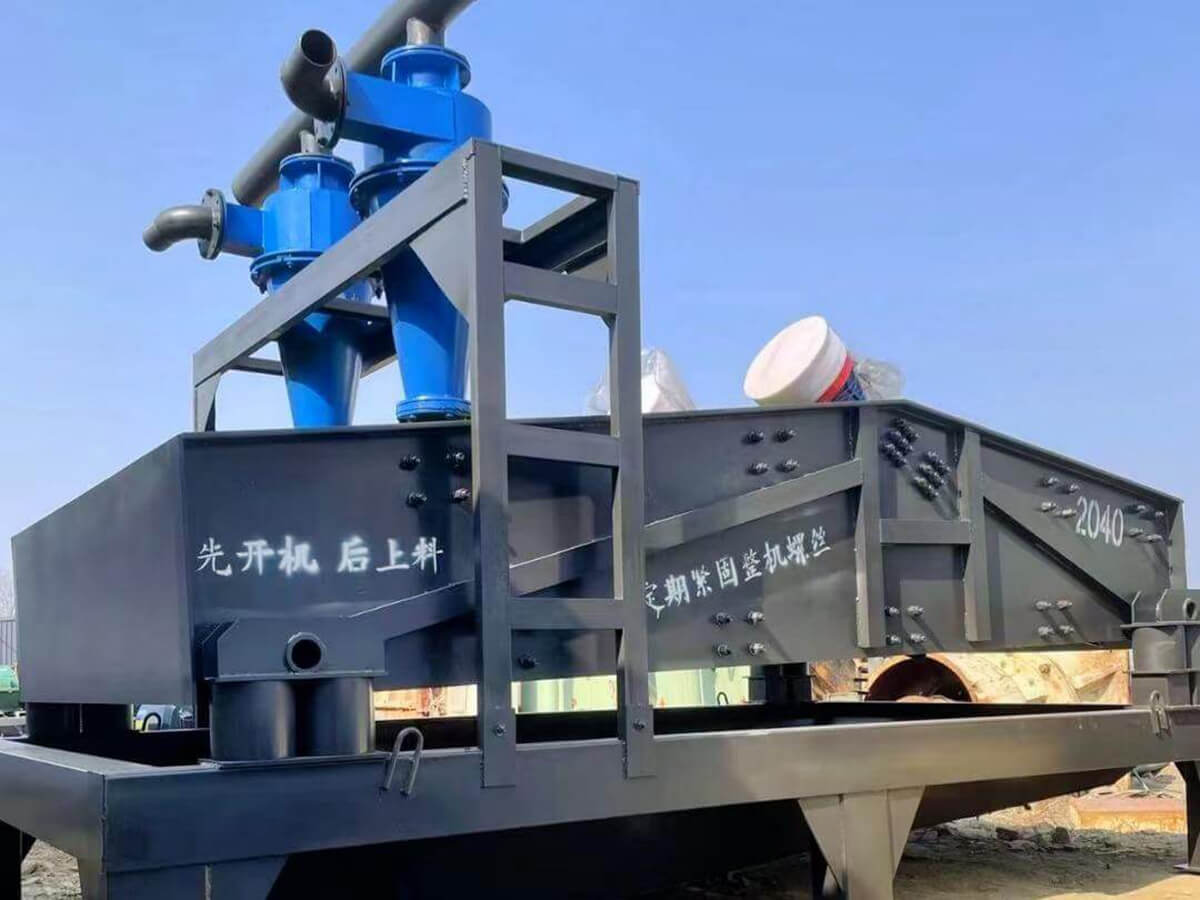
The main structural components of a fine sand recovery machine include: a motor, a mud pump, a hydrocyclone, a dewatering screen, a washing tank, and a return tank.
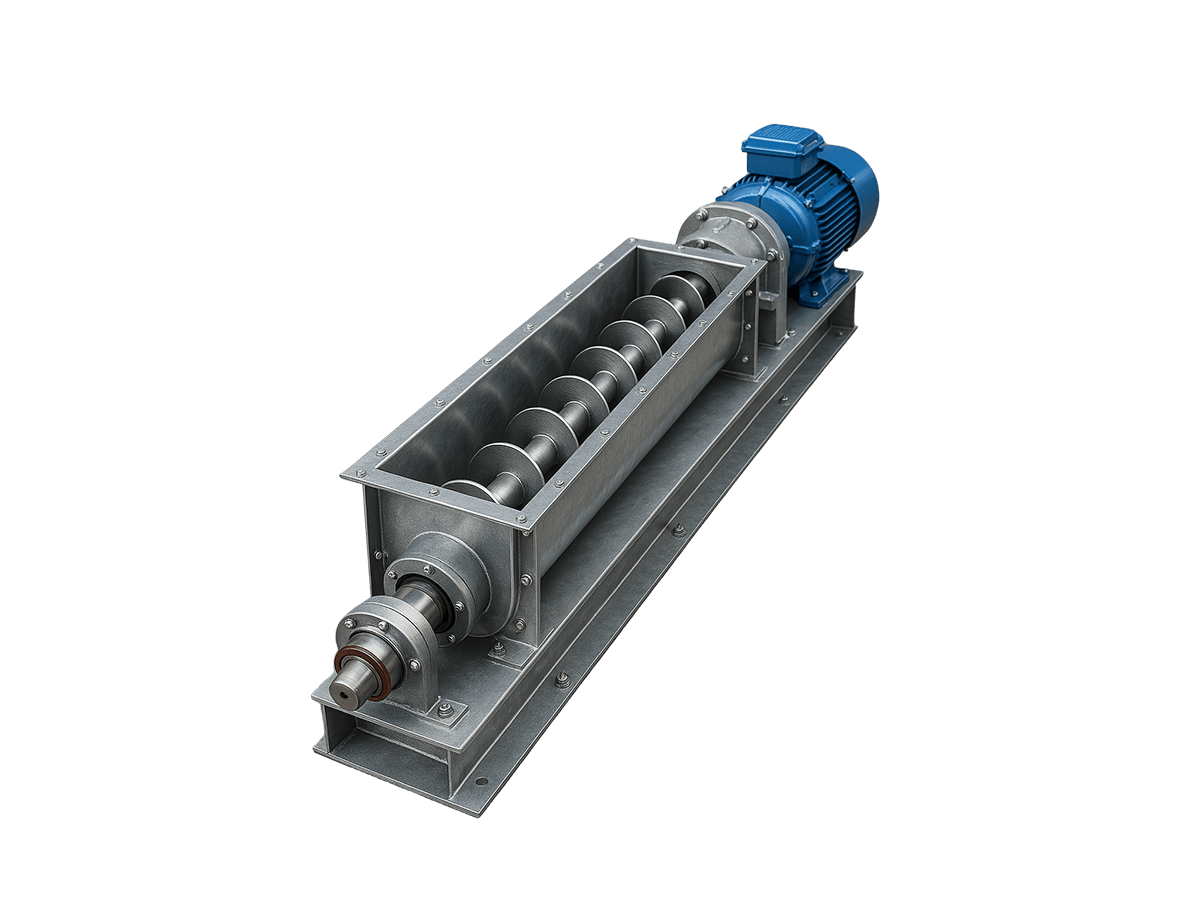
Motor: Provides power for the entire system.
Mulch Pump: Transports the sand-water mixture to the hydrocyclone for mud-sand separation and fine sand recovery.
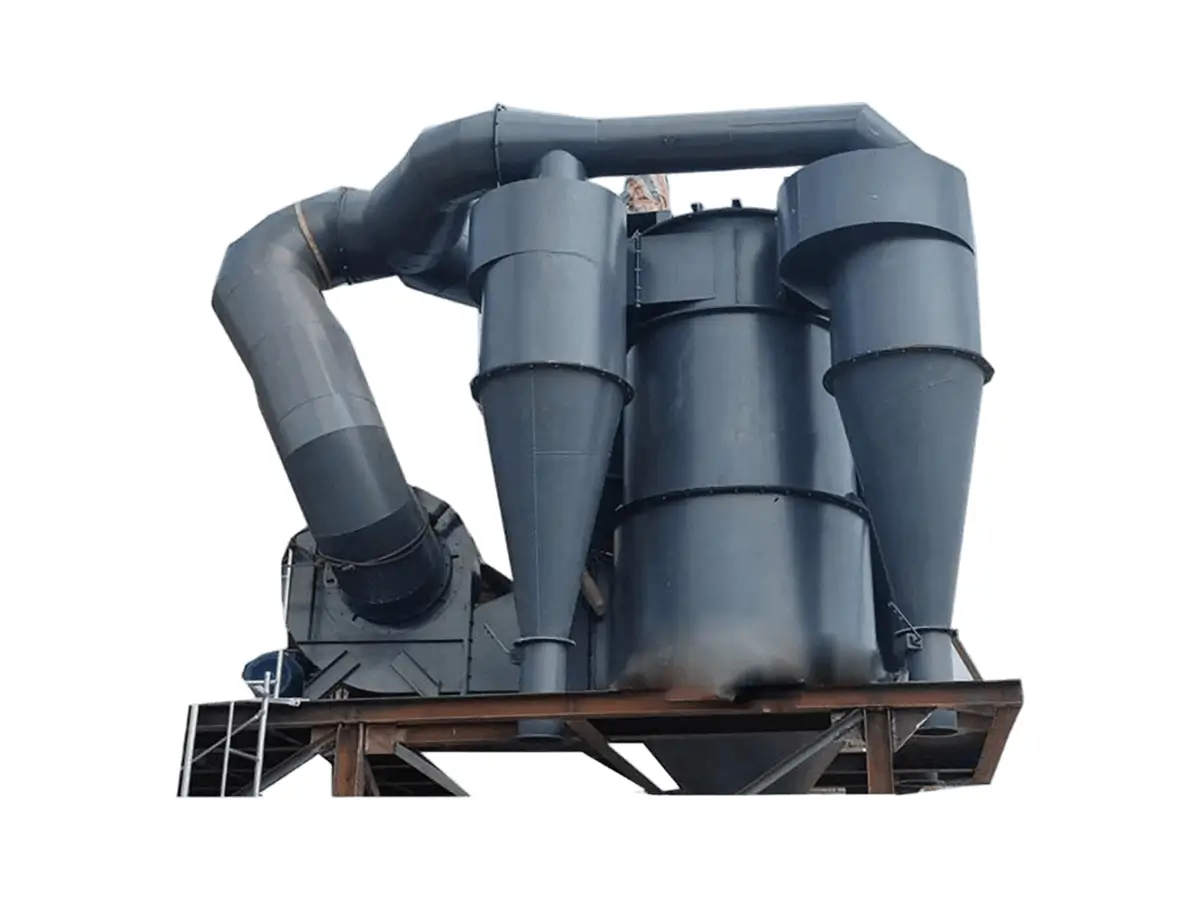
Hydrocyclone: Concentrates and classifies the fine sand through centrifugal force and then conveys it to the dewatering screen via a sand discharge nozzle.
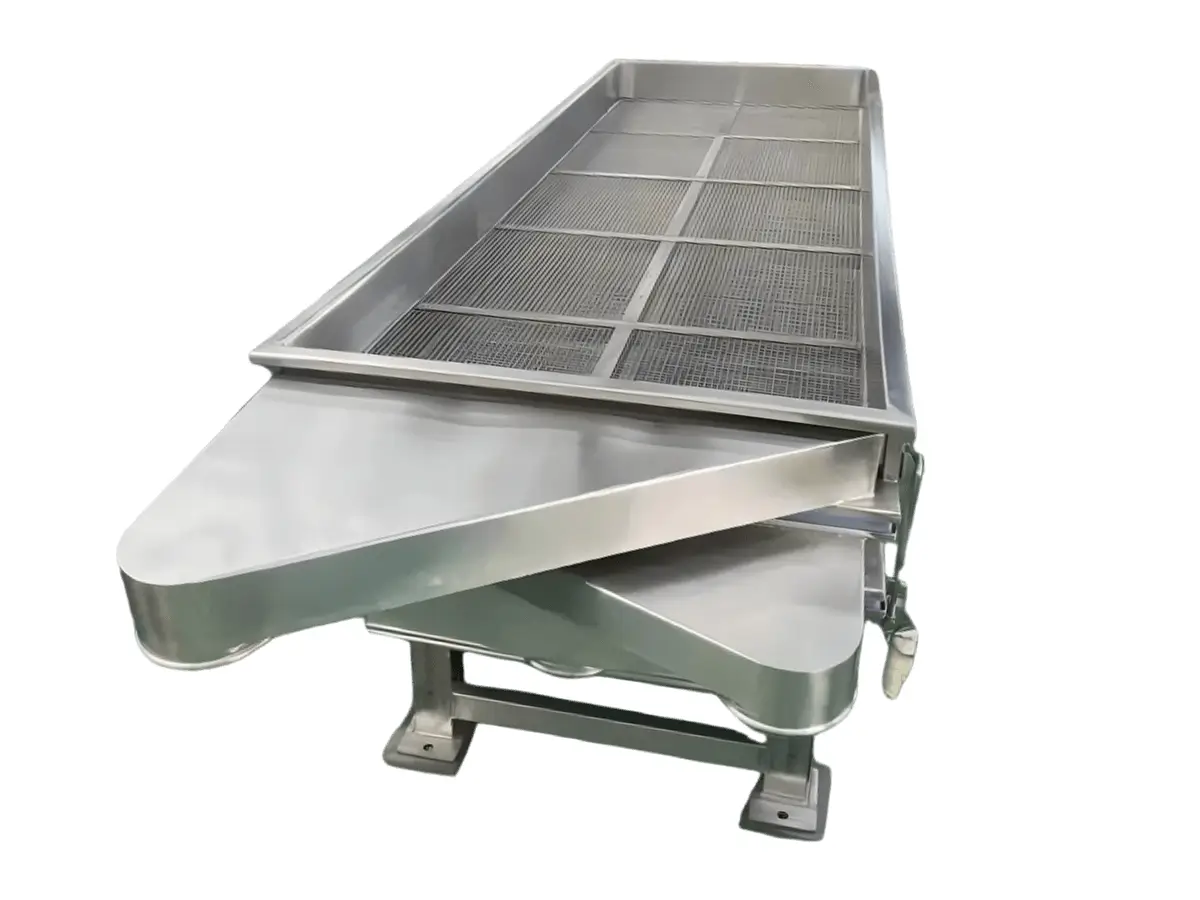
Dewatering Screen: Dewater the fine sand, achieving effective separation of fine sand and water.
Washing Tank: Used for buffering, storing, and mixing materials, preparing for fine sand recovery.
Return Tank: Returns small amounts of fine sand, mud, and other impurities to the washing tank for further processing.
These components work together to complete the washing, dewatering, and grading functions of the fine sand recovery machine.
Product Advantages
The vibrating screen uses polyurethane screen mesh, which has a longer service life than other types of screen mesh and is less prone to clogging.
The cyclone separator is lined with polyurethane, improving the overall service life of the machine and enabling smooth slurry concentration and liquid clarification.
The fine sand recovery system can recover fine particles from the total output, offering unparalleled technical and economic advantages compared to other equipment.
The full recovery of fine particles reduces labor and cleaning costs in sedimentation tanks.
The fine yarn recovery system shortens the natural accumulation time of fine materials, allowing for direct transportation to the market.
Supply solutions can be designed according to different user needs.