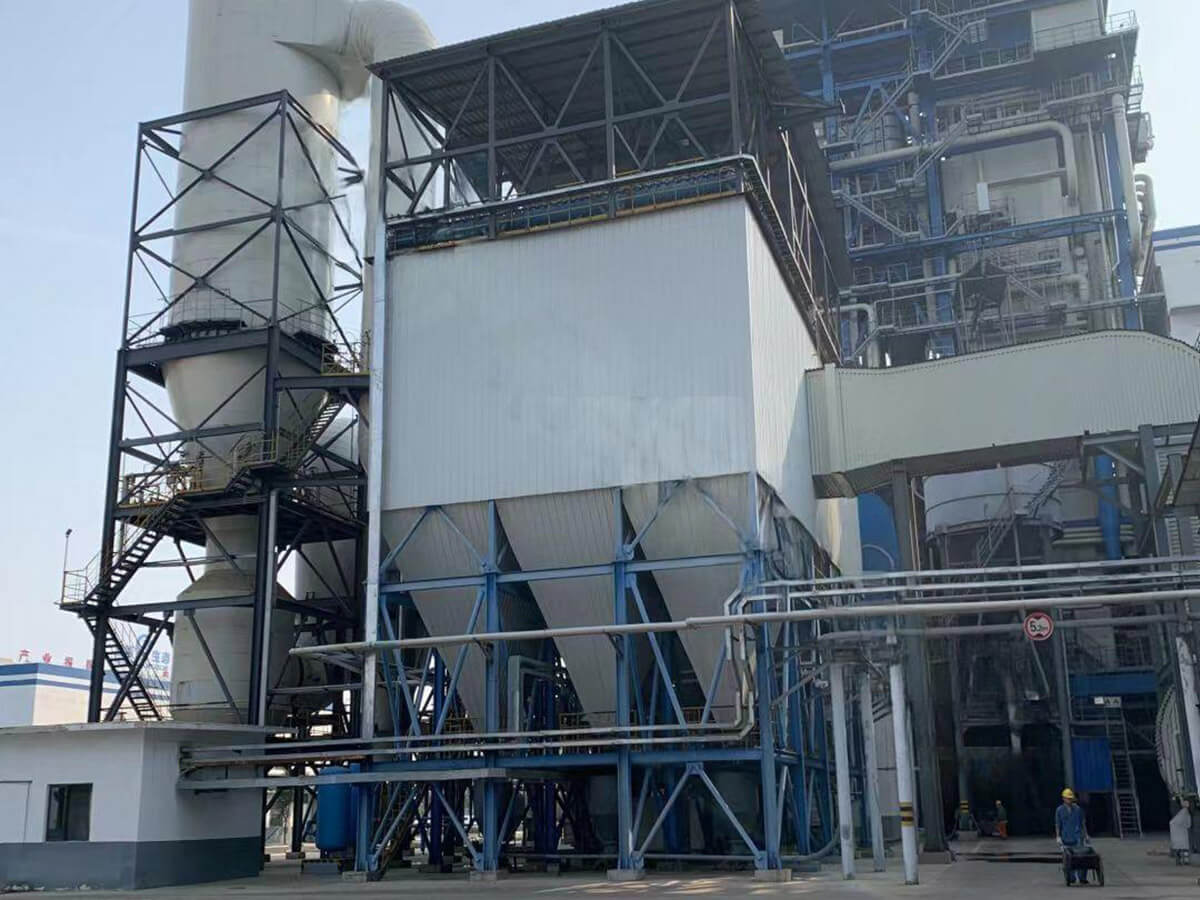
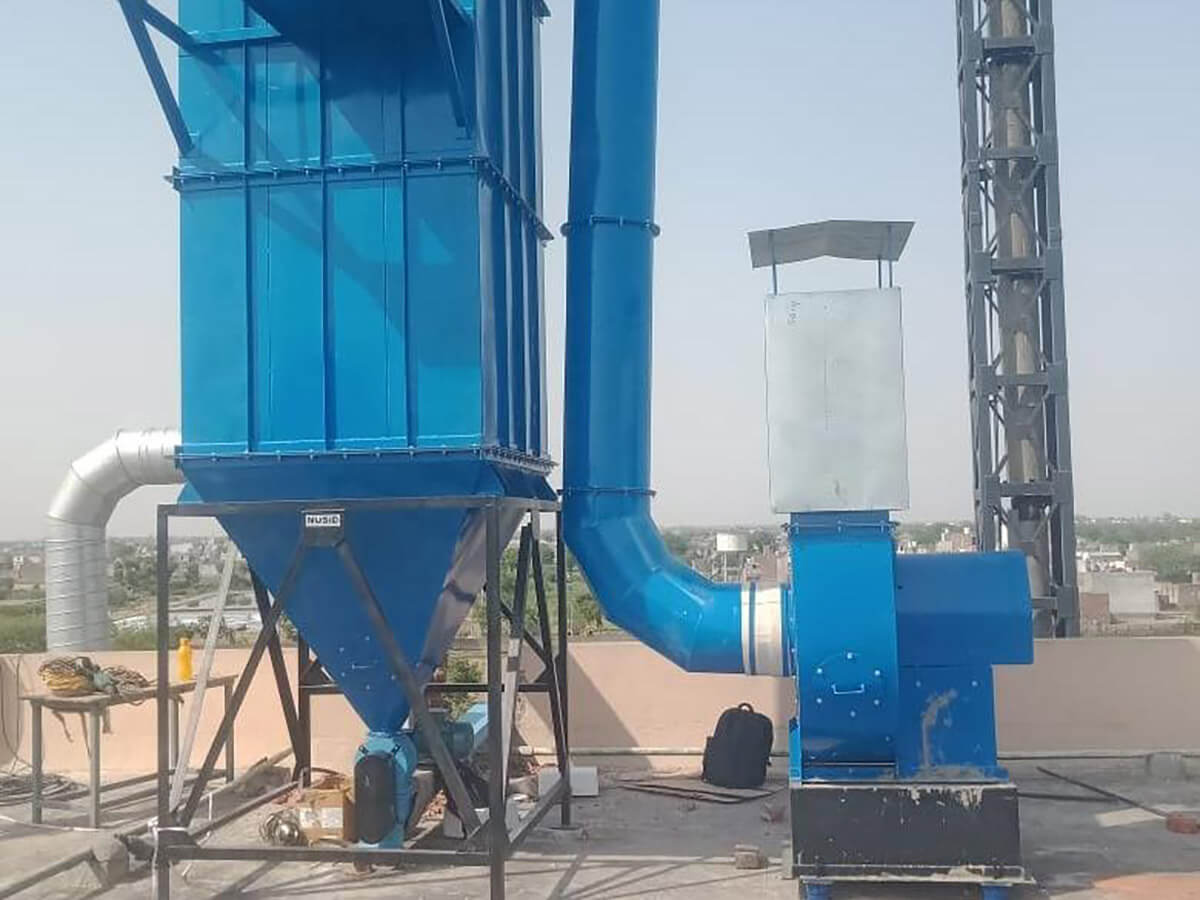
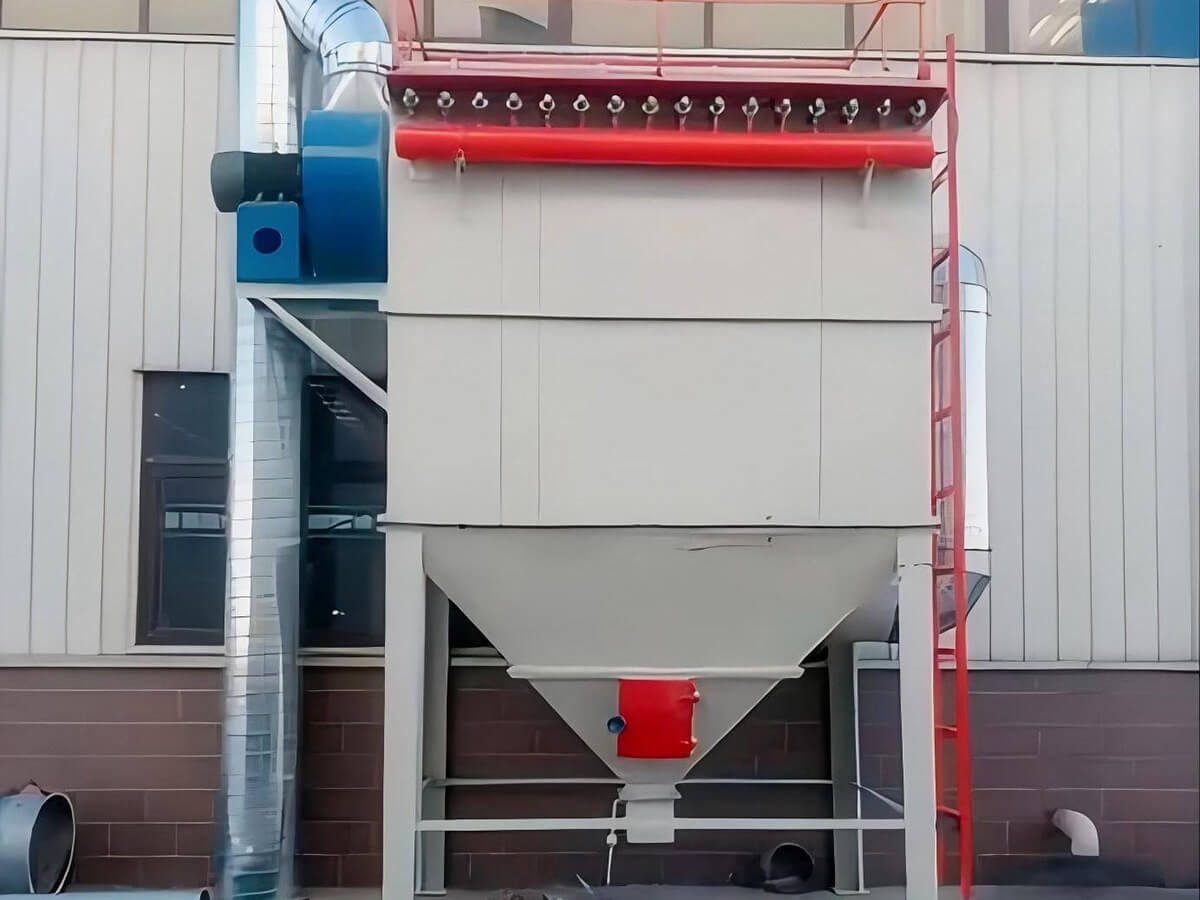

Pulse-jet baghouse dust collectors are a type of high-efficiency, intelligent industrial dust-control equipment widely used in industries such as power, metallurgy, chemicals, building materials, and food processing. They can effectively purify dust-laden gases, achieve ultra-low emissions, and ensure safe and environmentally compliant working environments.
Working Principle
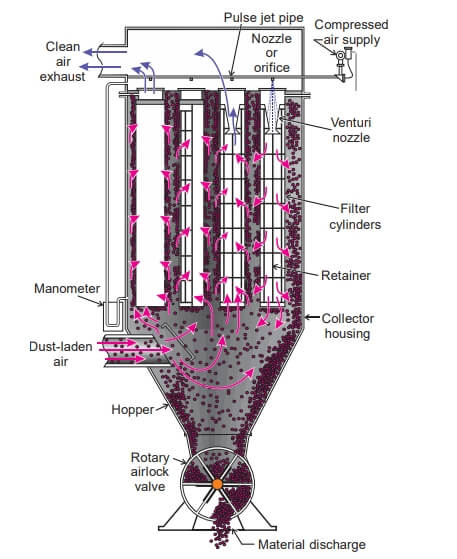
Pulse-jet baghouse dust collectors achieve gas-solid separation through the synergistic effect of pulse-jet cleaning technology and fiber filter media filtration:
- Dust-laden gas enters the middle chamber (filter chamber) evenly via a flow guide device and passes through the filter bags under negative pressure.
- Dust is trapped on the outer surface of the filter bags, while clean gas passes through the filter media into the upper chamber (clean air chamber) and is discharged by a fan.
- As dust accumulates, system resistance increases. When the pressure difference reaches a set value (typically 1200–1500 Pa), the PLC control system triggers the electromagnetic pulse valve.
- Compressed air (0.4–0.7 MPa) is injected instantaneously into the filter bags through the jet pipe, inducing a secondary airflow that generates a high-speed shock wave. This causes the filter bags to expand and vibrate rapidly, stripping away the dust layer and causing it to fall into the ash hopper.
- The cleaning process can be completed without shutting down the system, supporting online or offline cleaning modes to ensure continuous and efficient operation.
This technology achieves capture efficiency exceeding 99.9% for PM2.5 and smaller fine particles, and the emission concentration can be stably controlled below 10 mg/m³, meeting the national "Integrated Emission Standard for Air Pollutants" (GB16297-1996) and local ultra-low emission requirements.
Product Structure
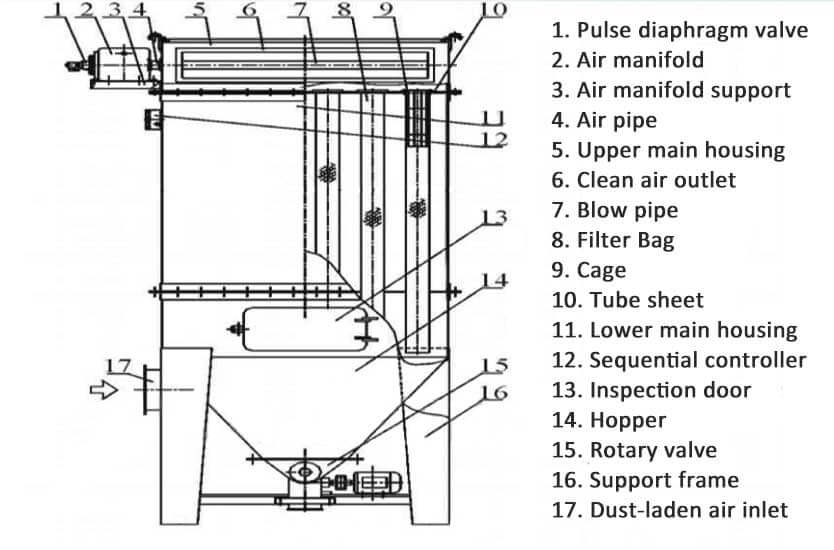
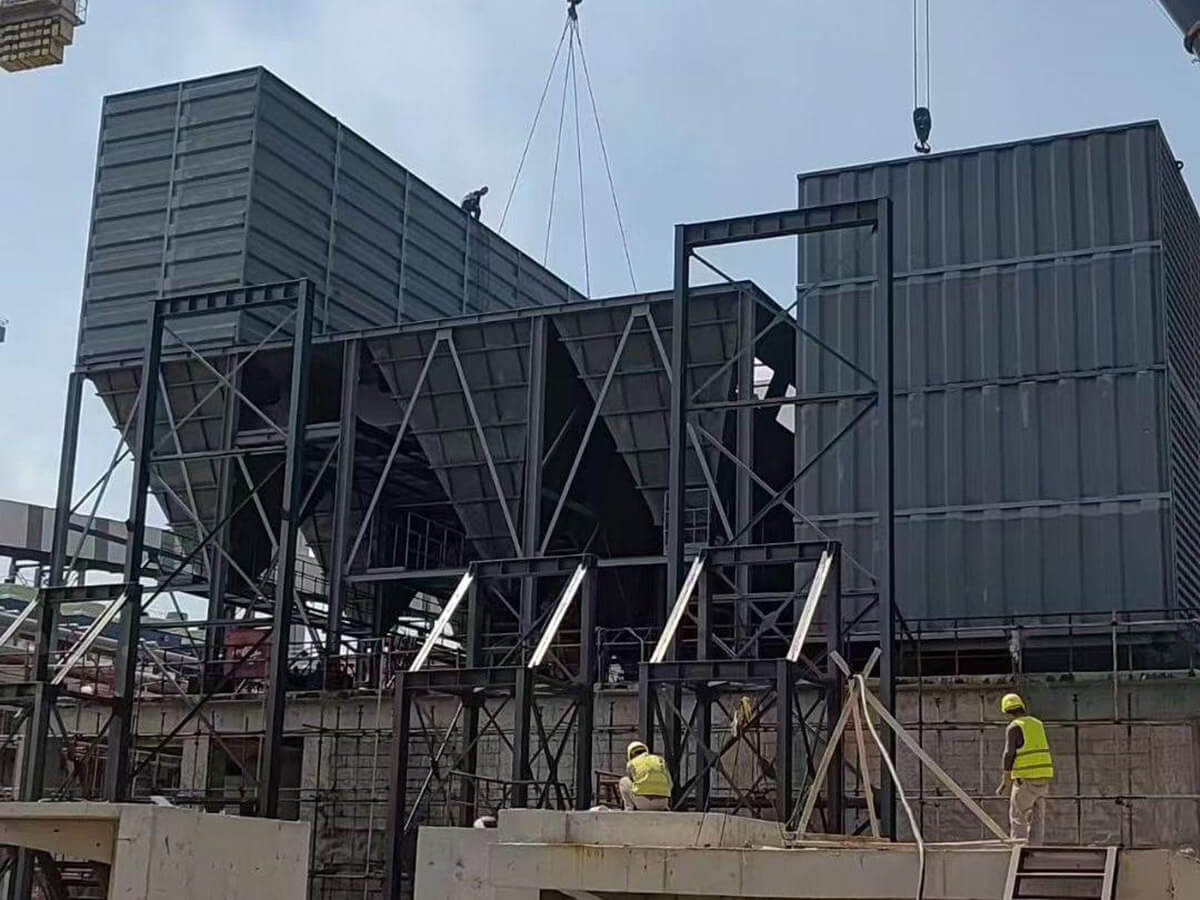
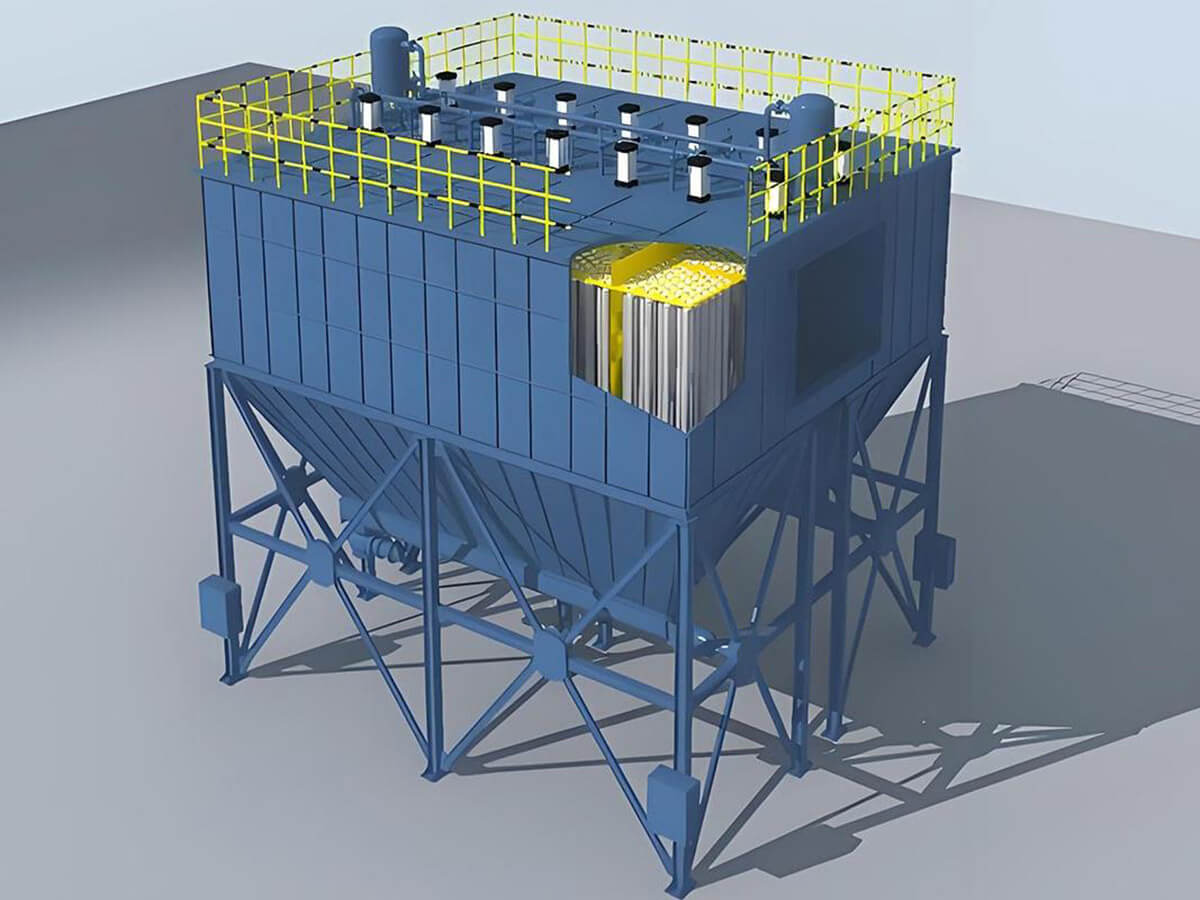
The pulse-jet baghouse dust collector adopts a modular design, mainly composed of five functional units:
-
Upper Chamber (Clean Air Chamber)
Contains the pulse jet pipes, pulse valves, air tank, and outlet; it is the core area for collecting and discharging purified gas. Some models are equipped with lift valves to support compartmentalized offline dust removal. -
Middle Chamber (Filter Chamber)
Vertically suspends hundreds to thousands of filter bags, forming a high-density filter array. The tube sheet's perforation tolerance is controlled to ±0.1mm to ensure sealing and installation accuracy. -
Lower Chamber (Dust Hopper)
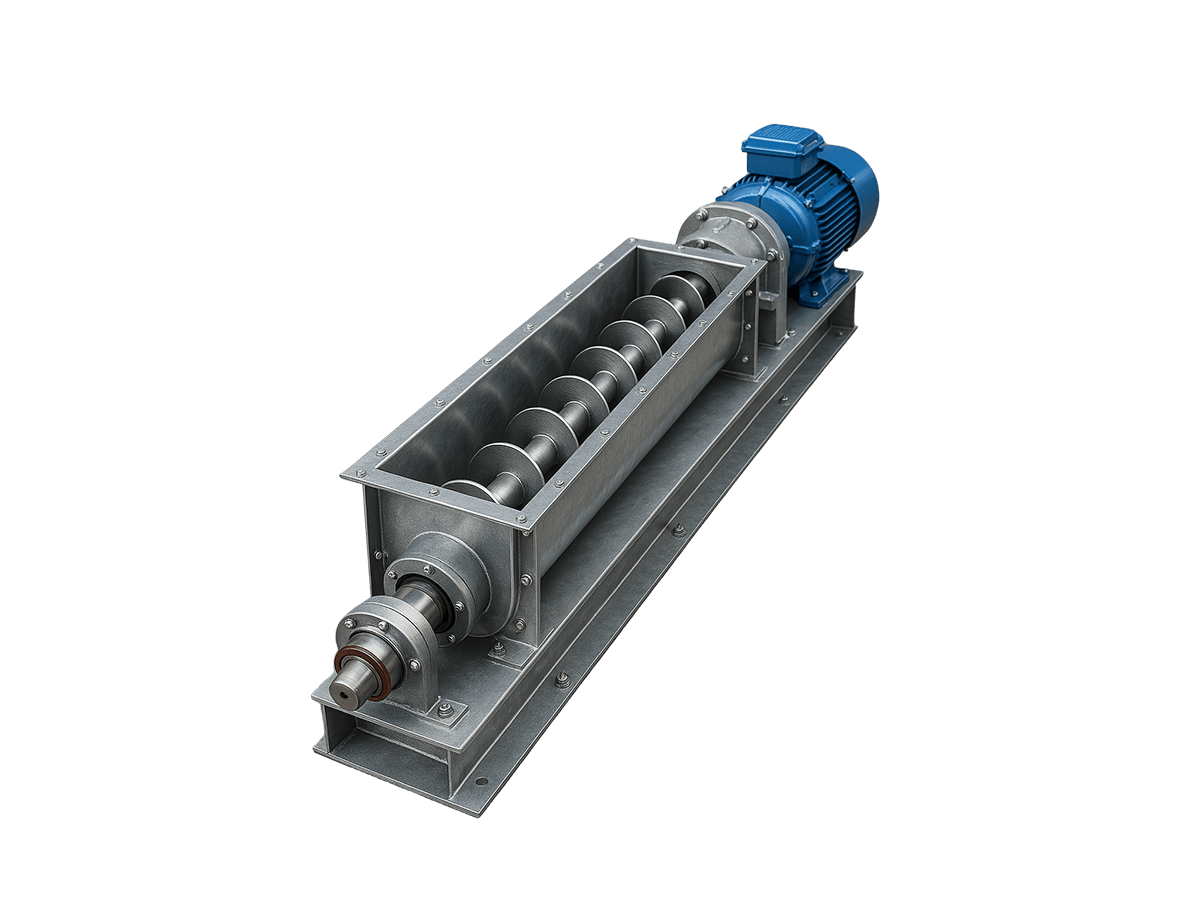
An inverted conical structure used to collect falling dust and equipped with a level gauge, heating device, and rotary valve or screw conveyor to prevent dust agglomeration and bridging, achieving continuous dust discharge. -
Dust Removal System
Comprising a pulse controller, electromagnetic pulse valves, an air tank, and pulse jet pipes, it automatically performs pulse cleaning according to a set pressure difference or time cycle, thereby avoiding excessive wear on the filter bags. -
Ash Removal Mechanism
This includes ash discharge valves, scraper/screw conveyors, and ash storage bins, which enable sealed dust discharge and prevent secondary dust generation.
The dust-discharge mechanism includes ash-discharge valves, scraper/screw conveyors, ash-storage bins, and other components to achieve sealed dust discharge and prevent secondary dust generation.
Product Advantages
-
High Dust Removal Efficiency
It achieves a dust-removal efficiency of over 99.9% for particles larger than 0.1 μm, making it particularly suitable for ultra-low-emission retrofitting in industries such as metallurgy and cement. -
Stable Operation and High Level of Intelligence
Using PLC-based automatic control, it adjusts the pulse-jet frequency and intensity based on parameters such as pressure difference and time, reducing energy consumption by more than 30%. -
Compact Structure and Small Footprint
Modular design optimizes space utilization, saving more than 30% of space compared with traditional dust collectors, making it suitable for retrofitting existing plants. -
Long Filter Bag Life and Low Maintenance Costs
Compartmental offline cleaning reduces filter bag fatigue. Combined with high-quality filter media, the lifespan can reach 3-5 years, with an annual failure rate of less than 0.5%. -
Strong Applicability, High Temperature, and Corrosion Resistance
It can withstand extreme conditions with dust concentrations ≤1000g/m³, supports an explosion-proof design, and is widely used in hazardous environments, such as blast furnace gas and kiln tail gas. -
Energy-saving and environmentally friendly, with significant comprehensive benefits
The system has low resistance (≤1500Pa), reducing fan energy consumption by 20%–30%. Some projects can recover up to 2 tons of metal dust annually, saving approximately 30,000 yuan in raw material costs.