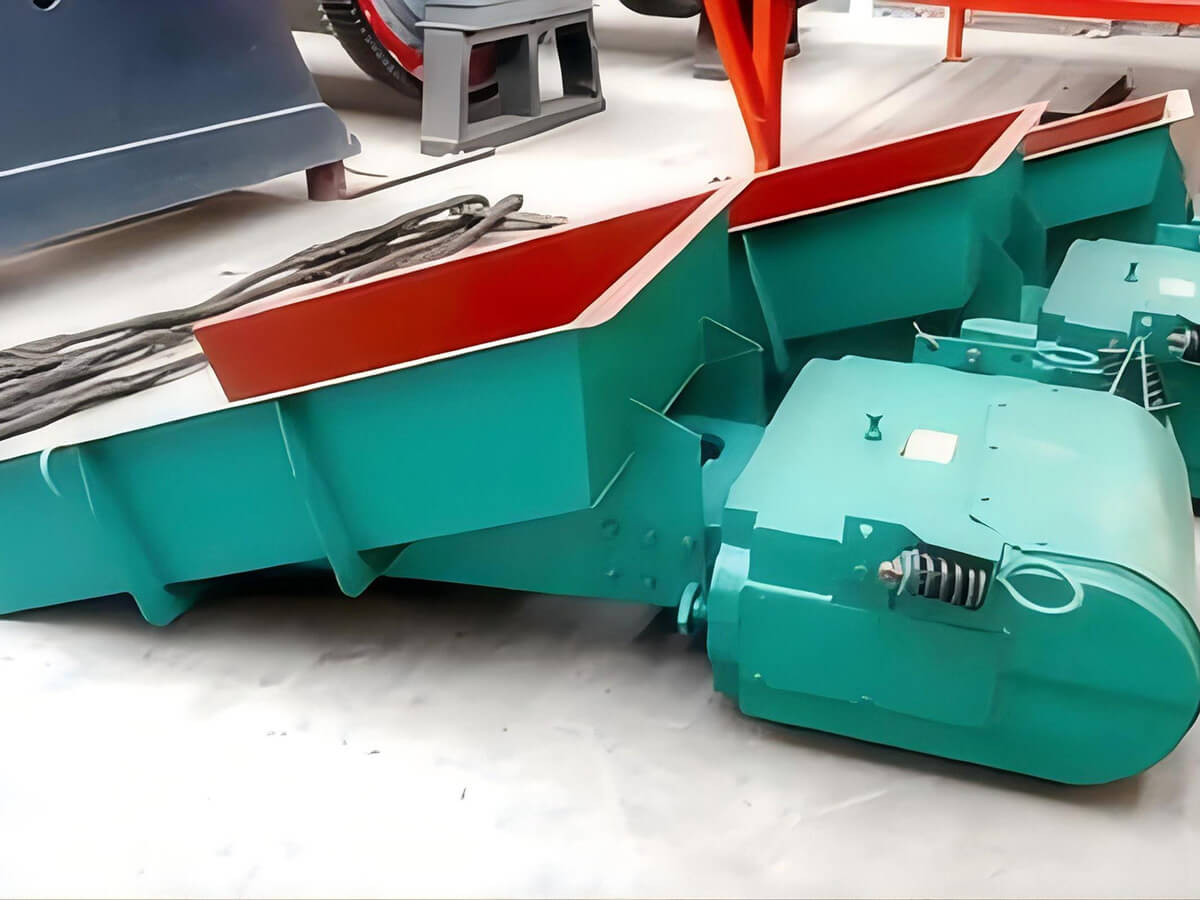
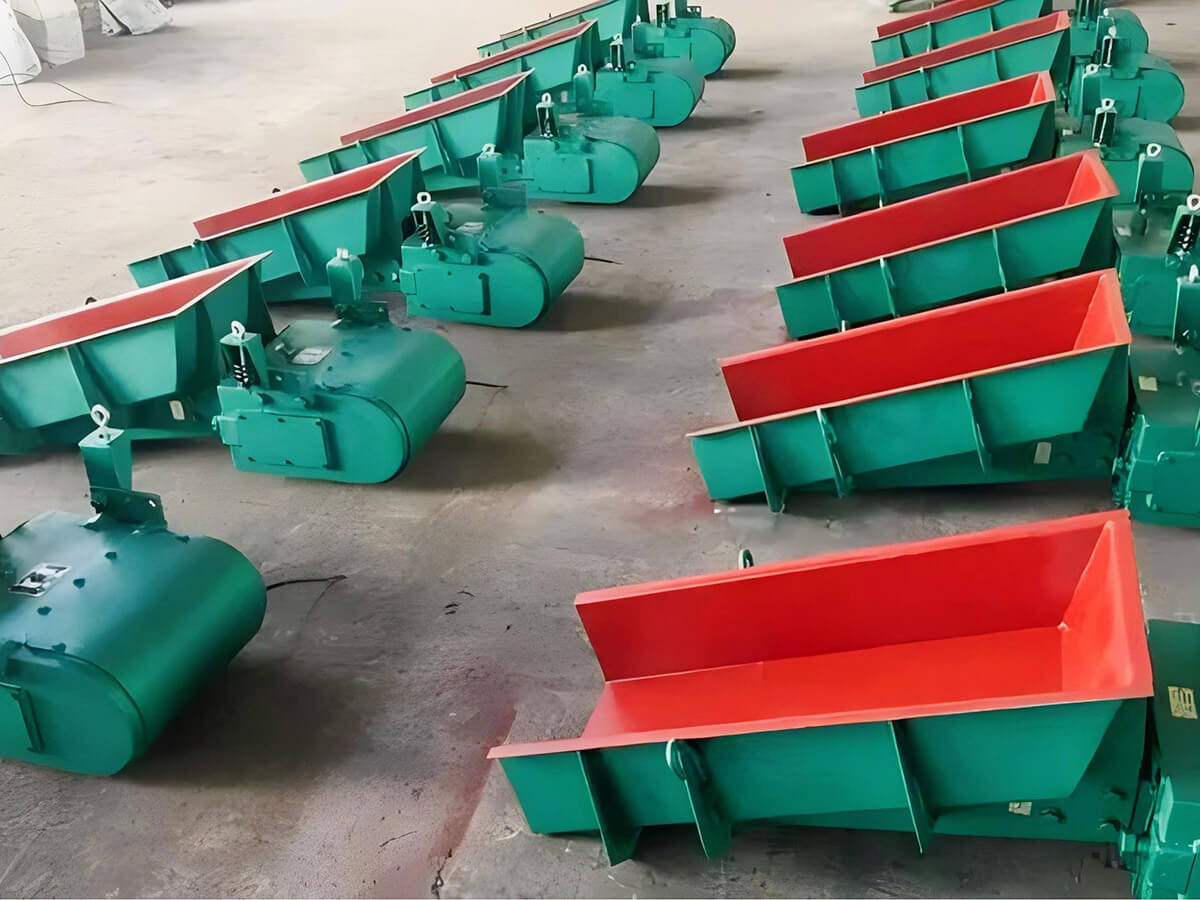
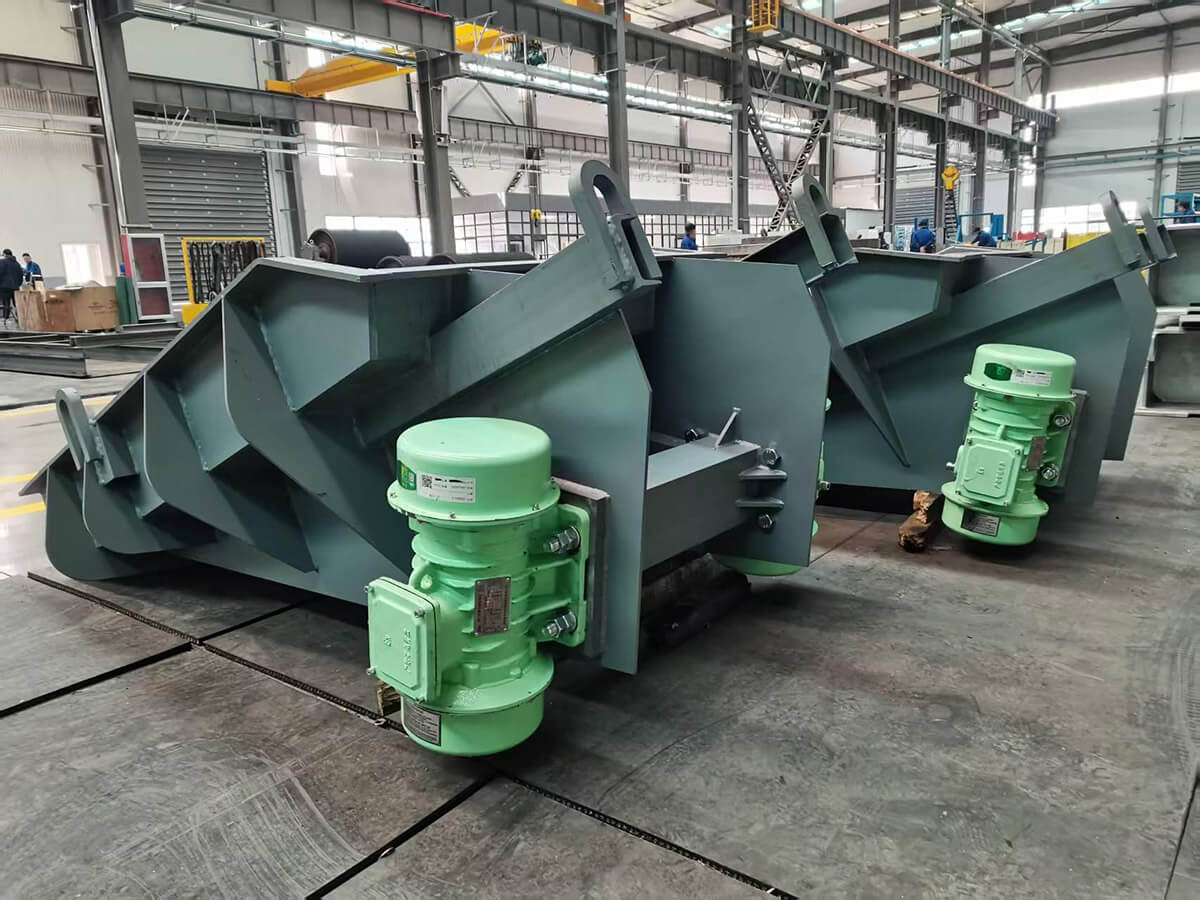
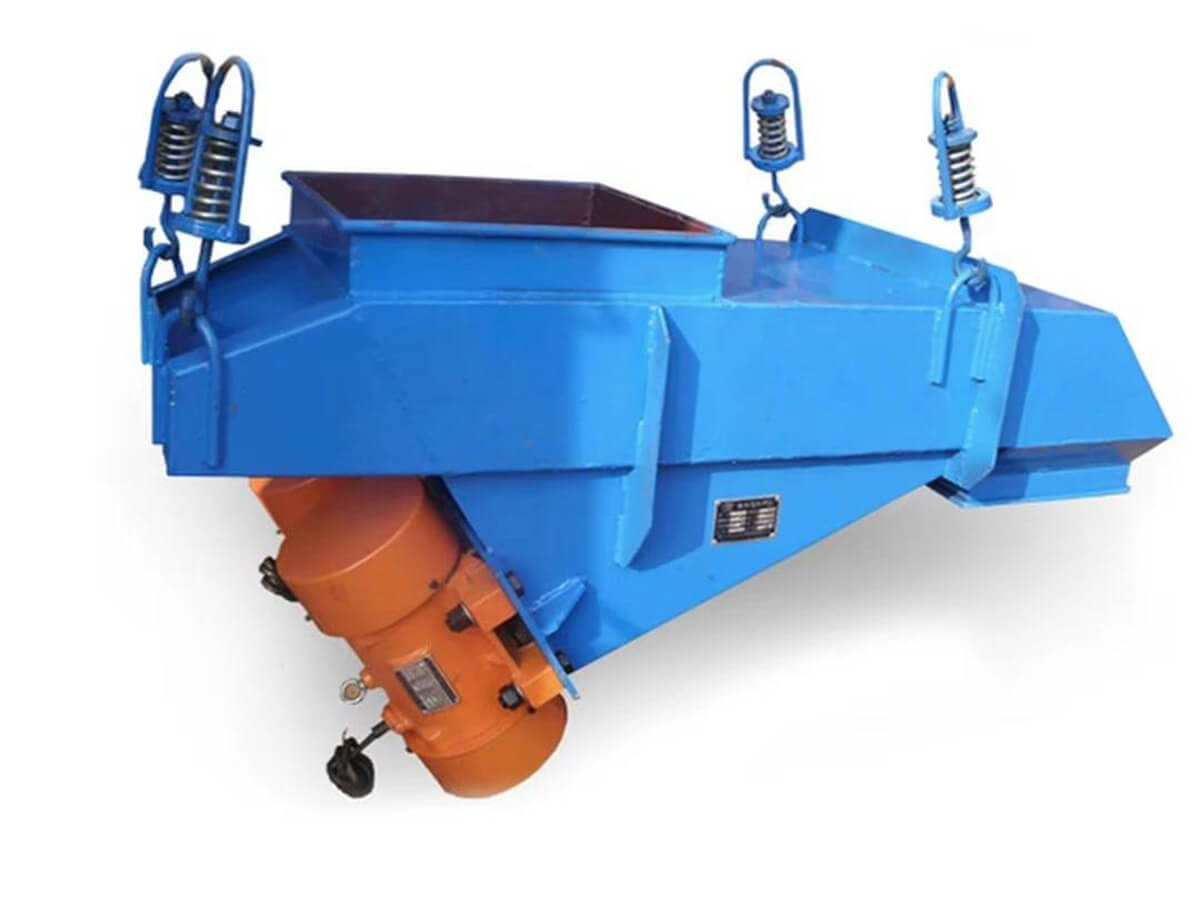
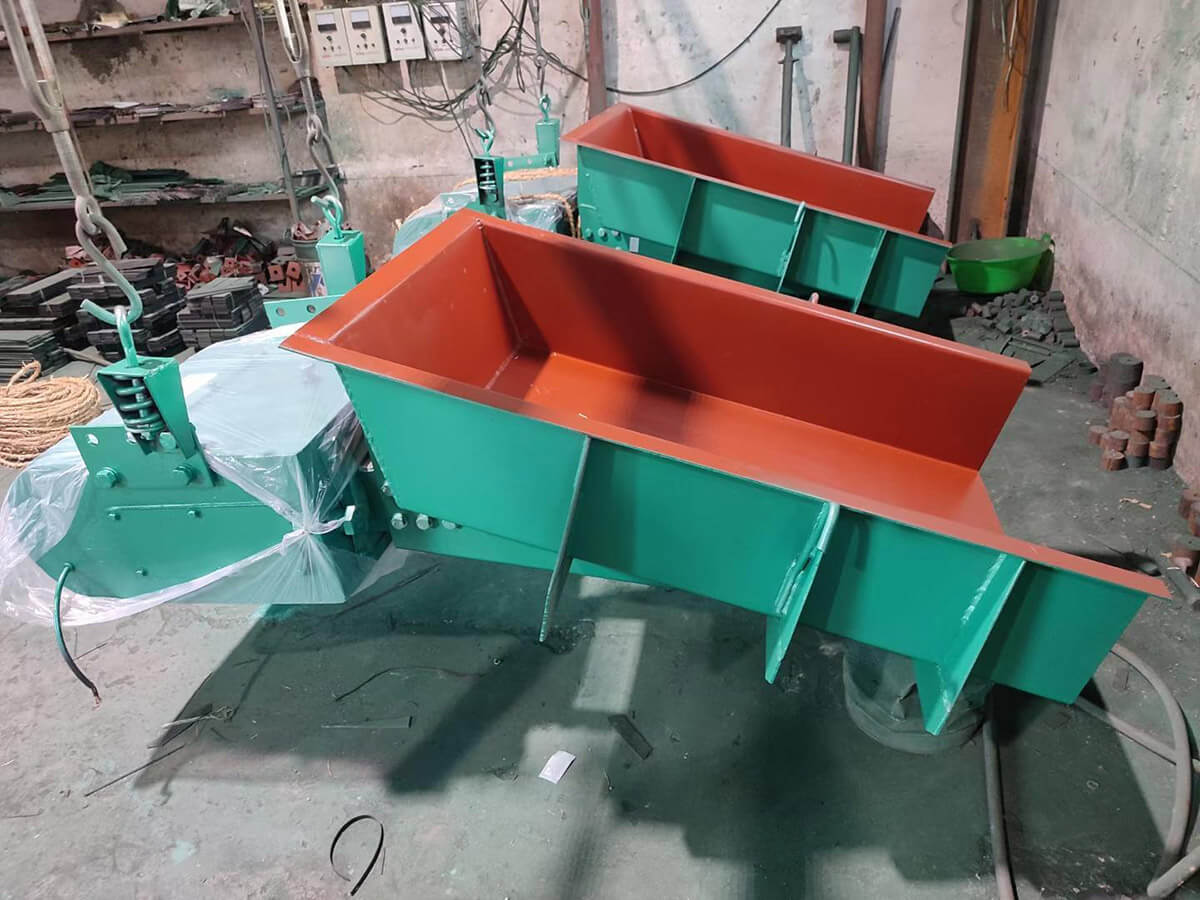

The GZ series electromagnetic vibratory feeder is a high-efficiency, energy-saving continuous or quantitative feeding device widely used in industries such as mining, metallurgy, coal, building materials, chemicals, power, and grain. It achieves uniform material conveying through electromagnetic vibration, making it particularly suitable for automatic batching, quantitative packaging, and automated production processes. It boasts advantages such as convenient adjustment, stable operation, and low maintenance costs.
Working Principle
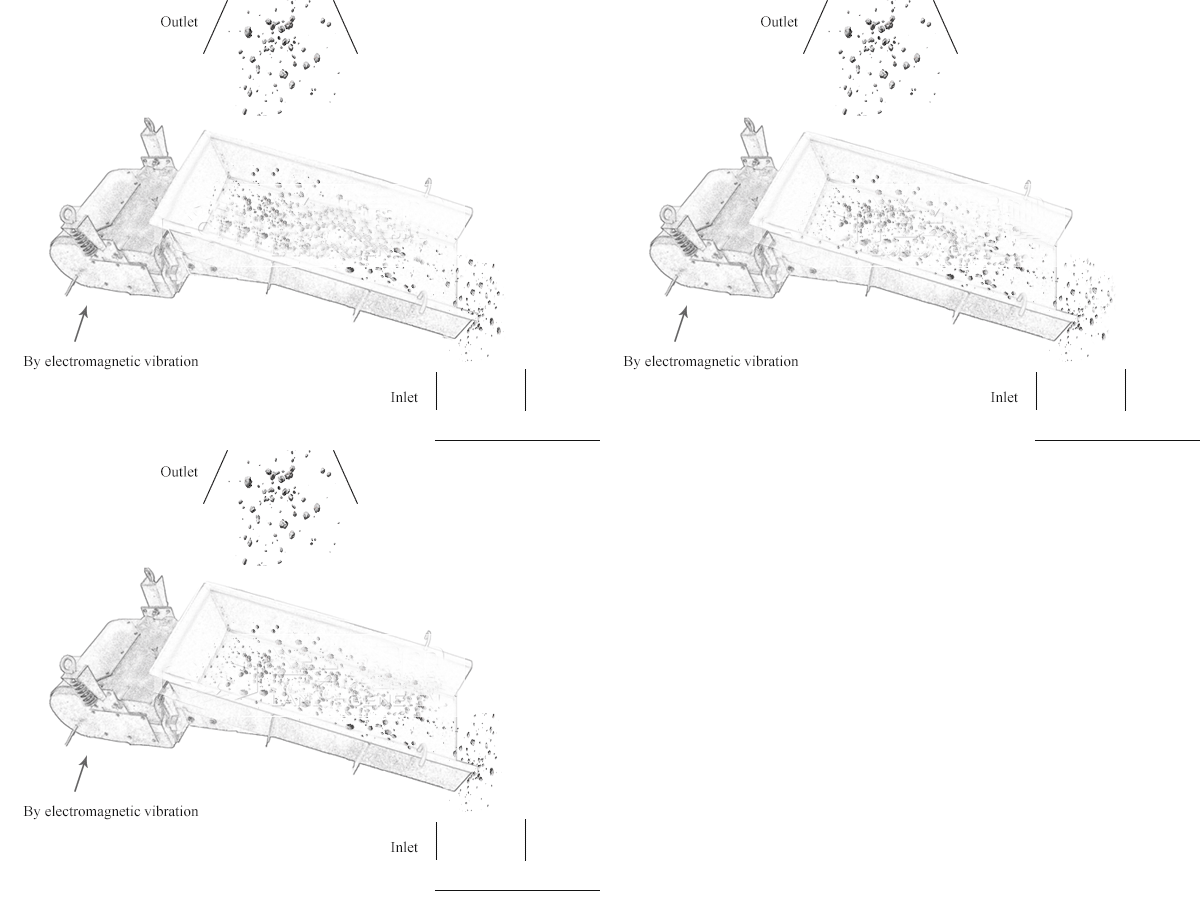
The GZ series electromagnetic vibrating feeder is based on the resonance principle of mechanical vibration, employing a dual-mass operation in a low-critical near-resonance state. Its core component is the electromagnetic vibrator: when a pulsating current, rectified by a half-wave rectifier, is applied to the coil, electromagnetic attraction is generated during the positive half-cycle, causing the trough to move backward and storing energy in the main spring; during the negative half-cycle, the current disappears, the spring releases energy, and the trough moves forward. This cycle repeats, causing the trough to vibrate directionally at the AC power frequency (typically 3000 times/minute).
Because there is a certain angle between the trough bottom plane and the line of action of the excitation force, the material is continuously thrown up within the trough and moves forward in a jumping motion along a parabolic trajectory, achieving stable and continuous conveying. By adjusting the conduction angle of the thyristor, the feed rate can be steplessly adjusted to meet the needs of different working conditions.
Product Structure
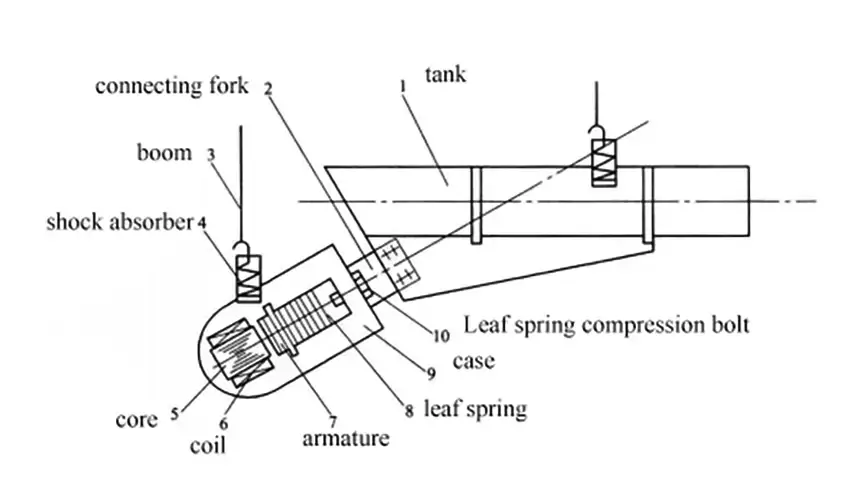
The GZ series electromagnetic vibratory feeder mainly consists of the following parts:
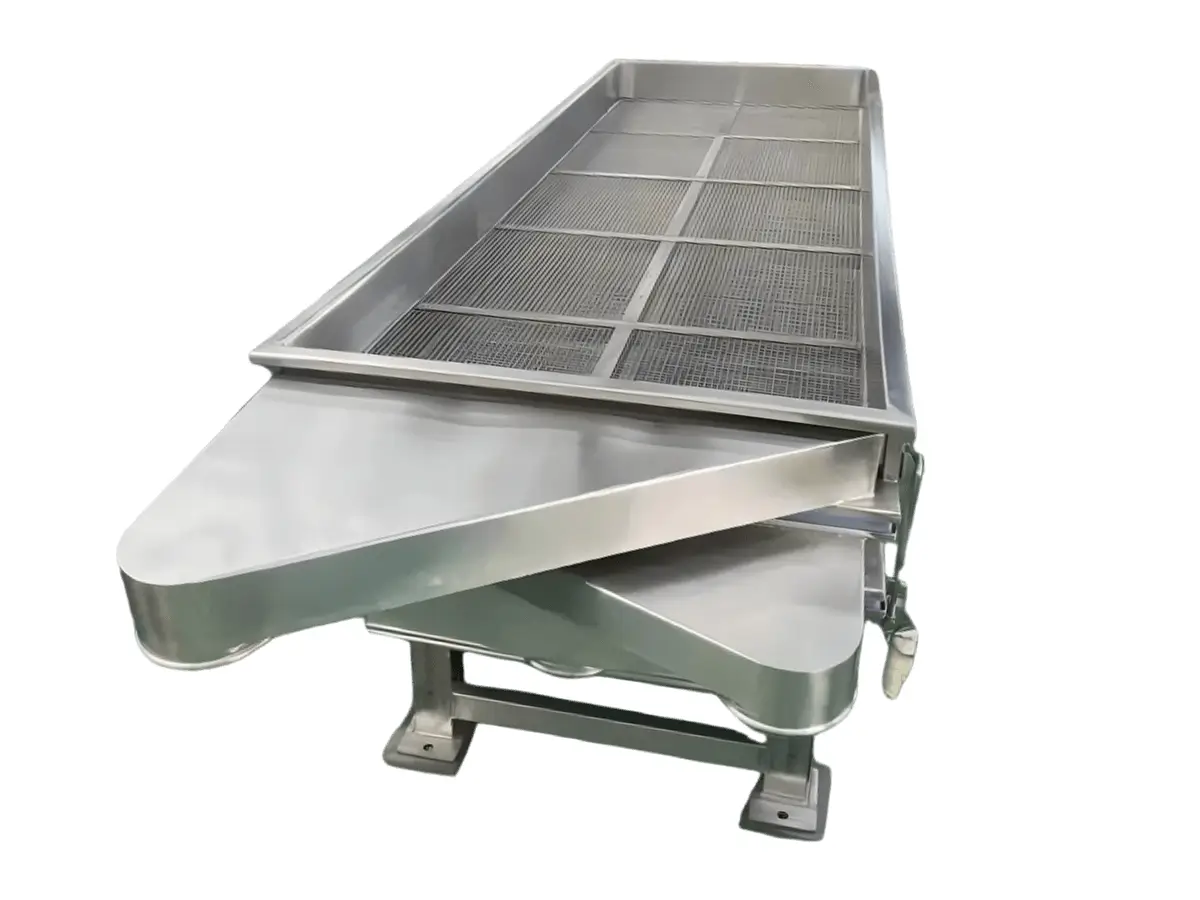
- Feed trough: Used to carry and convey materials. It can be open or closed, and the material can be selected from wear-resistant steel plates depending on the working conditions.
- Electromagnetic vibrator: The core component, including the iron core, coil, armature, and main spring system, which generates directional vibration.
- Vibration damper: Usually a rubber spring or metal coil spring, used to isolate vibration and reduce impact on the foundation.
- Control box: Equipped with a thyristor half-wave rectifier circuit, supporting manual or automatic control, and can be connected to a PLC for centralized management.
- Suspension or pedestal support device: Depending on the installation requirements, either a suspended or pedestal installation can be selected to ensure free vibration of the equipment.
Product Advantages
-
Small size, light weight, and simple structure
No rotating parts, no lubrication required, easy installation and maintenance, and low operating costs. -
Low energy consumption and high efficiency
Operates using the principle of resonance, with low-frequency vibration of the two-mass system, resulting in low power consumption; power is generally between 0.15–3kW. -
High feeding accuracy and convenient adjustment
Can be started, stopped, or have its flow rate changed instantaneously. With a control box, stepless speed regulation is achieved, providing high precision in feeding control, suitable for automatic batching systems. -
Low wear and long service life
The material undergoes a micro-ballistic motion, resulting in short contact time with the trough and low friction, leading to less wear on the trough, especially suitable for conveying high-temperature and corrosive materials. -
Good sealing and strong environmental friendliness
A closed structure is available to prevent dust leakage, suitable for applications with high environmental requirements. -
Smooth operation and low noise
Operating noise is generally below 80dB(A), improving the working environment.