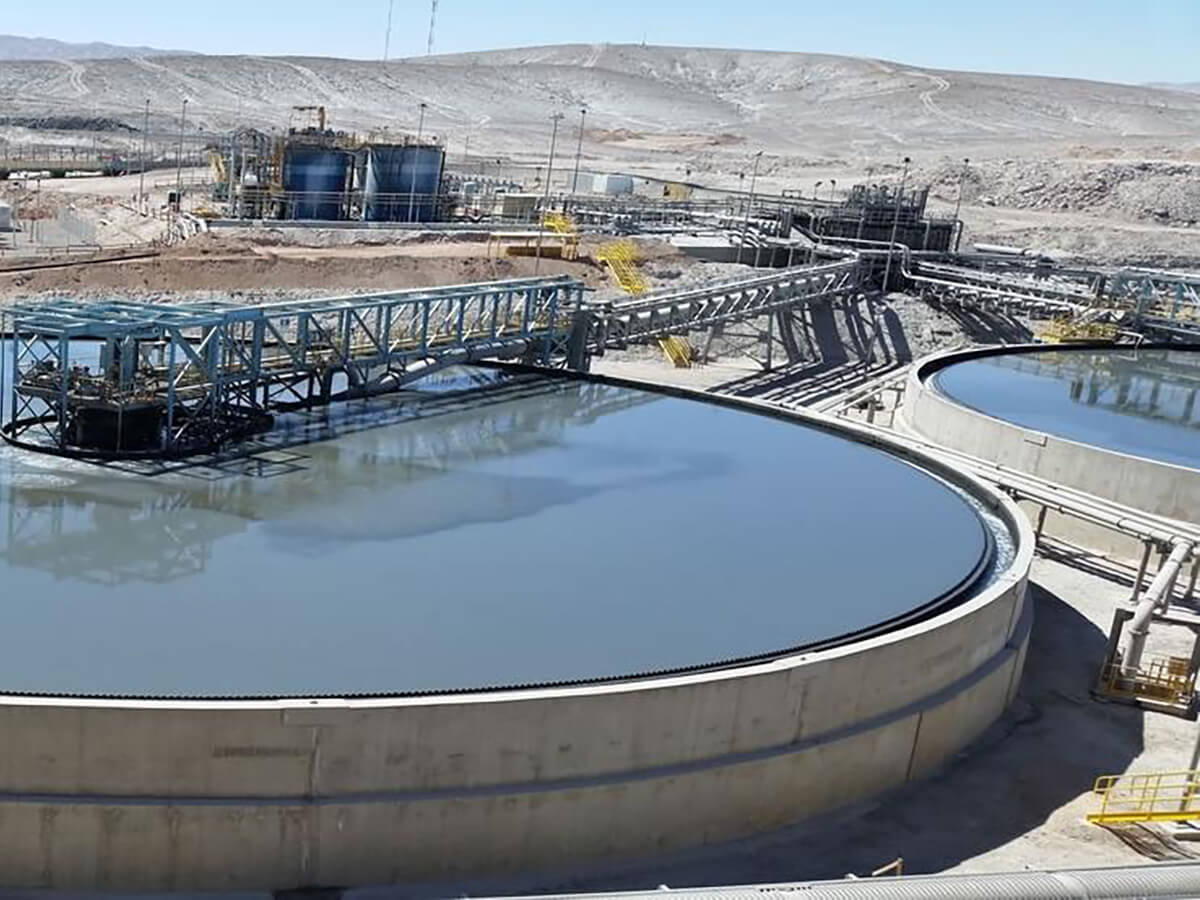
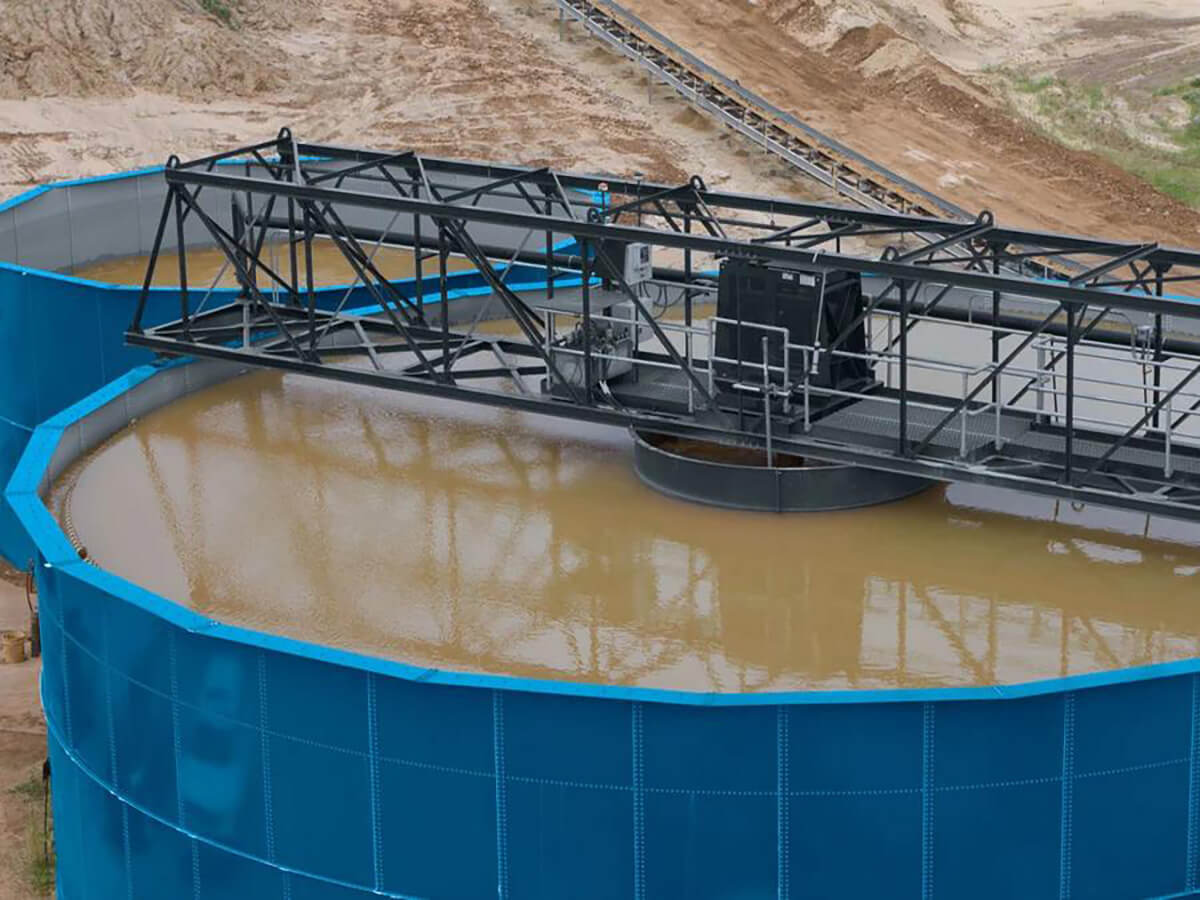

High-efficiency thickeners are solid-liquid separation devices widely used in industries such as mining, metallurgy, chemical, coal, and environmental protection. They are mainly used for dewatering materials such as concentrates, tailings, coal slurry, wastewater, and waste residue. Compared with traditional thickeners, they have a stronger processing capacity, a smaller footprint, and a higher degree of automation, making them one of the key pieces of equipment for resource recovery and environmental protection in modern industry.
Working Principle
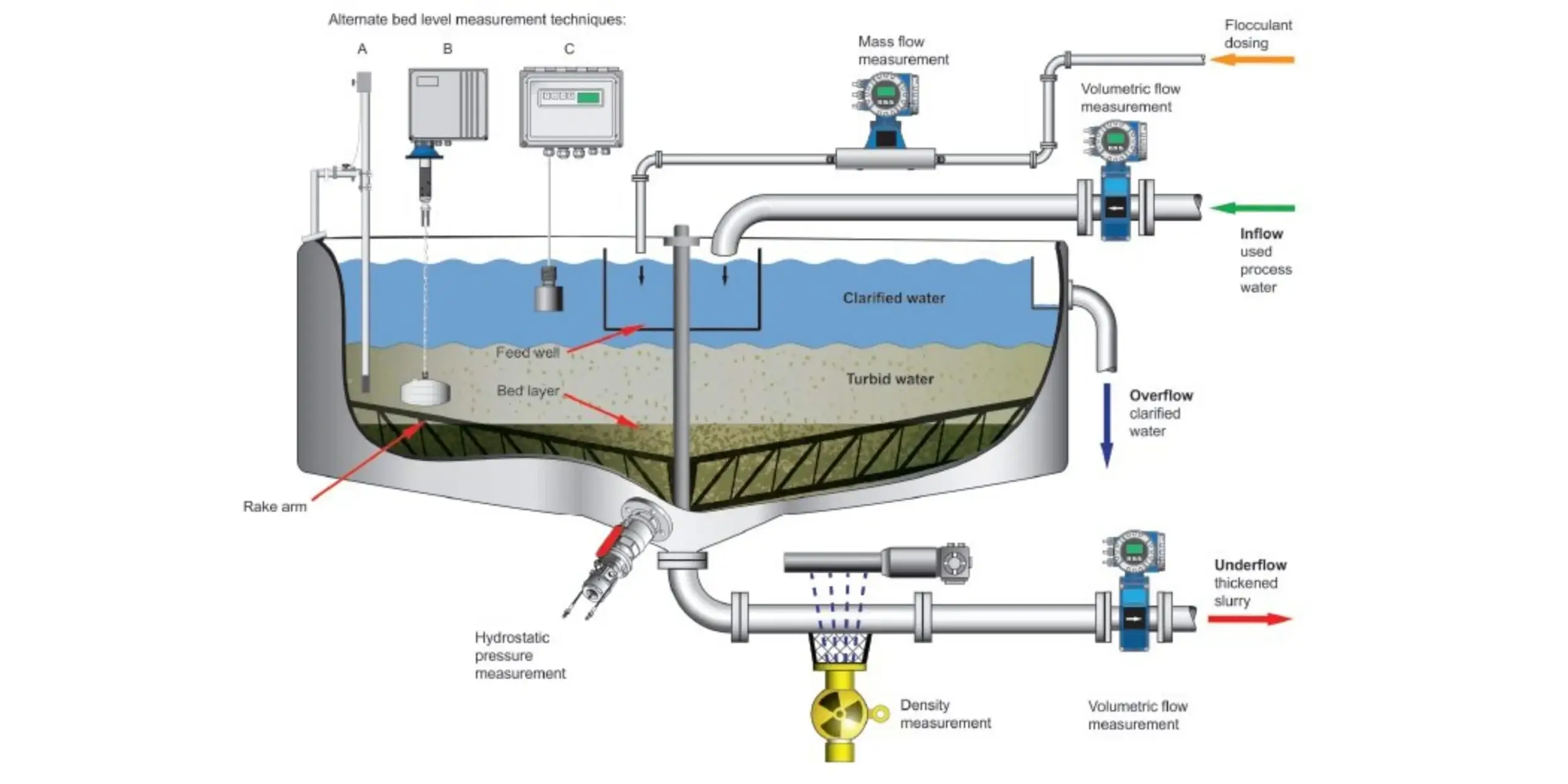
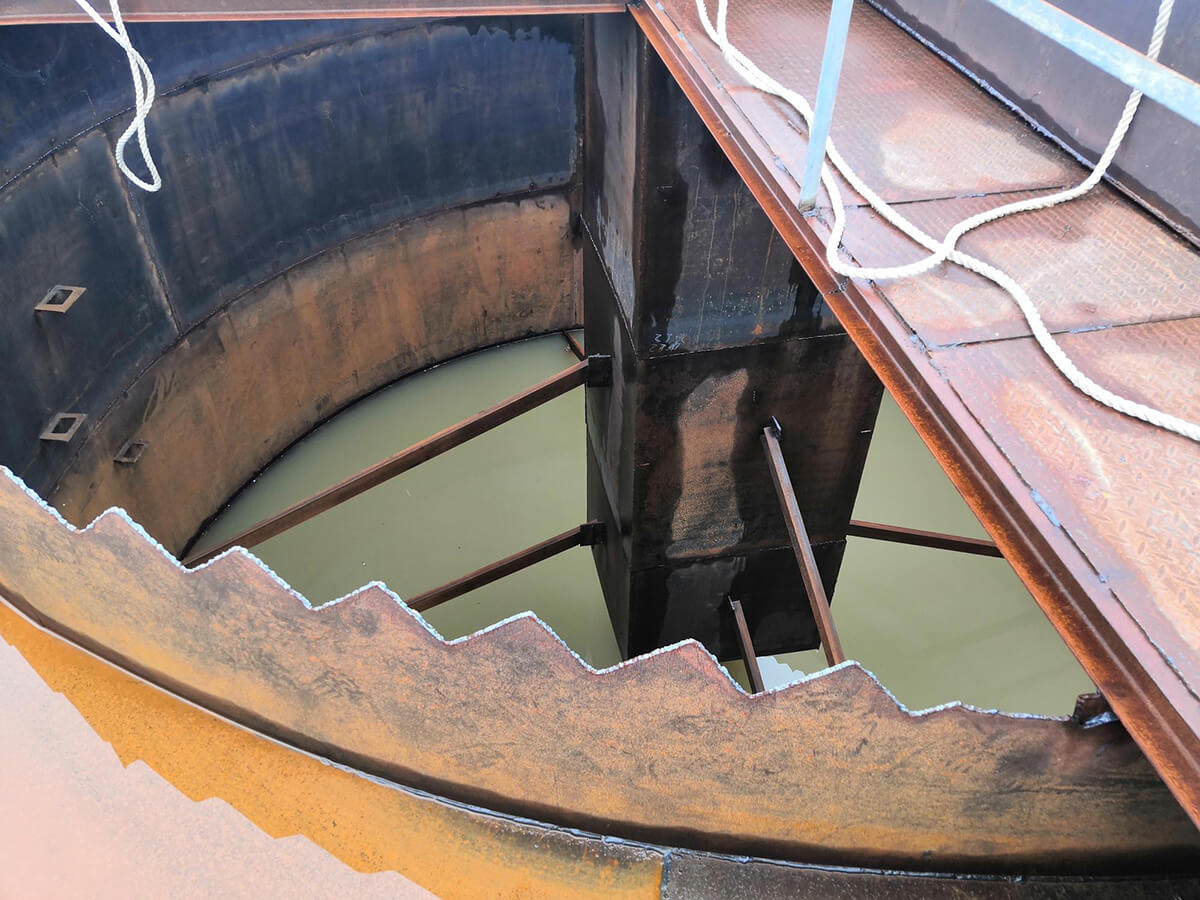
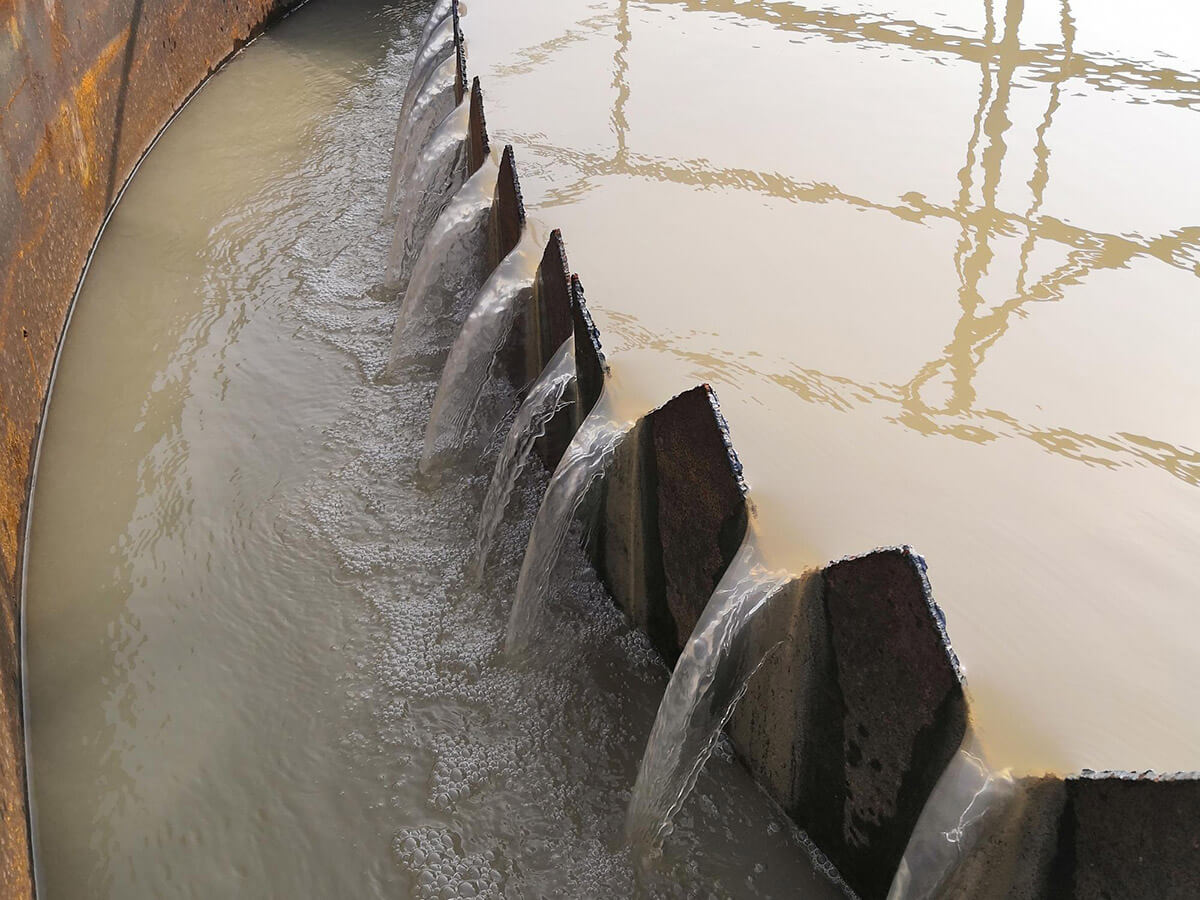
The core principle of a high-efficiency thickener is the combination of gravity settling and flocculation technology. An appropriate amount of flocculant is added to the slurry to be treated, causing fine particles to aggregate into large, dense flocs, significantly accelerating the settling speed. The slurry enters the thickening tank deep through the central feed cylinder, where it diffuses horizontally under the action of a flow stabilizing device (such as a refractive plate), reducing disturbance, and enters the already formed high-concentration sludge layer (i.e., the "sludge bed"). This layer acts as a filter, further intercepting fine particles. Clarified water is discharged from the upper overflow weir, while the concentrated underflow is collected by a sludge scraper and discharged through the central discharge port.
Some models are also equipped with a deaeration tank to pre-remove air bubbles from the slurry, preventing air bubbles from adhering to particles and affecting the settling effect.
Product Structure
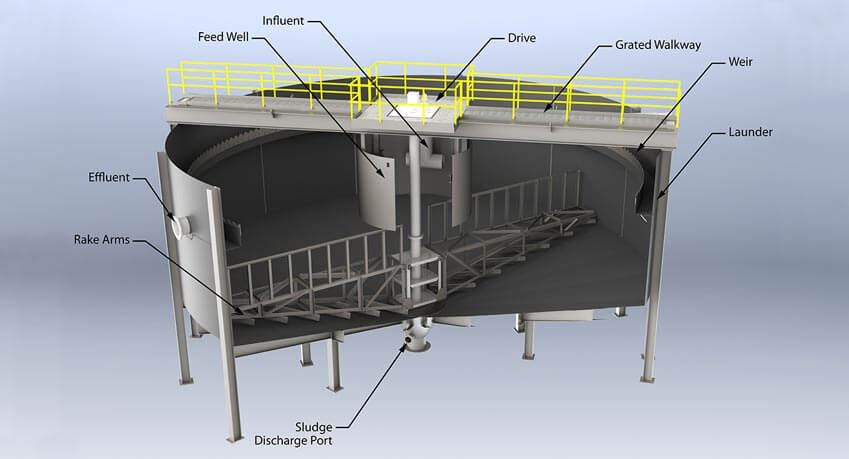
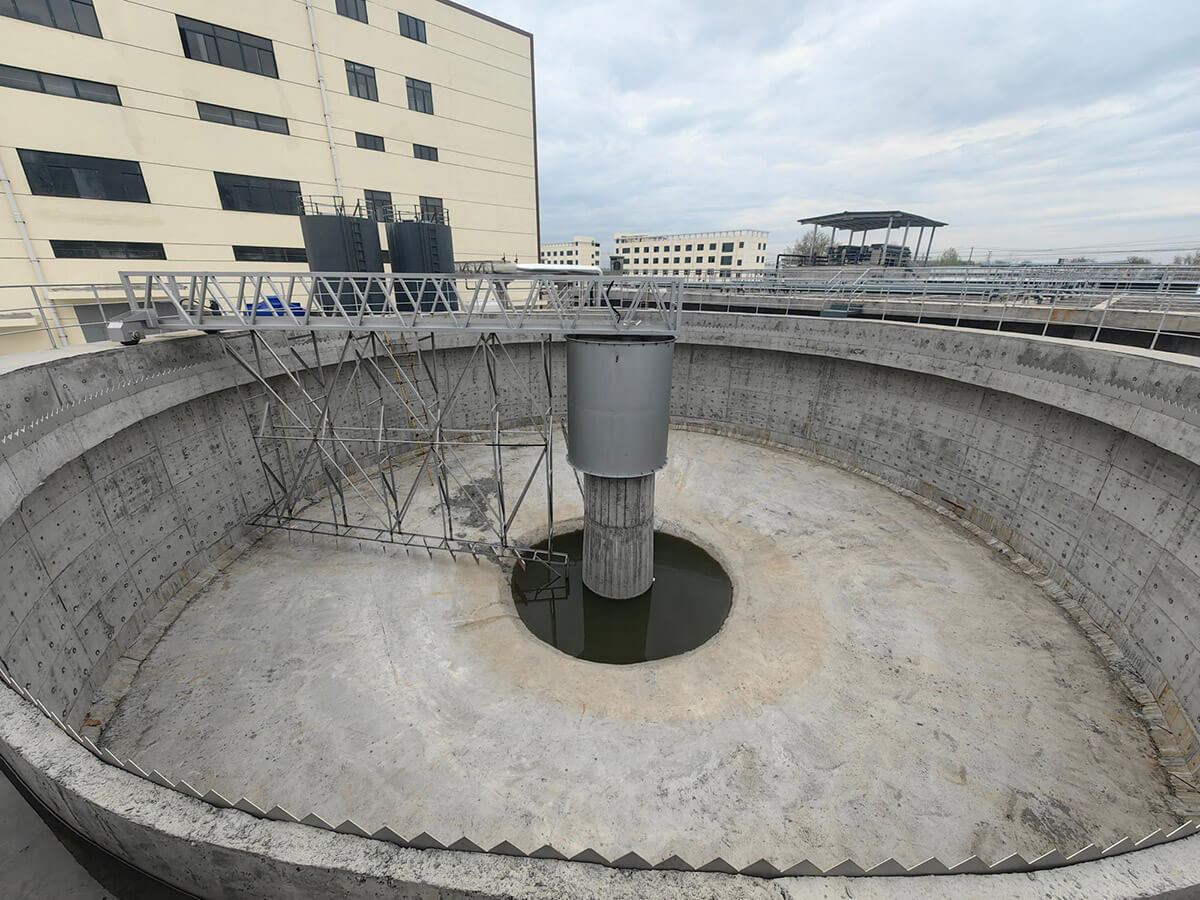
The high-efficiency thickener mainly consists of the following parts:
- Thickening Tank: A circular tank with a gently conical or deep conical bottom for material settling.
- Feeding Device: Includes a central feed cylinder, defoamer, and static mixer, enabling deep and stable feeding.
- Flocculation System: Automatically adds flocculant and ensures uniform dispersion through the static mixer.
- Drive and Sludge Scraping System: A motor-driven rake frame slowly rotates, scraping the settled material towards the central discharge port.
- Rake Lifting Device: A hydraulic or mechanical automatic lifting system to prevent overload and rake compression.
- Automatic Control System: A PLC controls reagent addition, underflow concentration, overflow quality, and fault alarms, supporting remote monitoring.
Product Advantages
- High efficiency and energy saving: Processing capacity per unit area is 3–8 times that of ordinary thickeners, and can even reach more than 20 times.
- High underflow concentration: Reaching 30%–70%, with some deep cone models exceeding 800 g/L.
- Small footprint: Utilizing a vertical structure and shallow pool principle, it occupies only 1/9–1/4 the space of ordinary equipment.
- Good overflow water quality: Suspended solids content can be below 500 mg/L, meeting reuse standards.
- High degree of automation: Equipped with an intelligent control system, reducing manual intervention and ensuring stable and reliable operation.
- Strong adaptability: Capable of handling complex conditions such as high sludge content, fine particle size, and chemical interference.