
The trough-type ore washing machine is a key piece of ore washing equipment widely used in mining, sand and gravel plants, metallurgy, building materials, and other industries. It is mainly used to remove mud, clay, and impurities from ore, improve ore cleanliness, and ensure the stable operation of subsequent crushing, screening, and beneficiation operations. It is particularly suitable for difficult-to-wash ores with high mud content and high viscosity, and is one of the mainstream choices for processing medium-sized muddy materials.
Working Principle
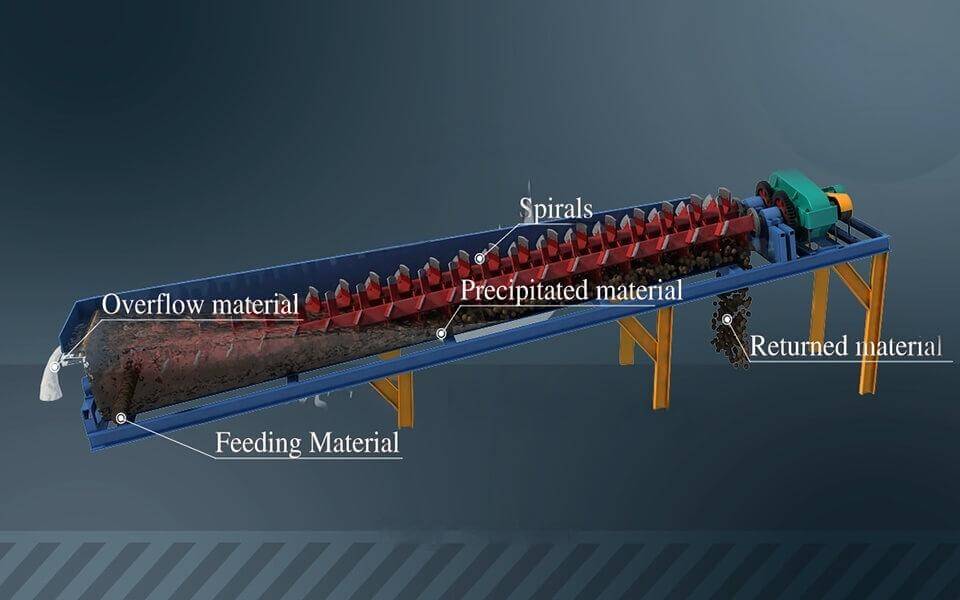
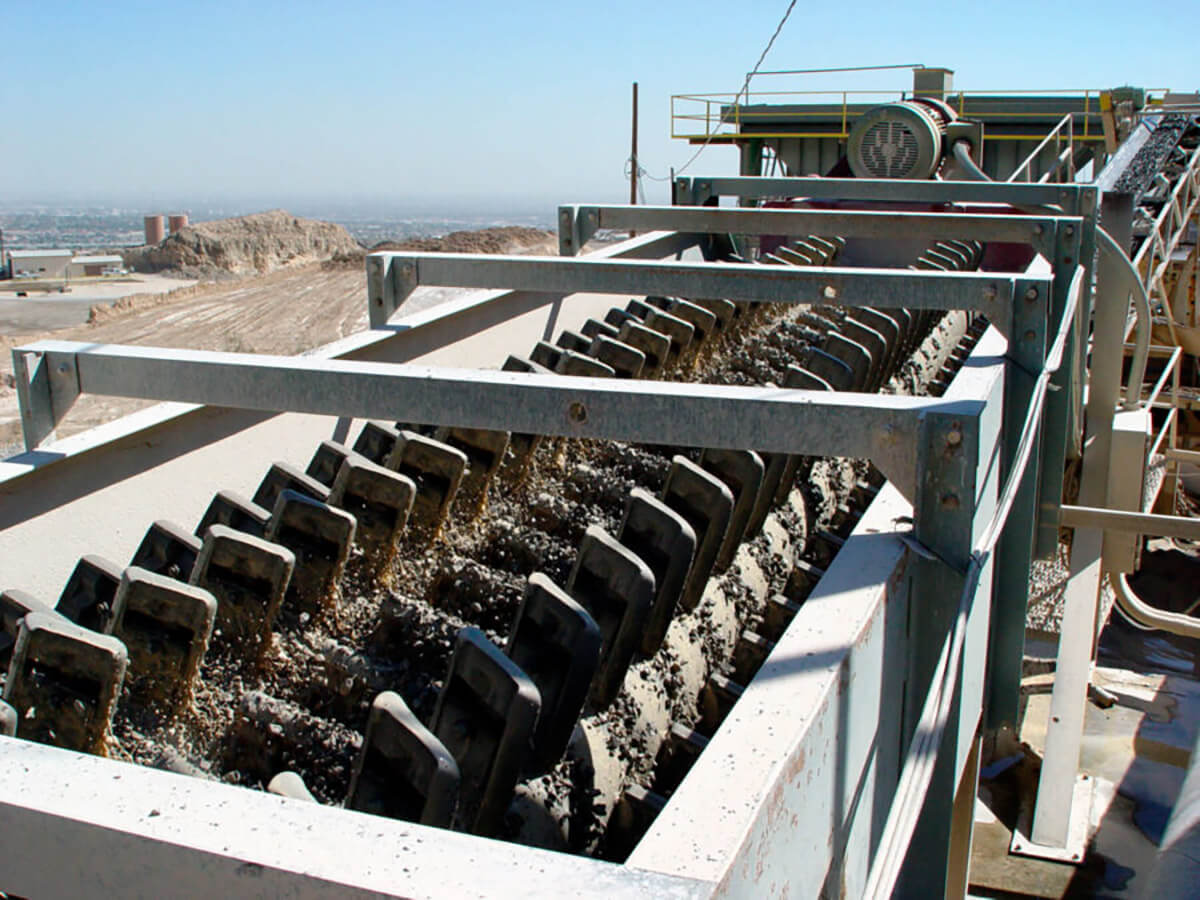
The trough-type ore washing machine achieves ore cleaning through a combination of mechanical agitation and high-pressure water flushing. Material enters from the bottom of the trough, where two counter-rotating spiral shafts, with staggered paddles or spiral blades, cut, scrub, and knead the ore, breaking up the mud clumps adhering to the ore particles. Simultaneously, high-pressure water injected from the top of the trough further washes the material, promoting the separation of mud from ore particles. Light mud is discharged from the overflow weir at the tail of the trough, while the clean, coarse ore particles are pushed by the spiral blades to the discharge port at the front, completing the washing process.
This process combines washing, conveying, and preliminary dewatering functions, effectively handling ores with a mud content exceeding 20%, preventing blockages in subsequent equipment.
Product Structure
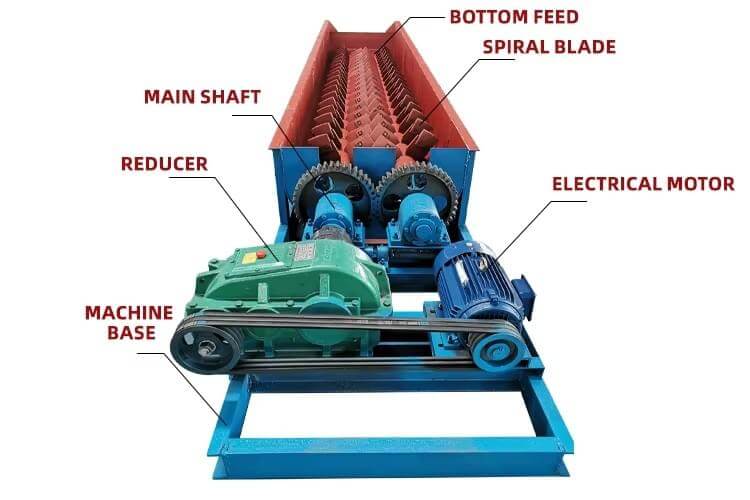
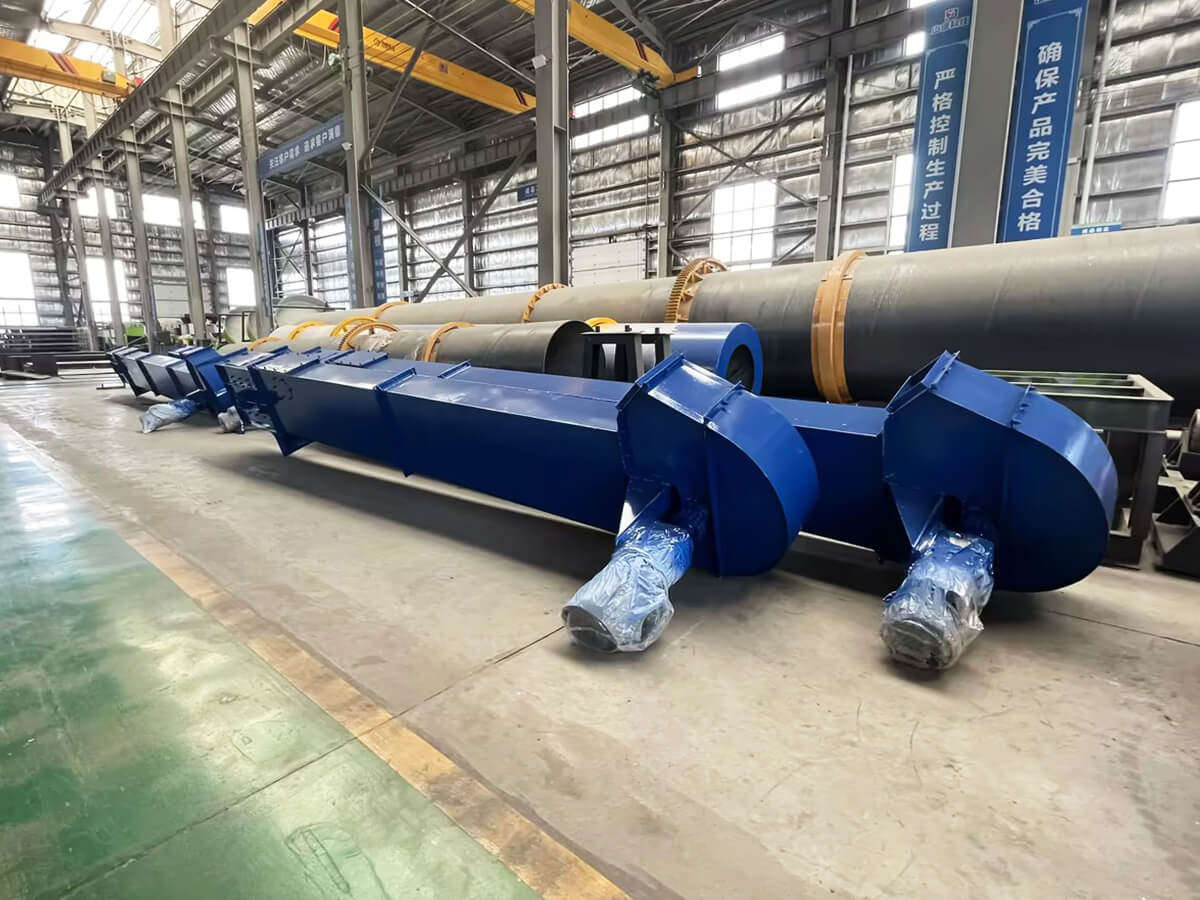
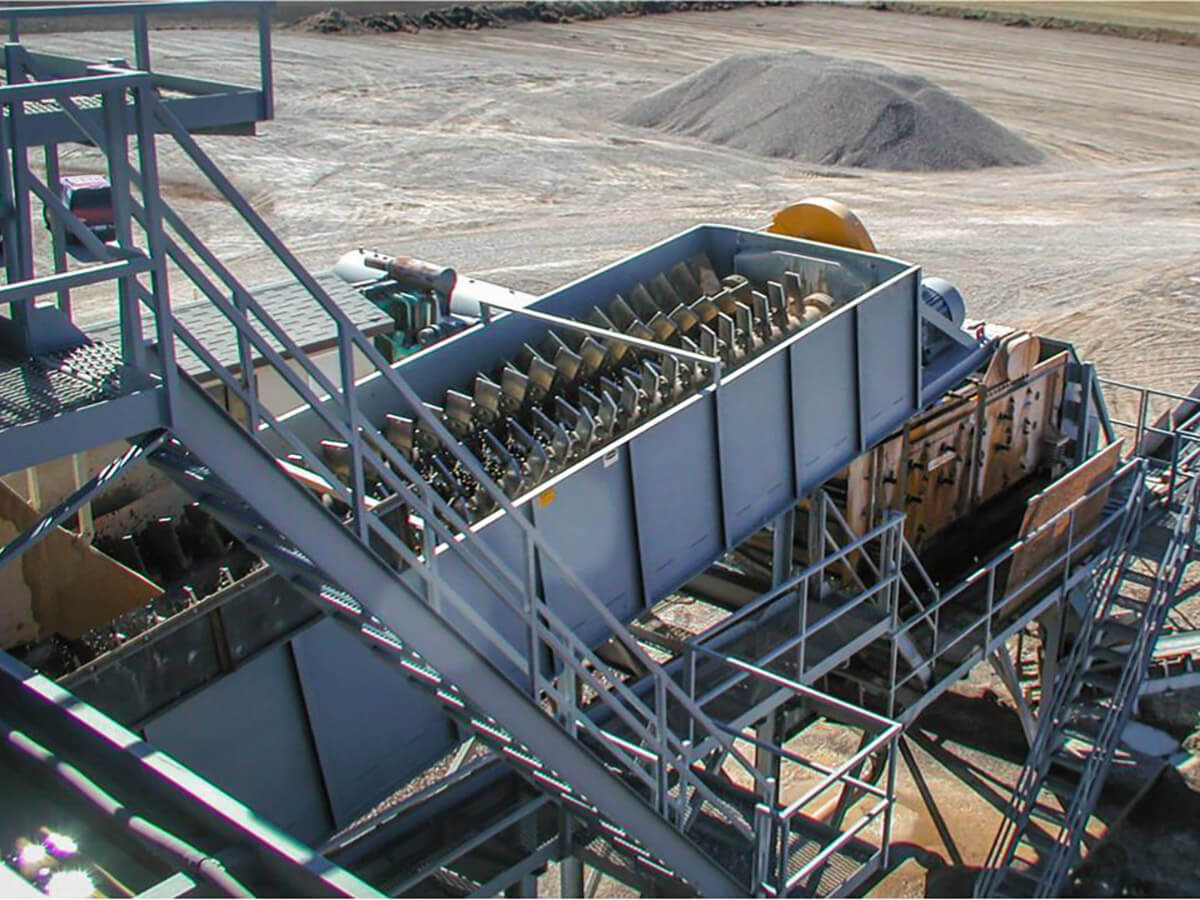
A trough-type ore washing machine mainly consists of the following parts:
- Trough: A U-shaped or semi-circular long trough that holds the ore slurry and bears the load of the entire machine. It is usually welded from wear-resistant steel plates.
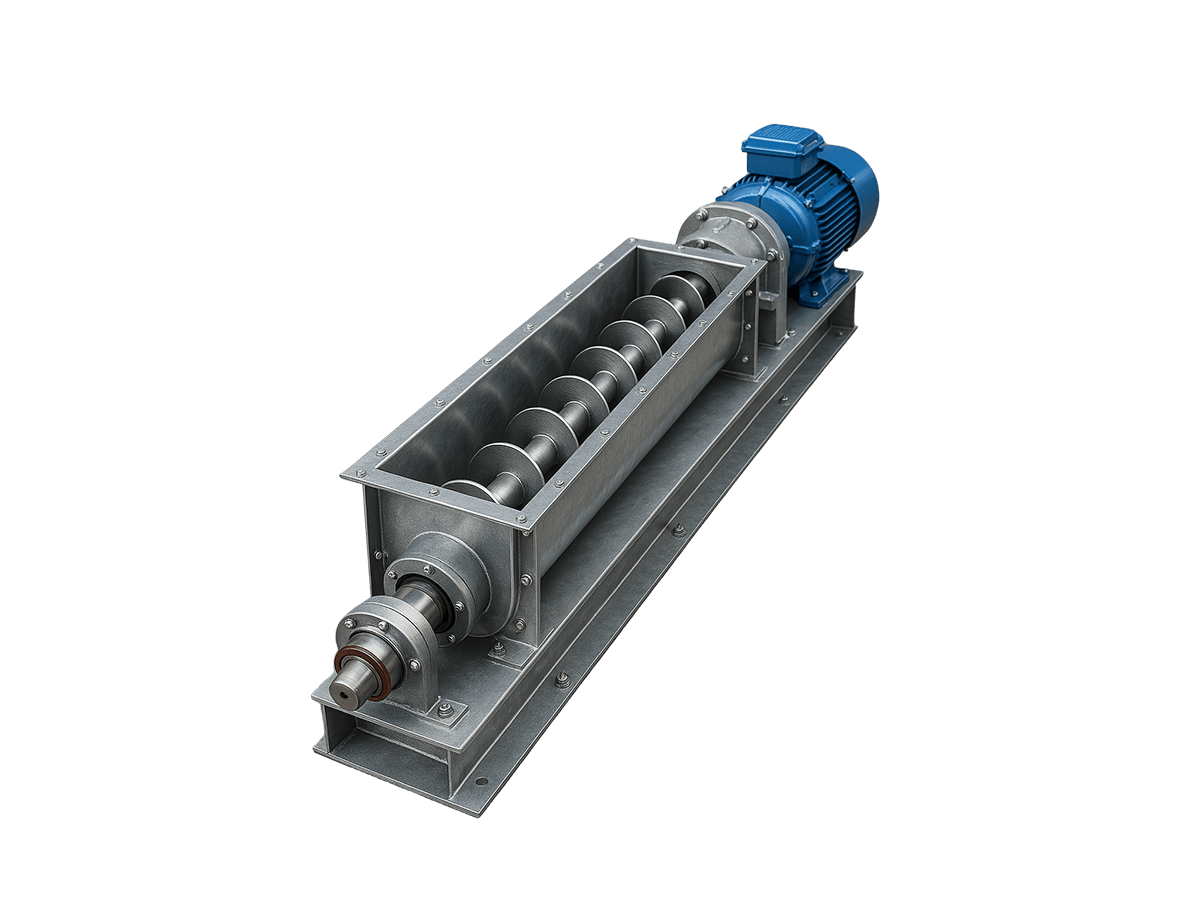
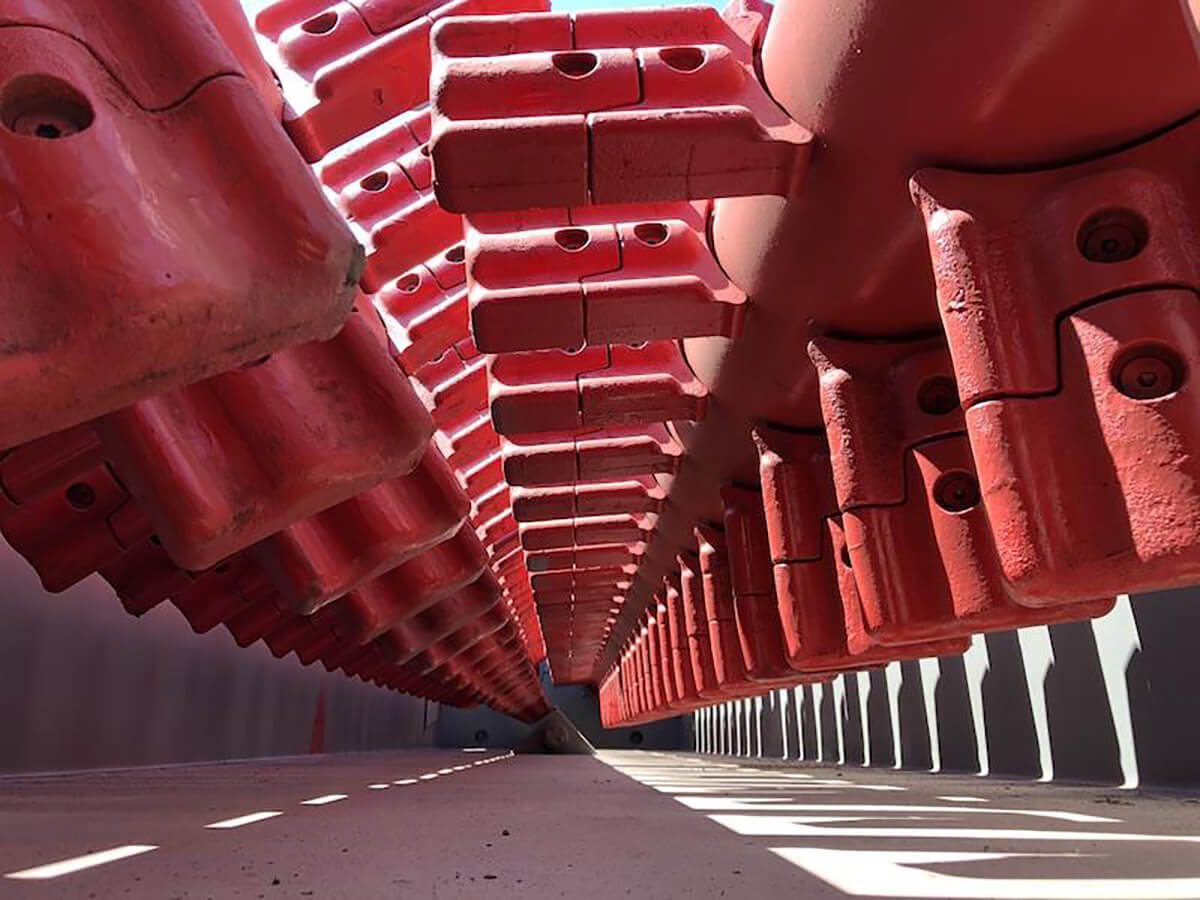
- Double Helical Shafts: Two parallel long shafts equipped with discontinuous paddles or helical blades. The line connecting their apexes forms a helix, enabling material propulsion and washing.
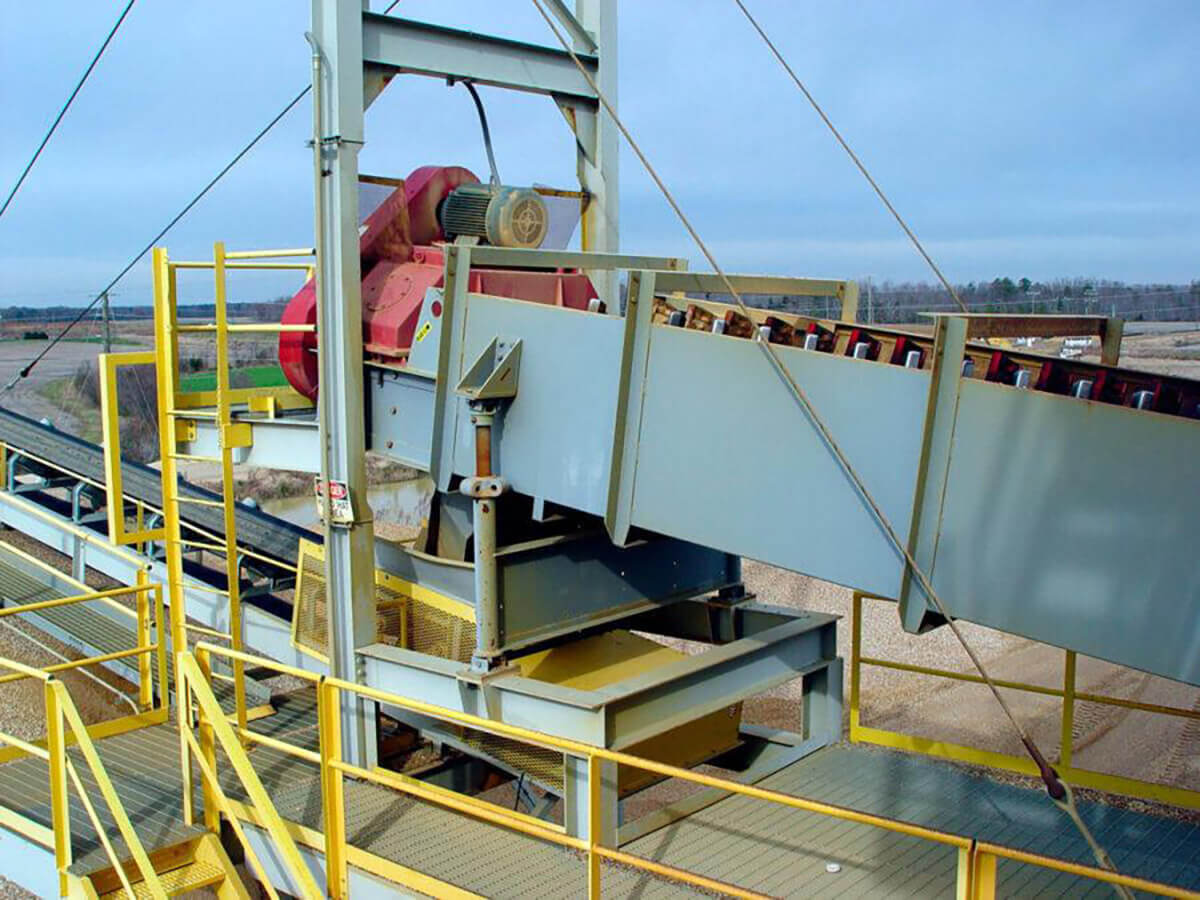
- Transmission Device: Composed of a motor, reducer, and large and small gears, driving the two helical shafts to rotate in opposite directions.
- Support Device: Includes upper and lower bearing seats to support the helical shafts. Some models are equipped with a centralized lubrication system to extend their service life.
- Spray Water Pipes: Located at the top of the trough, providing high-pressure flushing water to enhance the cleaning effect.
- Overflow and Discharge System: An overflow weir at the tail end discharges the slurry, and a discharge port at the front end outputs clean ore.
Based on structural form, it can be divided into inclined and horizontal types, with the inclined type being more common. The inclination angle is generally 5°–18°, which facilitates the material's downward sliding under its own weight and dewatering.
Product Advantages
- High Processing Capacity: Production capacity reaches 20–300 t/h, suitable for large and medium-sized sand and gravel plants and mineral processing plants.
- High Washing Efficiency: Demonstrates significant desliming effect on medium-sized, high-mud content, difficult-to-wash ores, achieving a washing efficiency of over 95%.
- Simple Structure and Easy Maintenance: Compact design with few vulnerable parts, resulting in low daily maintenance costs.
- Stable and Reliable Operation: Employs a mature transmission structure, adaptable to harsh working conditions, and supports continuous operation.
- Multi-functional Integration: Integrates washing, conveying, and preliminary dewatering into one unit, simplifying the process flow.
- Compatible with Other Systems: Often used in conjunction with cylindrical washing machines to form a two-stage washing system, enhancing the overall washing effect.