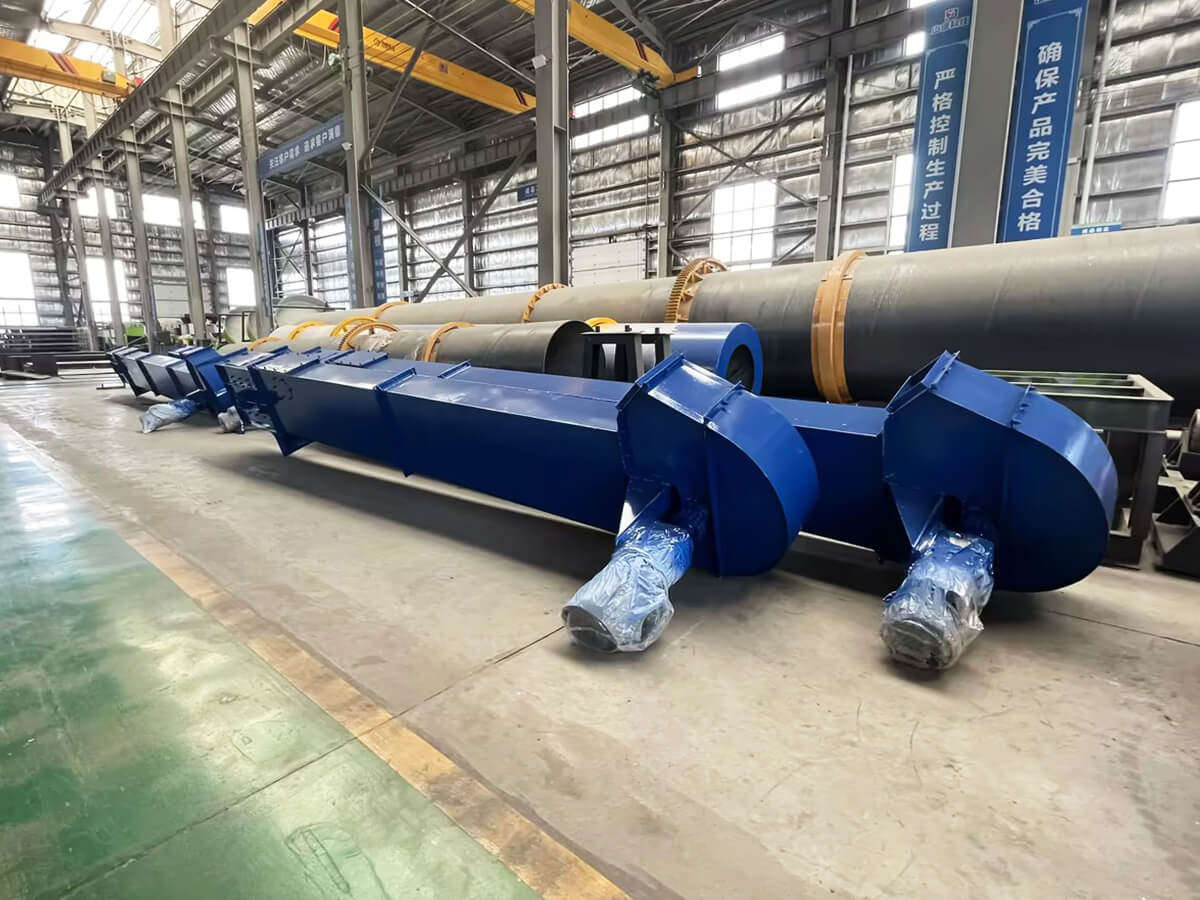
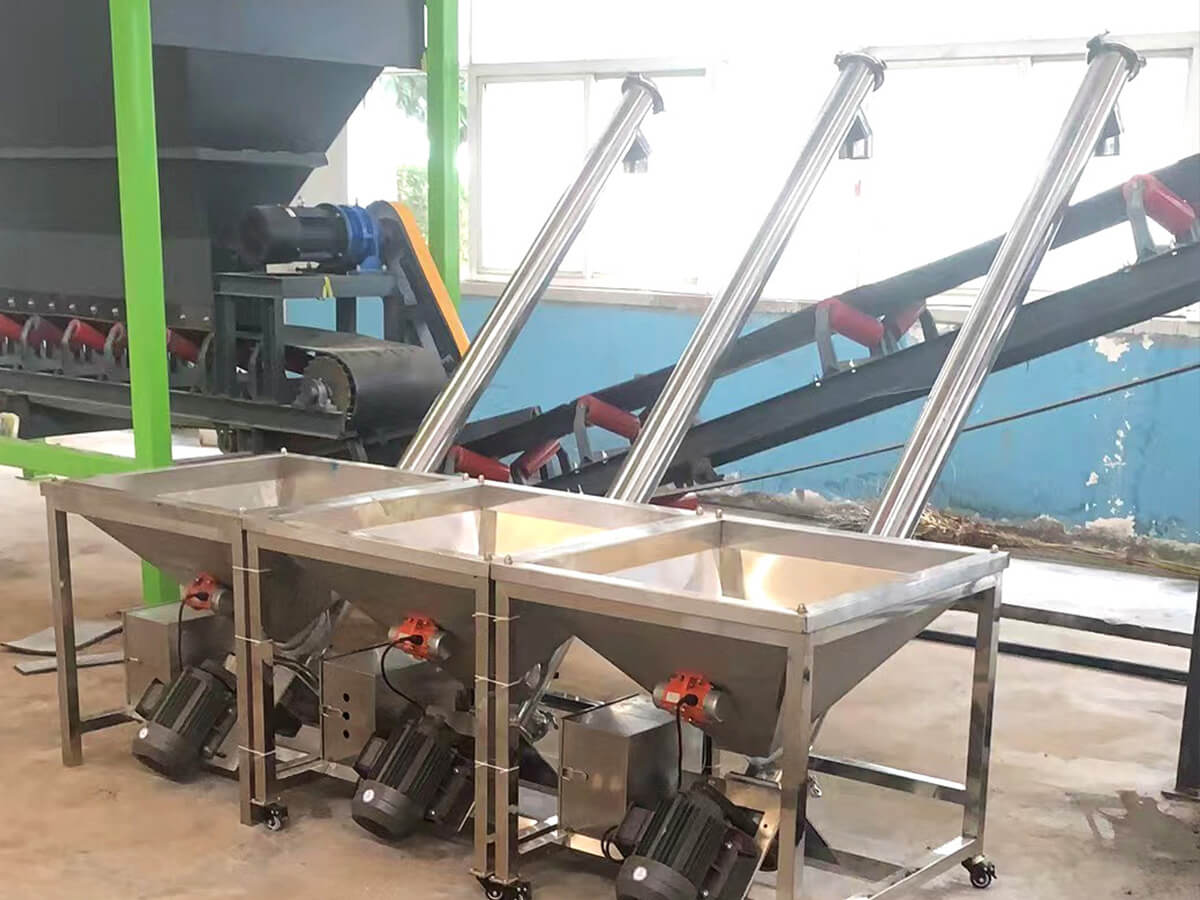

Screw conveyors are a type of continuous conveying equipment widely used in industrial production, primarily for conveying powdery, granular, and small lump materials horizontally, inclined, or vertically. Due to their compact structure, good sealing performance, and strong adaptability, they have become an indispensable material handling tool in fields such as building materials, chemicals, grain, mining, and environmental protection.
Working Principle
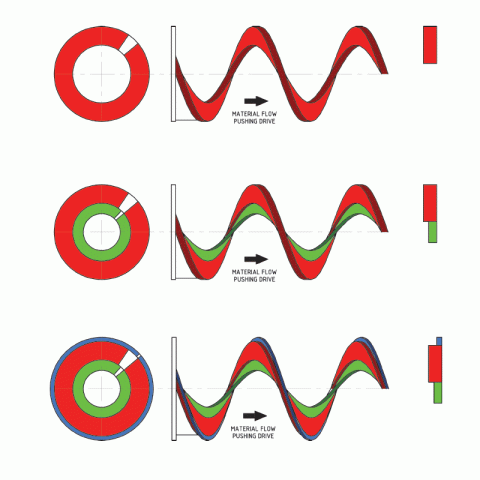
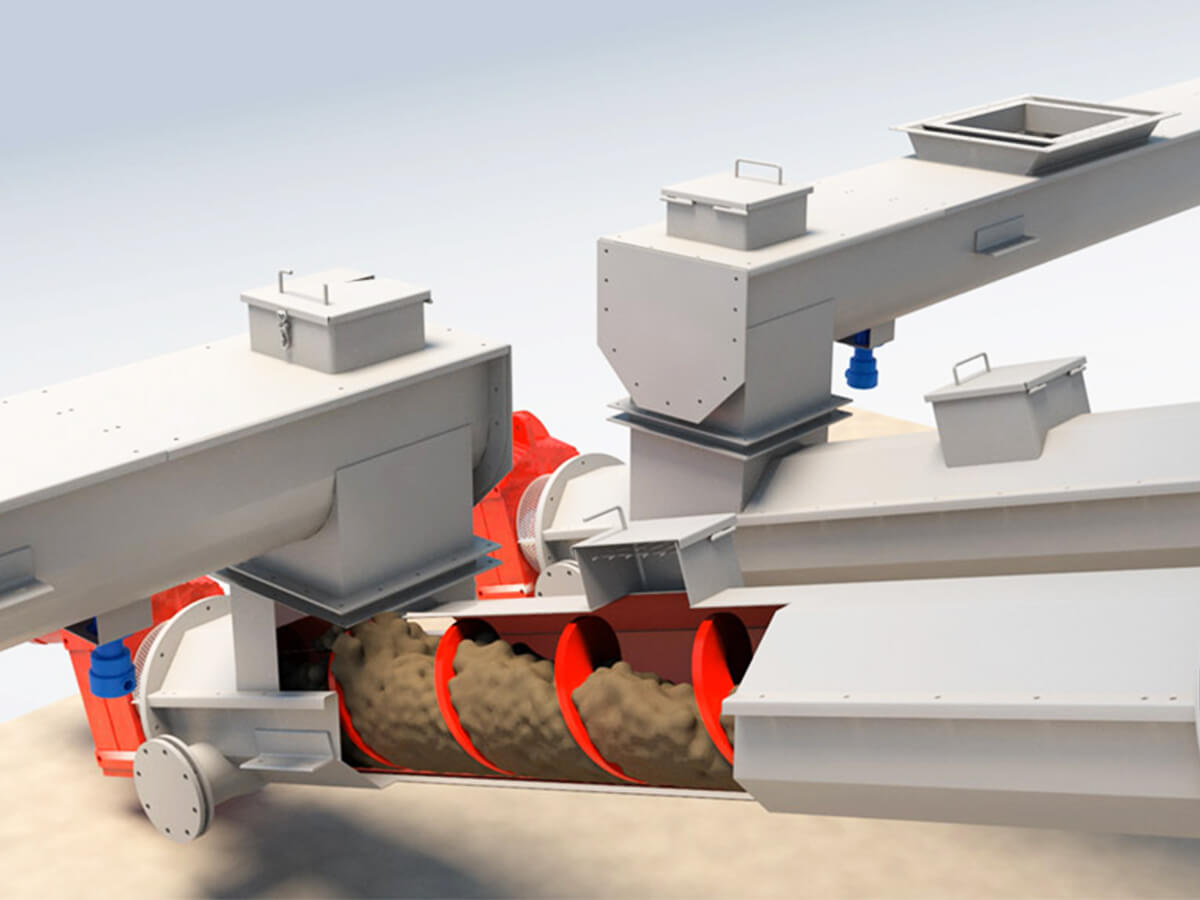
A screw conveyor uses a rotating screw shaft to drive blades, propelling materials along a fixed direction for continuous conveying. Its core principle is: when the screw shaft rotates within the enclosed trough, the material is propelled forward axially by the thrust of the screw blades, combined with the friction of the trough's inner wall and its own weight, rather than rotating with the blades, and is eventually discharged from the outlet.
- Horizontal conveying: relies on the friction between the material and the tank wall to overcome the component of gravity and achieve translation;
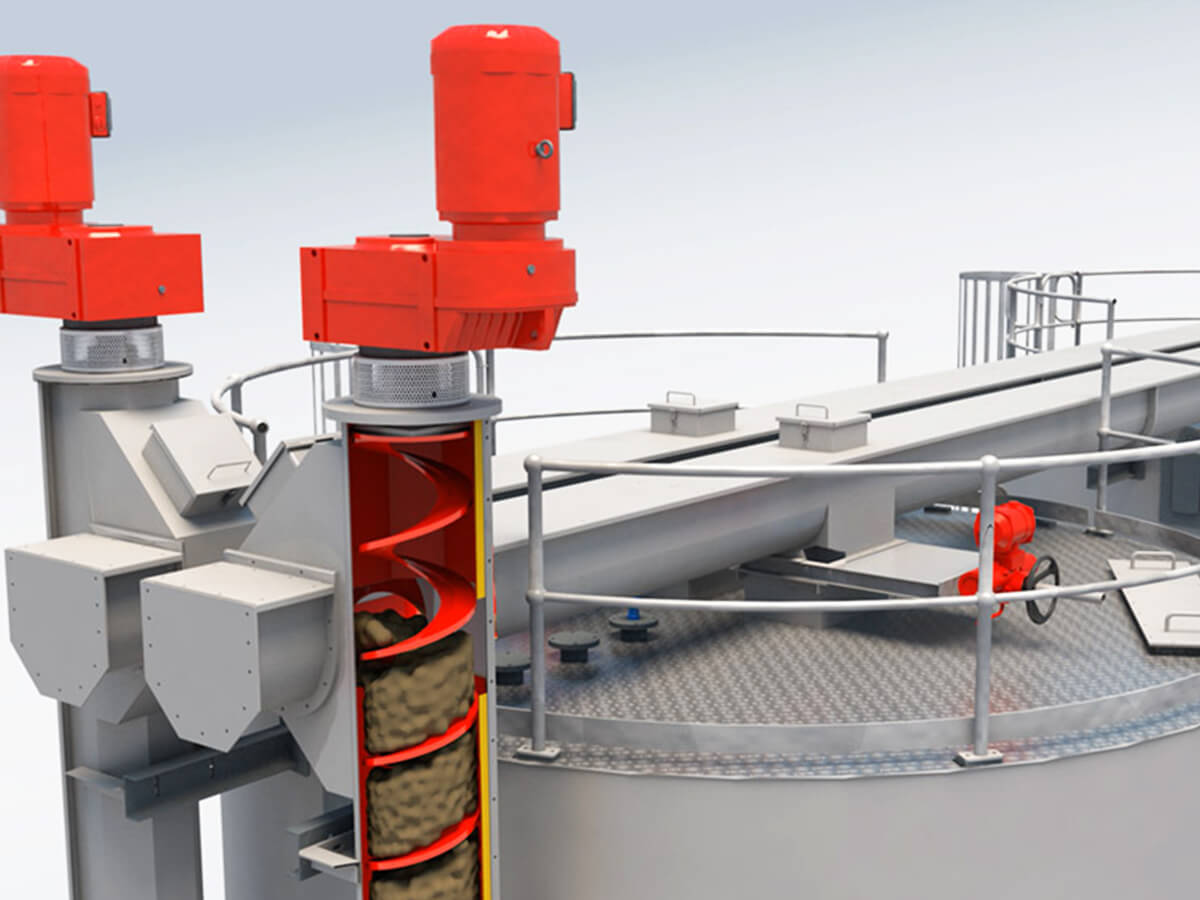
- Vertical conveying: Relying on the centrifugal force generated by high-speed rotation to make the material stick tightly to the pipe wall, forming a stable material flow and pushing it upward.
- Reversible conveying: By changing the direction of the motor, bidirectional transportation can be achieved, supporting multi-point feeding and unloading.
Product Structure
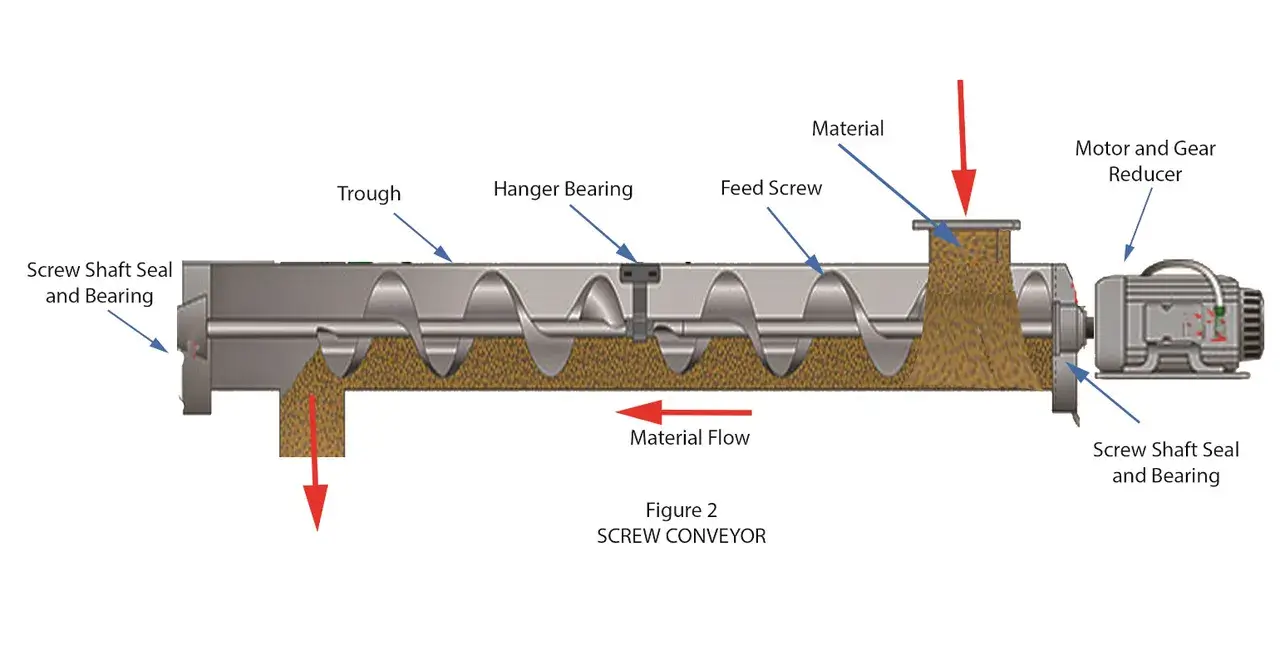
The screw conveyor mainly consists of the following five components:
-
Drive Unit
It includes a motor and a reducer, which provide the power source. It usually uses a 380V three-phase power supply with an IP55 protection rating to ensure stable operation and low noise. -
Helical Shaft And Helical Blades
- The spiral shaft is mostly made of a hollow steel tube structure, which is high in strength and light in weight. The connection is fixed with a solid shaft and high-strength bolts.
- The blades come in various forms, commonly including solid blades (suitable for dry powders), ribbon blades (for blocky materials), and paddle blades (for sticky materials). Materials can be carbon steel, stainless steel, or manganese steel.
-
Casing Structure
Available in U-shaped trough and tubular (round tube) structures, these products offer excellent sealing performance, preventing dust spillage. The tubular type is more suitable for food and pharmaceutical industries where hygiene requirements are high. -
Bearing System
- The head and tail bearings are located outside the housing to prevent dust from entering.
- The intermediate hanger bearing is used for long-distance conveying and uses wear-resistant materials such as powder metallurgy and MC nylon to reduce frictional resistance.
-
Feed/Discharge Device
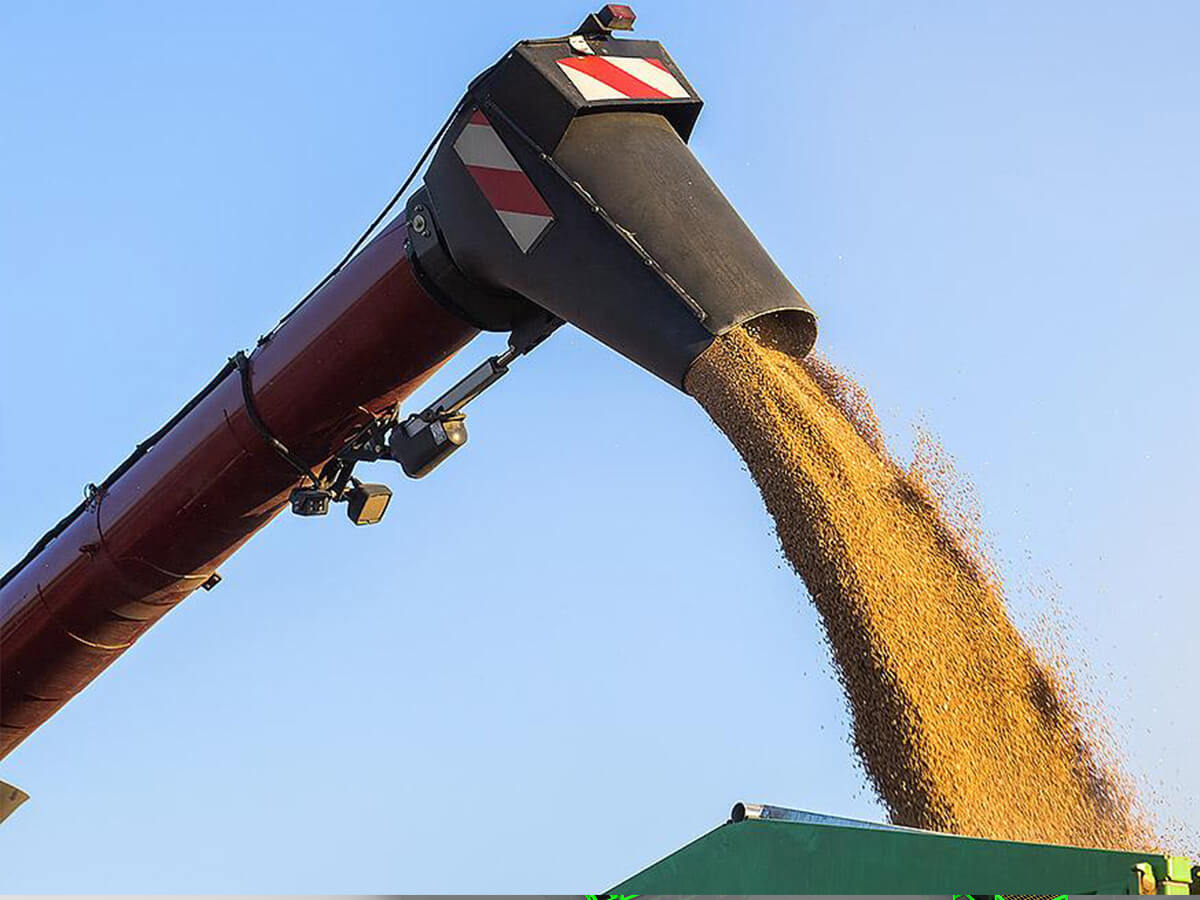
Multiple feed inlets and discharge outlets can be set according to process requirements, with flexible positions, supporting centralized feeding from the center or discharge from both ends.
Product Advantages
-
Simple Structure And Easy Maintenance
With fewer components and reliable connections, routine maintenance only requires checking bearing lubrication and blade wear, resulting in low maintenance costs. -
Highly Sealed, Environmentally Friendly, and Safe
The fully enclosed design effectively prevents dust from flying and odors from spreading, making it suitable for materials that are prone to dust, high temperature, or corrosiveness, and improving the working environment. -
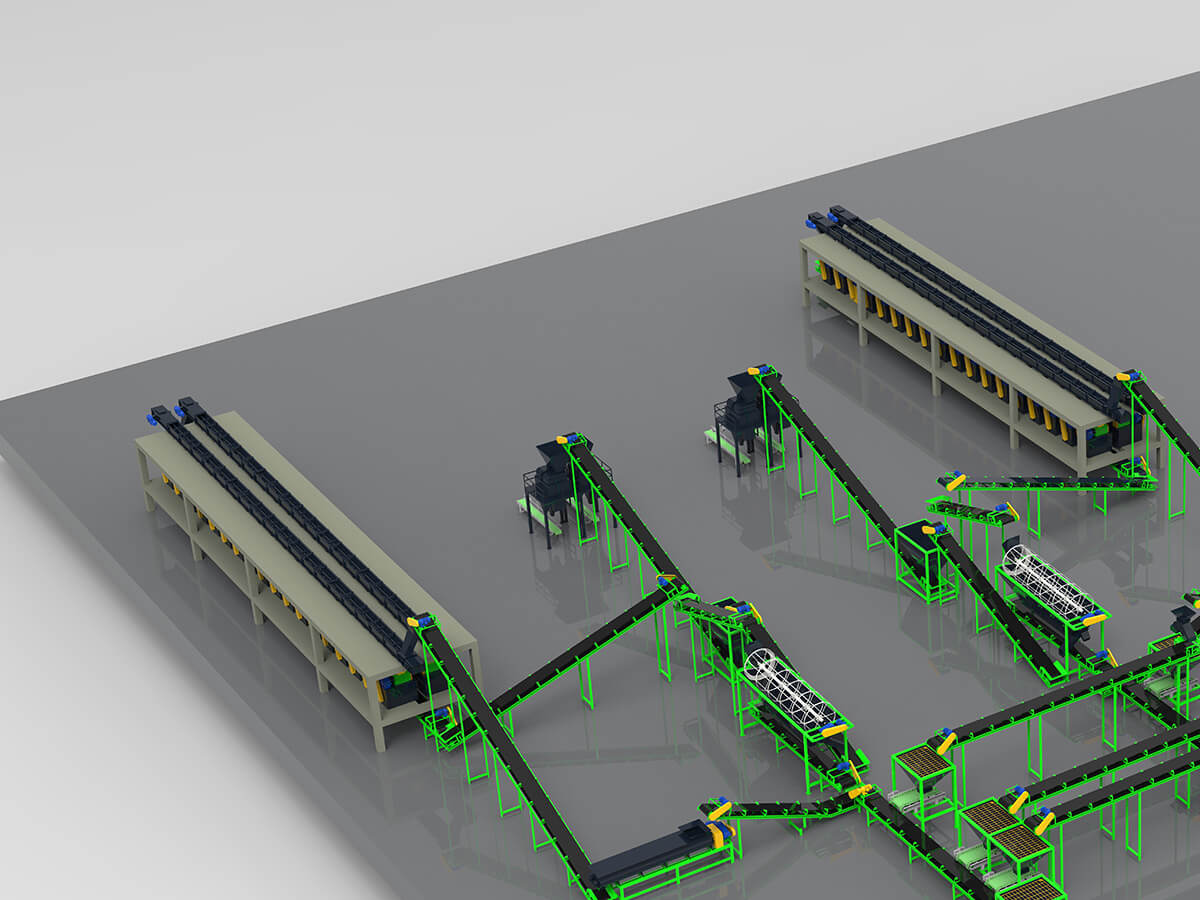
Small Footprint, Flexible Layout
With its small cross-sectional dimensions, it can be installed horizontally, at an angle (≤30°), or vertically in confined spaces, saving factory space. -
High Degree Of Customizability
It supports customization based on parameters such as material characteristics, conveying distance, angle, and capacity to meet the needs of different industries, such as food-grade 304/316 stainless steel and a shaftless design for handling viscous materials such as sludge. -
Multifunctional Integration
During the conveying process, mixing, stirring, and cooling processes can be completed simultaneously, making it a multi-purpose machine that improves production line efficiency. -
Reliable Operation And Easy To Use
It can operate continuously for 24 hours, has a low failure rate, and supports automatic control and remote monitoring.