
Iron Ore Processing Technology
Date: 2026-02-27 Categories: Iron Metal Views: 229
Iron ore processing technology involves treating raw ore using physical and chemical methods to improve iron grade, remove impurities, and prepare high-quality furnace feed to meet the requirements of blast furnace smelting or direct reduction. The entire process mainly includes core steps such as crushing, grinding, beneficiation, and agglomeration (sintering or pelletizing), ultimately producing iron concentrate or artificial rich ore to provide stable raw materials for ironmaking processes.
I. Crushing and Screening: The Foundation of Particle Size Control
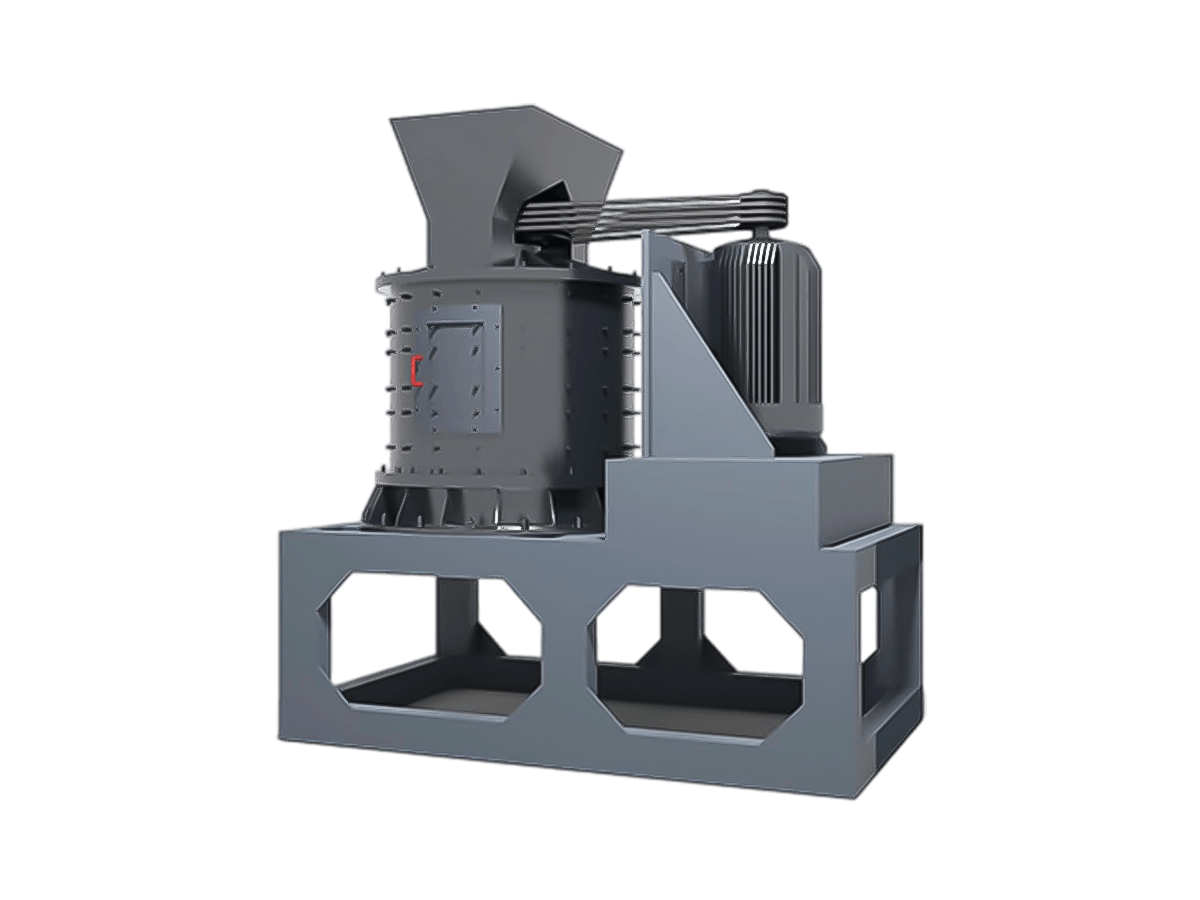
Crushing the large blocks of iron ore mined into particle sizes suitable for subsequent processing is the first step in the process.
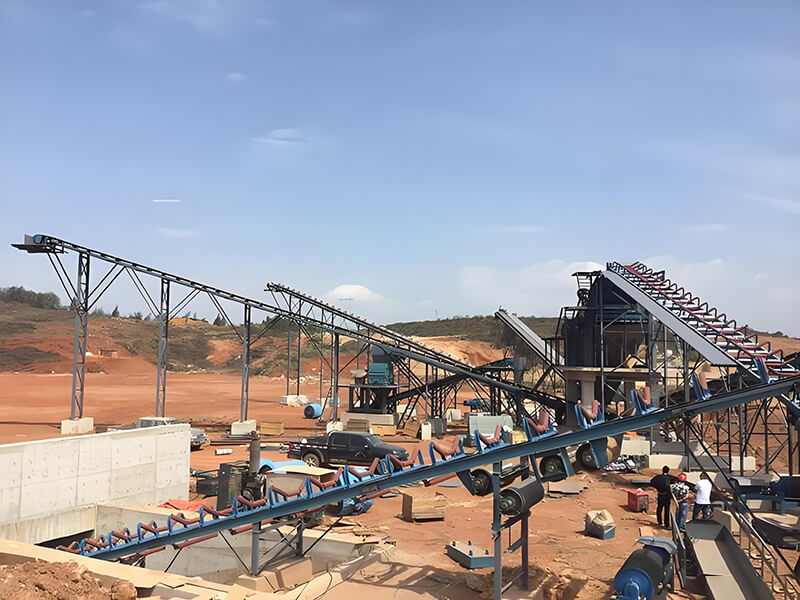
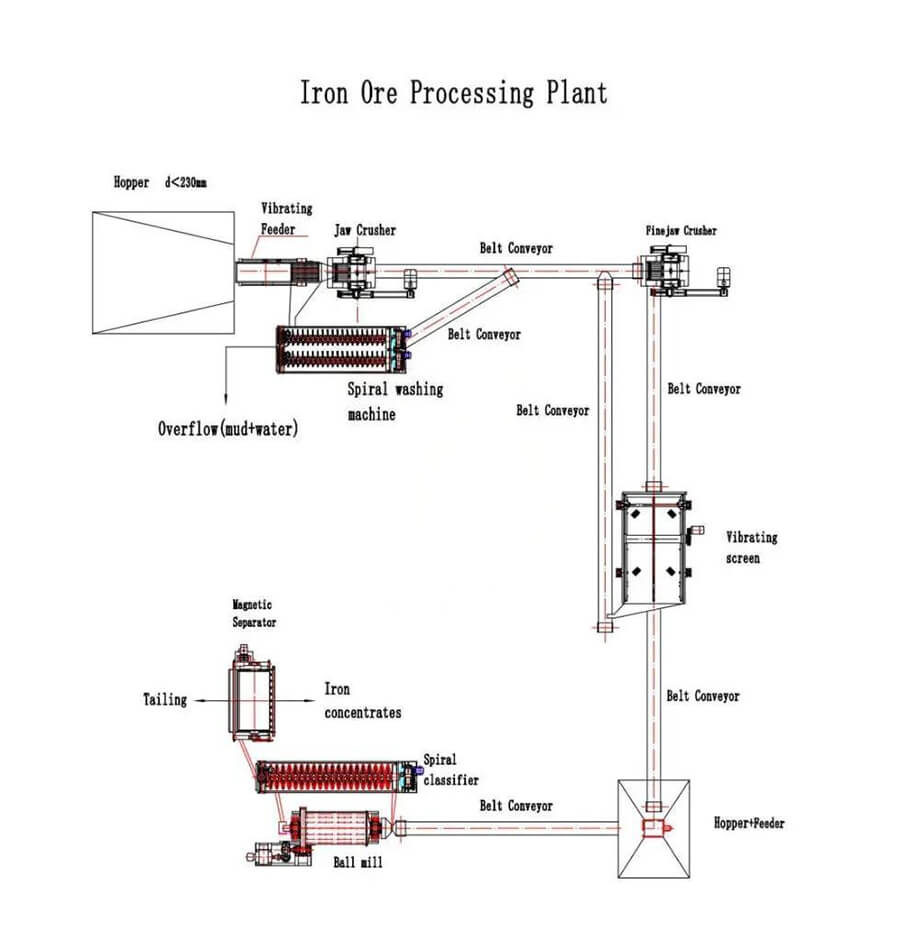
- Coarse crushing: A jaw crusher is used to crush the raw ore to below 100mm.
- Medium and fine crushing: Cone crusher is used to further crush the ore to 10-25mm;
- Screening: Vibrating screen is used for grading, and unqualified particles are returned for further crushing to ensure that the material entering the grinding stage has a uniform particle size.
Objective: To avoid over-grinding, improve grinding efficiency, and reduce energy consumption.
II. Grinding and Classification: Achieving the Liberation of Mineral Individual Components
The crushed ore is further ground to fully dissociate the iron minerals from the gangue, creating conditions for efficient beneficiation.
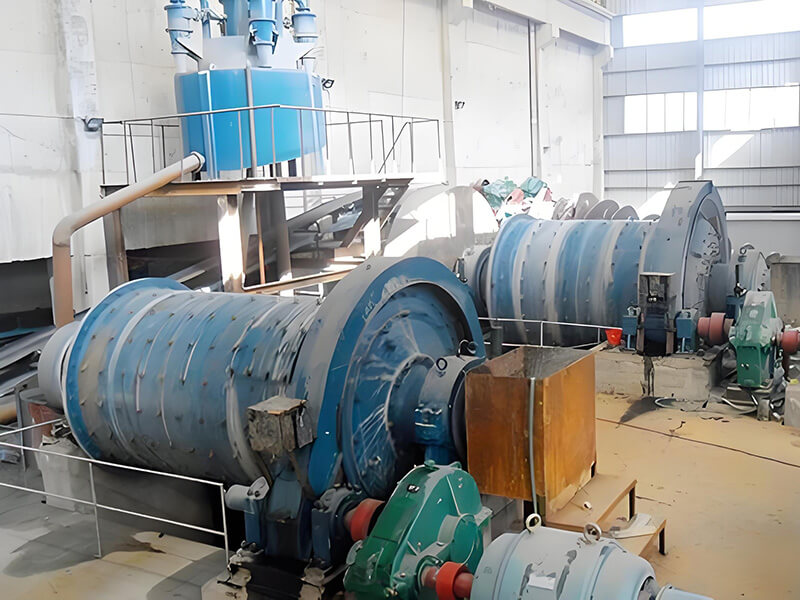
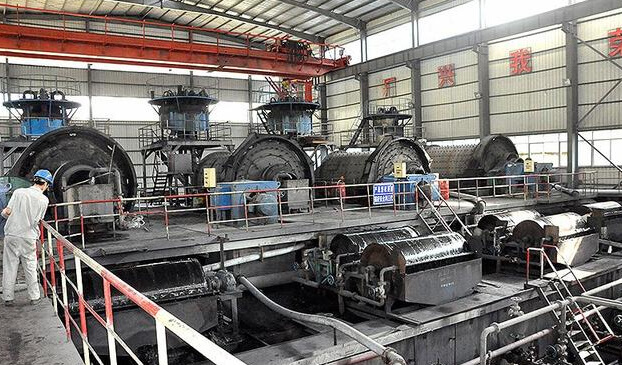
- The ore is ground to a size of 0.074 mm (200 mesh) or larger using a ball mill, with 80% of the ore being finer.
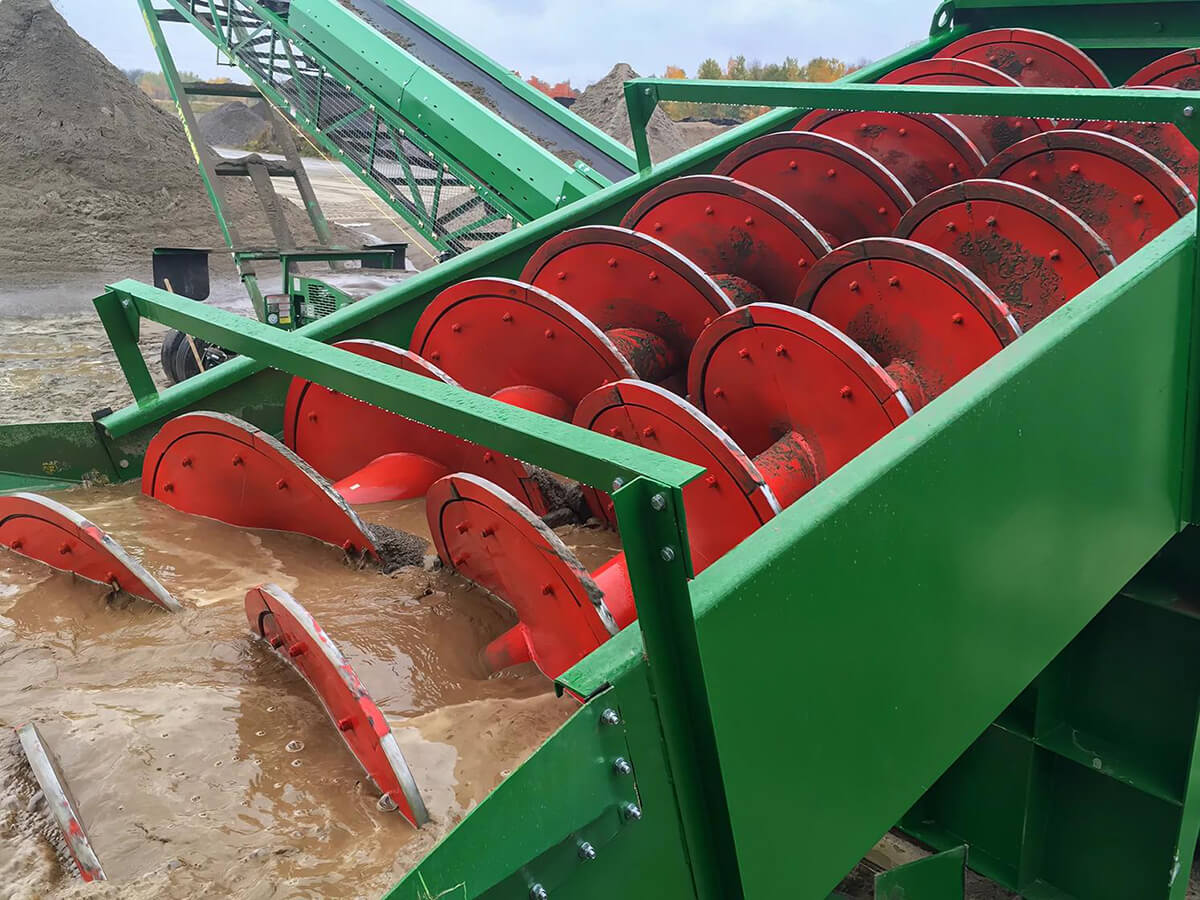
- After grinding, the fineness of the slurry is controlled using a spiral classifier or hydrocyclone to ensure a consistent particle size distribution.
Key point: Over-grinding increases energy consumption and steel ball wear, while under-grinding affects the beneficiation effect.
III. Selection Process: The Core Step in Improving Iron Quality
Depending on the type of iron ore (magnetite, hematite, limonite, etc.), different beneficiation methods are used to separate iron minerals from gangue.
1. Magnetic separation method (applicable to magnetite)
- Utilizing the strong magnetism of magnetite, it can be efficiently recovered even under a weak magnetic field.
- Common equipment: drum magnetic separator, dry magnetic separator (suitable for water-scarce areas);
- It can realize a standard process of "multi-stage crushing - closed-circuit grinding - weak magnetic separation - concentrate dewatering".
2. Gravity separation and flotation (applicable to hematite and limonite)
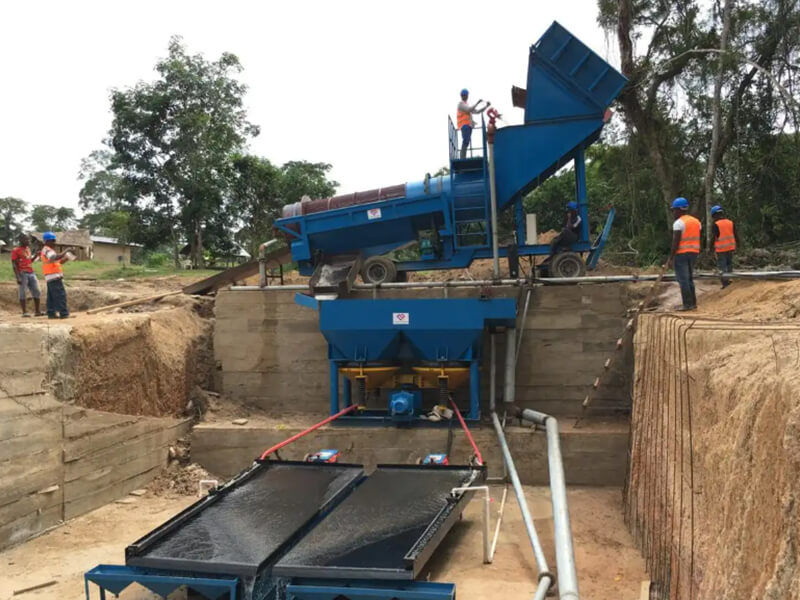
- Gravity separation: Utilizing density differences, minerals are enriched using equipment such as jigs and shaking tables.
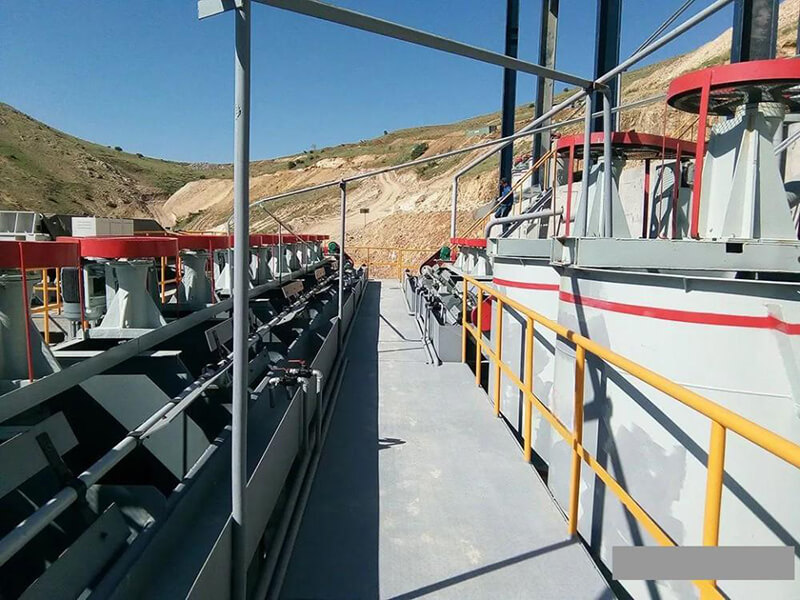
- Flotation: Collectors are added to alter the surface properties of minerals, causing attached air bubbles to float to the surface.
- Mostly used for fine-grained or complex symbiotic ores, often in conjunction with magnetic separation.
In actual production, a combined process of "magnetic separation as the main method and flotation as the auxiliary method" is often used to improve the overall recovery rate.
IV. Dehydration and Concentration: Essential Steps in Concentrate Preparation
The iron concentrate after beneficiation has a high water content (about 10% to 15%) and needs to be dehydrated for transportation and subsequent agglomeration.
- Concentration: Use a thickener to settle the slurry and increase its concentration.
- Filtration: Use a vacuum filter or filter press for further dewatering.
- Drying: If necessary, dry the slurry with hot air in a rotary kiln.
Note: Water recycling is crucial in wet mineral processing, as it can significantly reduce environmental impact.
V. Agglomeration process: Providing high-quality furnace feed for blast furnaces
Since most iron ore exists in the form of powder, it cannot be directly fed into the furnace and must be granulated into sinter or pellets.
1. Iron ore sintering
- Iron concentrate, fine ore, recycled ore, flux (limestone), and fuel (coke powder) are mixed in a specific ratio, granulated with water, and then ignited and evacuated on a belt sintering machine to solidify into lumps at high temperature.
- The product is a porous, blocky sinter with good reducibility and permeability.
- It accounts for more than 70% of the world's blast furnace feedstock.
2. Iron ore pelletizing method
- Iron concentrate is pelletized with water and binder, then roasted at high temperatures in a vertical shaft furnace, belt roaster, or chain grate-rotary kiln to produce high-strength pellets.
- These pellets are high-grade, uniform in particle size, and have good reducibility, making them suitable for use in large blast furnaces.
- They account for 20%–25% of the total production of artificial high-grade iron ore.
The two pelletizing methods complement each other: sintering is highly adaptable and can handle a variety of iron-containing raw materials; pelletizing has low energy consumption and low pollution, which is more in line with the trend of green development.
VI. Green and Intelligent Development Trends
Modern iron ore processing is developing towards low-carbon, energy-saving, and intelligent directions:
- Dry mineral processing technology: widely used in water-scarce areas, reducing water consumption.
- Hydrogen metallurgy-supporting pellet production: providing low-carbon raw materials for green hydrogen ironmaking;
- Digital twin and intelligent control system: achieving automated monitoring and optimization of the entire process.