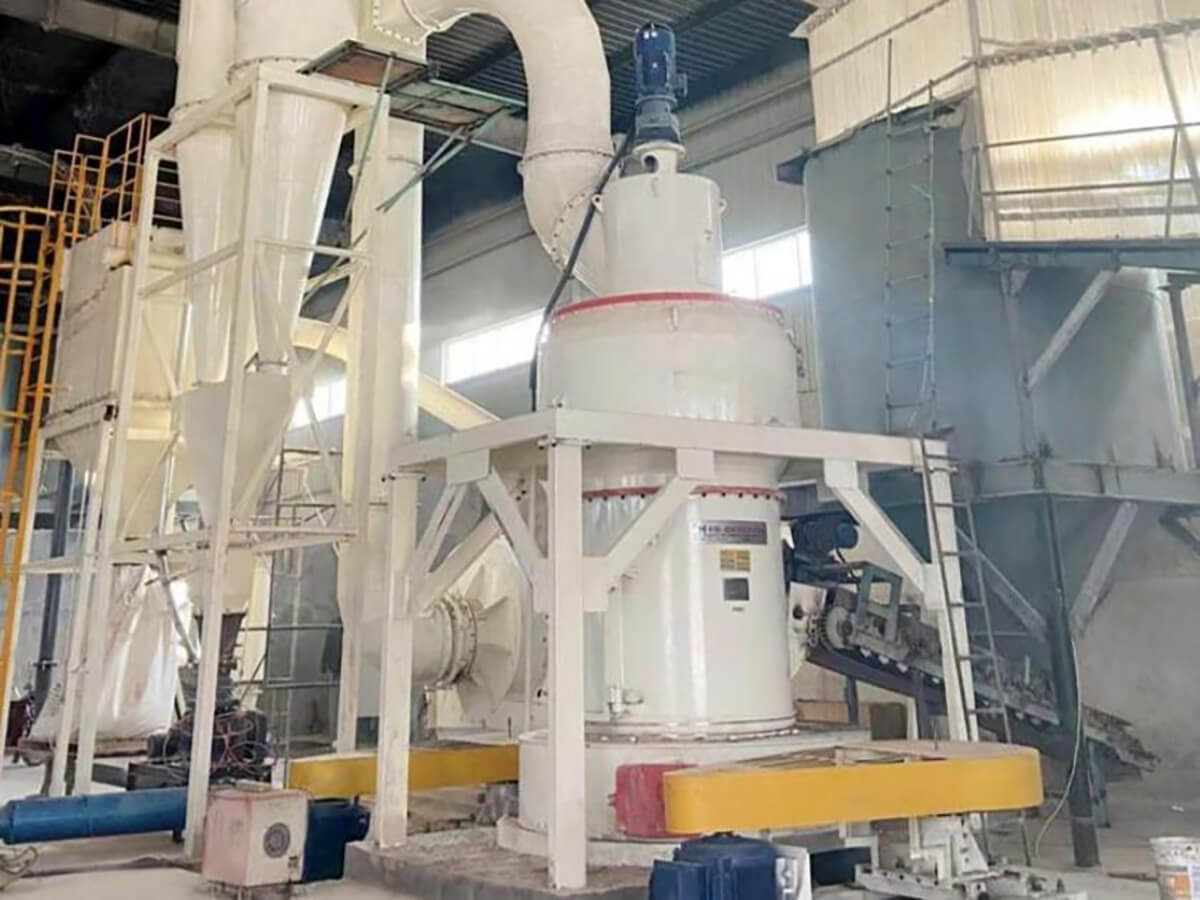
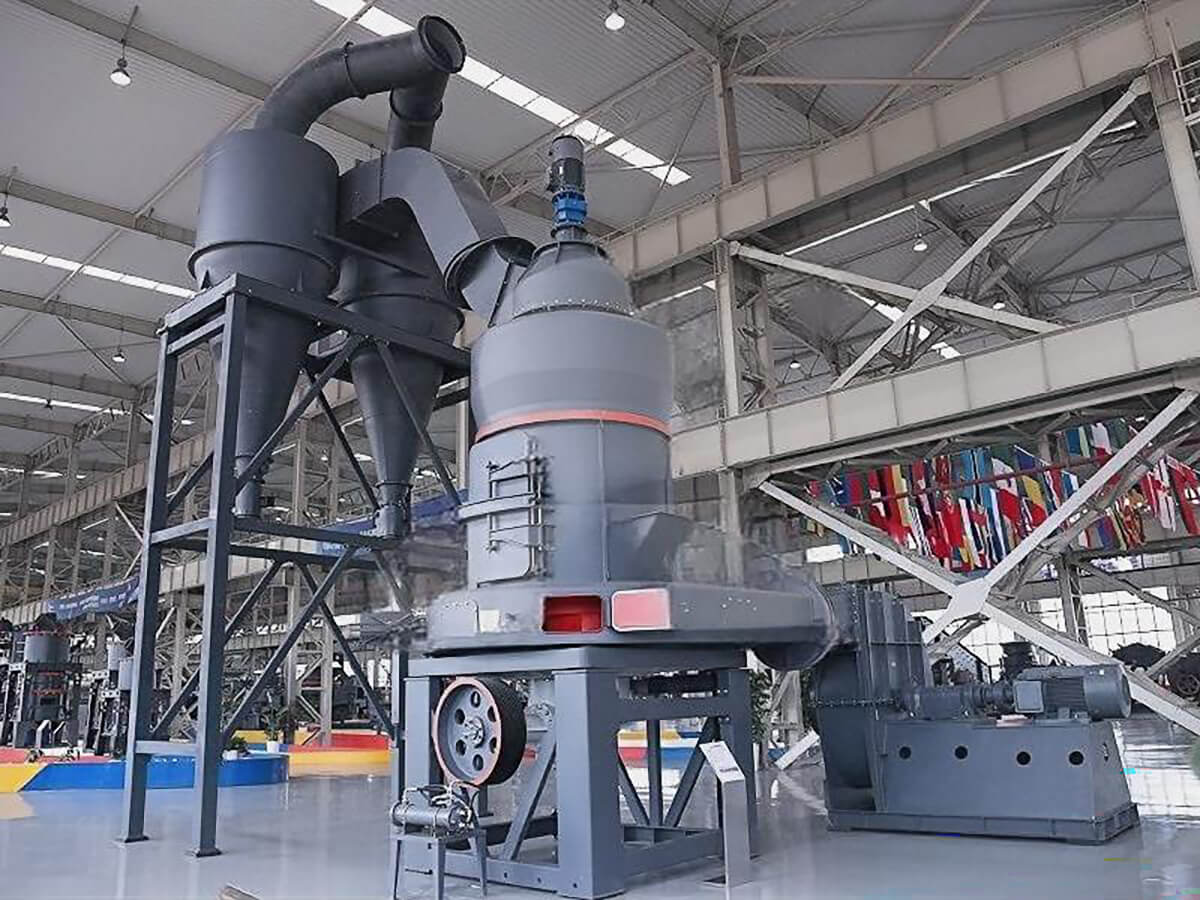
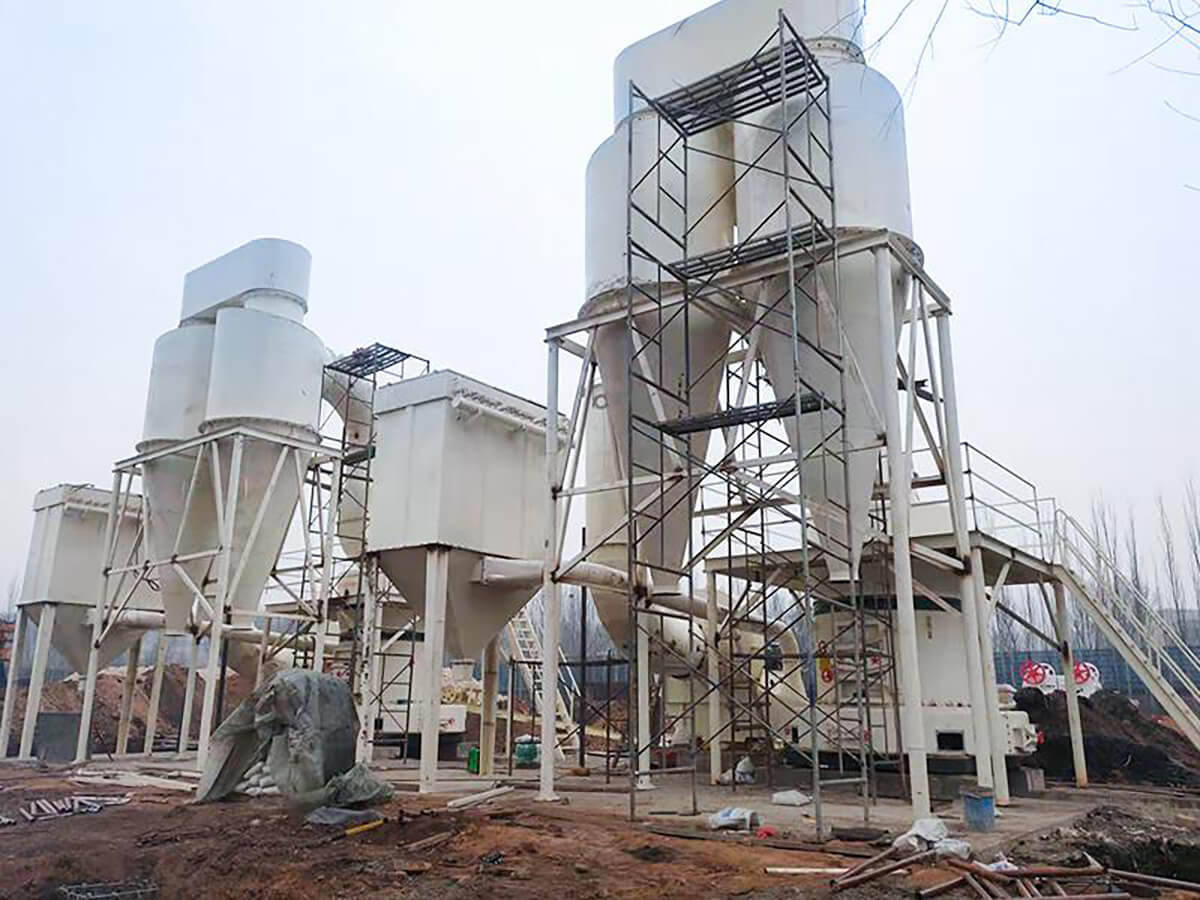
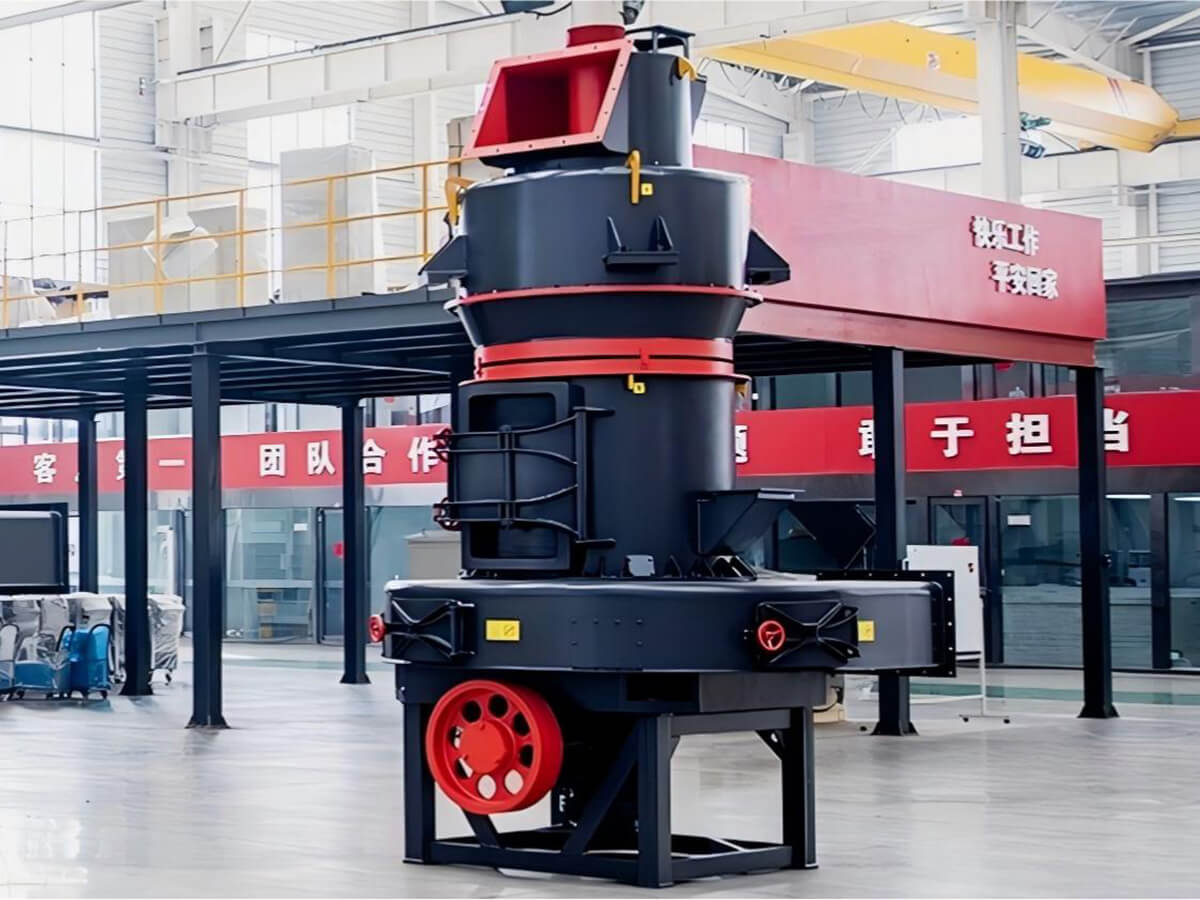
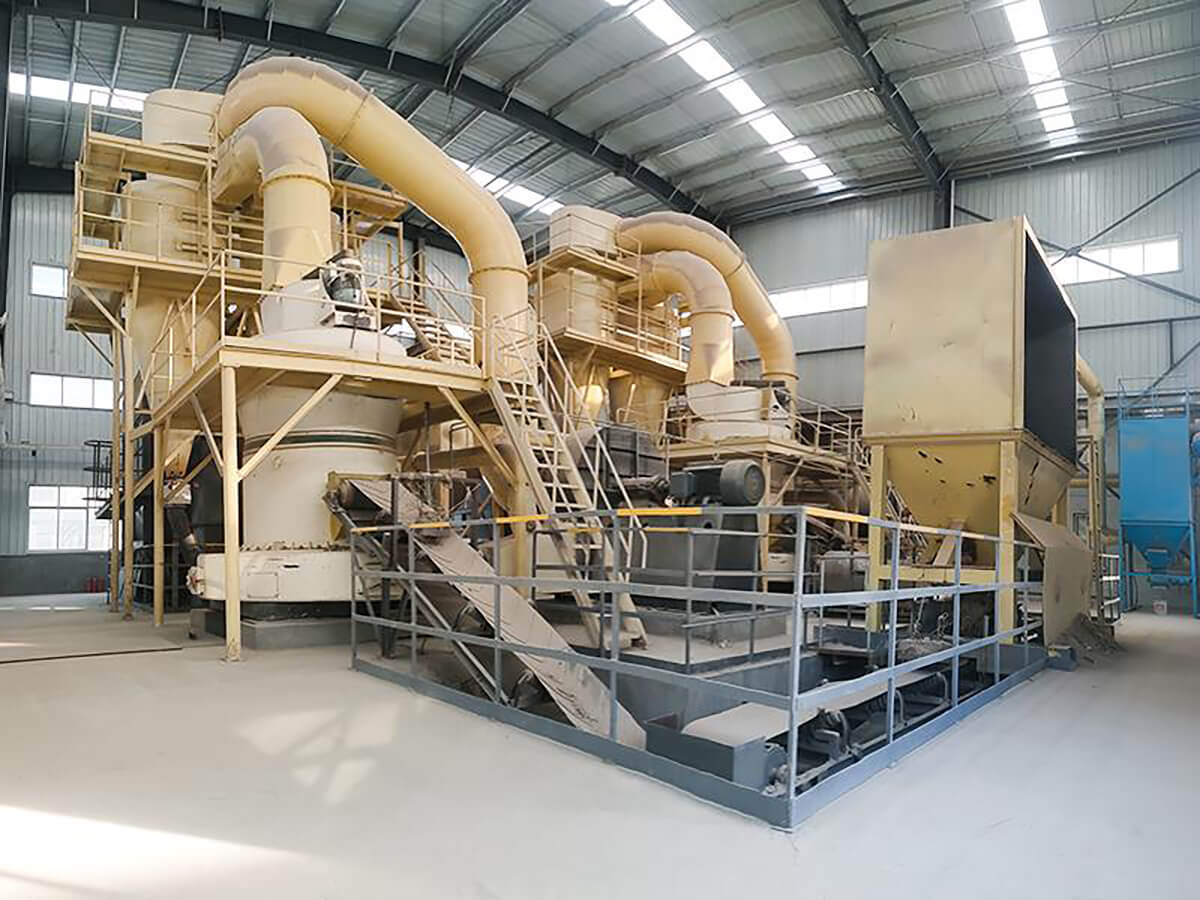

An ultrafine powder grinding mill is a machine used to produce fine and ultrafine powders. It is mainly suitable for non-flammable, non-explosive, and brittle materials with low hardness (Mohs hardness not greater than 7), such as calcite, chalk, limestone, dolomite, cleatite, bentonite, talc, mica, magnesite, illite, foliated agamatolite, vermiculite, sepiolite, attapulgite, rectorite, diatomite, barite, gypsum, alunite, graphite, phosphate rock, potash, pumice, and more than 100 other materials.
Working Principle
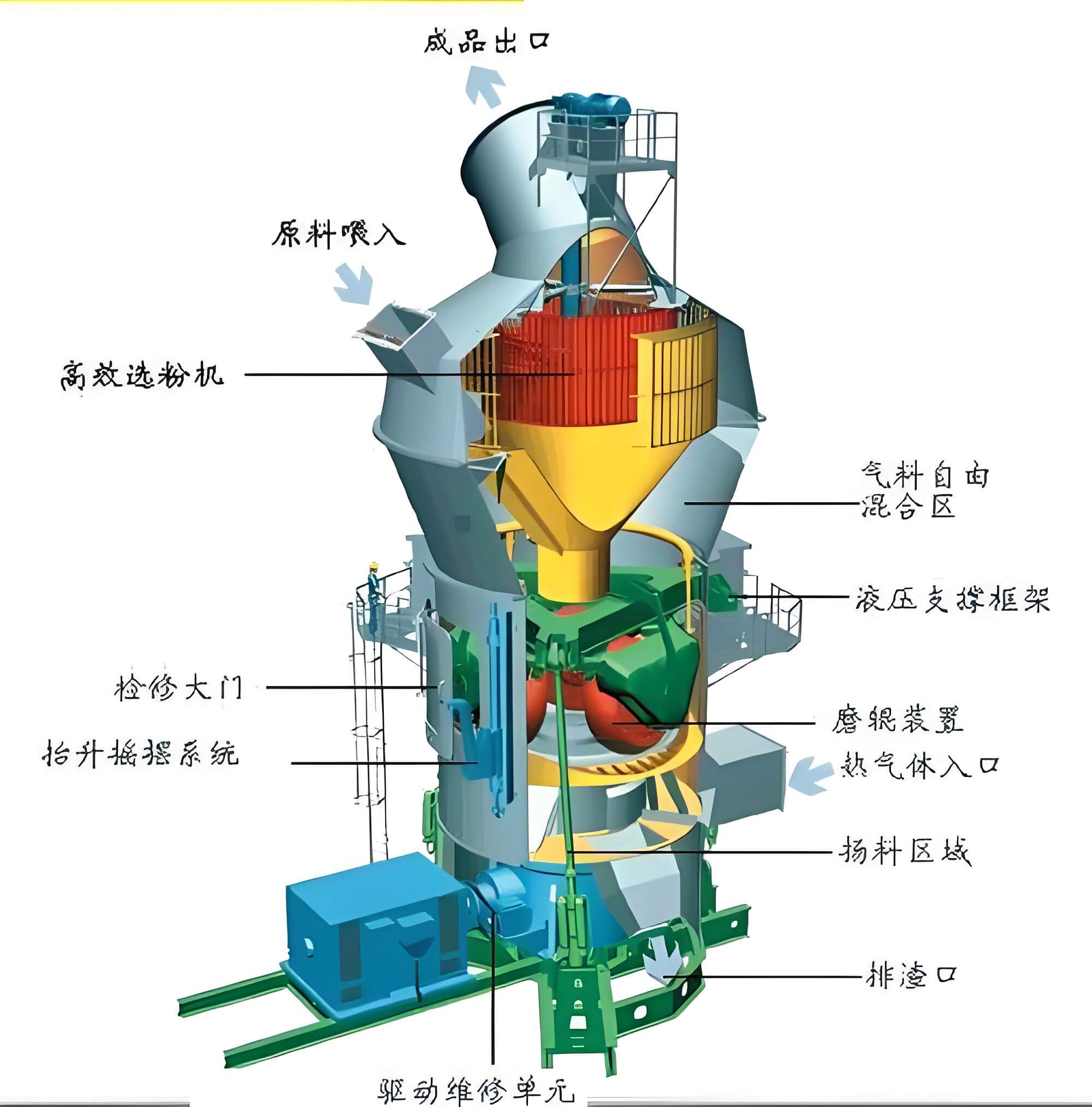
The working principle of a ring mill is compression and grinding.
It consists of 3 or 4 grinding rings and several grinding rollers.
The material is fed into the center of the rotating grinding rings.
As the grinding rings rotate, centrifugal force pulls the material towards the edge of the grinding rings.
At the edge, the material is ground between the grinding rings and the grinding rollers.
Product Structure
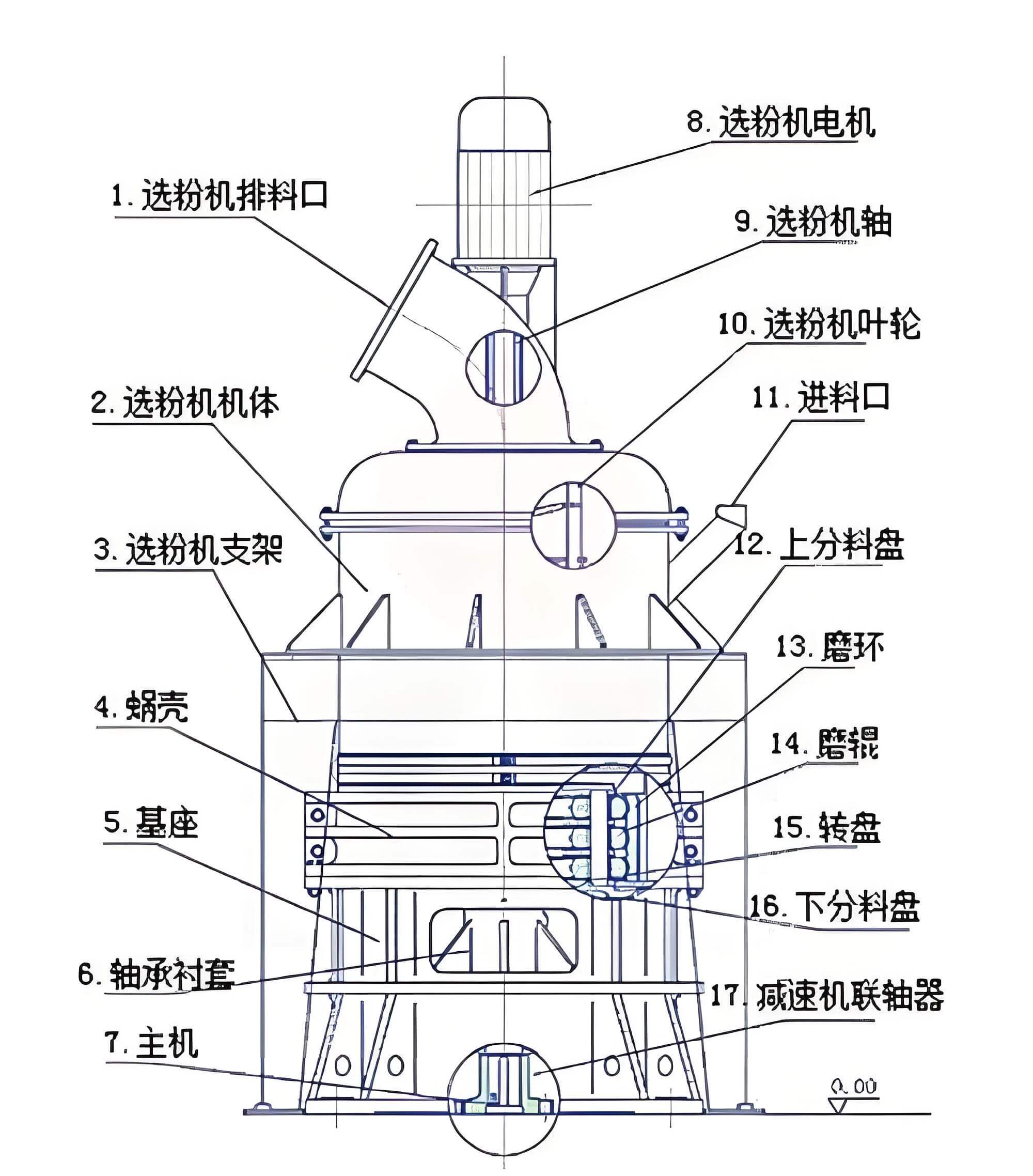
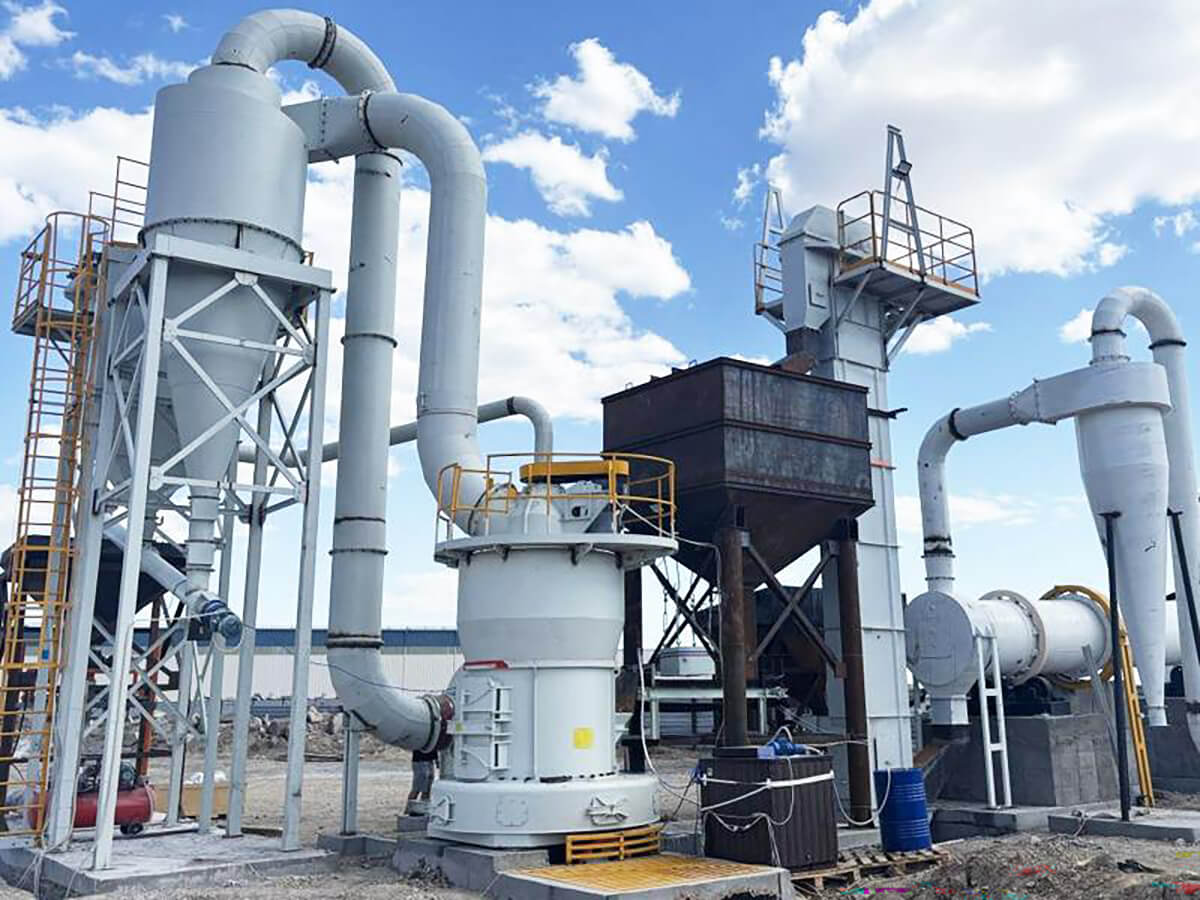
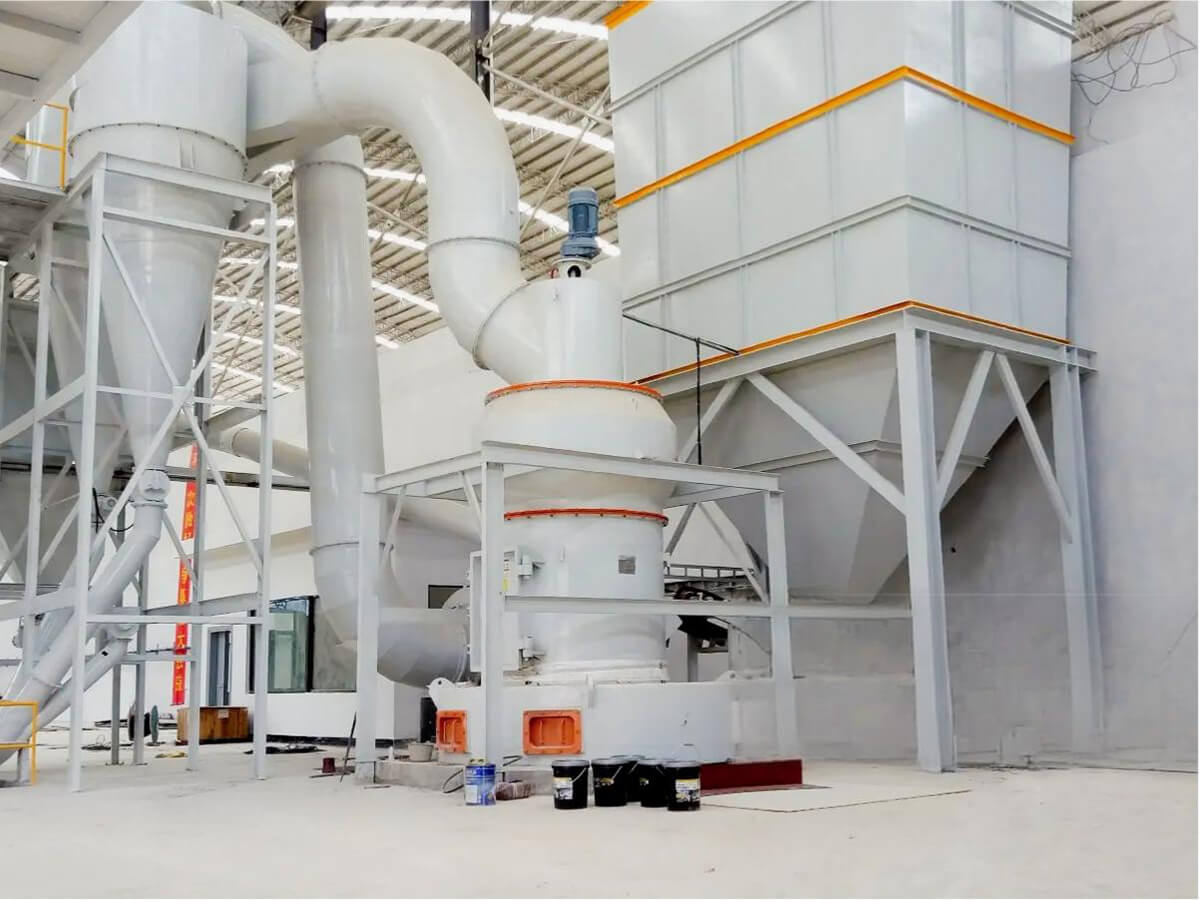
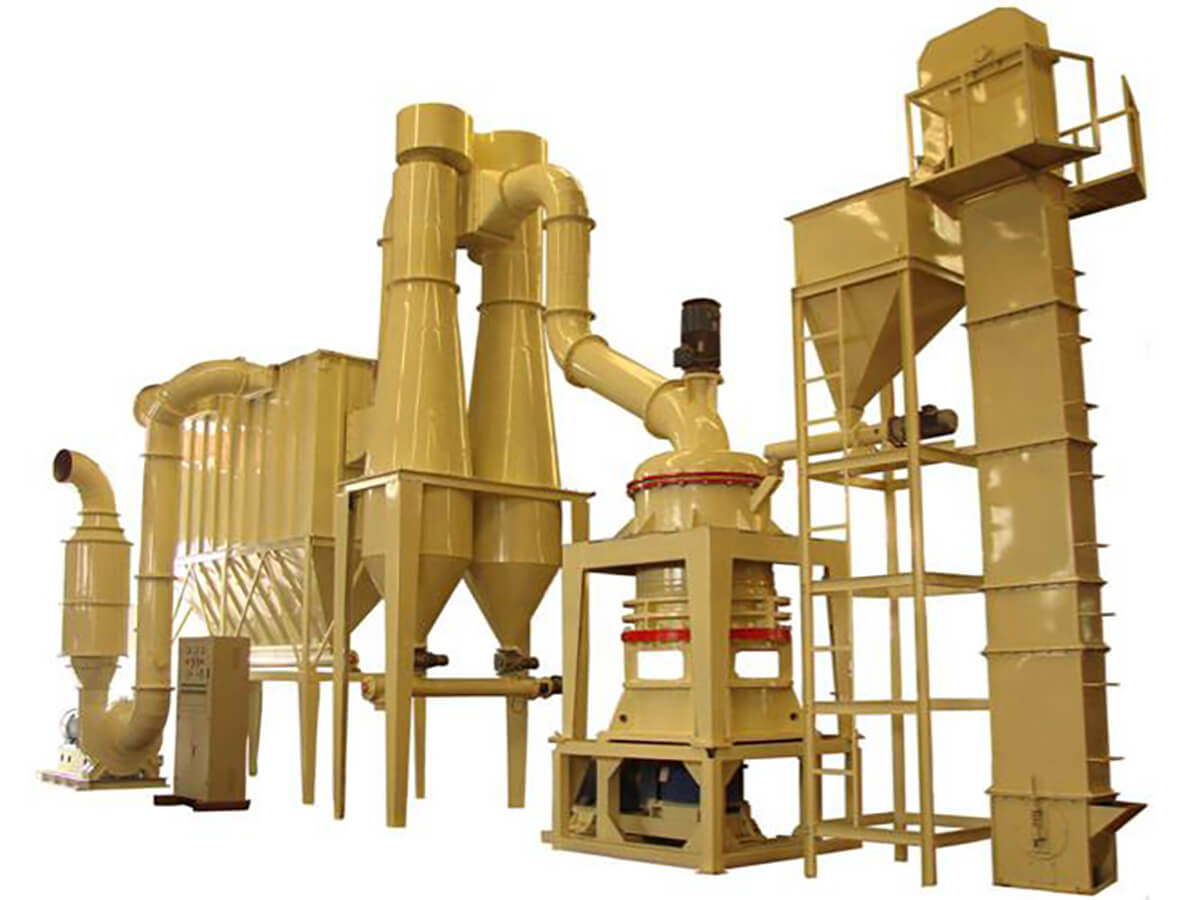
Grinding Ring: The grinding ring is the main component providing the compressive and shear forces required for grinding. It rotates and provides a surface for rolling the material.
Grinding Rollers: These cylindrical rollers apply grinding pressure to the material on the grinding ring. They roll on the grinding ring, crushing the material into fine particles.
Classifier: The classifier separates fine particles from coarse particles. Fine particles are collected, while coarse particles are returned for further grinding.
Feeder: The feeder evenly feeds the material into the grinding chamber.
Blower: The blower provides airflow, conveying the ground material through the grinder and to the classifier.
Cyclone Separator: The cyclone separator separates and collects the ground particles from the airflow.
Product Advantages
High fineness: Ring mills can produce extremely fine particles, making them suitable for ultrafine grinding applications.
High efficiency: Compared to other grinding methods, the design of ring mills allows for efficient grinding with lower energy consumption.
Conformity: Provides a uniform particle size distribution.
Compact design: Compared to horizontal mills, the vertical structure of ring mills occupies less space.