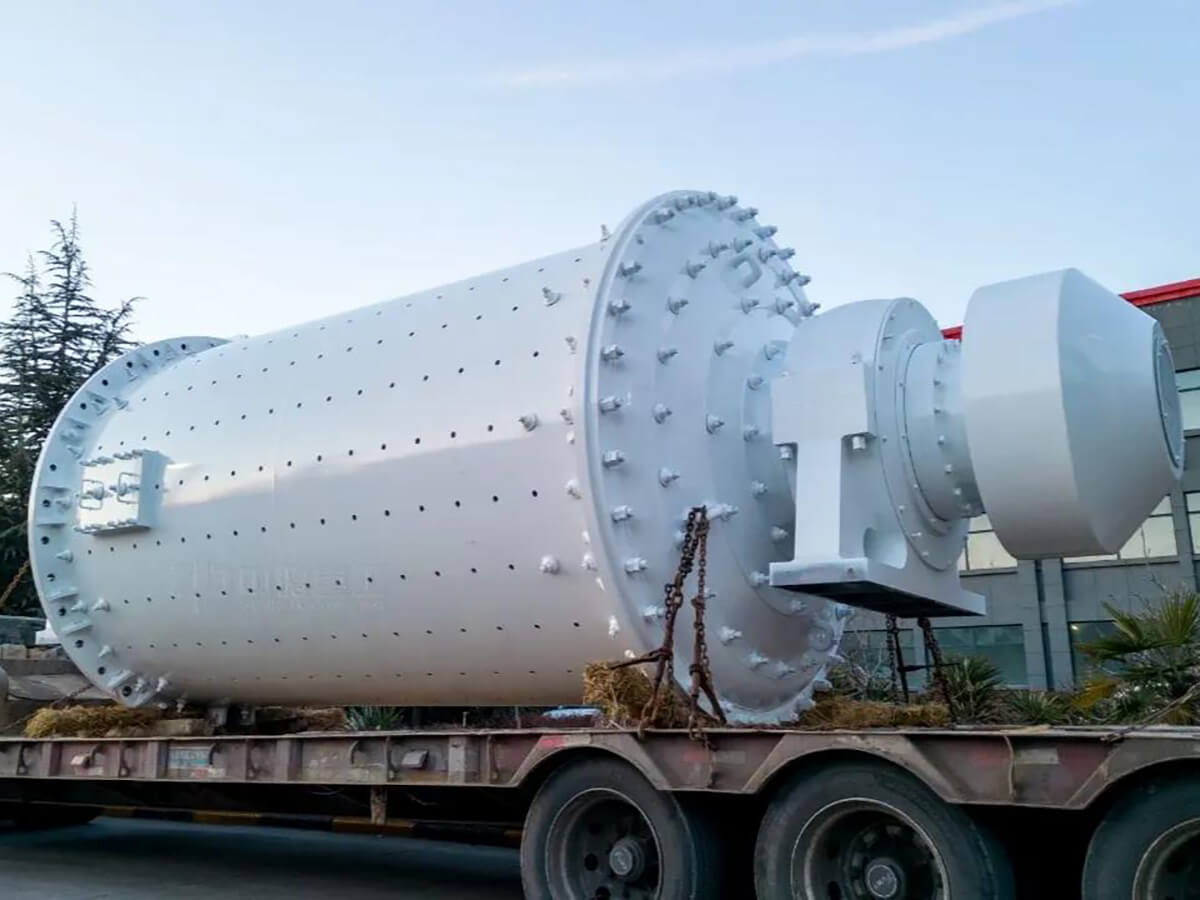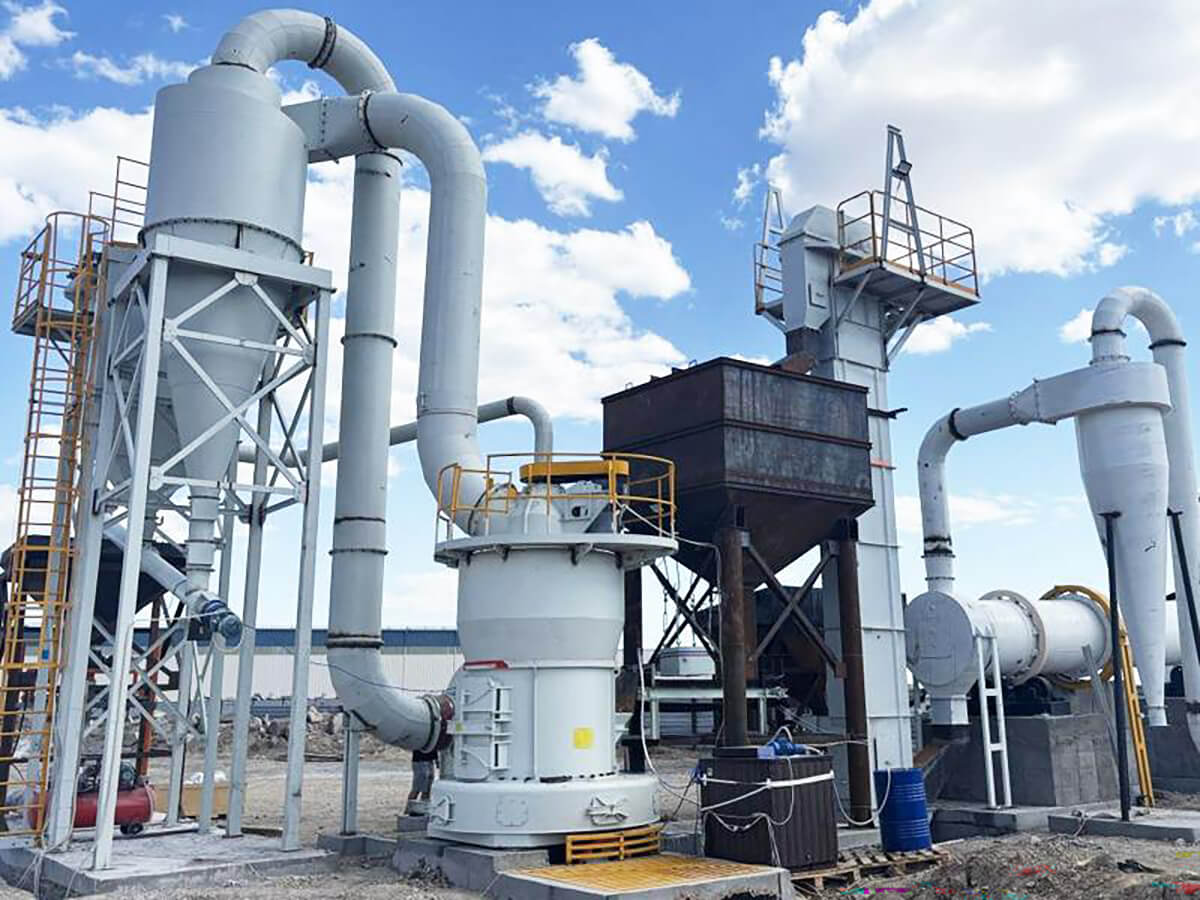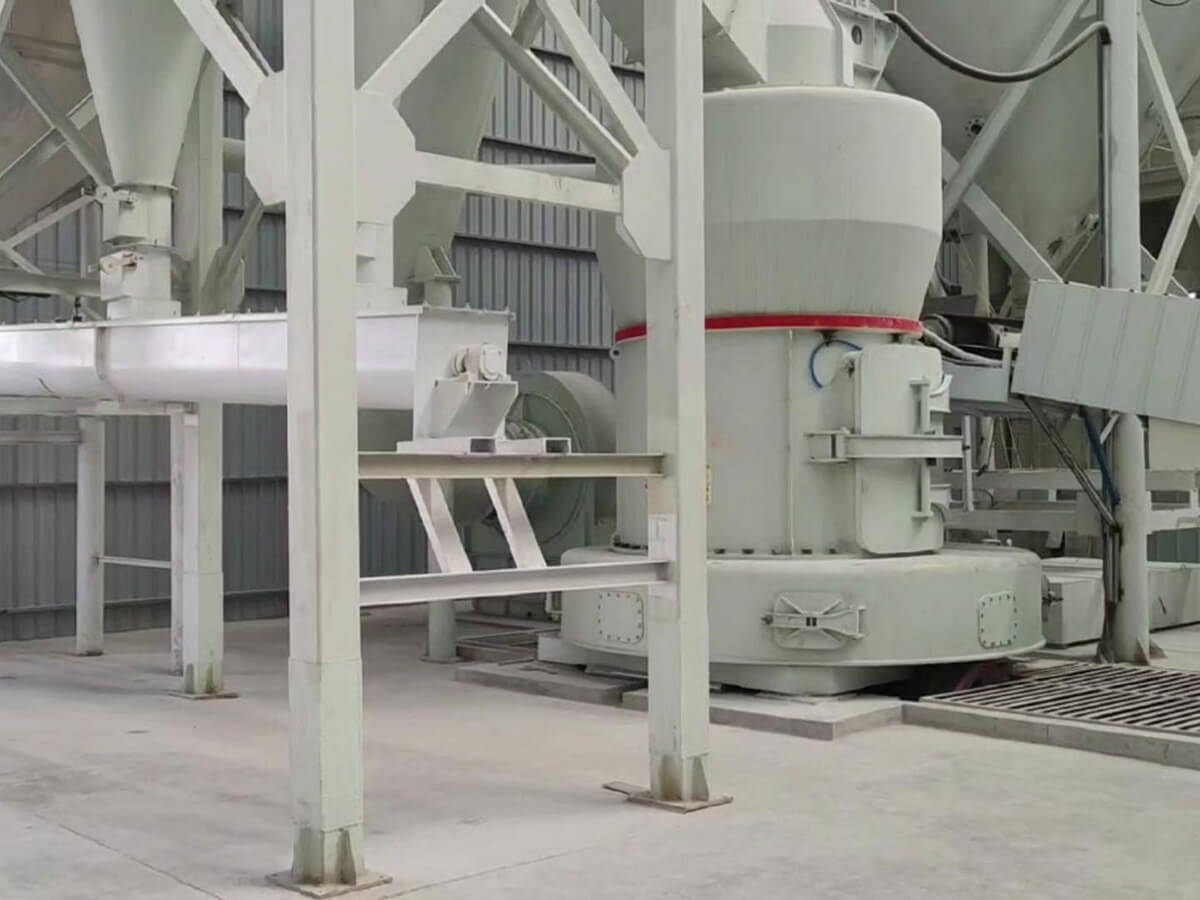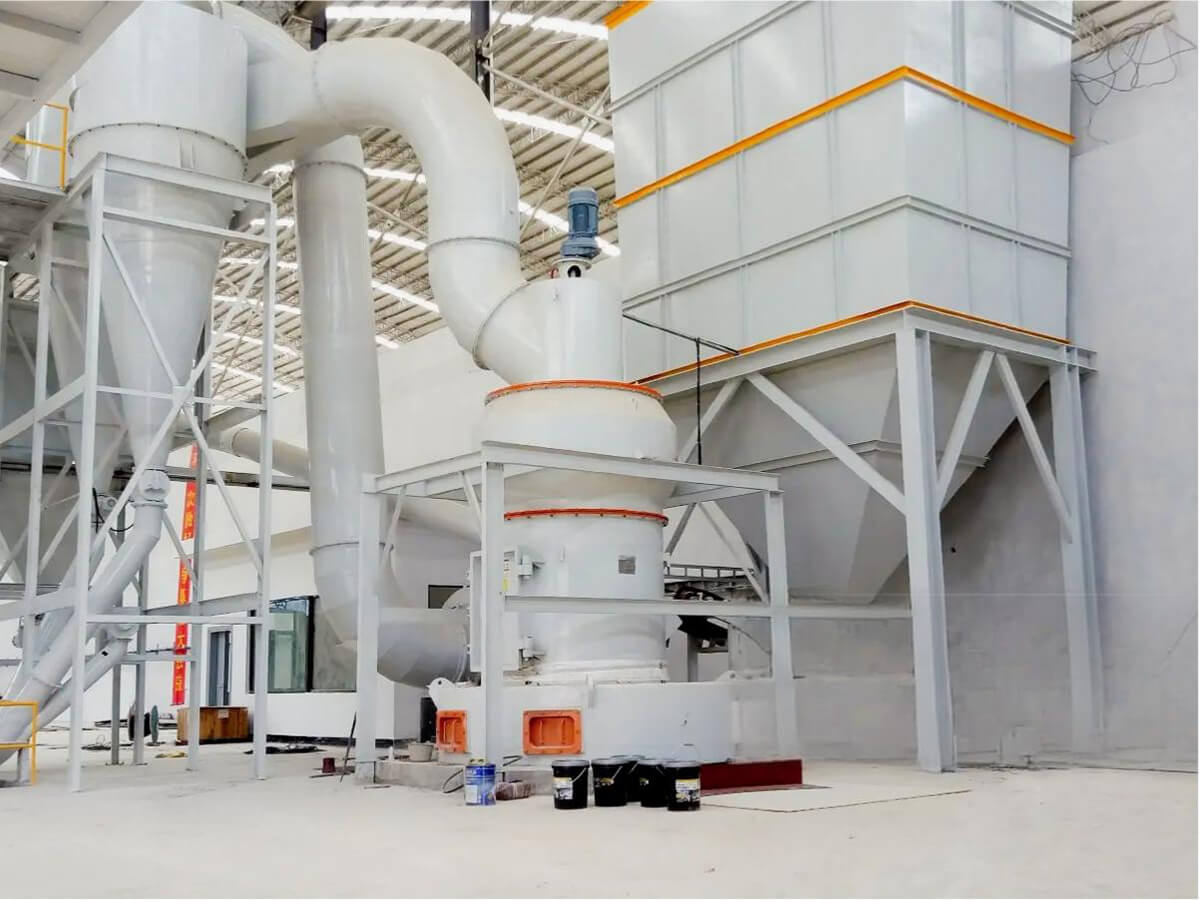
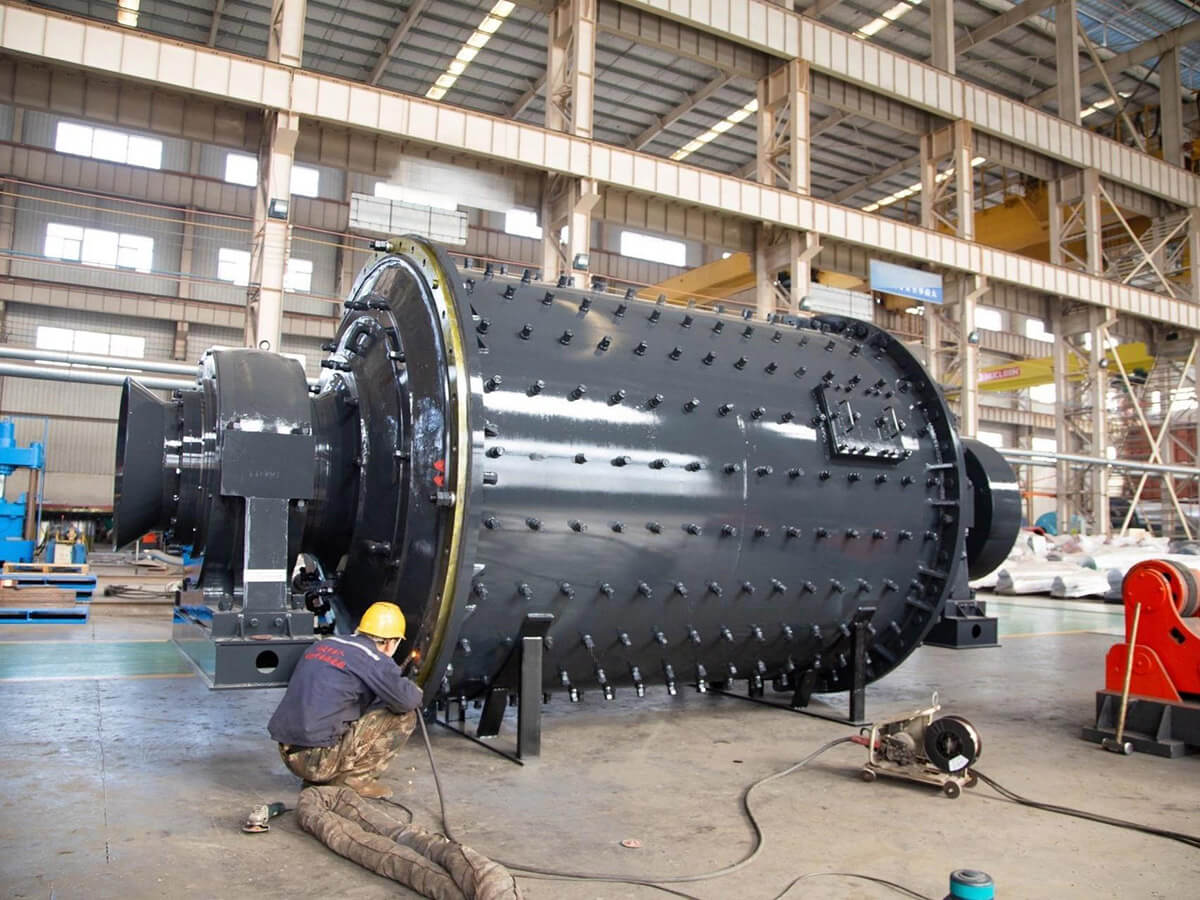
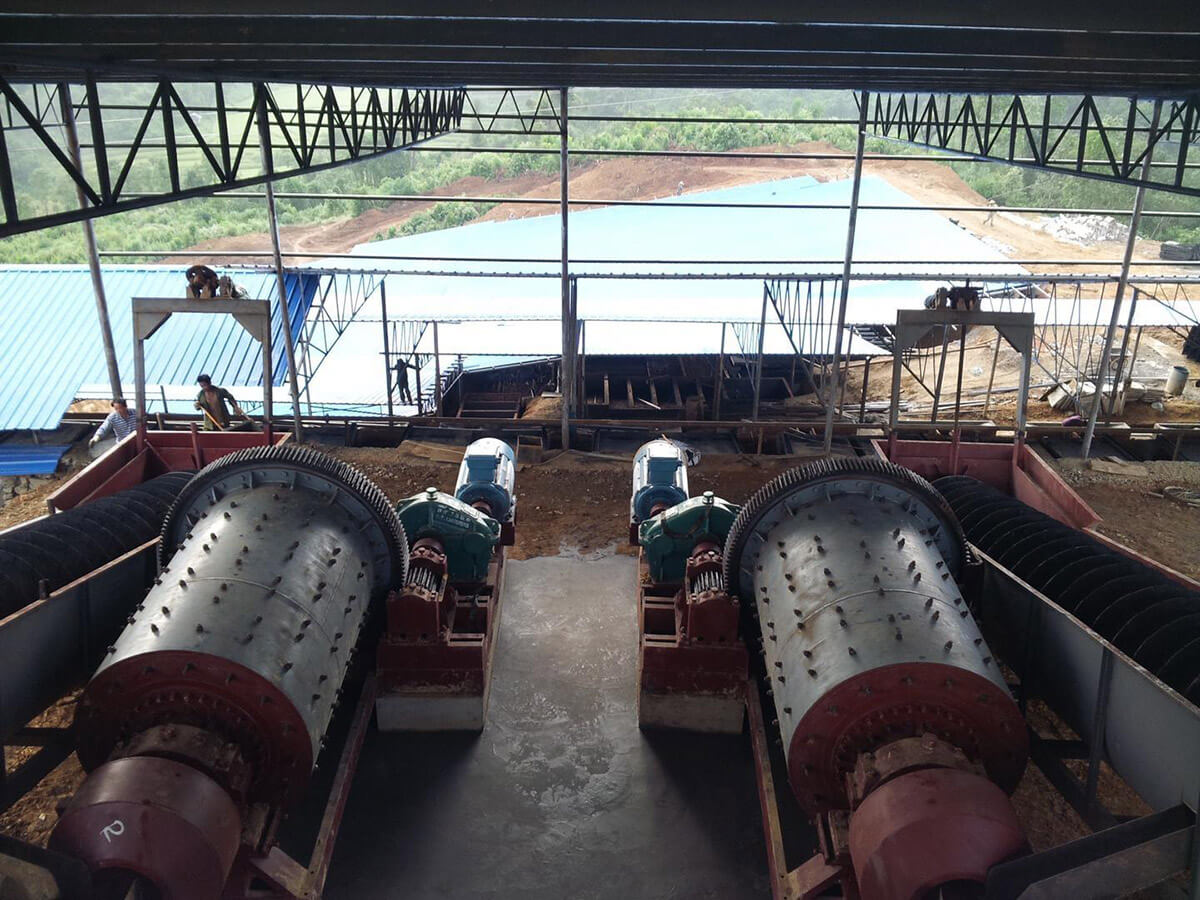
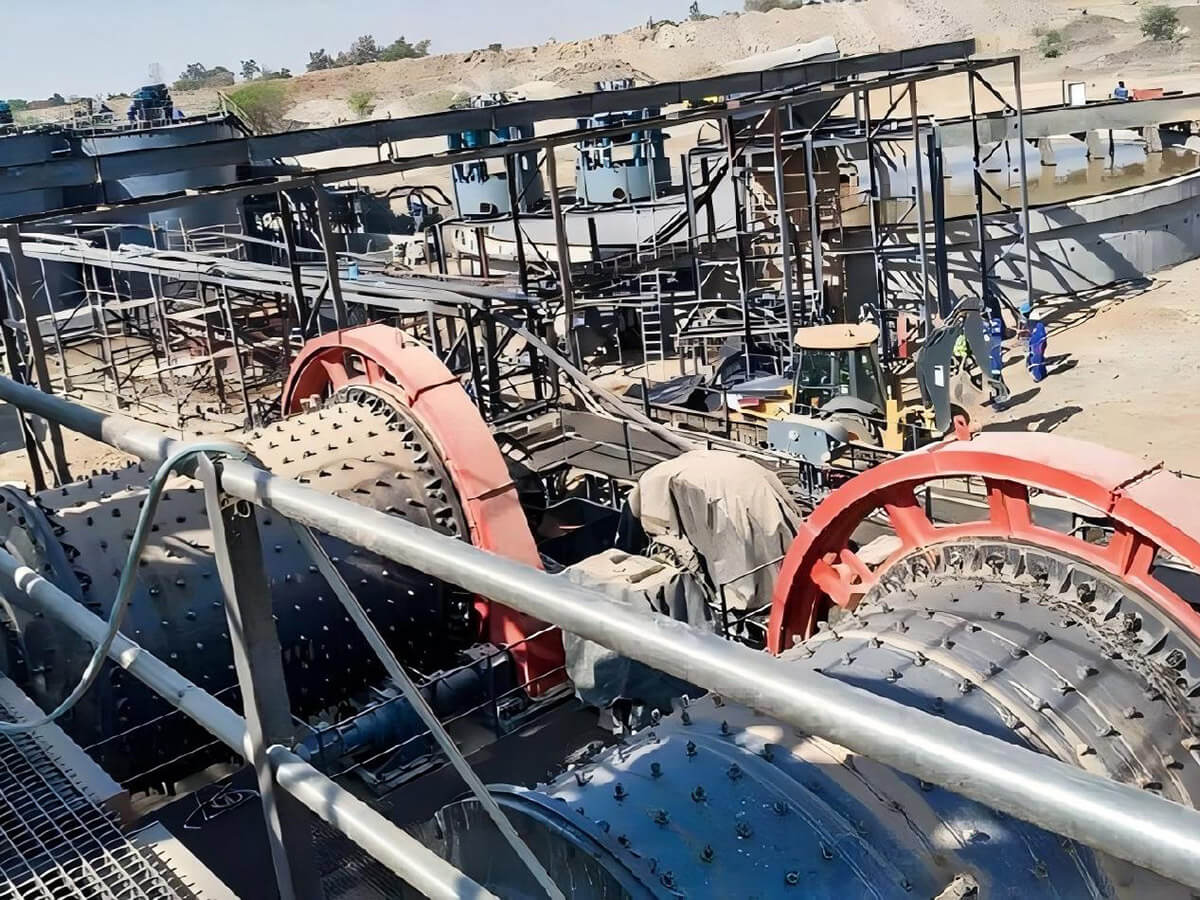
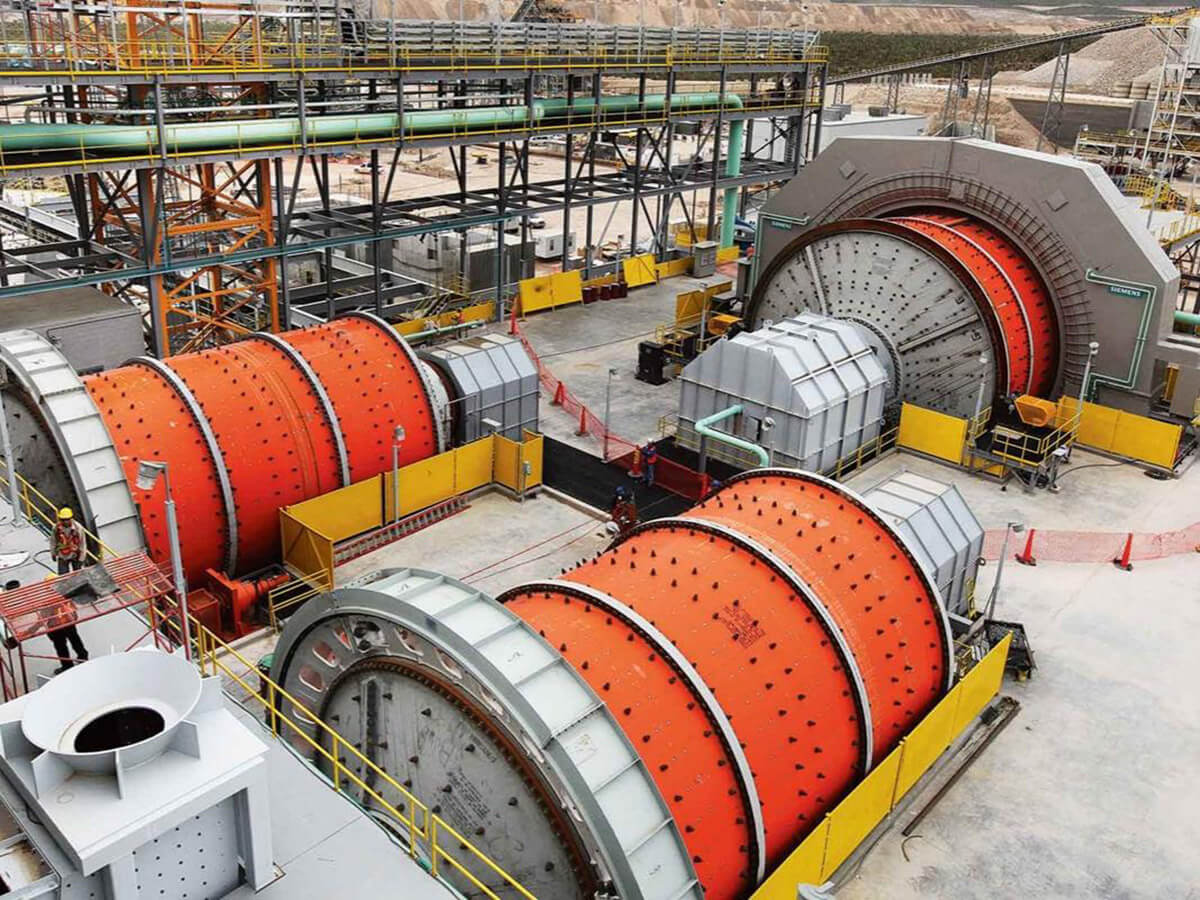

Wet ball mills are key grinding equipment widely used in industries such as mining, building materials, chemicals, cement, and mineral processing. They are mainly used for wet grinding of various grindable materials. Compared with dry ball mills, they have significant advantages in energy saving and environmental protection, processing capacity, and particle size control, and have become the mainstream choice for industrial grinding.
Working Principle
A wet ball mill uses the rotation of the cylinder to drive the movement of steel balls and materials inside. After the material and water enter the cylinder in a specific ratio from the feed end, the centrifugal force and friction generated by the cylinder's rotation lift the steel balls to a certain height before they fall freely, impacting and grinding the material. Simultaneously, the sliding friction between the materials and between the steel balls and the liners further achieves fine grinding. The ground slurry is discharged through the discharge device and enters the classification system for particle size screening.
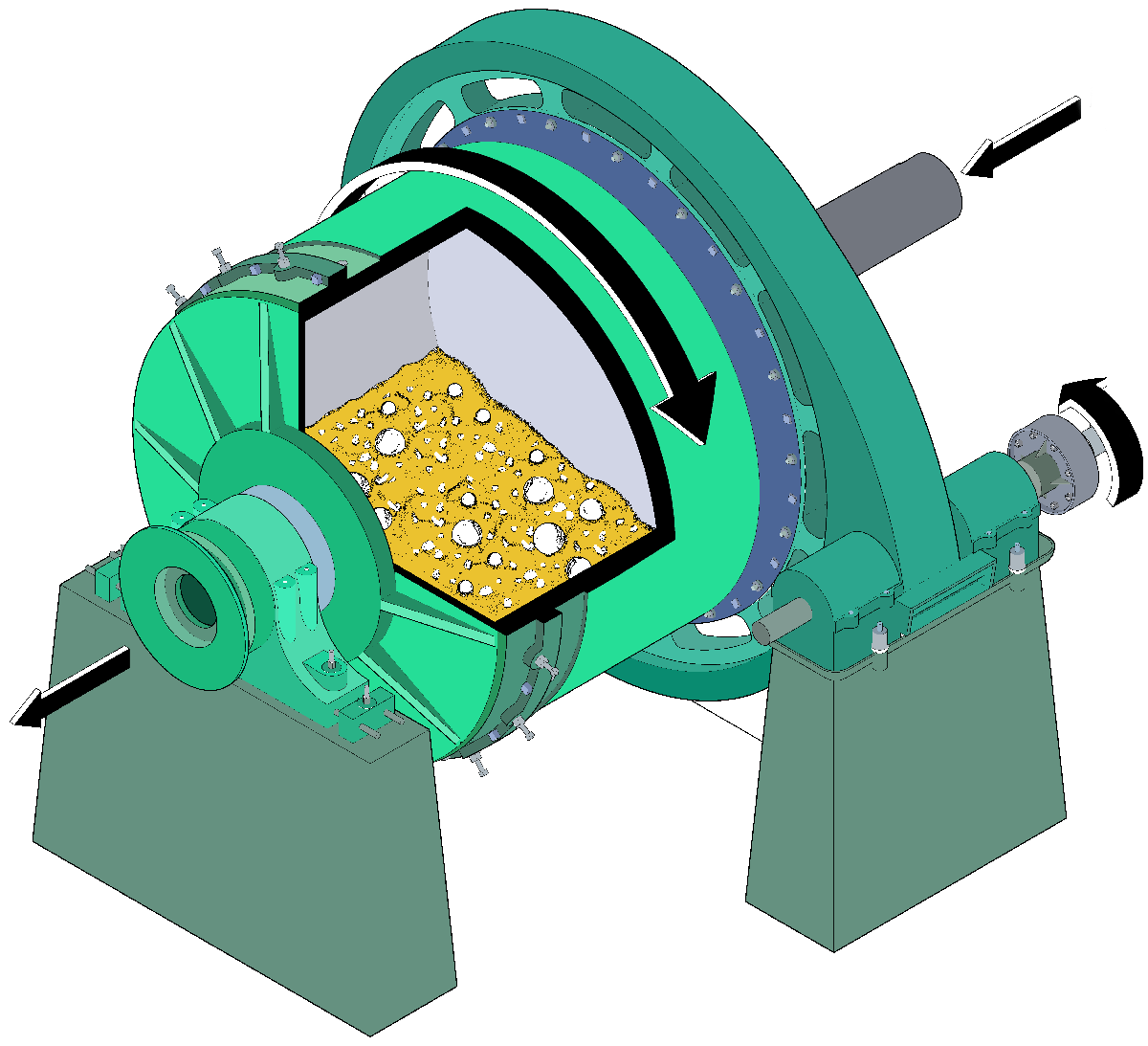
Depending on the discharge method, wet ball mills are divided into two types: grate type and overflow type:
- Grate Type: Relies on grate plates for forced discharge, resulting in a low slurry level, reducing over-grinding, suitable for coarse grinding or single-stage grinding, and offering higher processing capacity.
- Overflow Type: Relies on internal pressure for natural overflow discharge, resulting in finer product particle size, suitable for applications requiring high fineness.
Product Structure
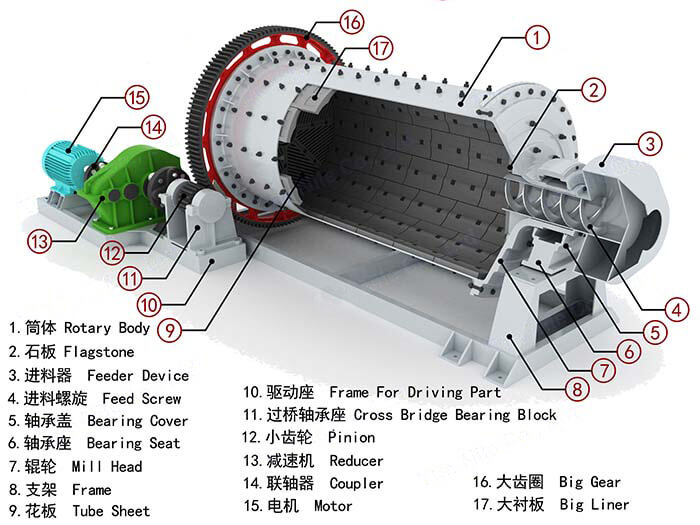
A wet ball mill mainly consists of the following parts:
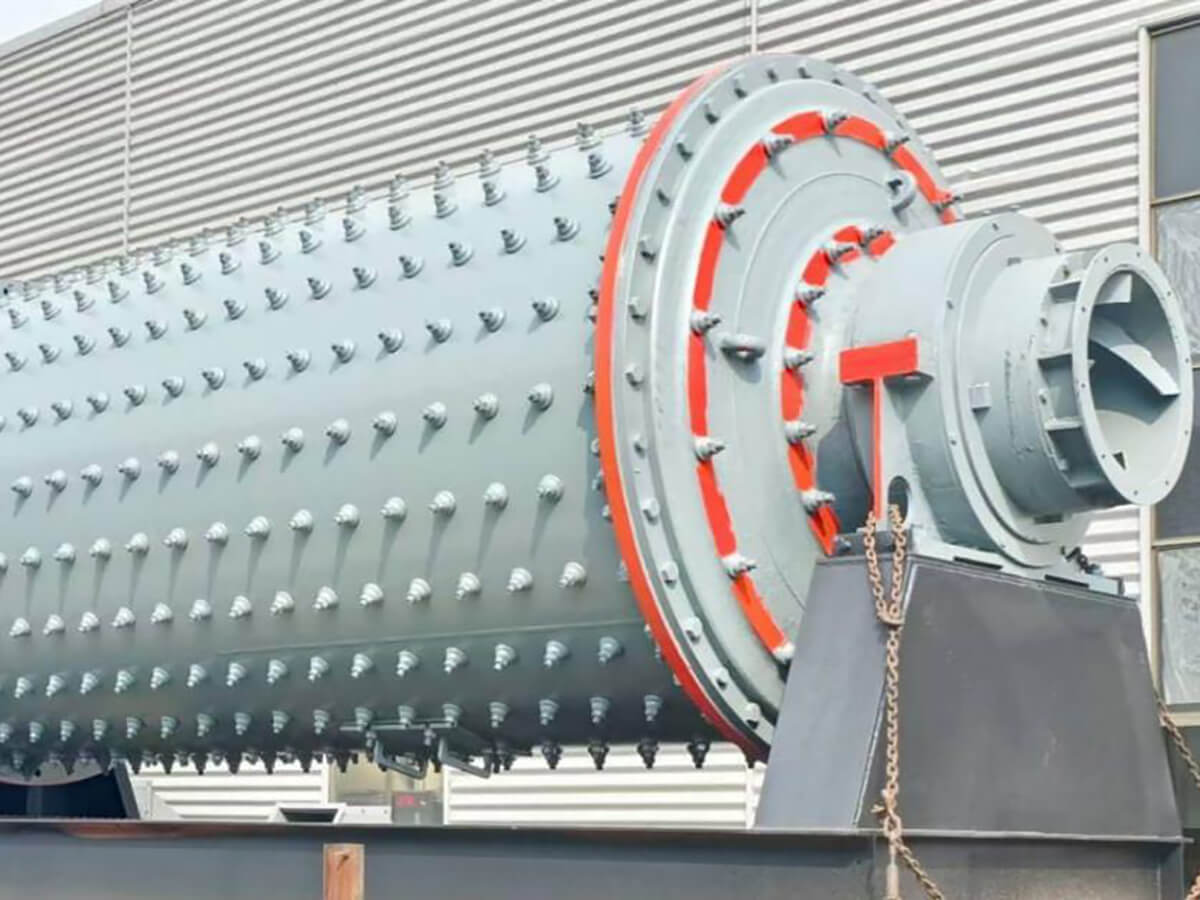
1. Cylinder Section: A cylindrical structure welded from 15–36mm thick steel plates, lined with wear-resistant plates (such as high-manganese steel, rubber, ceramics, etc.) to protect the cylinder and optimize grinding performance.
2. Feeding Section: Materials and water are evenly fed into the cylinder via a combined feeder or screw conveyor to prevent clogging.
3. Discharge Section: An internal screw conveyor or screen plate controls the discharge particle size, ensuring smooth discharge of qualified slurry.
4. Transmission Section: Composed of a motor, reducer, and large and small gears, driving the cylinder to rotate at low speed. Some models employ edge drive or center drive designs.
5. Bearing System: Primarily uses double-row self-aligning roller bearings or hydrostatic bearings to reduce friction loss and extend service life.
6. Lubrication and Sealing System: Equipped with a thin oil lubrication device and sealing structure to ensure long-term stable operation.
Product Advantages
1. Energy-saving and Environmentally Friendly: Investment is 5%–10% lower than dry ball mills, unit energy consumption is reduced by 25%–30%, and no ventilation system or dust removal equipment is required.
2. High Processing Capacity: For the same specifications, wet grinding has a 10%–20% higher processing capacity than dry grinding, and some energy-saving models can increase hourly output by up to 15%.
3. Low Dust and Environmentally Friendly: Wet operation generates no dust pollution, improving the working environment for workers and meeting environmental protection requirements.
4. Good Particle Size Controllability: The slurry can be directly fed into a classifier (such as a hydrocyclone) to achieve closed-loop circulation, ensuring uniform particle size in the finished product.
5. High Degree of Automation: Supports controllable feeding and discharging, automatic ball feeding, remote monitoring, and other functions, reducing labor intensity.
6. Wide Applicability: Can process materials with high mud and water content, especially suitable for pre-benefit preparation of low-grade magnetic iron ore and complex ores.