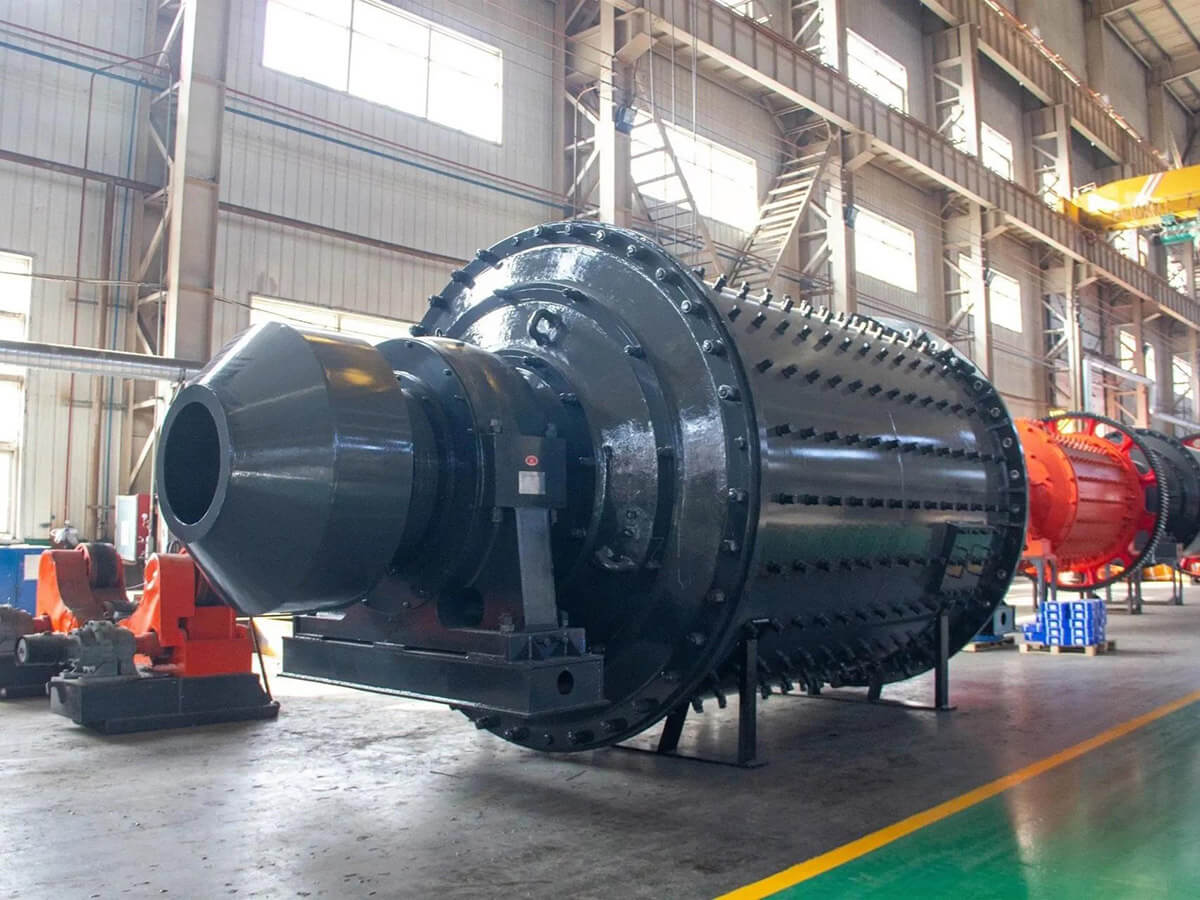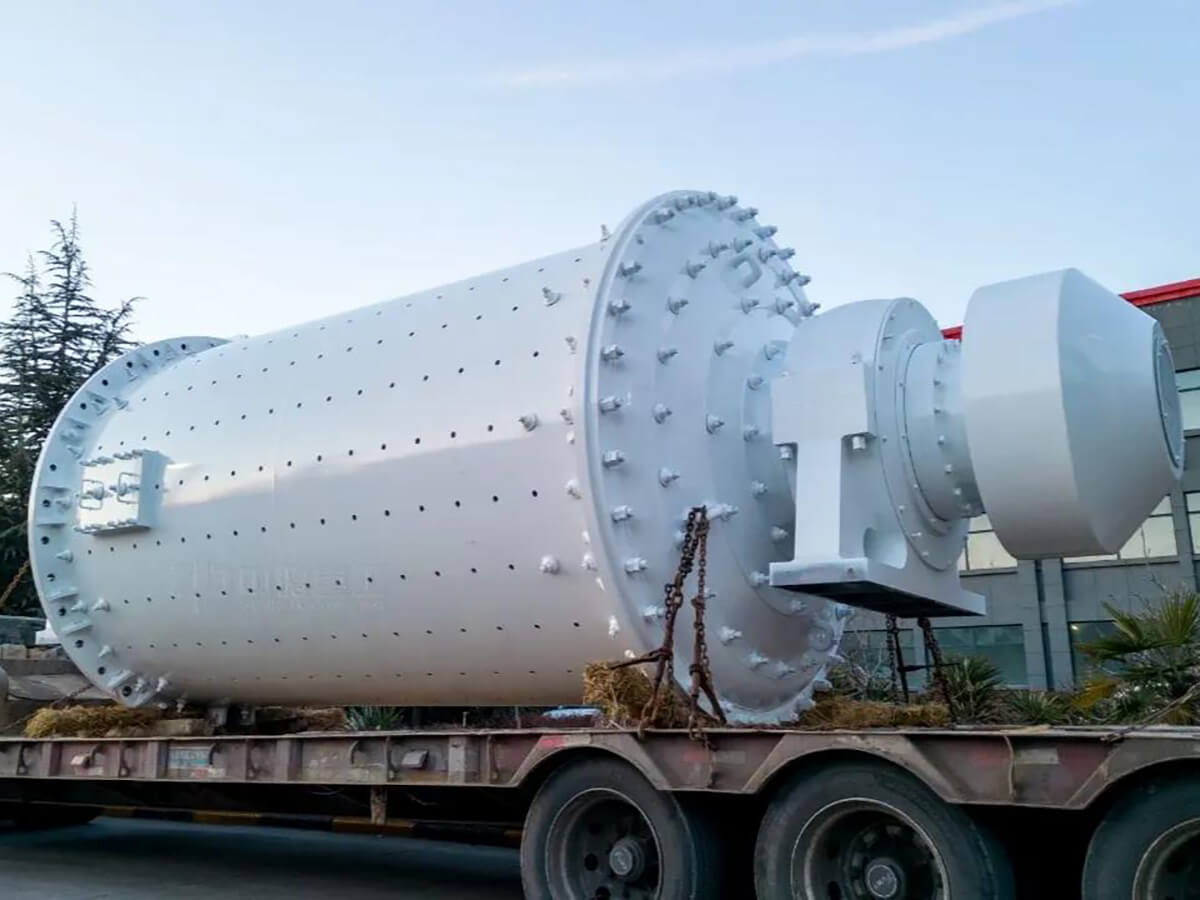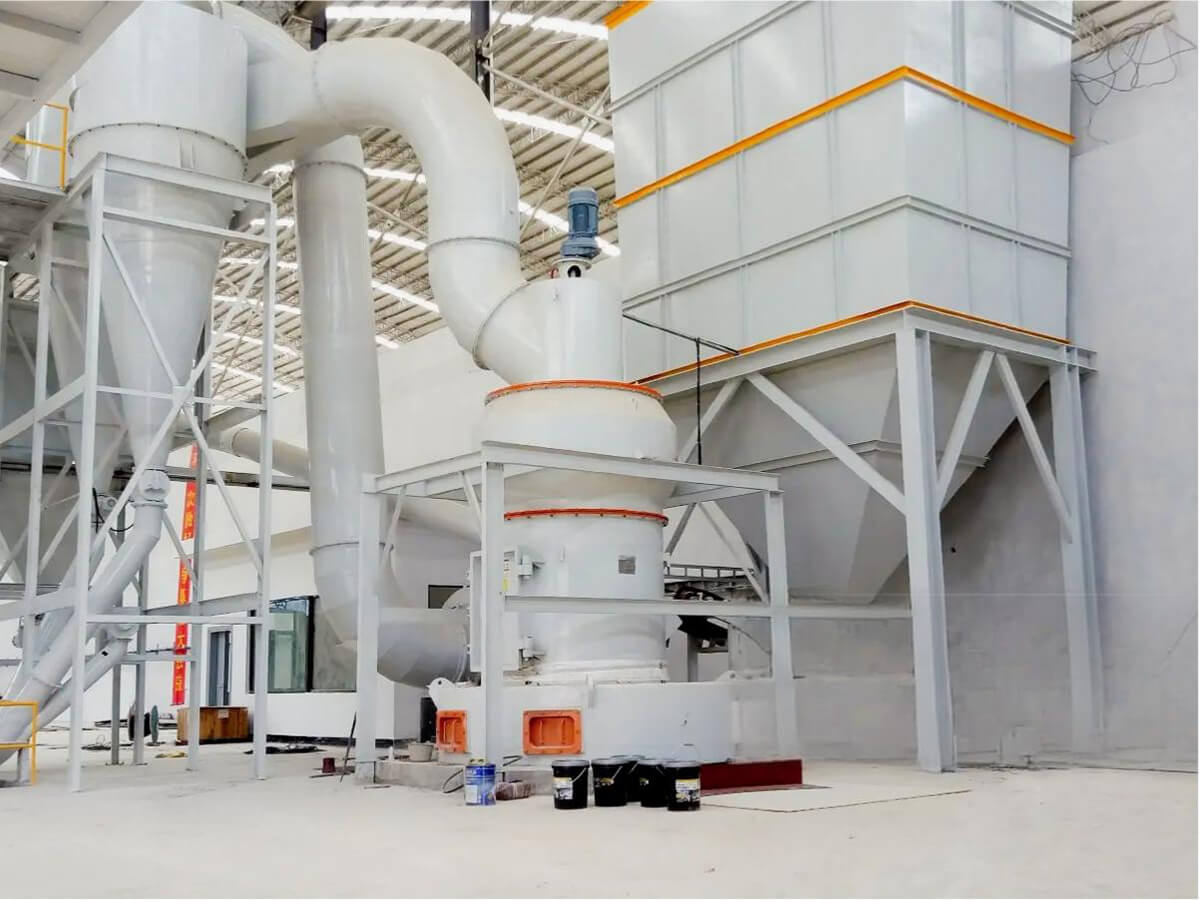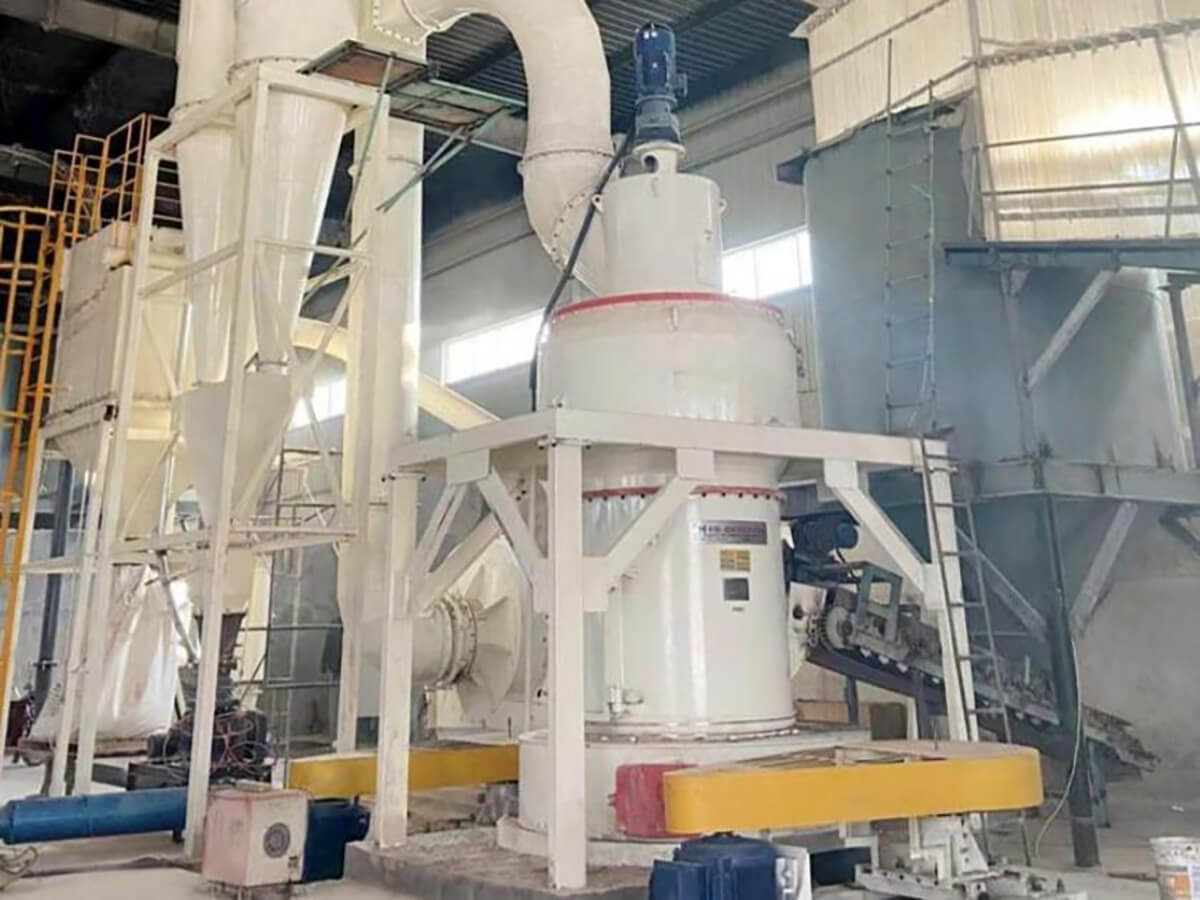
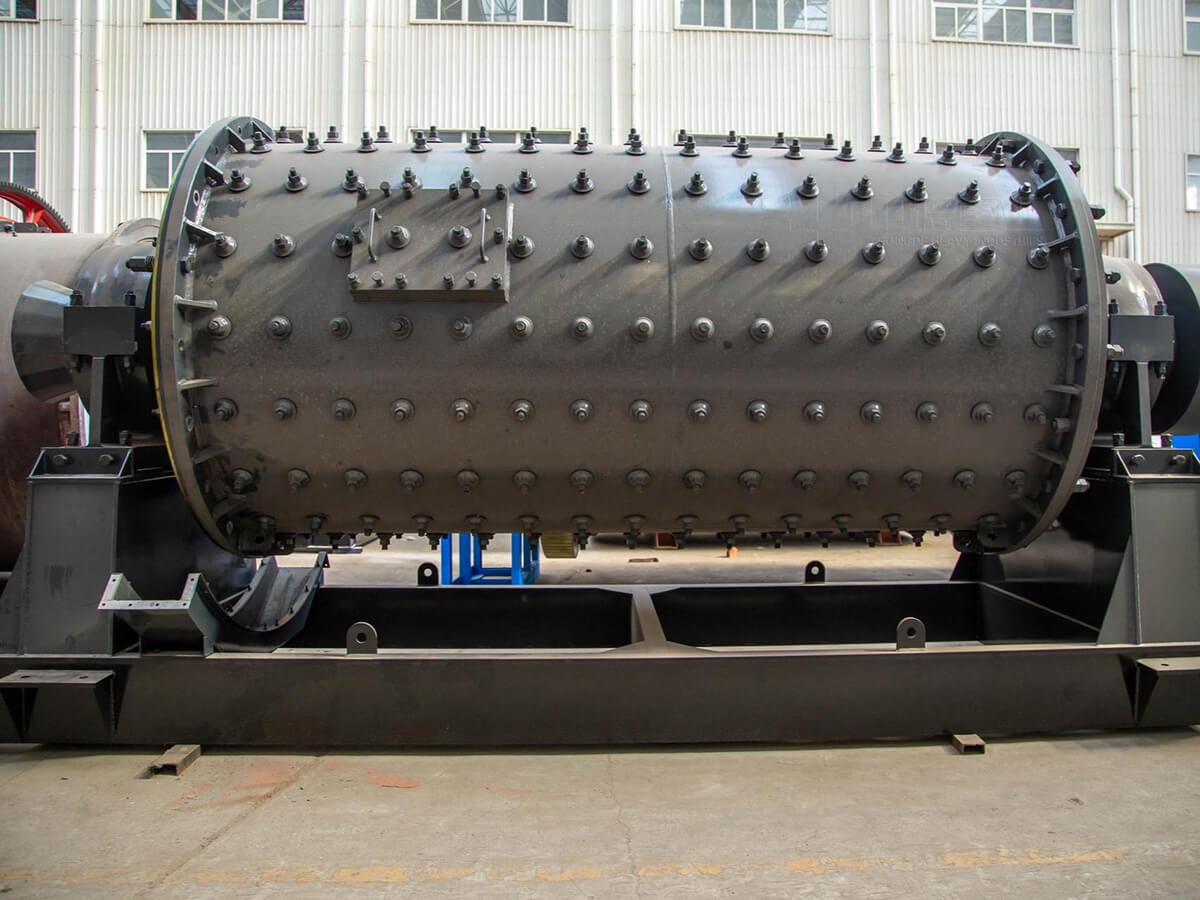
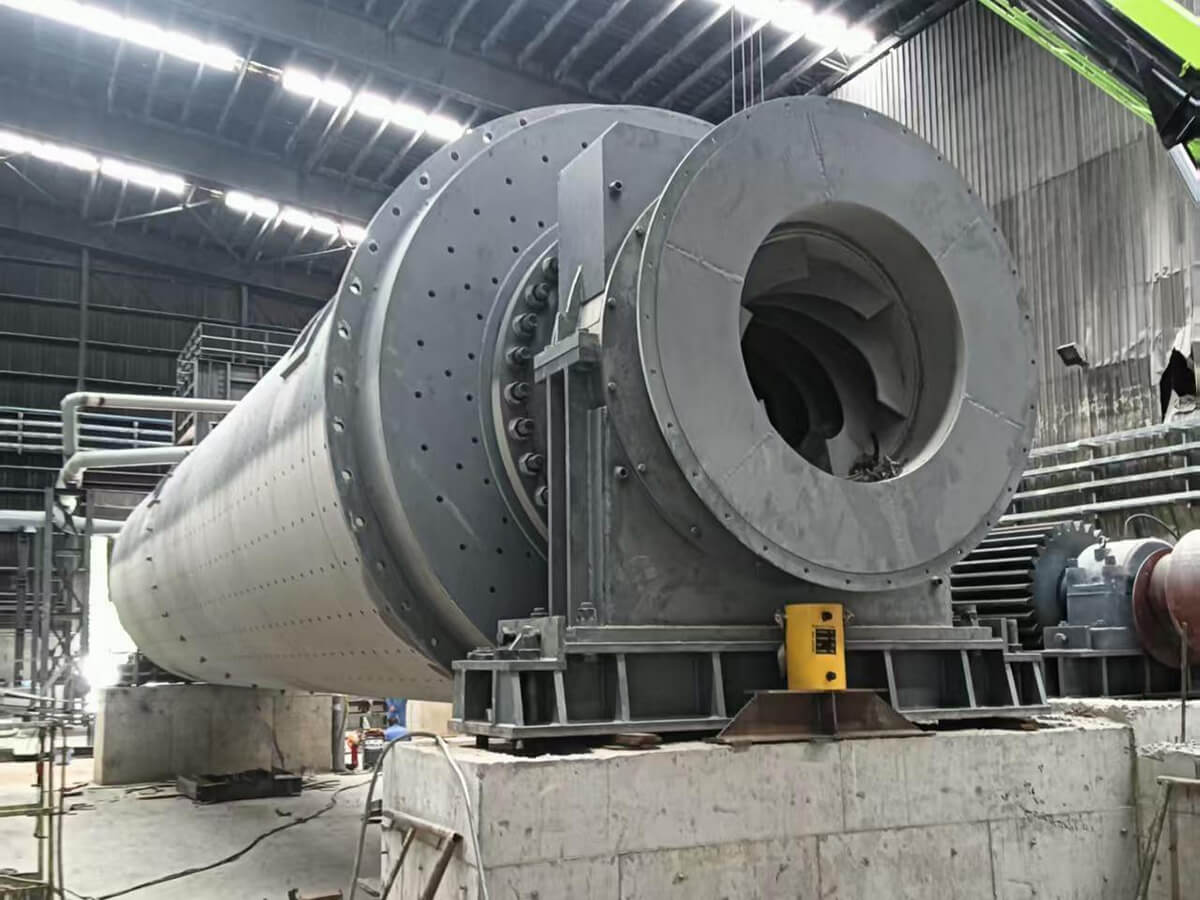
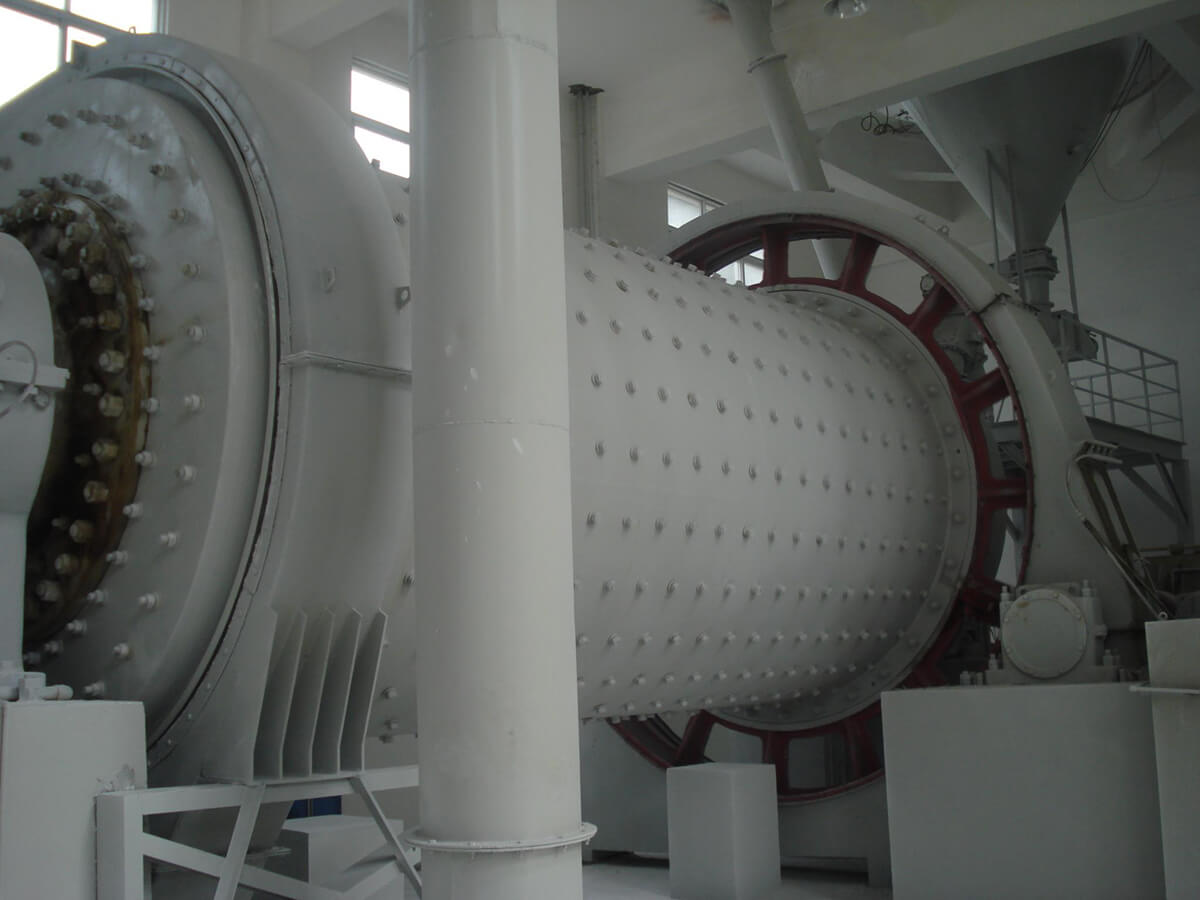
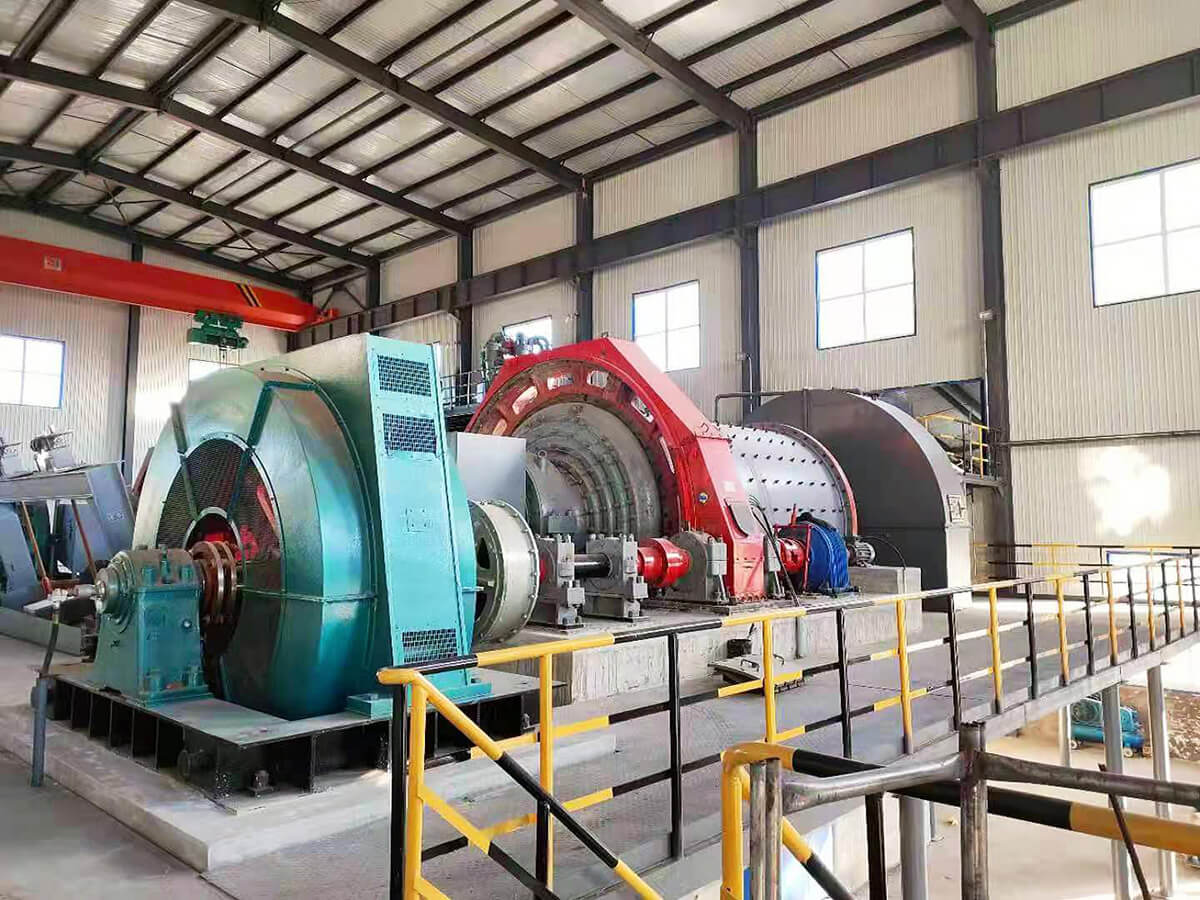
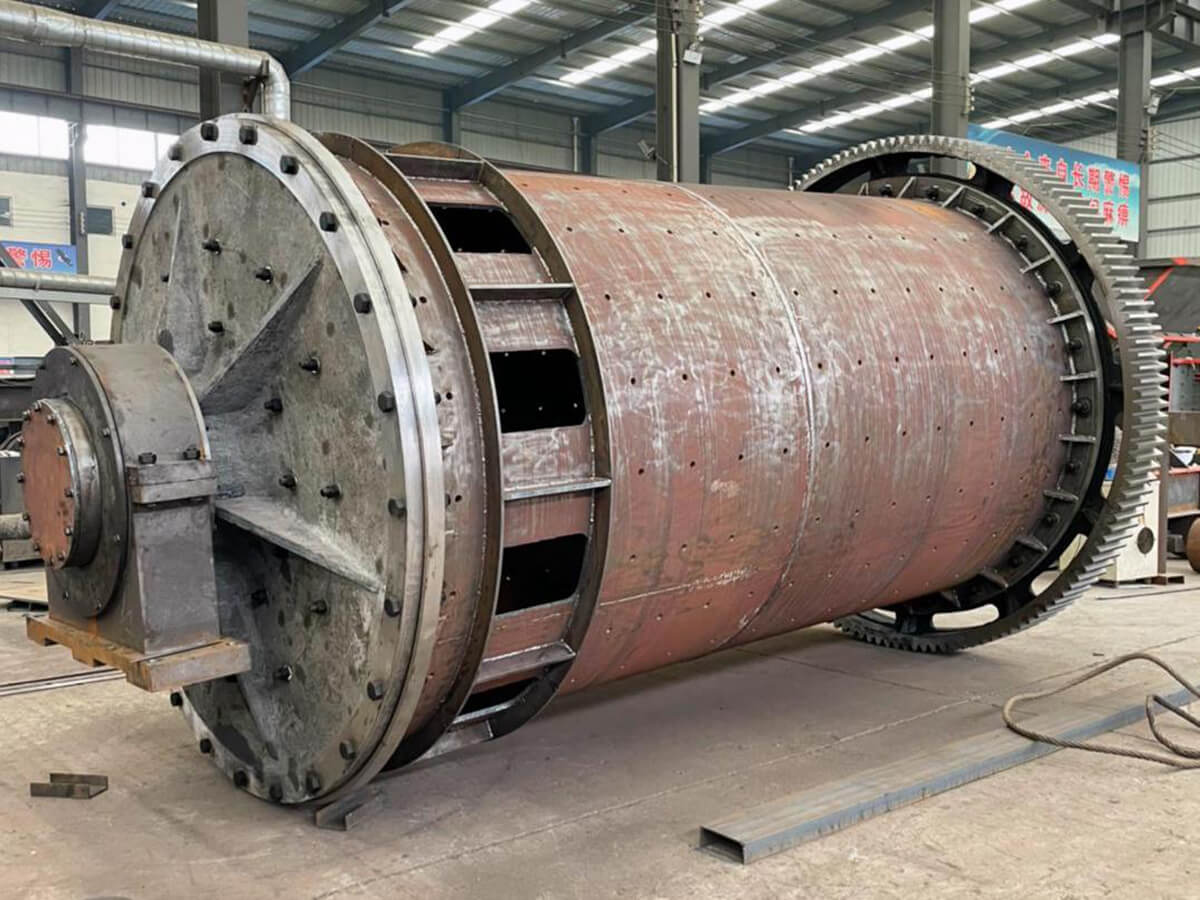

A rod mill gets its name from the steel rods used as grinding media inside its cylinder. It consists of five parts: a cylindrical shell, a feeding system, a discharge system, a main bearing, and a transmission system. Rod mills can be used for both dry and wet grinding according to customer requirements. We can match suitable grinding media based on your raw material characteristics, employing advanced inlet and outlet control technology to achieve a more uniform discharge particle size. Ores with a Mohs hardness between 5.5 and 12 can be processed using our rod mills.
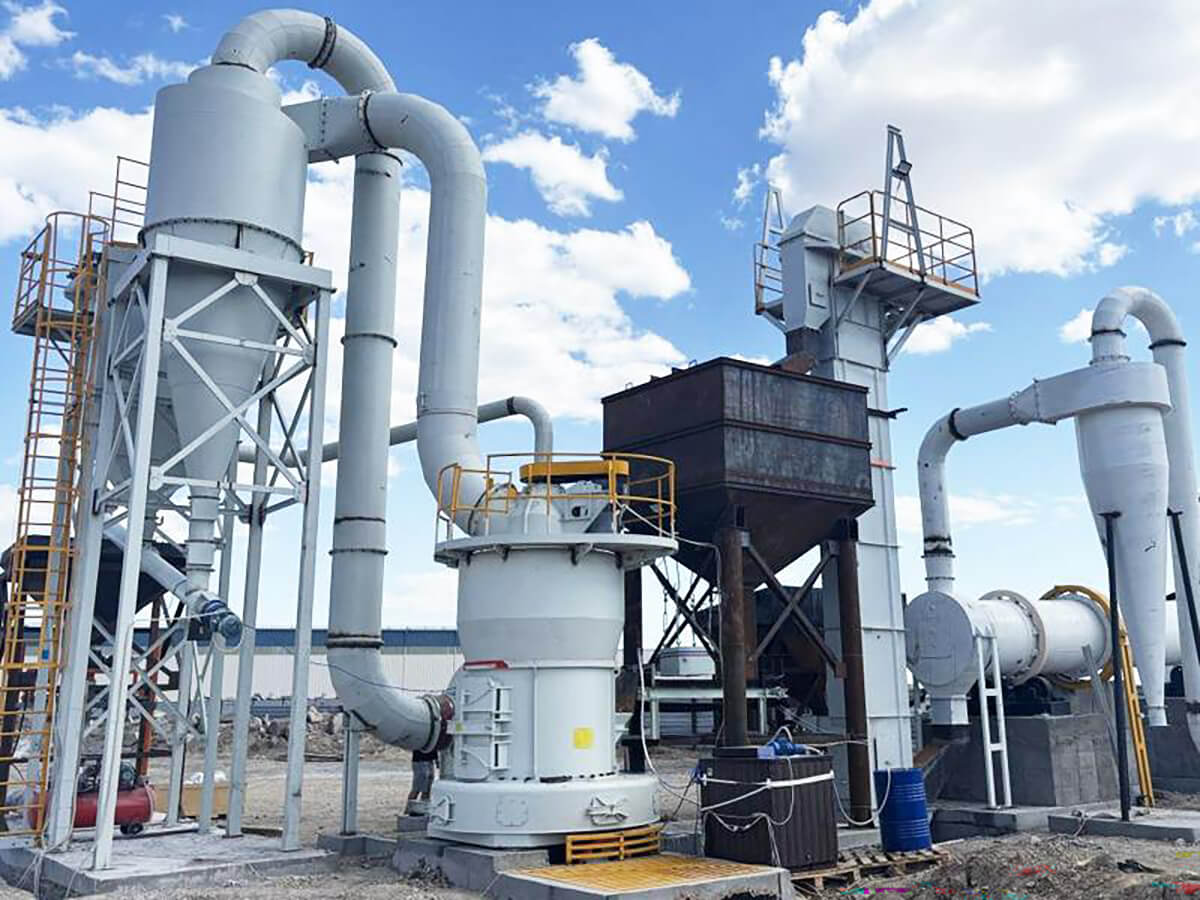
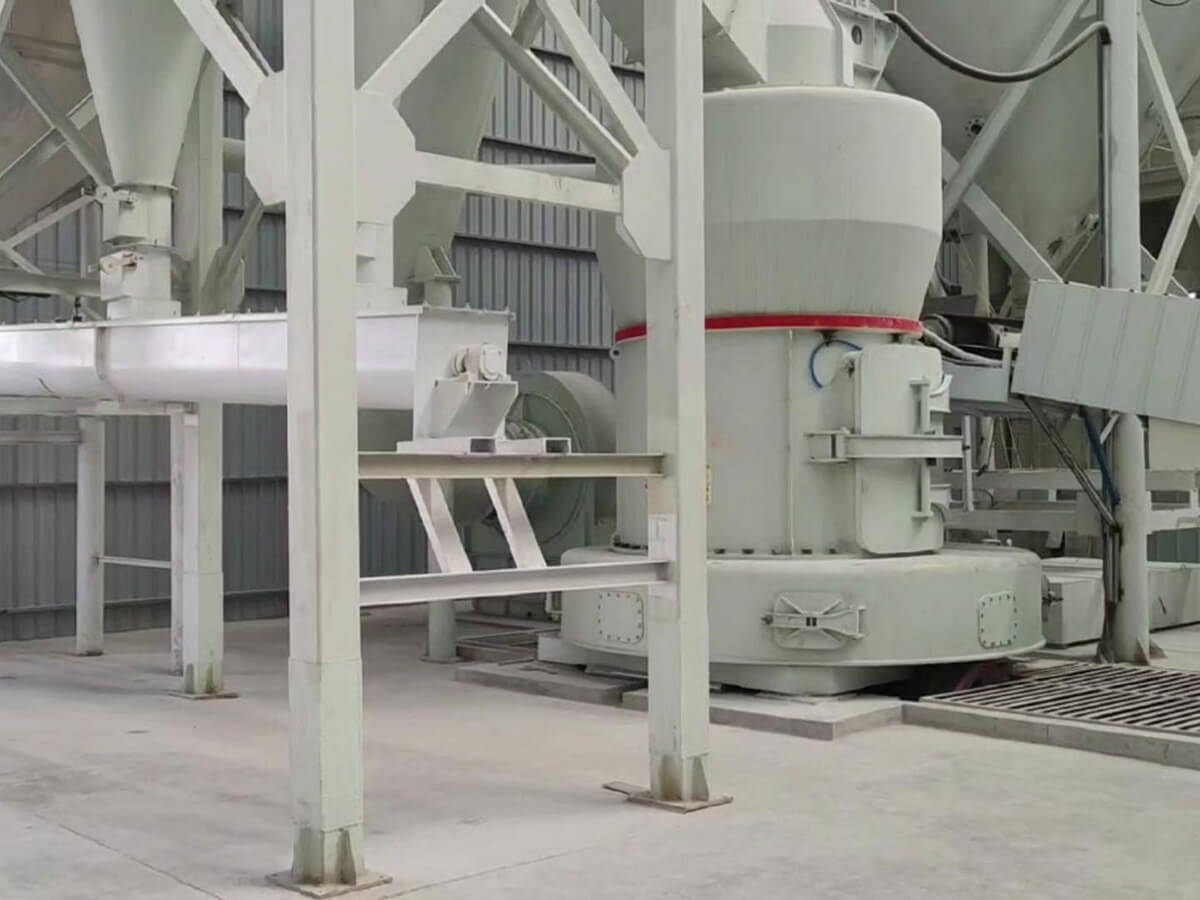
Rod mills are characterized by high grinding efficiency, large single-pass capacity, low energy consumption, and low dust pollution. They generally employ a multi-chamber structure and are commonly used in closed-circuit and open-circuit grinding processes for dry grinding of cement, fly ash, and various non-metallic materials.
Working Principle
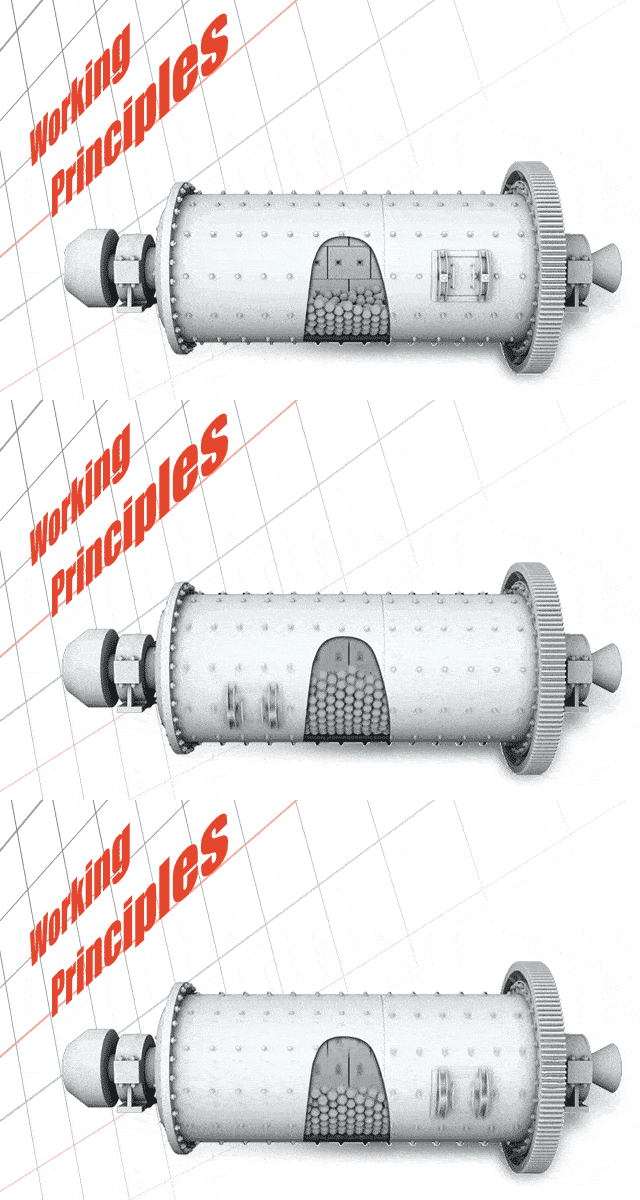
A ball mill is a horizontal rotating device driven by an external gear. Material is evenly conveyed into the grinding chamber via the main shaft. The grinding chamber is equipped with trapezoidal and corrugated liners and contains steel balls of different sizes. The centrifugal force generated by the rotation of the cylinder causes the steel balls to rise to a certain height, impacting and grinding the material. The ground material is discharged through the discharge plate, thus completing the grinding process.
Product Structure
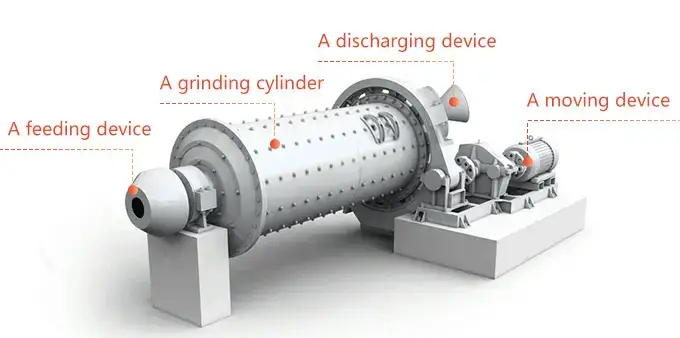
This machine consists of a feeding section, a discharging section, a rotating section, and a drive section (reducer, small drive gear, motor, and electrical control system). The main shaft is made of cast steel with removable bushings. The rotating gears are manufactured using a cast gear hobbing process, and the drum is equipped with wear-resistant bushings, providing excellent wear resistance. The machine operates stably and reliably. Furthermore, depending on the material and discharge method, a dry ball mill or a wet ball mill can be selected.
Product Advantages
Enhanced Liner Durability: Liners treated with an advanced dual-medium hardening process exhibit superior wear resistance and impact resistance. They maintain their shape even under high-load production conditions, minimizing deformation and wear.
Versatile Liner Performance: Compared to traditional high-manganese steel liners, our medium-alloy dual-medium hardened liners offer superior cost-effectiveness. They perform exceptionally well under both dry and wet grinding conditions, efficiently handling a wide variety of ores and rocks.
Improved Gear Strength: The use of displacement gears significantly improves the bending strength of the gears, eliminating cutting problems commonly found in traditional designs.
Extended Bearing Life: By increasing the diameter of the hollow shaft, we have increased the radial clearance between the bearings and the feed/discharge screw cylinders. This improved heat dissipation extends bearing life.
Improved Energy Efficiency and Reduced Wear: Our thin oil lubrication system replaces traditional grease lubrication, reducing friction and wear on bearings and other components. This ultimately reduces energy consumption and extends equipment life.
Product Features
1. Energy Saving: Compared to the sliding bearings of older rod mills, our new equipment can save a total of 10-20% in power, while increasing output by more than 10%.
2. Excellent Discharge Particle Size
3. Experienced technical design and standardized solutions ensure that you can solve the problem of over-crushing and guarantee that your equipment operates in good condition.
4. Proficient in Wet Grinding: We can provide numerous case studies of our rod mills in wet grinding, including coal processing, coking product processing, and coal-water slurry production.
5. Our rod mills can be designed as primary grinding equipment and are also widely used in artificial sand making, ore processing plants, and chemical plants.
6. Easy Installation and Simple Operation.