
Limonite Beneficiation Process
Date: 2026-02-27 Categories: Iron Metal Views: 205
Limonite is a weakly magnetic, easily mud-forming, and difficult-to-process iron ore. Its beneficiation process needs to be flexibly designed based on ore properties (such as grain size, gangue composition, and mud content). Currently, combined beneficiation processes are commonly used in industry to overcome the limitations of single methods in terms of recovery rate or grade. The following are mainstream and efficient limonite beneficiation process schemes:
I. Classification and Applicable Scenarios of Mainstream Mineral Processing Technologies
1. Enhanced desliming-reverse flotation process
- Applicable conditions: finely disseminated limonite with high mud content.
- Key advantages: Excellent recovery performance for fine-grained ores, simple process.
- Key operations:
- Before desliming, reagents are added in small, multiple doses to prevent adsorption by the slime;
- Cationic collectors (such as dodecylamine) are used for reverse flotation of silicate gangue such as quartz.
- Sodium carbonate and water glass are used to enhance the dispersion of the slurry.
- Typical indicators: After processing a certain limonite ore in Guangdong, the iron concentrate grade reached 59.25%, and the total iron recovery rate was 83.42%.
2. Stage grinding-reverse flotation process
- Applicable conditions: Ores that are closely associated with gangue minerals and have a fine grain size.
- Technological characteristics:
- Coarse grinding can remove some qualified concentrate, reducing over-grinding.
- Rich tailings are regrinded and then subjected to reverse flotation to improve the overall recovery rate.
- Advantages: Energy-saving and consumption-reducing, suitable for processing complex ores with uneven grades.
3. Combined high-intensity magnetic separation-reverse flotation process
- Applicable conditions: High-silica limonite
- Process structure:
- First, use a wet high-intensity magnetic separator (magnetic field strength > 1.5T) to remove tailings and improve grade;
- The magnetic concentrate is then subjected to reverse flotation for further desilication and purification.
- Practical application: The Xin'gang Steel Pit Limonite Mine adopted this process and obtained good indicators such as a concentrate grade of 56.73% and a recovery rate of 58.82%.
4. Gravity separation—strong magnetic separation—oxidative roasting—weak magnetic separation
- Applicable conditions: Limonite containing harmful impurities such as sulfur, phosphorus, lead, and zinc.
- Craftsmanship Highlights:
- Oxidative roasting can effectively reduce the content of harmful elements;
- Reduction roasting transforms weakly magnetic limonite into strongly magnetic magnetite, facilitating subsequent weak magnetic separation.
- Technological breakthrough: Under the conditions of 8% coal blending, 80 min roasting, and 800℃ temperature, a limonite mine in Shanxi Province achieved an iron concentrate grade of over 60% and a recovery rate of over 70%.
5. Enhanced classification—coarse magnetic separation—fine flocculation magnetic separation
- Applicable conditions: Low-grade, fine-grained disseminated ores
- Innovation points:
- Enhanced grading avoids mud formation caused by over-grinding.
- Adding flocculants (such as starch and humates) to the fine-grained particles bridges the fine iron minerals into clusters, enhancing the recovery capacity of strong magnetic separation.
- Comparison of effects: The flocculation-strong magnetic process improves the iron recovery rate by 10-15 percentage points compared with direct strong magnetic separation.
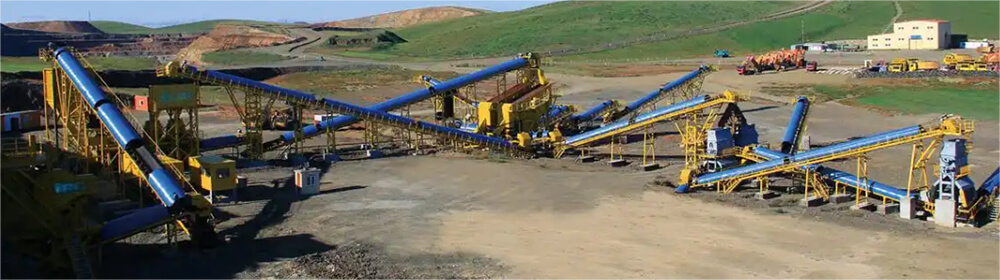
II. Recommended Equipment Configuration
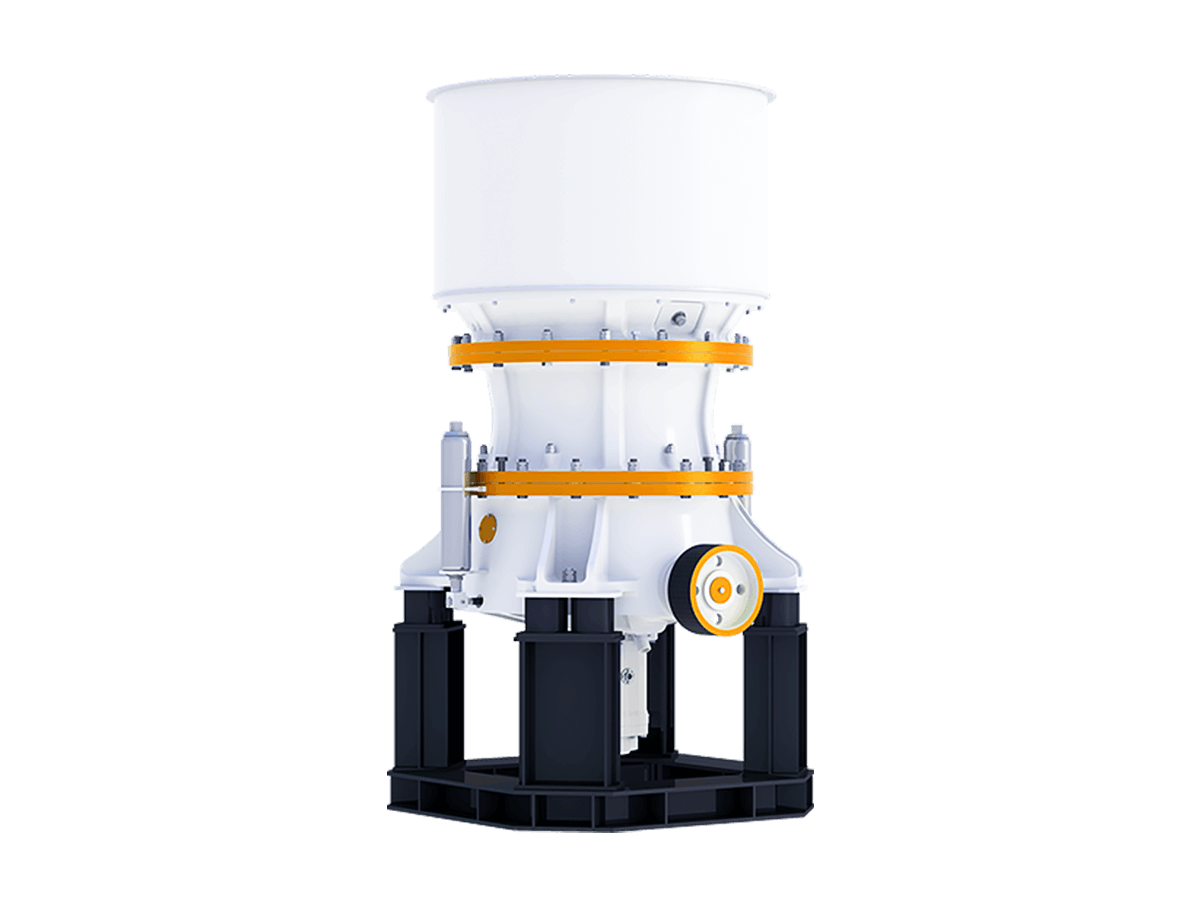
- Crushing and screening: Jaw crusher + Cone crusher + Vibrating screen
- Grinding and Classification: Ball Mill + Hydrocyclone
- Sorting equipment:
- High-intensity magnetic separation: Vertical ring high-gradient magnetic separator (for fine particles)
- Flotation: Mechanically stirred flotation machine (XCF/KYF type)
- Gravity separation: Jigging machine (for coarse particles), shaking table (for fine particles)
- Dewatering system: thickener + filter press
After concentration and drying, the iron content of the finished concentrate can reach over 60%.