
Pb-Zn Mineral Beneficiation Process
Date: 2026-02-22 Categories: Non-Ferrous Metals Views: 208
The main processing and beneficiation technology for Pb-Zn (lead-zinc) minerals includes crushing and grinding, classification, beneficiation (magnetic separation, flotation, etc.), dewatering, and tailings treatment.
The following is a detailed introduction:
I. Crushing and Grinding
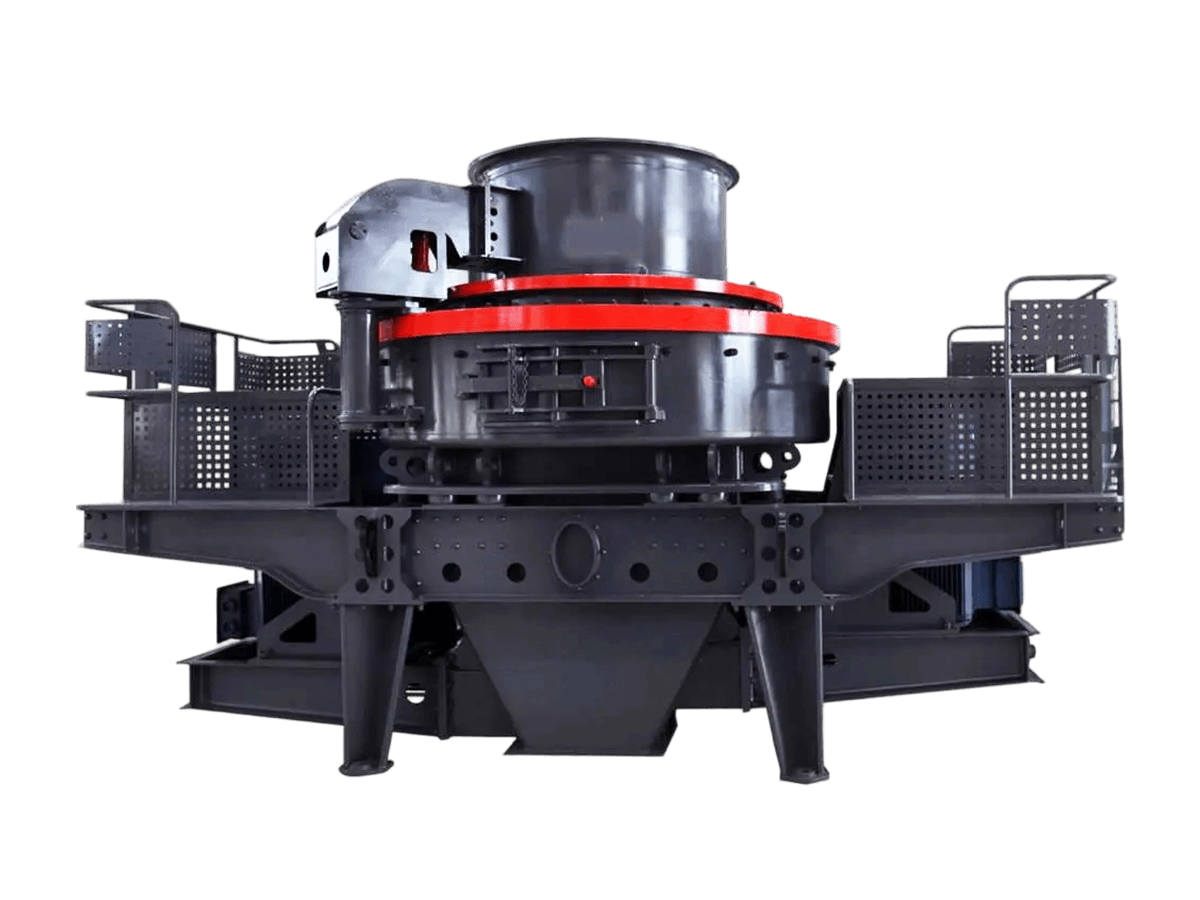
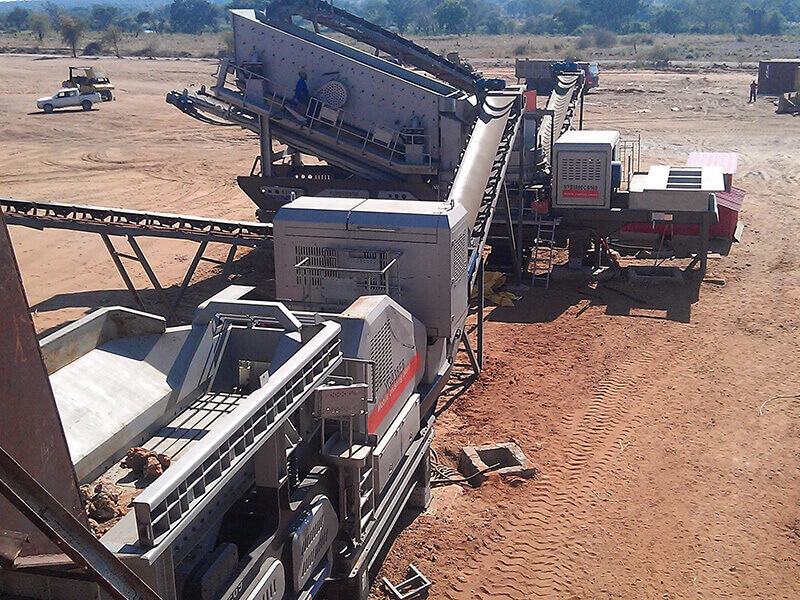
Crushing: Large pieces of lead-zinc ore are mechanically crushed into smaller particles using different types of crushers (such as jaw crushers, impact crushers, etc.). The crushing process typically includes three stages: coarse crushing, medium crushing, and fine crushing, to facilitate subsequent grinding operations.
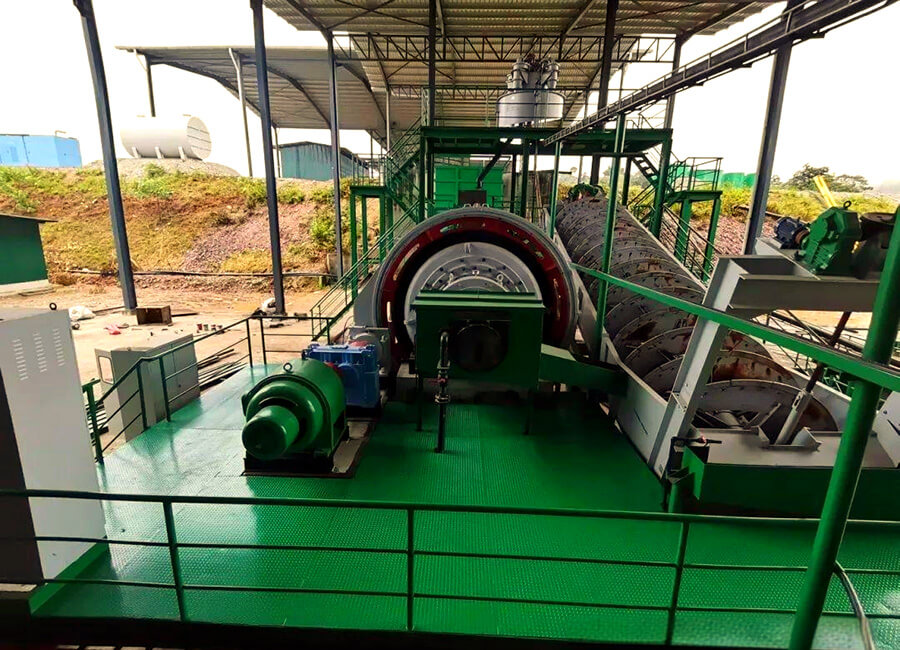
Grinding: The crushed ore is further pulverized to the ideal particle size using ball mills or autogenous mills. The quality of grinding directly affects the subsequent flotation effect, making this step extremely critical. Typically, the ore is required to be finely ground to a density of -200 mesh (i.e., 0.074 mm) of at least 80% to ensure sufficient liberation of lead-zinc minerals.
II. Classification
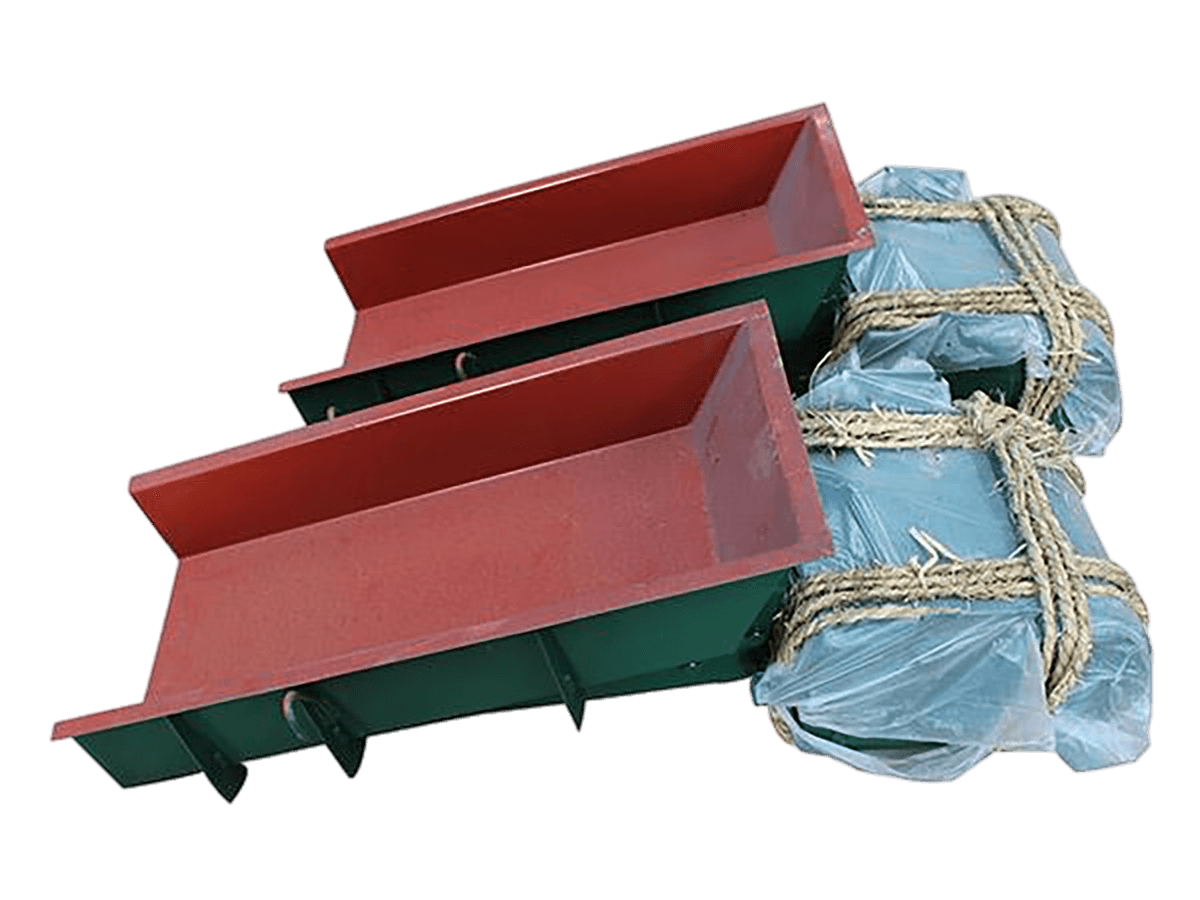
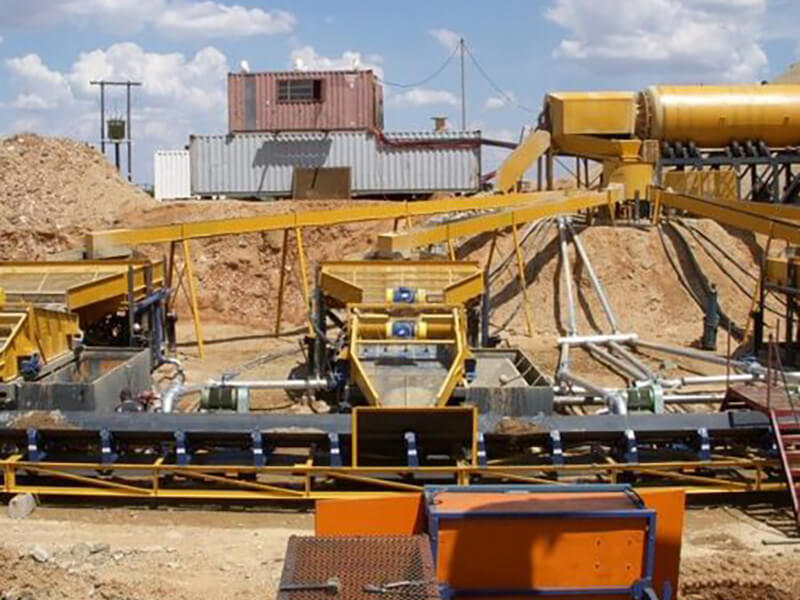
Classification involves screening the ground ore according to particle size to provide suitable material for subsequent beneficiation steps. Commonly used grading equipment includes hydrocyclones and vibrating screens.
Separation is the core step in lead-zinc ore beneficiation, primarily involving two methods: magnetic separation and flotation.
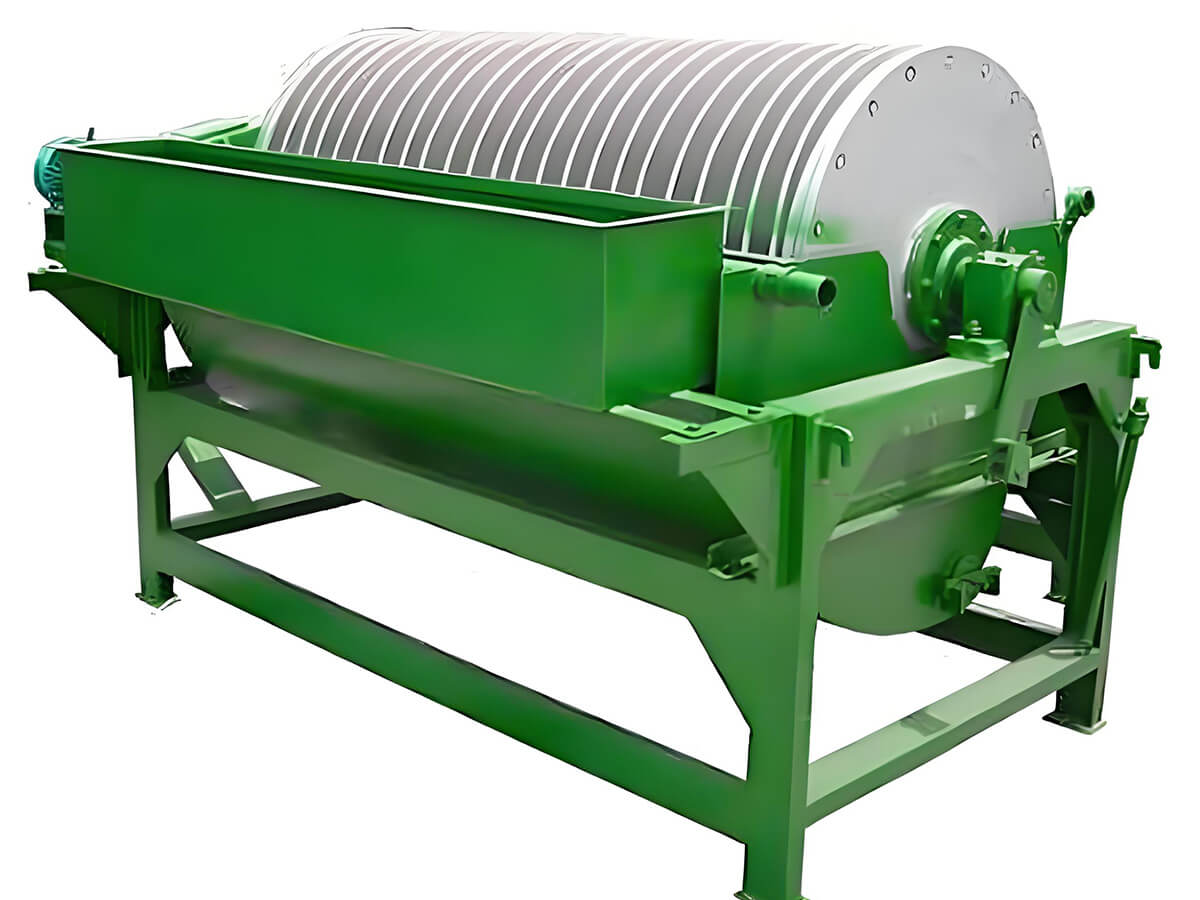
Magnetic Separation: This method uses magnetic and mechanical forces to separate mineral particles, mainly used to remove magnetic impurities (such as pyrrhotite) from the ore. Although this step does not directly extract lead-zinc minerals, it is crucial for improving the efficiency of subsequent flotation operations and the quality of the concentrate.
Flotation: This is one of the core steps in lead-zinc ore beneficiation. By selectively binding minerals with air bubbles, it allows them to float and separate, achieving the separation of metallic minerals from gangue minerals. During flotation, the type and dosage of reagents, as well as flotation conditions (such as pulp concentration, aeration rate, and stirring intensity), must be adjusted according to the ore properties to obtain the optimal separation effect. Commonly used flotation reagents include collectors (such as xanthates and diammonia), frothers (such as pine oil and methyl isobutyl alcohol), and regulators (such as lime and copper sulfate).
Preferred Flotation Process: First, one mineral is floated to suppress others. Then, a second mineral is activated and floated to suppress the remaining minerals. Suitable for rich ores with simple mineral composition, high lead-zinc ore grades, and coarse-grained disseminated minerals.
Full Mix Flotation Process: All useful minerals are floated together and then separated. Suitable for ores with high lead and zinc mineral content and complex co-occurrence relationships.
Partial Mix Flotation Process: Two useful minerals with similar floatability are floated together in a mixed concentrate and then separated. Suitable for copper-lead-zinc polymetallic sulfide ores with similar floatability.
Equal Floatability Flotation Process: Lead and zinc minerals are floated simultaneously and then separated. Suitable for ores with similar lead and zinc mineral floatability and high content.
IV. Dewatering
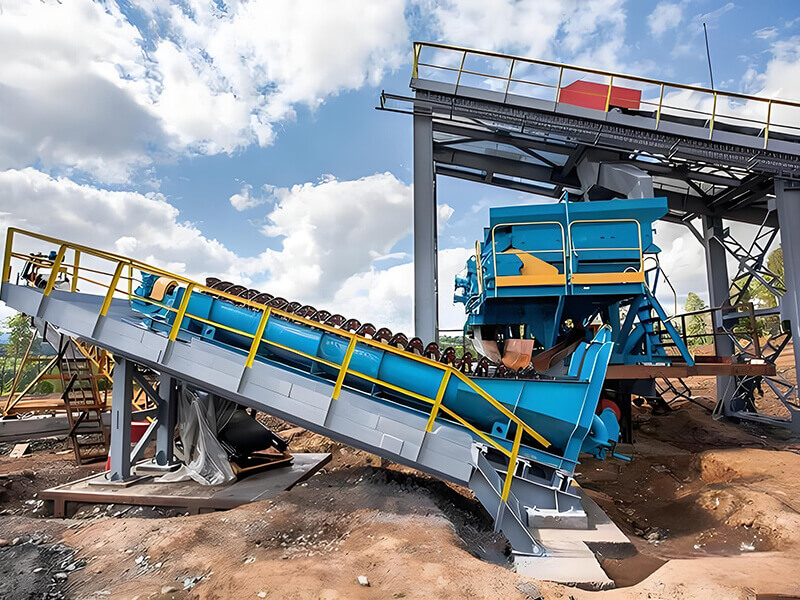
The concentrate obtained from flotation contains a large amount of water and needs to be dewatered to reduce transportation costs and improve subsequent smelting efficiency. Common dewatering methods include filtration and concentration.
Filtration: Vacuum filters (disc filters, ceramic filters, etc.) or filter presses (plate and frame filter presses, diaphragm filter presses, etc.) are used to further dewater the concentrated slurry into filter cakes with a water content of 15%–20%. Filter presses are more effective, reducing the water content to below 10%.
Concentration: Using a thickener based on the principle of gravity settling, the flotation concentrate slurry is initially concentrated to a concentration of 50%–70%.
V. Tailings Treatment
The tailings after flotation contain a large amount of waste rock and a small amount of valuable minerals, requiring treatment to reduce environmental impact. Common tailings treatment methods include tailings dam storage and tailings reprocessing.
Tailings Dam Storage: Tailings dams should be constructed and managed according to regulations to ensure safe storage of tailings and prevent tailings loss and dam failure accidents. Tailings dams should be equipped with seepage prevention and drainage systems to prevent tailings slurry from seeping into and polluting groundwater.
Tailings reprocessing: This involves reprocessing tailings to recover beneficial components that have not yet been separated, thereby improving resource utilization. For example, gravity separation or flotation methods can be used to recover remaining lead-zinc minerals from tailings.