
Nickel Ore Beneficiation Process
Date: 2026-02-22 Categories: Non-Ferrous Metals Views: 225
In nickel ore processing plants, flotation is the core beneficiation method, especially for sulfide nickel ores. The following is a detailed flotation process flow and auxiliary process description:
I. Flotation Process Flow
Crushing and Grinding
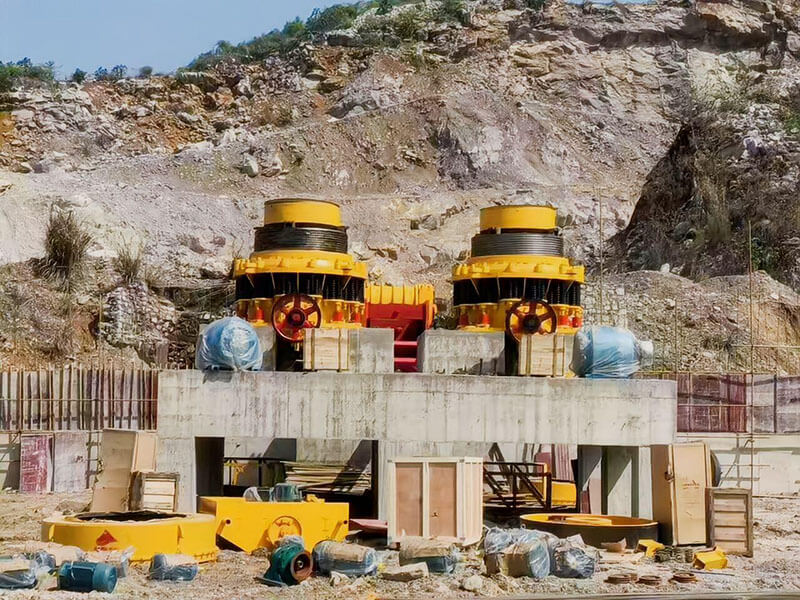
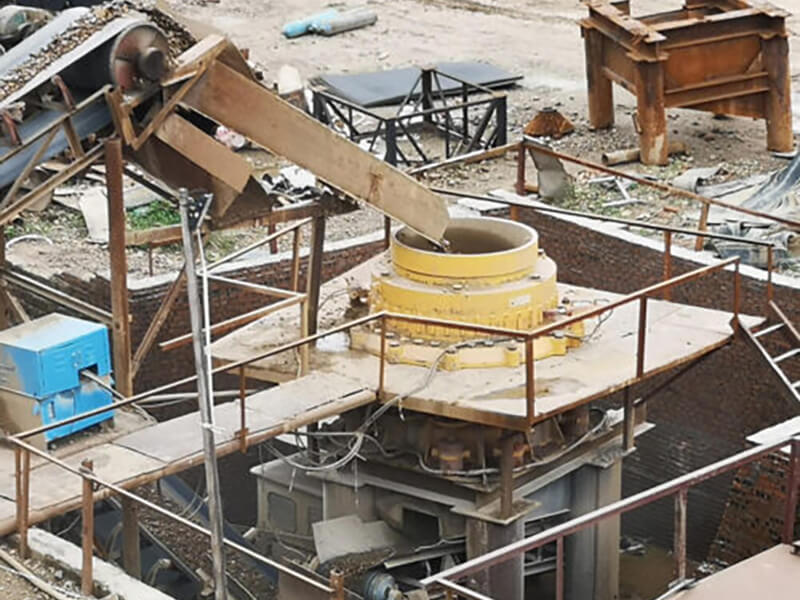
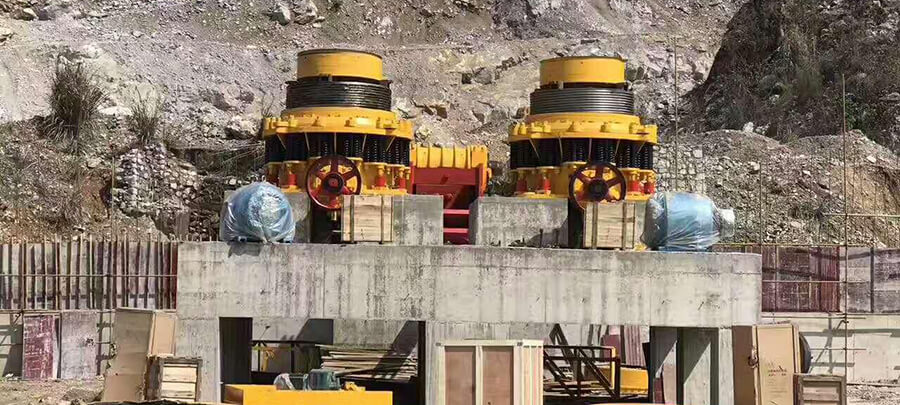
Crushing: The raw ore first undergoes coarse crushing (usually using a jaw crusher), medium crushing, and fine crushing (using equipment such as cone crushers) to gradually reduce the ore particle size to a suitable range for subsequent grinding.
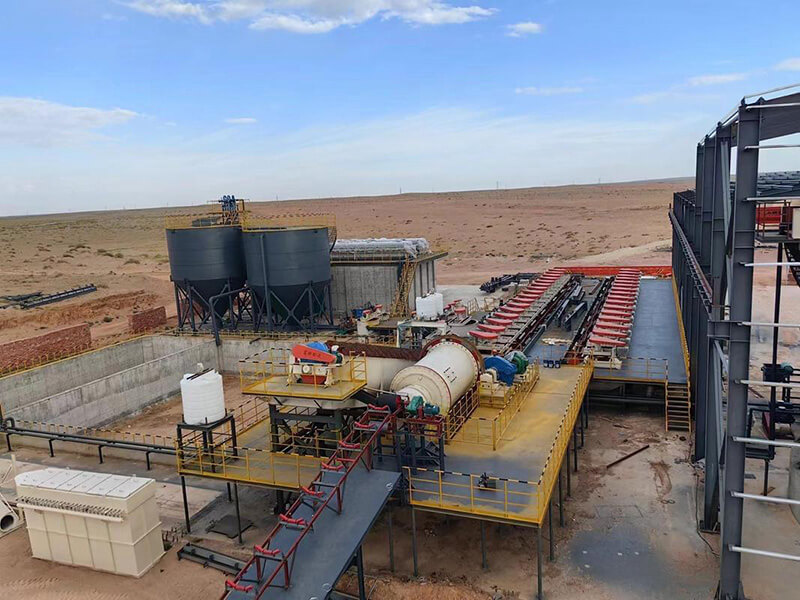
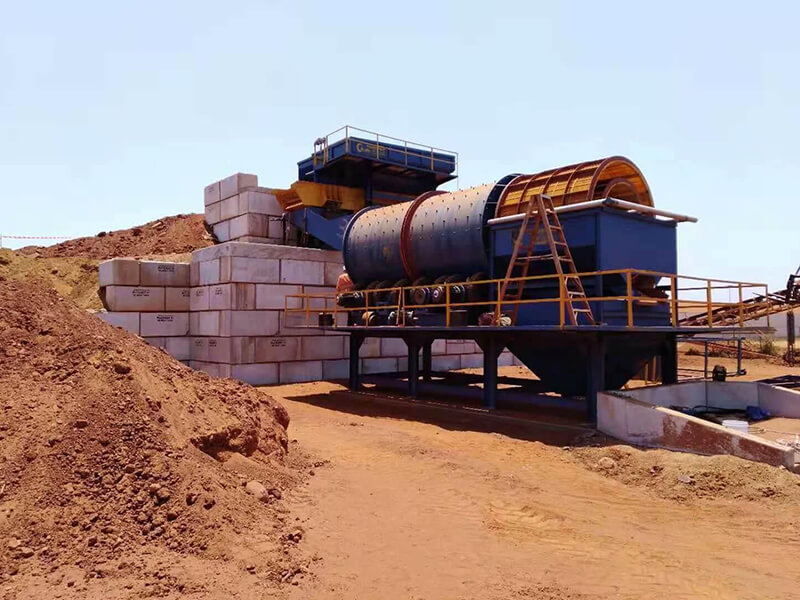
Grinding: The finely crushed ore enters the grinding stage, where it is wet-ground or dry-ground using ball mills or rod mills to fully liberate the nickel minerals from the gangue minerals. The grinding fineness is generally controlled at a certain particle size level, for example, -200 mesh accounting for about 60%~70%, with the specific fineness determined according to the ore properties and subsequent flotation requirements.
Classification
The ground slurry undergoes classification treatment. Commonly used classification equipment includes spiral classifiers and hydrocyclones. The purpose of classification is to separate the pulp of suitable particle size from coarse particles. The coarse particles are returned to the grinding mill for regrinding, while the pulp of suitable particle size enters the subsequent flotation operation.
Flotation Operation
Collectors: Commonly used collectors for nickel sulfide ore include xanthates (such as butyl xanthate, ethyl xanthate, etc.), distillates (such as butylammonium distillate, etc.), and sulfur-nitrogen compounds. These collectors selectively adsorb onto the surface of nickel sulfide minerals, making them hydrophobic.
Frothers: Such as pine oil, No. 2 oil, etc. Frothers generate stable bubbles, carrying the target minerals to the float.
Modifiers: Including pH adjusters (such as lime, sodium carbonate, etc.), depressants (such as water glass to suppress gangue minerals), and activators (such as copper sulfate to activate certain difficult-to-float nickel sulfide minerals).
Order of Reagent Addition: Generally, modifiers are added first to adjust the physicochemical properties of the pulp; then collectors are added to make the surface of nickel sulfide minerals hydrophobic; finally, frothers are added to generate bubbles for flotation. Flotation process: This includes roughing, cleaning, and scavenging steps. Roughing yields initially enriched concentrate and tailings; cleaning involves multiple cleaning operations on the rough concentrate to further improve its grade; scavenging is performed on the roughing tailings to improve the recovery of residual nickel sulfide minerals.
Dewatering
The concentrate and tailings after flotation need to be dewatered to reduce moisture content, improve concentrate grade, and increase transportation efficiency. Commonly used dewatering equipment includes filters and filter presses.
II. Auxiliary Processes
Magnetic Separation
Applicable Situations: Nickel sulfide ores often contain magnetic minerals such as magnetite, which can be pre-enriched and impurities removed through magnetic separation.
Process Flow: After crushing and grinding, magnetic separation equipment (such as permanent magnet drum separators and electromagnetic separators) is used to remove a large amount of non-magnetic minerals and improve the ore grade.
Gravity Separation
Applicable Situations: For some nickel ores containing heavy minerals, gravity separation can effectively improve the grade of nickel concentrate.
Process Flow: Utilizing the density differences of different minerals in the ore, gravity separation equipment (such as jigs, shaking tables, etc.) is used for separation. Gravity separation is often used for pre-enrichment and discarding large amounts of tailings to reduce the workload of subsequent processing.
Combined Processes
Common Combined Processes: Due to the complex properties of nickel sulfide ores, single beneficiation processes often fail to achieve ideal processing results; therefore, combined processes are often used. Common combined processes include gravity separation-flotation and magnetic separation-flotation.
Process flow: Taking the magnetic separation-flotation combined process as an example, the ore is first finely ground through crushing and grinding; then, it is pre-enriched using magnetic separation equipment to remove a large amount of non-magnetic minerals; finally, the magnetically separated ore is subjected to flotation, where flotation reagents are added to separate nickel minerals from gangue minerals.