
Nickel Mining Technology
Date: 2026-02-27 Categories: New Energy Minerals Views: 180
Nickel ore beneficiation processes mainly target two categories: sulfide nickel ore and oxide nickel ore. Different technological processes are employed to achieve efficient extraction of nickel metal, as detailed below:
I. Sulfide Nickel Ore Beneficiation Process
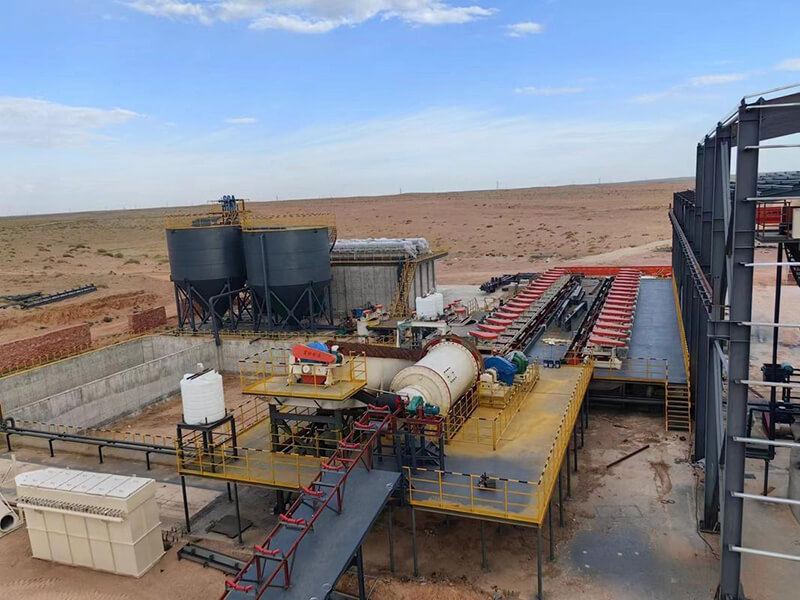
Sulfide nickel ore beneficiation uses flotation as its core, combined with auxiliary methods such as magnetic separation and gravity separation. Nickel concentrate is prepared through a multi-stage crushing, grinding, flotation, and dewatering process.
Crushing and Grinding
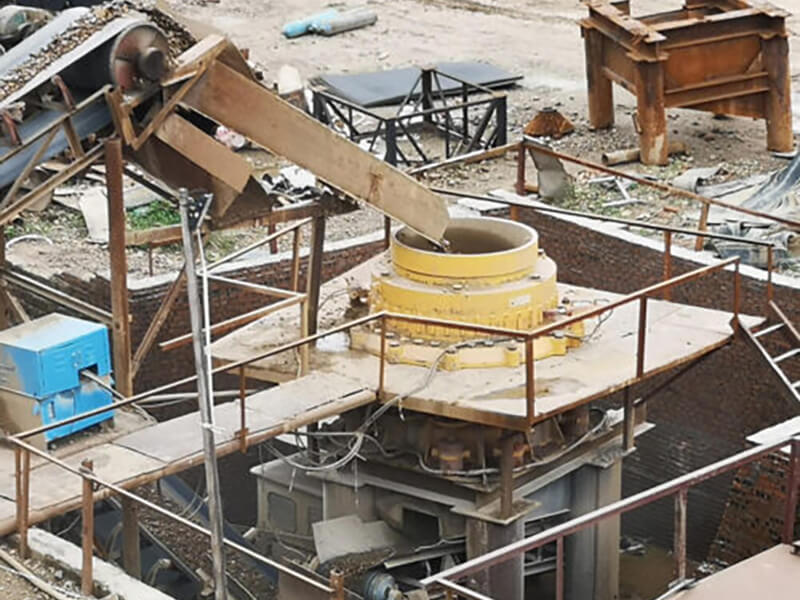
Crushing: Jaw crushers and cone crushers are used for multi-stage crushing, gradually reducing the ore particle size to a suitable range for grinding.
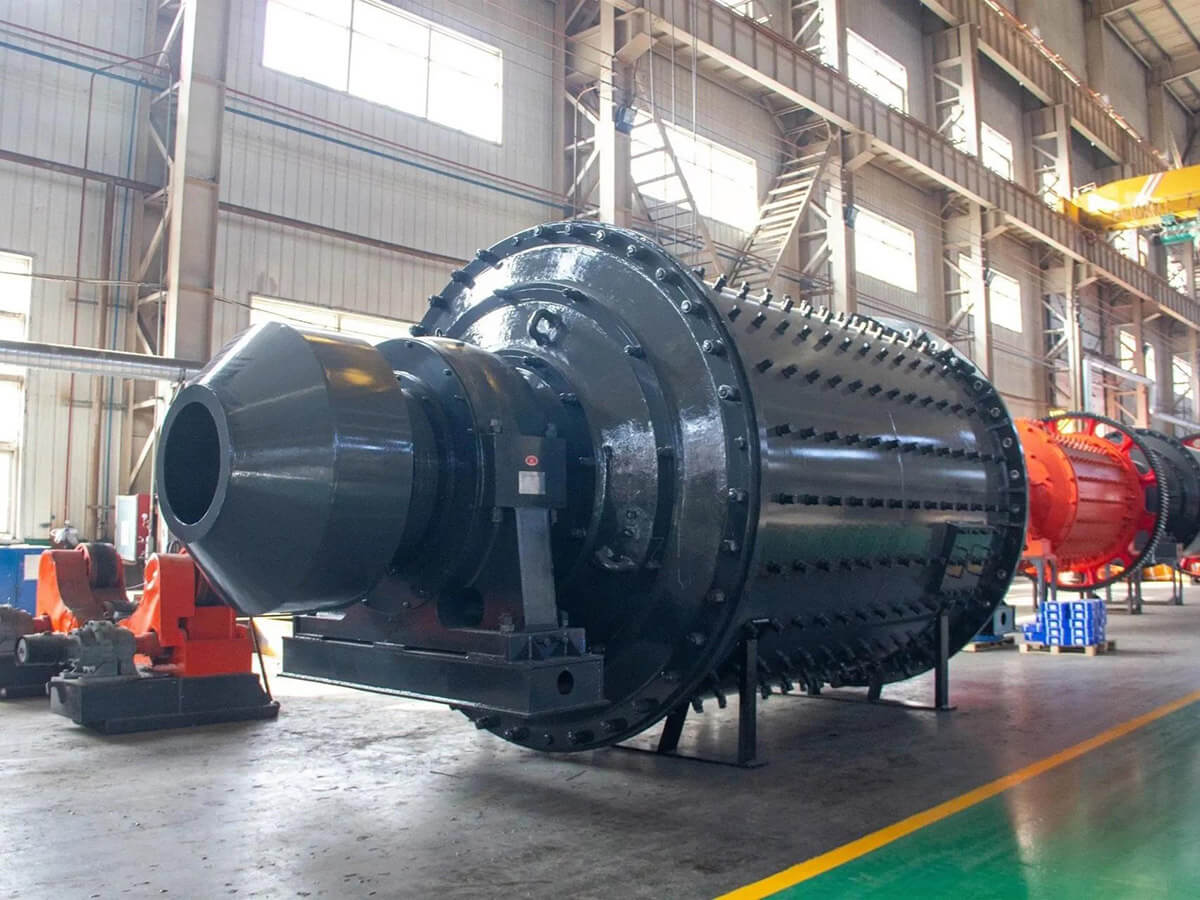
Grinding: The ore is finely ground using ball mills or rod mills to fully liberate the nickel minerals. Particle size must be controlled during grinding to avoid over-grinding.
Flotation Process
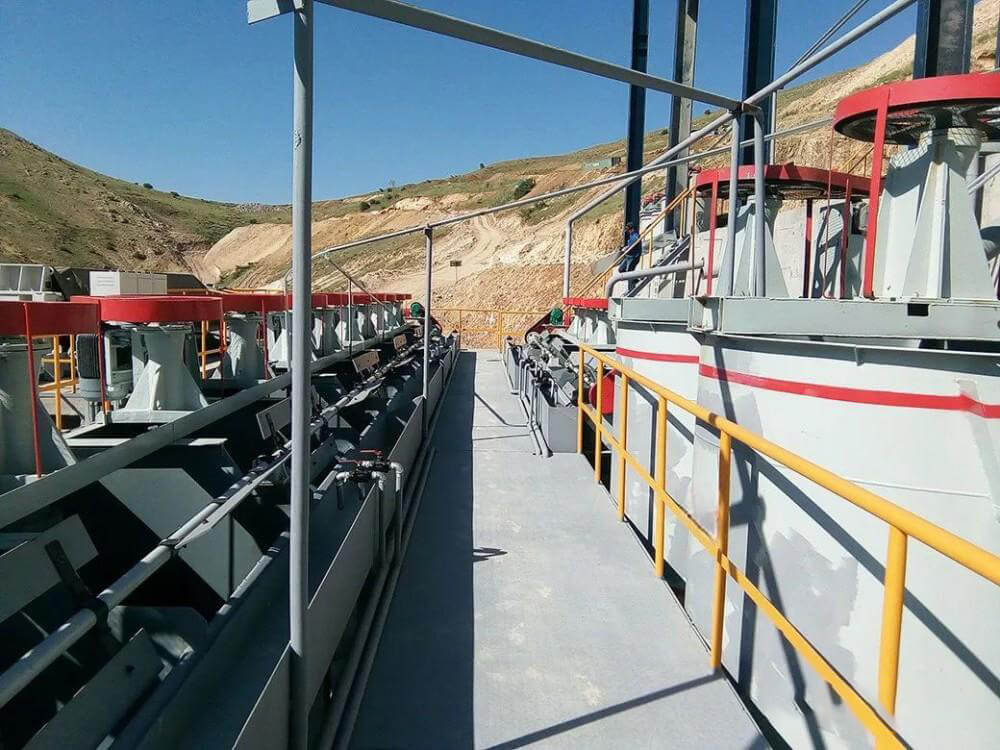
Principle: Utilizing the differences in the physicochemical properties of the mineral surfaces, collectors, frothers, and modifiers are added to separate the nickel minerals from the gangue.
Process
Preferred Flotation: When the copper content in the ore is high, copper minerals are preferentially floated to obtain copper concentrate. The tailings are then used for nickel mineral flotation.
Mixed Flotation: When both copper and nickel contents are low, copper and nickel minerals are first mixed floated to obtain a mixed concentrate. Then, separate flotation is used to obtain copper and nickel concentrates.
Mixed-Preferred Flotation: After mixed flotation, low-nickel copper concentrate and copper-nickel concentrate are separated from the mixed concentrate. The latter is smelted to obtain high-grade matte, which is then further separated by flotation.
Characteristics: The flotation process is relatively simple, but requires a long flotation time. Fewer cleaning cycles are needed, and more points are used for concentrate production, allowing for early recovery of nickel minerals. Nickel concentrate grades are generally 4%–8%, but can reach 13%–15% in higher cases.
Magnetic Separation Technology
Principle: Utilizing the difference in magnetic properties of minerals, magnetic separation equipment is used to separate magnetic and non-magnetic minerals.
Applications: Nickel sulfide ores often contain magnetic minerals such as magnetite. Magnetic separation can achieve pre-enrichment and impurity removal, improving the grade of nickel concentrate. Magnetic separation is usually used in conjunction with flotation.
Gravity Separation
Principle: Separation is based on differences in mineral density.
Applications: For nickel sulfide ores containing heavy minerals, gravity separation can effectively improve the grade of nickel concentrate. Common equipment includes jigs and shaking tables.
Dewatering Process
Purpose: To remove moisture from the concentrate, improving concentrate grade and transportation efficiency.
Equipment: Filter presses and other equipment are commonly used for dewatering.
II. Nickel Oxide Ore Beneficiation Processes
Nickel oxide ores, due to the fine and dispersed particle size of nickel minerals, are difficult to directly obtain a concentrate through mechanical beneficiation. Two main processes are the pyrometallurgical and hydrometallurgical processes.
Pyrometallurgical Processes
Reduction Smelting of Nickel-Iron: This process produces nickel-iron through electric furnace smelting and is suitable for processing various nickel oxide ores. This process offers a flexible production scale and has no strict requirements on the particle size of the furnace charge, but it has high energy consumption.
Reduction Sulfide Smelting to Produce Nickel Mat: This process requires the addition of sulfiding agents (such as pyrite, gypsum, sulfur, etc.). The nickel oxide, after roasting and desulfurization, can be directly reduced and smelted to produce general-purpose nickel or used as a raw material for carbonyl refining of nickel. High-nickel matte does not contain copper and can be directly cast into anode plates for use in nickel sulfide electrolytic refining plants to produce cathode nickel.
Hydrometallurgical Processes
Ammonia Leaching: This process is divided into ammonia leaching and acid leaching processes depending on the leaching solution used. It is mostly suitable for processing nickel oxide ores with low magnesium content.
Acid leaching process: Nickel minerals are leached with acid, and then nickel is extracted using methods such as solvent extraction and precipitation. This process is suitable for processing nickel oxide ores with low magnesium silicate content.