
Lithium Mining Technology
Date: 2026-02-27 Categories: New Energy Minerals Views: 188
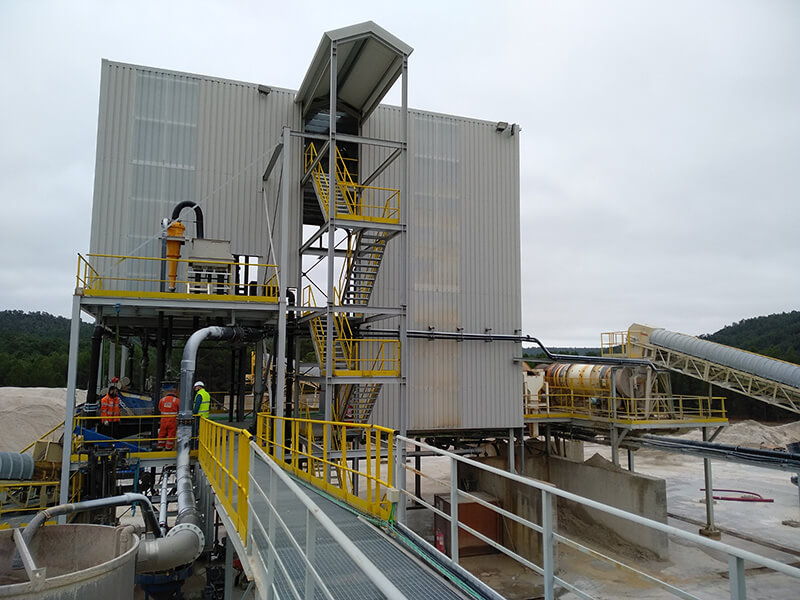
Lithium ore beneficiation aims to remove impurities and enrich lithium, processing raw ore into high-grade lithium concentrate. Its core process can be divided into four main stages: pretreatment, grinding and classification, beneficiation, and concentrate dewatering. The following is a detailed introduction:
1. Pretreatment
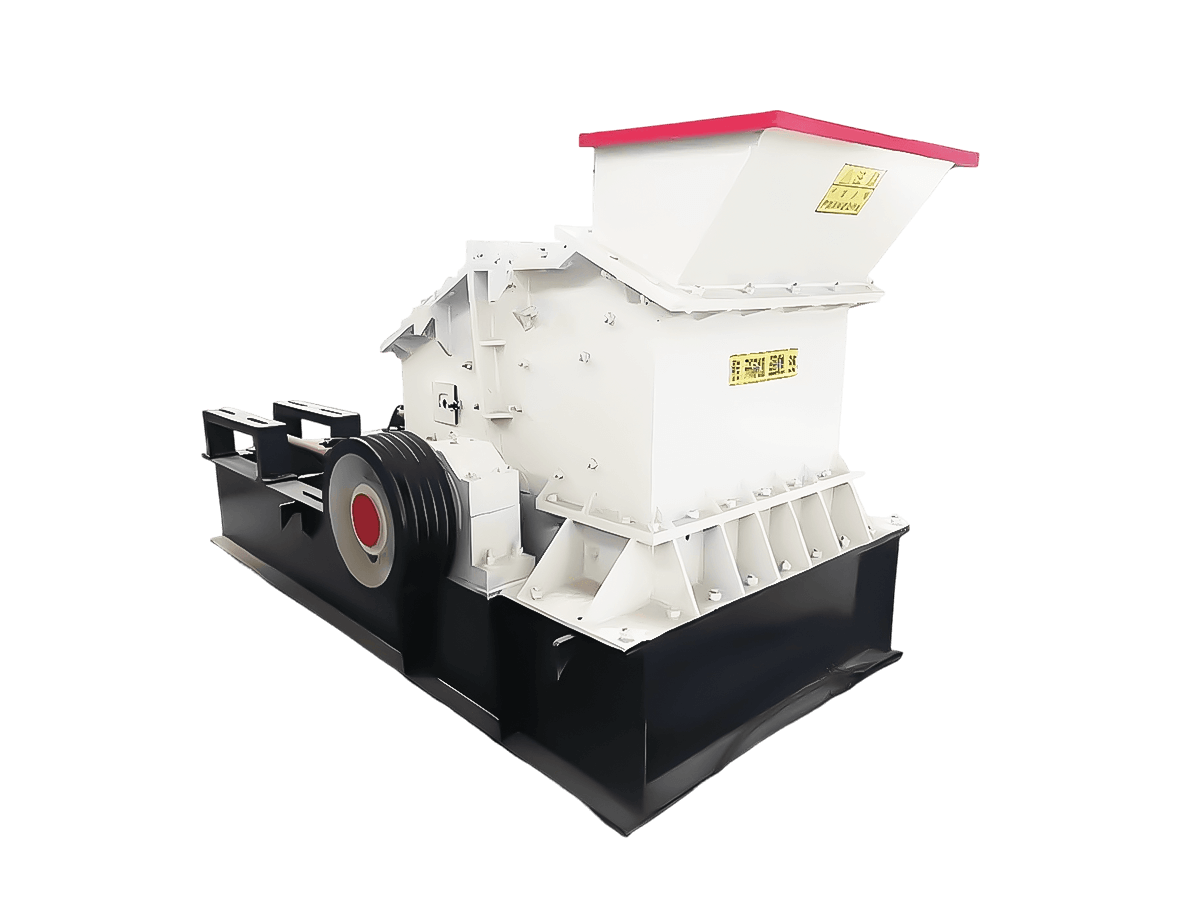
Crushing: Large lithium ore pieces after mining are first coarsely crushed using electromagnetic separation equipment. Generally, a jaw crusher is used to coarsely crush the raw ore to 20-50 mm, followed by a cone crusher to finely crush it to 5-10 mm.
Screening: Vibrating screens separate ore of different particle sizes. Qualified particles enter the next process, while oversized particles are returned for regrinding.
2. Grinding and Classification
Grinding: Ball mills grind the ore into fine particles of 0.074-0.15 mm, ensuring thorough separation of lithium minerals from gangue. The required grinding fineness is -0.074 mm or higher at 75%, which is crucial for flotation.
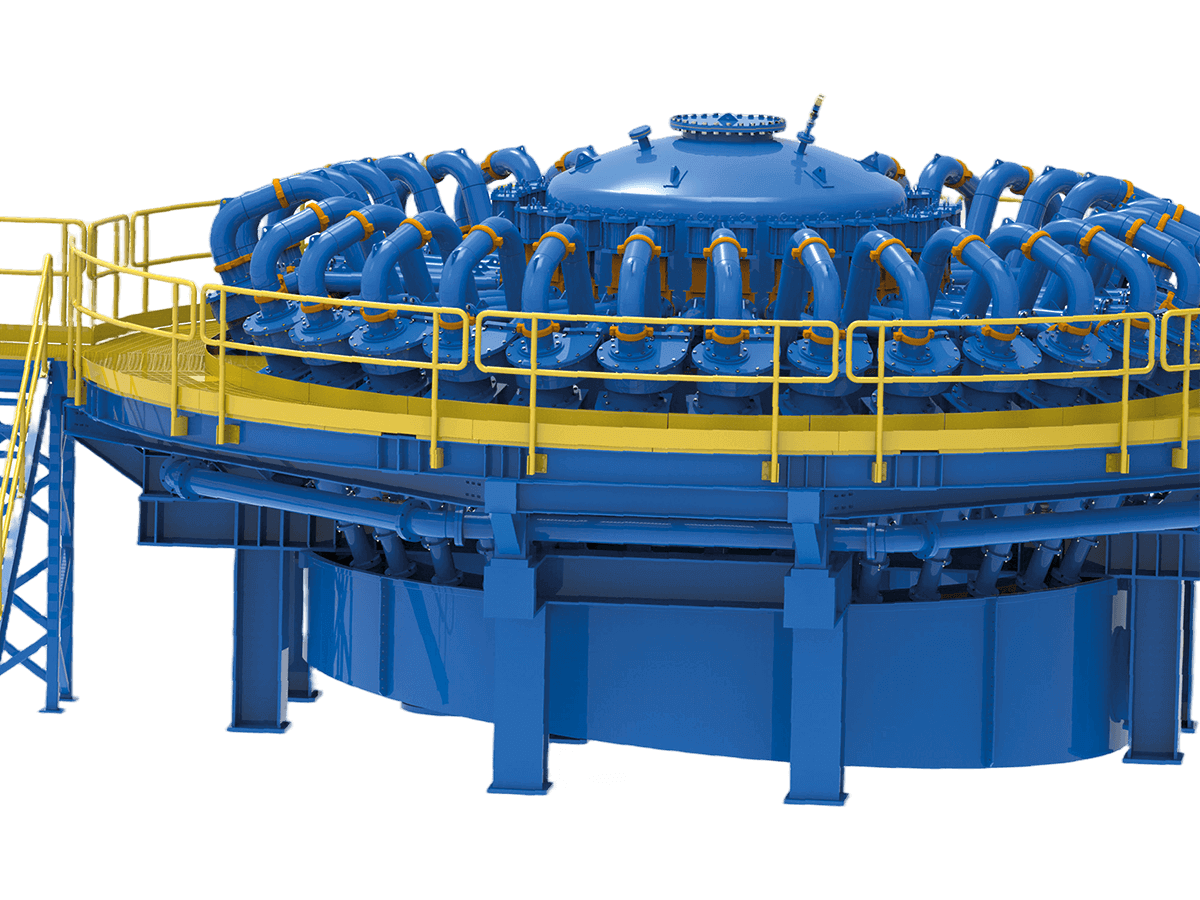
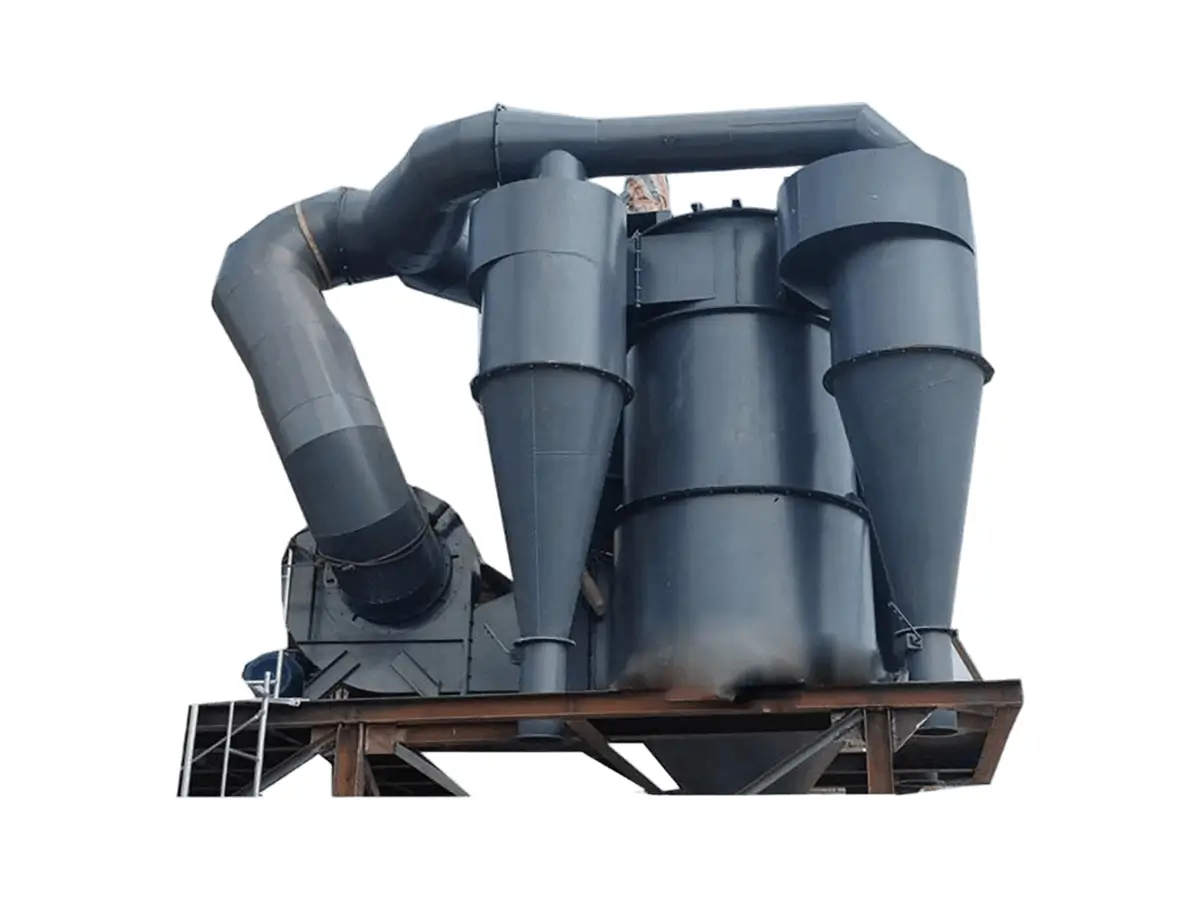
Classification: The mineral particles are separated by a spiral classifier or hydrocyclone. The coarse particles are returned to the ball mill for regrinding, while the fine particles enter the beneficiation stage.
3. Beneficiation Processes
Flotation: The core technology for lithium ore beneficiation, it separates minerals based on differences in their surface physicochemical properties. It primarily uses froth flotation, where valuable minerals selectively adhere to air bubbles in the pulp, subsequently floating and separating from gangue.
Direct Flotation: In an alkaline medium, after high concentration, strong agitation, and multiple scrubbing and desliming processes, oleic acid and its soaps are added as collectors to directly float lithium concentrate.
Reverse Flotation: This process uses lime to create an alkaline environment, adding starch and dextrin to inhibit lithium ore flotation. Cationic collectors are used to float silicate gangue minerals to the surface of the pulp and remove them.
Pre-Desliming - Flotation: A desliming process is implemented before flotation to avoid the influence of slime. A closed-circuit flotation process with one rougher, two cleaners, and two scavengers is used.
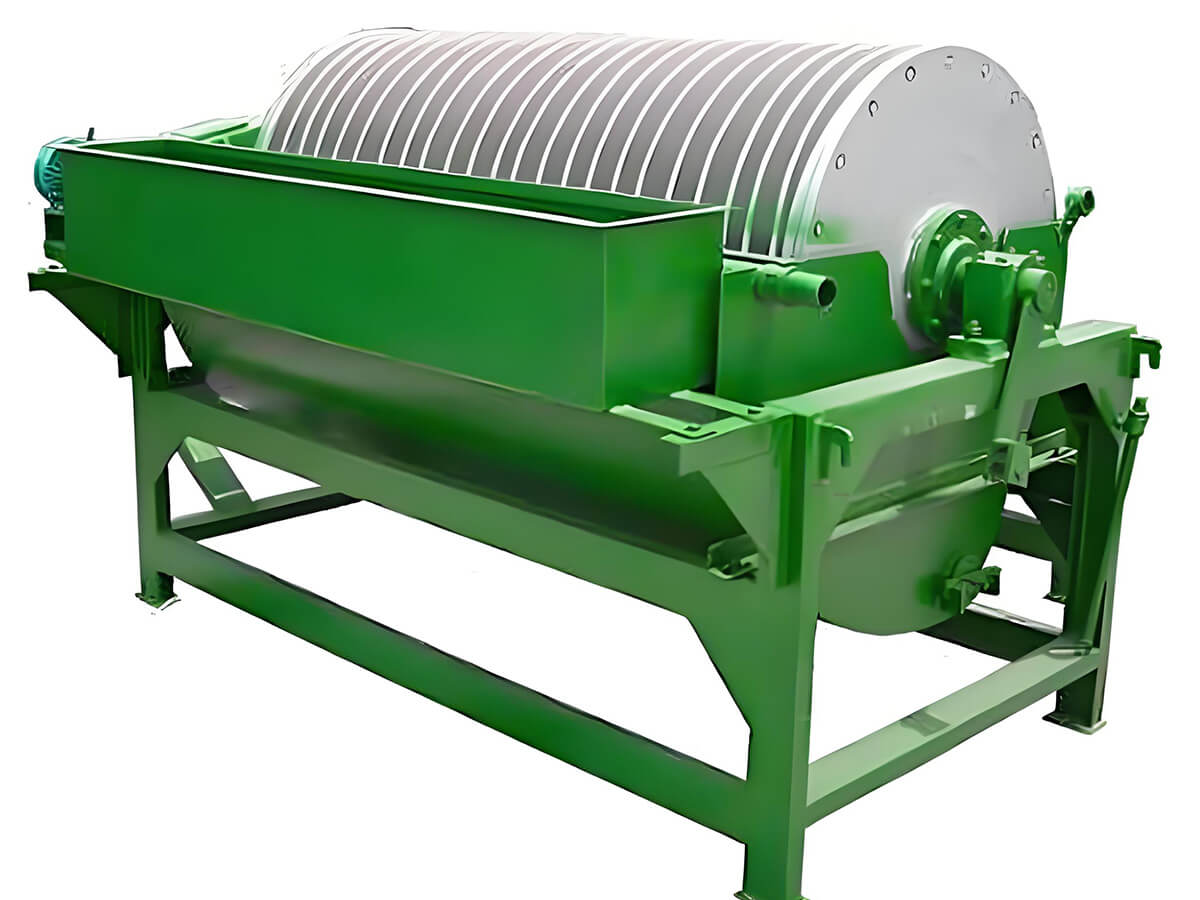
Magnetic Separation: Primarily used to process minerals containing iron impurities. Strong magnetic separation removes iron impurities to obtain low-iron spodumene concentrate.
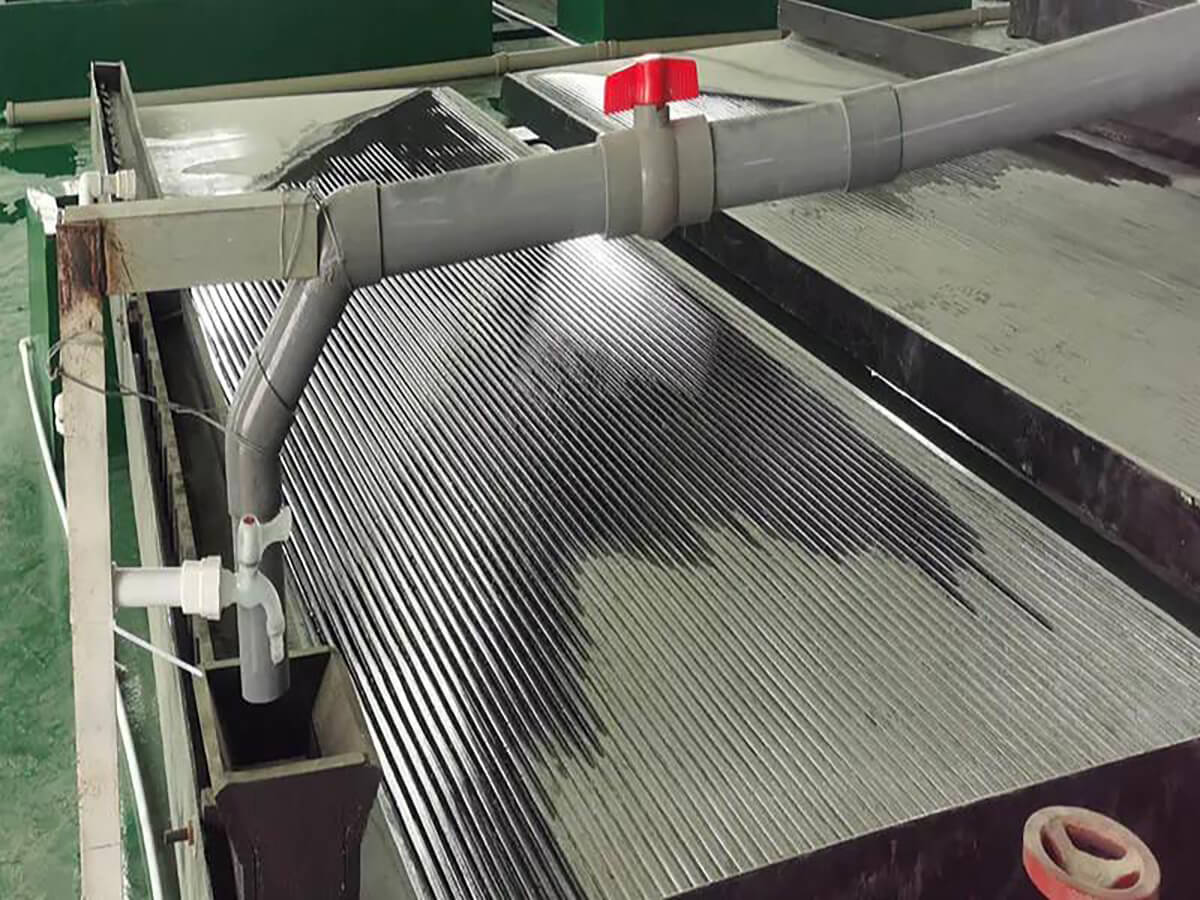
Heavy media beneficiation: For spodumene with relatively coarse crystal size, heavy media beneficiation is used to convert lithium ore into a heavy mineral product.
Combined beneficiation methods: For lithium ores with complex associated components in nature, single beneficiation methods sometimes fail to yield a qualified lithium concentrate. In such cases, combined processes are used for lithium ore separation, such as flotation-magnetic separation, flotation-gravity separation-magnetic separation, and flotation-chemical treatment.
Photoelectric separation: After lithium ore is crushed to within 3 cm to achieve liberation of lithium ore from associated minerals, photoelectric separation technology utilizes the differences in surface characteristics between lithium ore and associated minerals, such as color, texture, feel, and luster. Specialized ore separation equipment models and learns from these differences, ultimately separating lithium concentrate and tailings.
4. Concentrate Dewatering
Concentration: The moisture content of the concentrate slurry is reduced from 40%-50% to 20%-30% using a thickener.
Filtration: Further dewatering is performed using a vacuum filter to reduce the moisture content to 8%-12%.
Drying: The moisture content of the concentrate is reduced to below 5% using a dryer, yielding a lithium concentrate product suitable for storage and transportation.