
Coal Washing Process
Date: 2026-02-24 Categories: Non Metals Views: 245
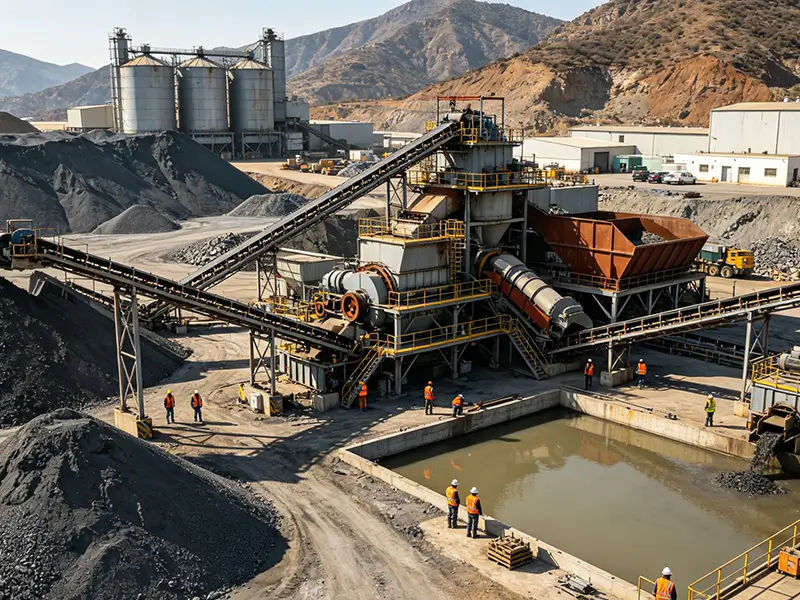
Coal washing technology, also known as coal preparation, is a key technology that utilizes the differences in physical, chemical, and biological properties between coal and impurities to achieve efficient separation through a series of technical means, thereby improving coal quality, reducing transportation costs, and minimizing environmental pollution.
The following is a detailed introduction from four aspects: process principle, flow chart, technical classification, and development trends:
I. Process Principle
The core principle of coal washing is to achieve efficient separation by utilizing the differences in density, particle size, surface wettability, magnetism, and chemical properties between coal and impurities through physical, chemical, or biological methods. For example:
Physical separation: Separation is carried out in a fluid medium based on the density difference between coal and impurities. Bituminous coal has a density of approximately 1.5 g/cm³, while gangue generally has a density greater than 1.8 g/cm³; this difference can be used to achieve preliminary separation.
Chemical separation: Selective enrichment is achieved by adding flotation reagents to alter the surface chemical properties of coal and impurities. For example, by utilizing the difference in surface wettability between coal and gangue, coal slime with a particle size of less than 0.5 mm can be washed out by flotation.
Biological separation: Utilizing surfactants produced by specific microorganisms to alter the surface properties of coal particles, enhancing hydrophobicity differences to achieve separation.
II. Process Flow
The coal washing and beneficiation process mainly includes three stages:
Preparation Operations
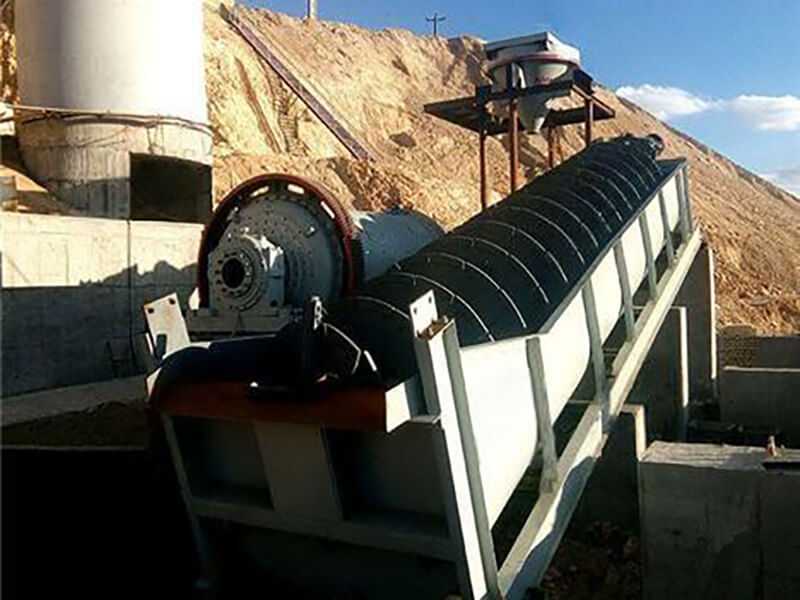
Screening: Using perforated screens to separate mixtures of different sizes into various particle sizes, providing suitable particle sizes for subsequent separation. Screening methods are divided into dry screening and wet screening.
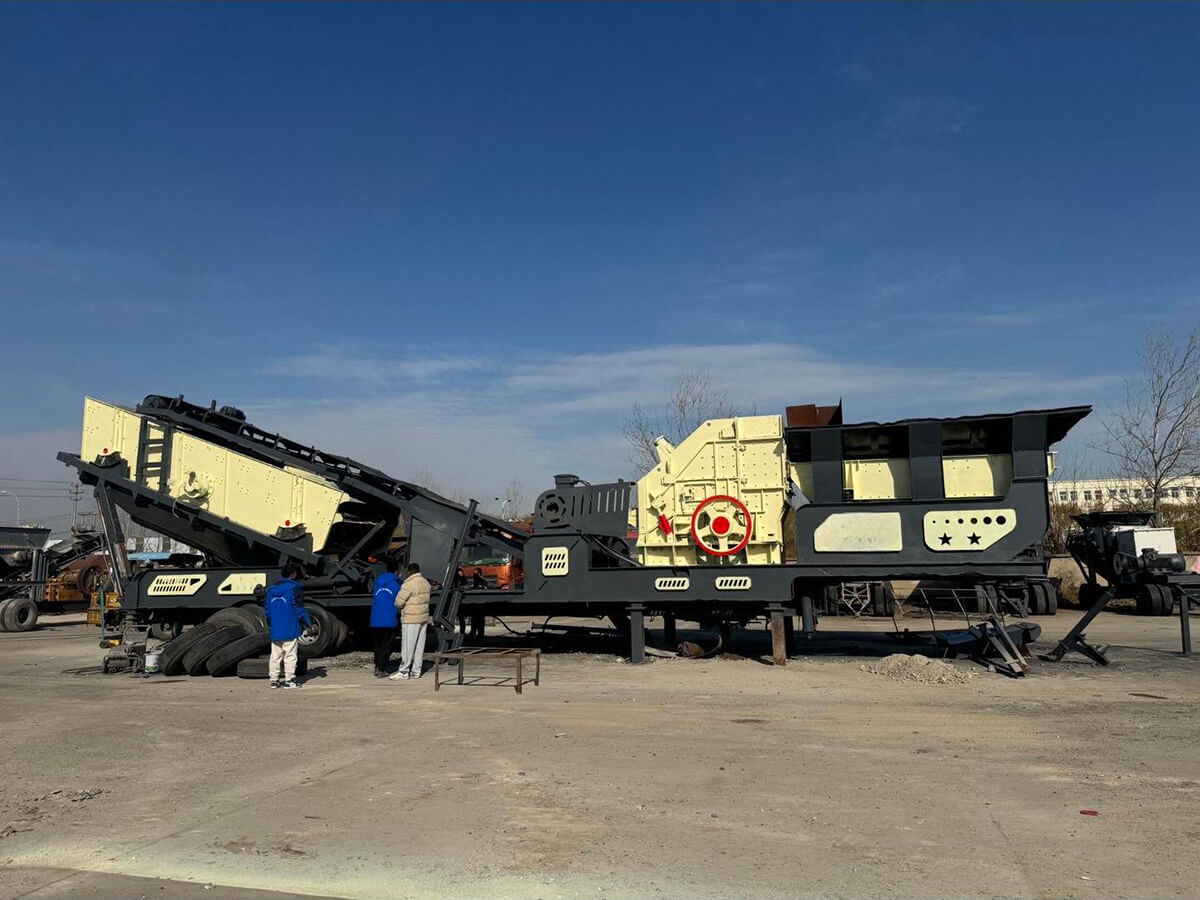
Crushing: Crushing large pieces of material into smaller particles to meet the requirements for feed particle size. Crushing operations must be adapted to the processing capacity of the beneficiation machinery while meeting the user's requirements for product particle size.
Separation Operations
Jig coal preparation: Coal separation based on particle density differences in a vertically pulsating medium. The medium for jigging coal preparation can be water, air, or suspension, with hydraulic jigging being the most widely used.
Heavy media coal preparation: Coal separation based on particle density differences in a medium with a density greater than 1 g/cm³. Heavy media coal preparation uses a high-density suspension (such as a suspension of magnetite powder and water) as the separating medium, featuring high separation accuracy and large throughput. Depending on the particle size, heavy media coal preparation can be divided into lump coal separation and fine coal separation.
Flotation coal preparation: Utilizing the difference in wettability between the surfaces of coal and gangue, selective enrichment is achieved by adding flotation reagents. Flotation is suitable for separating coal slime with a particle size less than 0.5 mm.
Processing Operations
Product Dewatering and Demediation: Clean coal undergoes demediation and dewatering via a demediation screen, then enters a centrifuge for secondary dewatering, and finally enters a clean coal belt conveyor. Middlings and gangue are separated using a single dual-channel demediation screen.
Media Recycling and Recovery: The media used in the separation process (such as magnetite powder) is recovered through a magnetic separator, achieving media recycling and reducing production costs.
Coarse Coal Slime Recovery: Coarse coal slime in the underflow of the classifying hydrocyclone is recovered using a high-frequency screen, improving the coal recovery rate.
Flotation and Filtration: Coal slime is floated on the hydrocyclone overflow. The flotation concentrate is then filtered to obtain flotation clean coal, which is transported to the clean coal stockpile along with the oversize from the clean coal dewatering screen and the coarse coal recovered from the high-frequency screen.
Coal Slime Filtration: Coal slime is filtered on the underflow from the thickener to obtain the coal slime product. The filtrate is reused as circulating water.
III. Technical Classification
Coal washing and beneficiation technologies can be classified into the following categories based on the different separation media and principles:
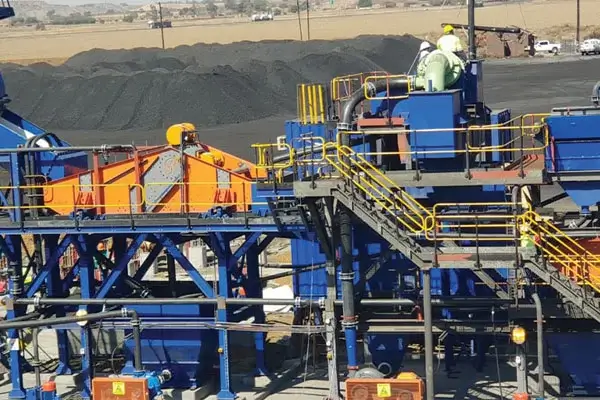
Wet Coal Preparation: Uses fluid as the separation medium, including jigging, heavy media separation, flume separation, and hydrocyclone separation. Wet coal preparation is characterized by high separation accuracy and large throughput, and is the most widely used.
Dry Coal Preparation: Uses air as the separation medium, suitable for arid and water-scarce regions. Dry coal preparation technologies include air-powered dry separators and separation using a combination of vibrating screens and airflow, but the separation accuracy is lower than that of wet processes.
Physicochemical Coal Preparation: Combines the physical and chemical properties of coal, employing comprehensive strategies to achieve separation. For example, flotation selection is a commonly used method.
Microbial Coal Preparation: Desulfurizes coal through substances formed by microbial metabolism, achieving environmentally friendly separation.
IV. Development Trends
With the development of the coal industry and the increasing environmental protection requirements, coal washing and processing technology is developing in the following directions:
- High Efficiency: By optimizing sorting equipment and process parameters, sorting efficiency and clean coal recovery rates are improved. For example, heavy media hydrocyclones have become the dominant equipment in coal sorting, with continuously improving sorting accuracy and throughput.
- Larger Size: With the increasing mechanization of coal mining and deteriorating coal resource conditions, the content of pulverized coal and ash in the raw coal being processed is increasing. To adapt to this change, coal washing equipment is developing towards larger sizes to improve processing capacity and sorting efficiency.
- Environmental Protection: Strengthening wastewater treatment and resource recycling reduces environmental pollution during the washing process. For example, advanced wastewater treatment technologies and water resource recycling systems are adopted to achieve closed-loop circulation of washing water.
- Intelligent Control: Introducing automated control systems and intelligent monitoring technologies enables real-time monitoring and intelligent control of the washing process. This helps improve production efficiency, reduce energy consumption, and minimize human error.