
Andesite Sand Making Process
Date: 2026-02-26 Categories: Non Metals Views: 229
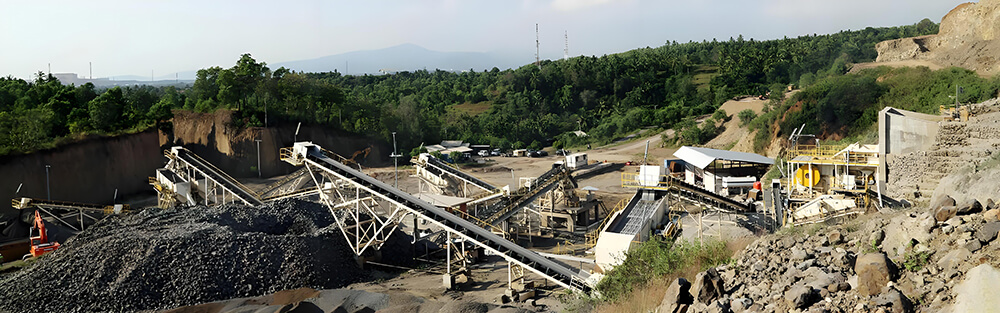
The andesite sand-making process primarily comprises raw material pretreatment, crushing, sand-making, screening, sand washing, and dewatering. The following is a detailed introduction:
I. Raw Material Pretreatment
After mining, andesite ore usually contains soil and impurities, requiring pretreatment. Pretreatment steps include removing waste wood, plastic, and other debris to facilitate subsequent crushing and sand-making operations.
II. Crushing
Crushing is a crucial step in the andesite sand-making process, breaking large pieces of andesite into particles suitable for sand production. Crushing typically includes three stages: coarse crushing, medium crushing, and fine crushing:
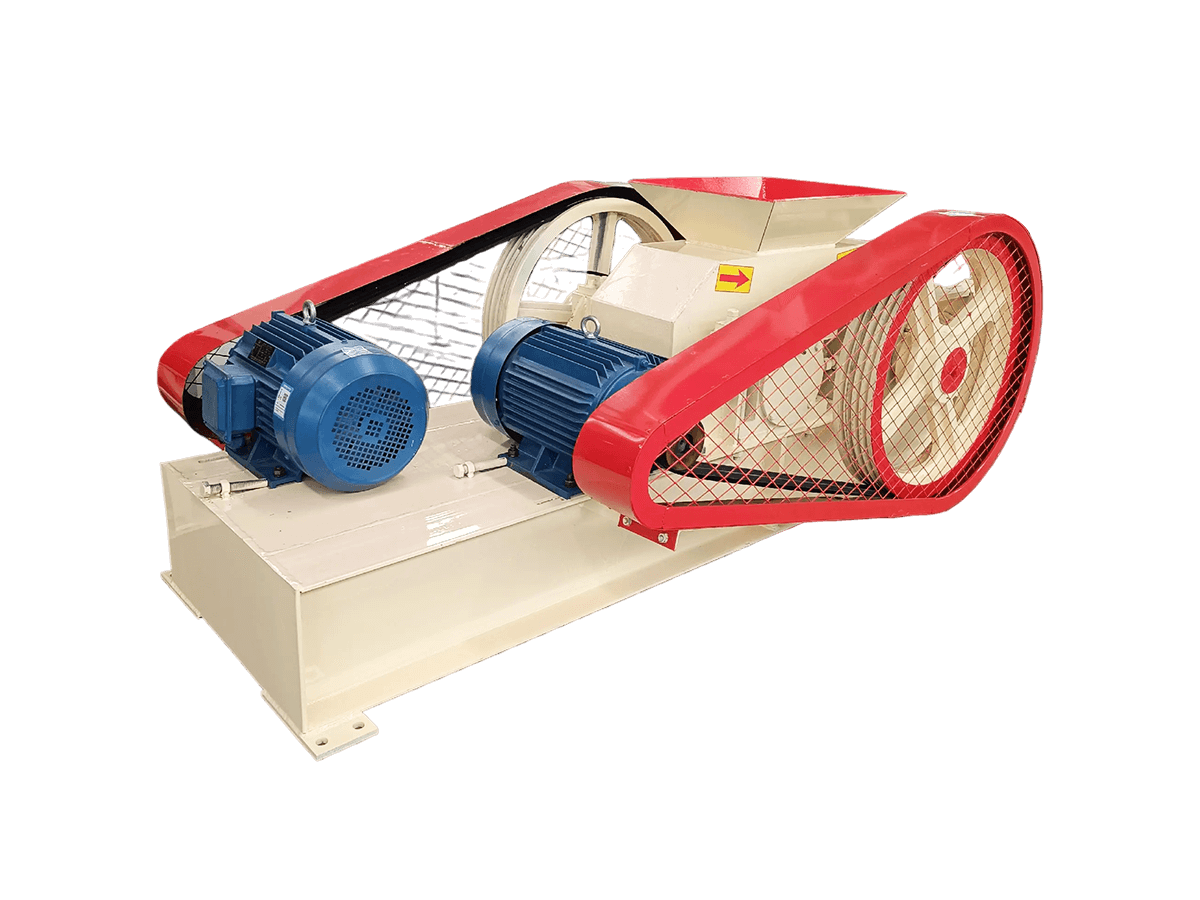
Coarse Crushing: The andesite ore is evenly fed into a jaw crusher by a vibrating feeder for coarse crushing. After being crushed to a certain particle size, it proceeds to the next stage.
Medium Crushing: Coarsely crushed andesite is uniformly fed into a cone crusher via a belt conveyor for secondary crushing. After being crushed to the required particle size, it is sent to a vibrating screen for screening. Materials meeting the particle size requirements are sent to the fine crushing stage, while unqualified materials are returned to the cone crusher for further crushing.
Fine Crushing: For andesite requiring finer particle sizes, impact or cone crushers can be used for fine crushing to meet the sand-making machine's feed requirements.
III. Sand Making
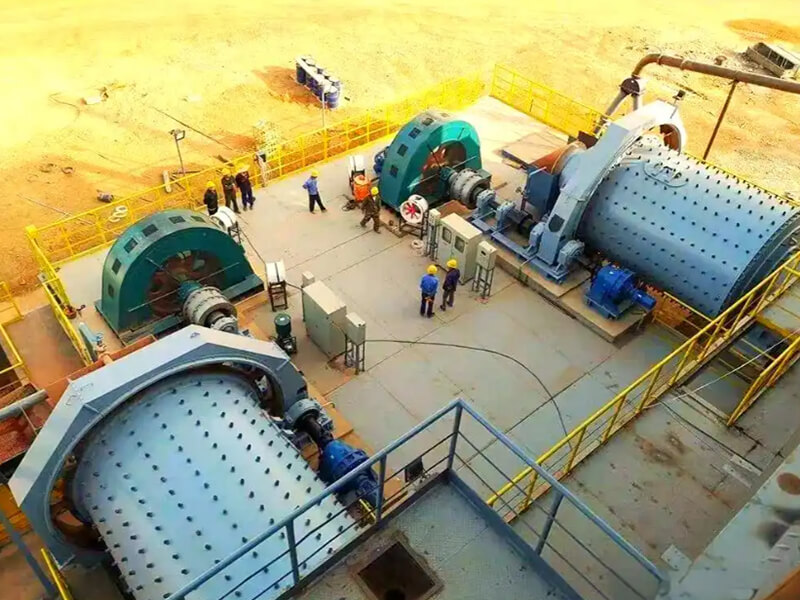
Sand making involves further crushing and shaping the already broken andesite particles to obtain sand of the required quality. This is typically achieved using a sand-making machine, which employs high-speed rotating hammers or impellers to impact, shear, and grind the material, producing finely crushed particles with the desired shape.
IV. Screening
Screening classifies sand-made material by particle size, ensuring uniform particle size for subsequent processing. Circular vibrating screens are commonly used, utilizing the different settling velocities of mineral particles in water for classification. Screened material is then classified into grades, including coarse, medium, and fine sand.
V. Sand Washing and Dewatering
Sand Washing: To improve the quality of the finished sand, particularly its cleanliness, the screened material is fed into a sand washing machine. The sand washing machine removes impurities such as mud and dust from sand particles by rinsing with water and mechanical agitation, thereby improving sand cleanliness.
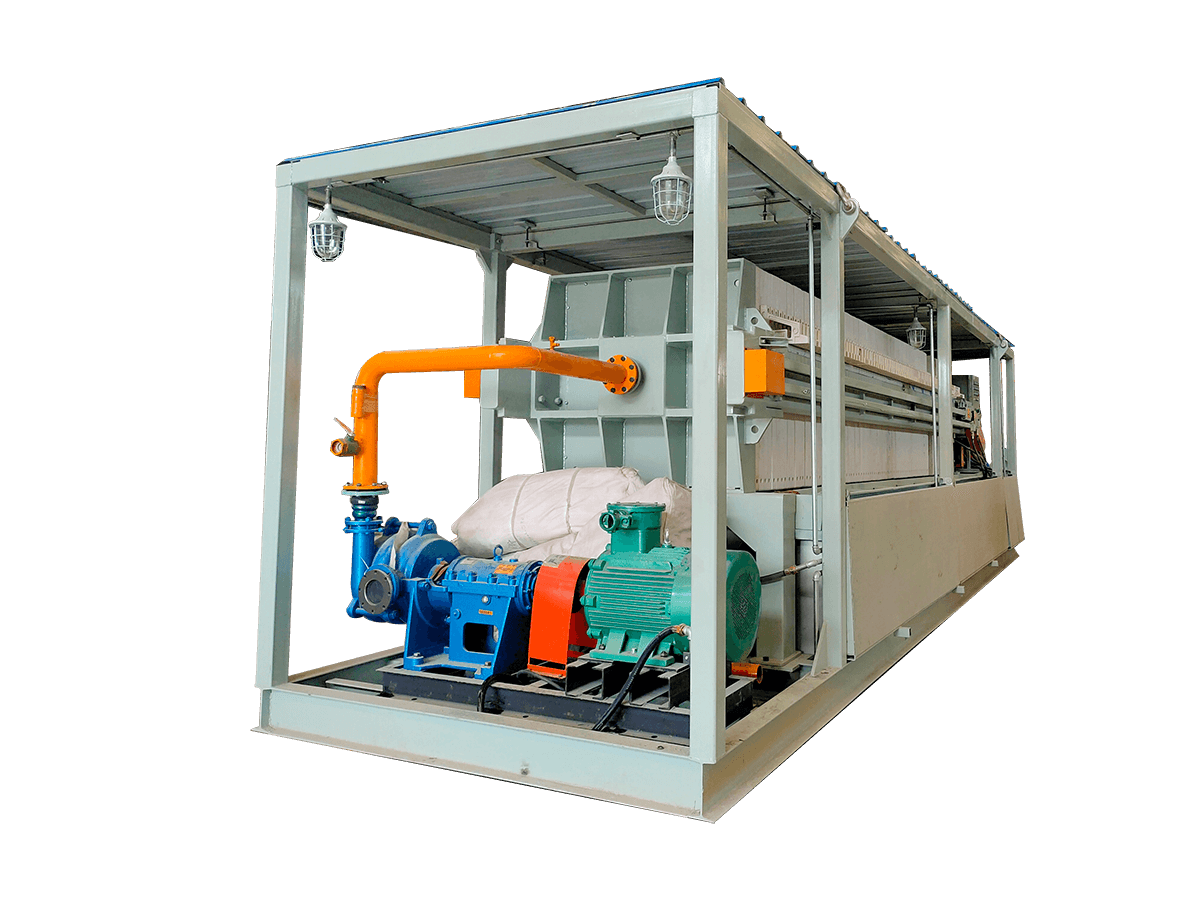
Dewatering: Sand particles after washing contain a high water content and require dewatering. Common dewatering equipment includes dewatering screens and vacuum filters, which remove water from sand particles via vibration or vacuum suction to produce dry sand.