
Silica Sand Processing Technology
Date: 2026-02-26 Categories: Non Metals Views: 229
Silica sand (mainly composed of silicon dioxide, SiO₂) is an important raw material for industries such as glass, casting, ceramics, chemicals, and electronics. Its processing technology needs to be specifically designed based on the characteristics of the raw material, the intended use of the product, and quality requirements. The following are the core process flow and key technical points for silica sand processing:
I. General Process Flow for Silica Sand Processing
Raw Material Pretreatment
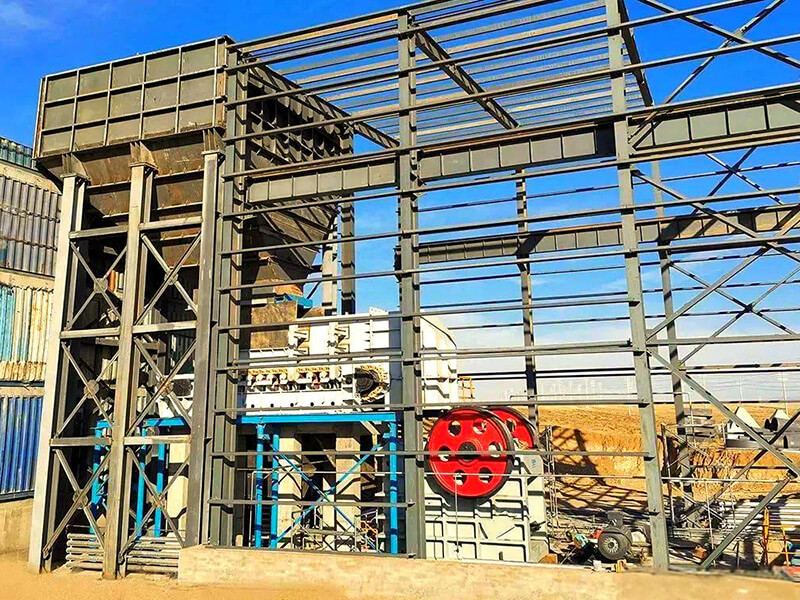
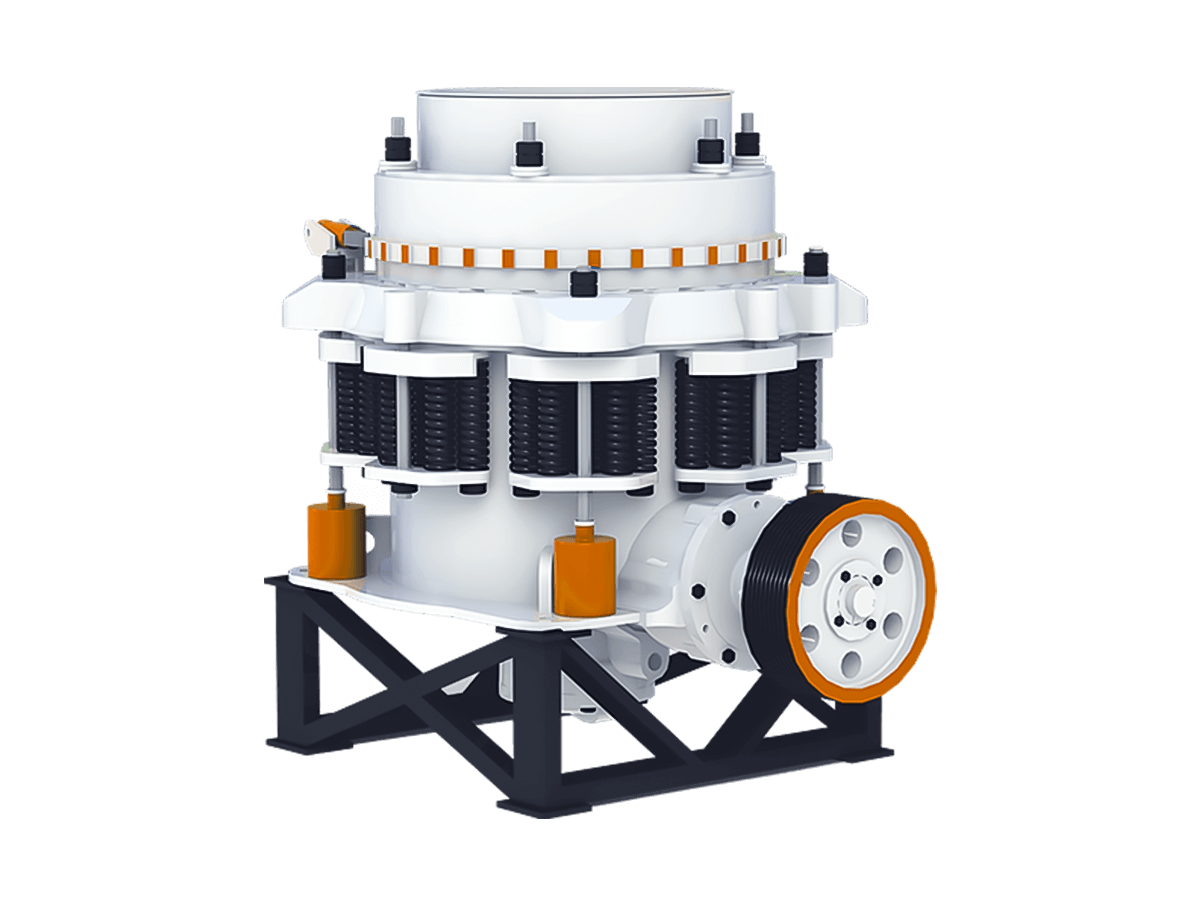
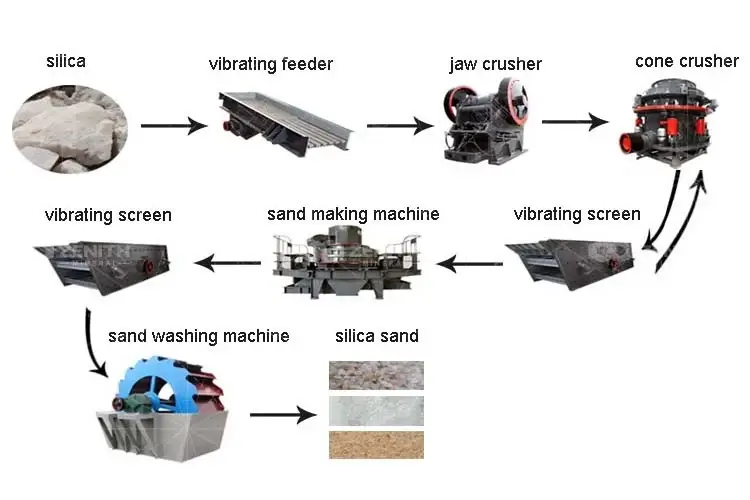
Mining and Crushing: Silica sand is obtained through open-pit or underground mining and crushed to a suitable particle size (usually ≤10mm) using equipment such as jaw crushers and cone crushers to facilitate subsequent processing.
Screening: Vibrating screens or drum screens are used to remove oversized particles and impurities, initially controlling the particle size distribution.
Washing and Grading
Washing: Using equipment such as spiral sand washers and wheel sand washers, water flow is used to remove mud, dust, and light impurities from the surface of the silica sand.
Classification: Hydrocyclones or classifiers are used to separate silica sand into different particle sizes (e.g., 0.1-0.5mm, 0.5-1.0mm, etc.) based on differences in particle settling velocity, meeting the needs of various industries.
Magnetic Separation
Purpose: To remove iron-containing impurities (such as magnetite, hematite, ilmenite, etc.) from silica sand, improving product purity.
Equipment: Permanent magnet drum separators, electromagnetic separators, etc. The magnetic field strength is adjusted according to the impurity content (typically 0.1-1.5T).
Result: Iron content can be reduced to below 0.02%, meeting the requirements of high-end glass and electronic-grade silica sand.
Flotation
Purpose: To further separate silica sand from associated minerals (such as feldspar, mica, heavy minerals, etc.), increasing the SiO₂ content.
Reagents
Collectors: Fatty acids (such as oleic acid) and amines (such as dodecylamine) are used for the flotation of feldspar and mica.
Inhibitors: Water glass, aluminum sulfate, etc., inhibit silica sand flotation.
Flotation: Process: Adjust the pH of the slurry (usually acidic or neutral), and achieve mineral separation through multi-stage flotation.
Acid Leaching and Calcination
Acid Leaching: Treat the silica sand with dilute hydrochloric acid or hydrofluoric acid to dissolve surface impurities such as iron and aluminum oxides, improving whiteness.
Calcination: High-temperature calcination (800-1200℃) removes organic matter, water of crystallization, and some metallic impurities, while improving the particle morphology of the silica sand.
Dehydration and Drying
Dehydration: Reduce the moisture content of the silica sand to below 10% using equipment such as thickeners and vacuum filters.
Drying: Use rotary dryers or airflow dryers to dry the silica sand to a moisture content ≤0.5%, facilitating storage and transportation.
Screening and Packaging
Fine Screening: Use ultrasonic vibrating screens or airflow screens to further control particle size distribution.
Packaging: Package is customized according to customer requirements, including 25kg/bag, 50kg/bag, or ton bags, or transported directly in bulk.
II. Processing Technology Optimization of Silica Sand for Different Applications
Glass Grade Silica Sand
Requirements: SiO₂ content ≥ 98%, Fe₂O₃ content ≤ 0.02%, uniform particle size.
Process: Enhanced magnetic separation and flotation, combined with acid leaching to remove iron impurities; particle size distribution controlled by grading to prevent stone formation during glass melting.
Foundry Grade Silica Sand
Requirements: SiO₂ content ≥ 90%, concentrated particle size (e.g., AFS particle size 50-100), low angularity coefficient (high roundness).
Process: Surface impurities removed using scrubbing equipment (e.g., spiral scrubber); particle size controlled by sieving and grading; calcination to improve particle morphology if necessary.
Electronic Grade High-Purity Silica Sand
Requirements: SiO₂ content ≥ 99.9%, total impurities such as Fe, Al, and Ca ≤ 50 ppm.
Process: Multi-stage magnetic separation + flotation + acid leaching combined purification; further removal of metallic impurities using chlorination roasting or gas-phase method; ultrafine grinding to micron level (D50≤5μm).
Construction Grade Silica Sand
Requirements: Moderate particle size modulus (e.g., medium sand 3.0-2.3), low mud content.
Process: Simple water washing and screening can meet the requirements, resulting in lower cost.
III. Key Technology Trends in Silica Sand Processing
Green Purification Technology
Develop acid-free or low-acid leaching processes to reduce waste acid emissions; employ bioleaching technology to remove impurities using microorganisms.
Intelligent Control
Utilize online particle size analyzers, iron content detectors, and other equipment to monitor the production process in real time and optimize process parameters.
Comprehensive Resource Utilization
Recover associated minerals such as feldspar and mica from silica sand processing tailings and extract rare metals (such as zirconium and titanium) to achieve efficient resource utilization.
Energy Saving and Consumption Reduction
Optimize grinding and drying processes, and adopt high-efficiency energy-saving equipment (such as vertical mills and heat pump dryers) to reduce energy consumption.