

Gold Ore Processing: Complete Mineral Beneficiation Technology & Workflow
Date: 2026-05-28 Categories: Precious Metals Views: 217
Gold ore processing, also known as gold beneficiation, is a systematic technical process that extracts pure gold from raw gold-bearing ore. Due to the complex natural occurrence of gold, different ore types require targeted processing techniques. Modern gold processing plants combine physical separation, chemical leaching, and environmental protection technologies to achieve high gold recovery rates, low production costs, and sustainable operation. This article comprehensively introduces the mainstream gold ore processing principles, the complete workflow, and the core equipment.
Overview of Gold Ore Types
The symbiotic relationship between gold and gangue minerals, ore hardness, and gold particle size mainly determines the beneficiation process of gold ore. Common commercial gold ores are divided into three categories:
-
Free-milling gold ore: Gold exists in the form of monomers or fine particles, which are easy to separate from gangue minerals. It is the most common ore type suitable for gravity separation and flotation.
-
Refractory gold ore: Gold is wrapped in sulfide minerals such as pyrite and arsenopyrite. It cannot be directly leached and needs pre-oxidation treatment.
-
Gold-bearing polymetallic ore: Symbiosis with copper, lead, zinc, and other metals. Comprehensive beneficiation is required to recover multiple precious metals.
Core Gold Processing Technologies & Complete Workflow
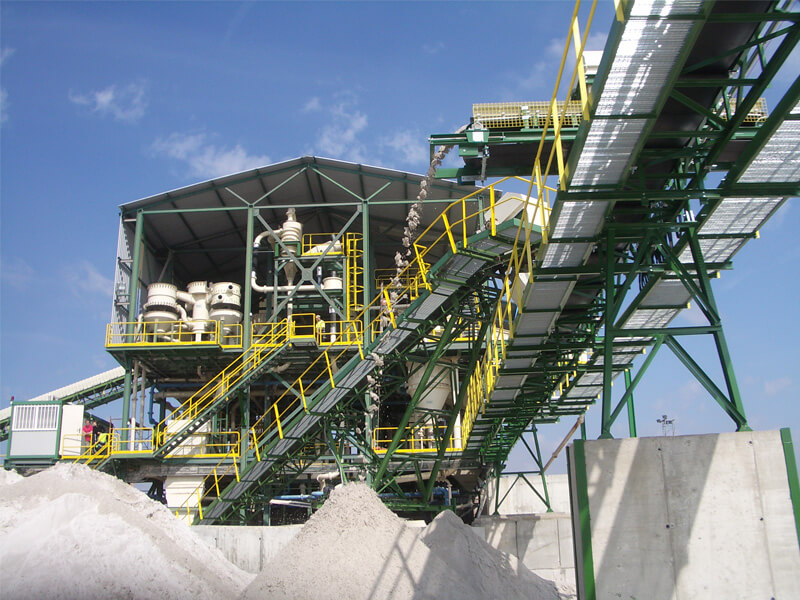
The industrial gold beneficiation production line generally follows the process of crushing → grinding → separation → concentration → tailings treatment. According to ore characteristics, gravity separation, flotation, cyanide leaching, and heap leaching are the four mainstream core processes.
1. Crushing and Grinding: Pre-treatment Foundation
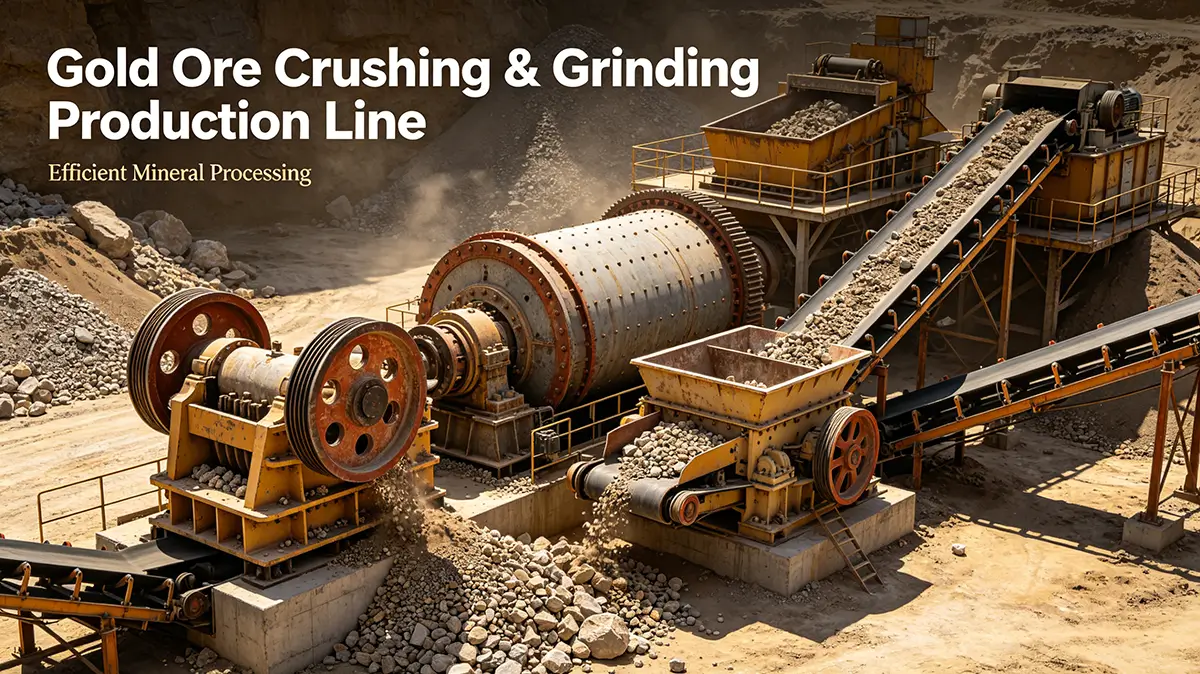
Raw gold ore mined from the mine contains large rock blocks and a large amount of gangue impurities. Crushing and grinding are the primary links to dissociate gold monomers from ore.
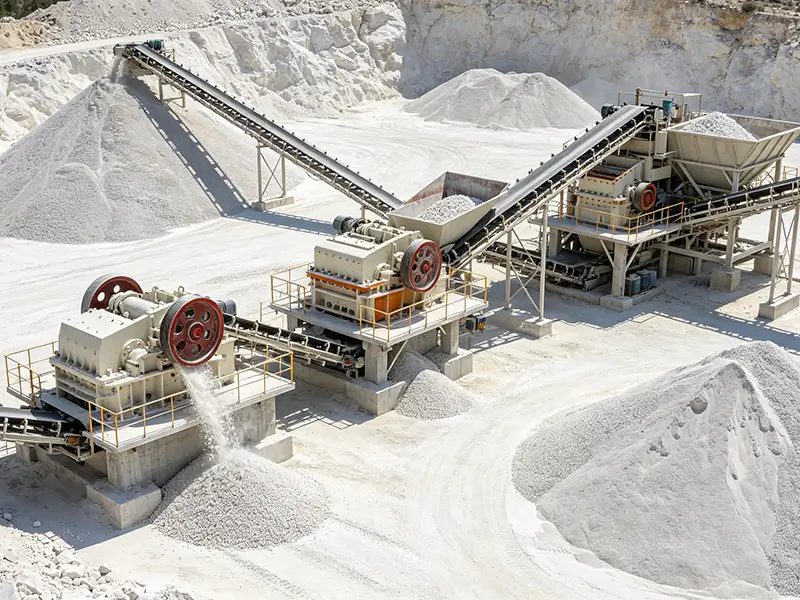
First, the bulk ore is coarsely crushed by a jaw crusher, then finely crushed by a cone crusher to form small particle materials. After that, the ball mill grinds the crushed ore into fine pulp, which fully dissociates fine gold particles from gangue minerals and creates conditions for subsequent separation operations. The graded qualified pulp is transported to the separation workshop through a slurry pump.
2. Gravity Separation: Physical Beneficiation for Coarse Gold
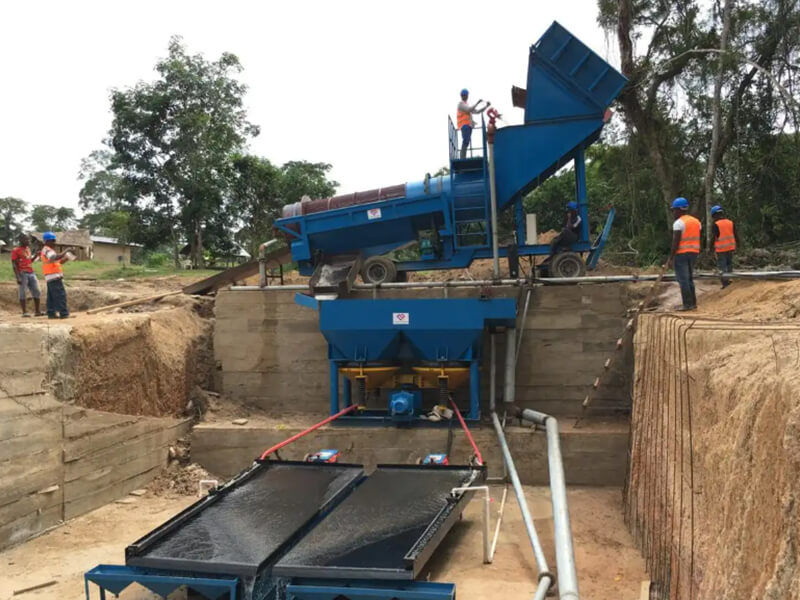
Gravity separation is an eco-friendly and low-cost gold extraction technology that utilizes the density difference between gold (19.3g/cm³) and gangue minerals (2.6–3.0g/cm³) for separation. It is mainly applicable to ores with coarse-grained monomer gold.
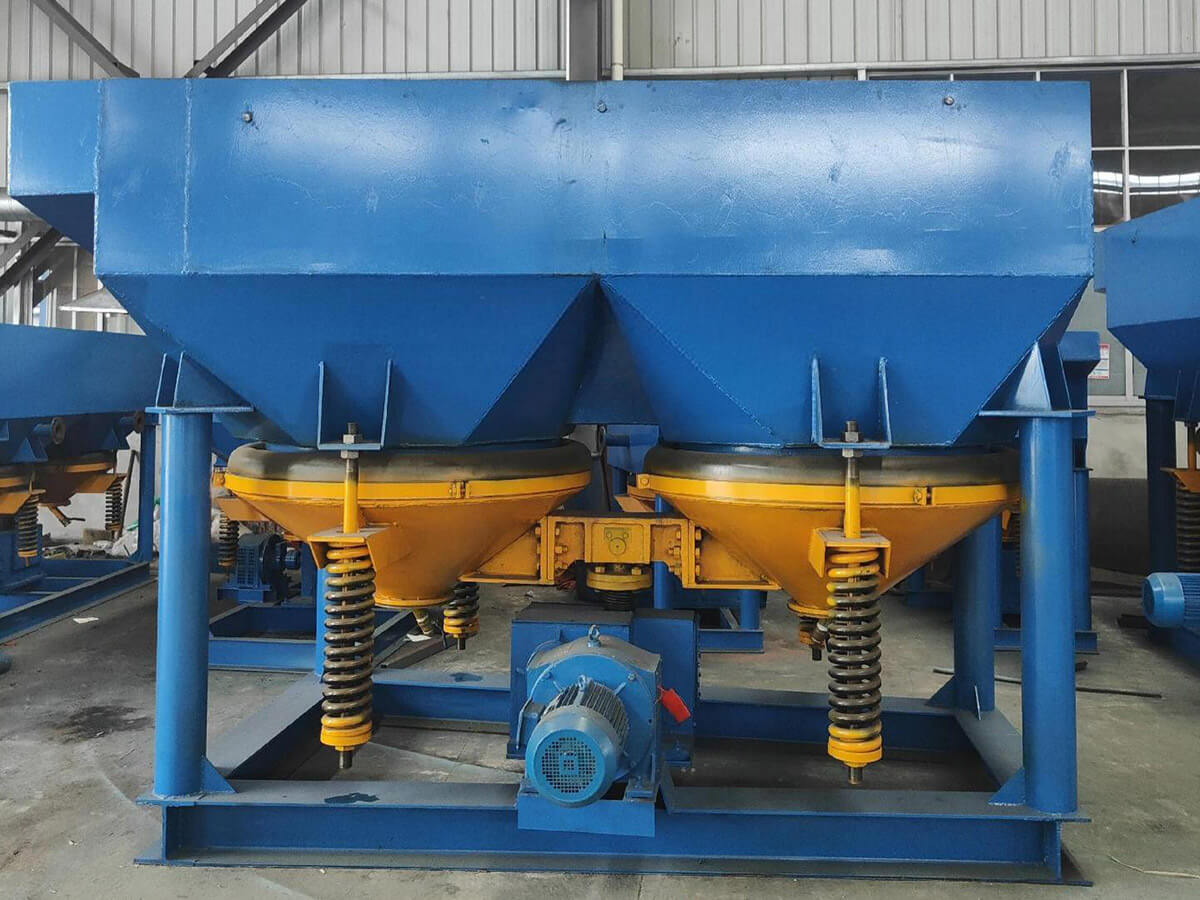
Core equipment includes jigs, shaking tables, spiral chutes, and centrifugal gold concentrators. In actual production, gravity separation is mostly used for pre-recovery of coarse gold in the grinding circuit, which can effectively improve the total gold recovery rate and reduce the load of subsequent chemical processing. The concentrated gold concentrate obtained by gravity separation has high purity and can be directly sent to smelting.
3. Flotation Processing: For Fine-Grained Symbiotic Gold
Flotation is the most widely used beneficiation method for fine-grained and sulfide-associated gold ore. The principle is to adjust the surface hydrophobicity of gold minerals through flotation reagents, so that gold adheres to bubbles and floats upward, while gangue minerals sink to the bottom.
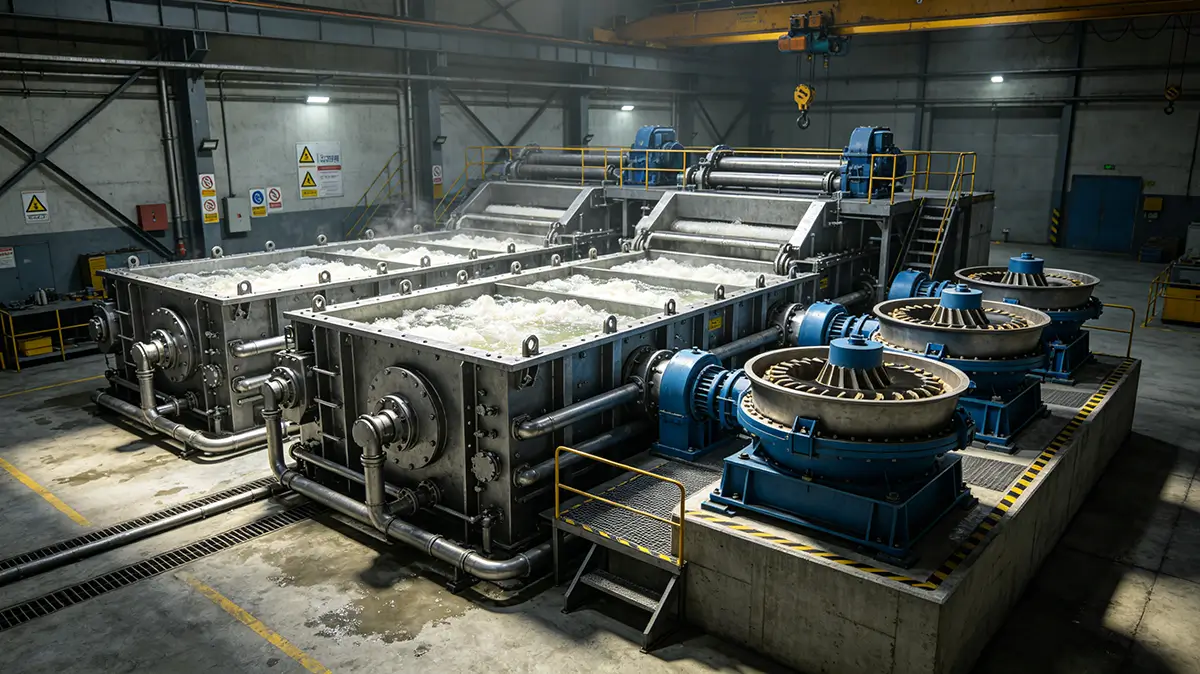
In the flotation process, accurate dosing of collectors, frothers, and regulators is the key. After stirring and aeration in the flotation cell, gold-bearing foam is scraped out, and high-grade gold concentrate is obtained after concentration and dehydration. This process is suitable for most refractory gold ores with fine gold particles and low dissociation degree, with stable beneficiation indicators and strong adaptability.
4. Cyanide Leaching & CIP/CIL Technology: High-Purity Gold Extraction
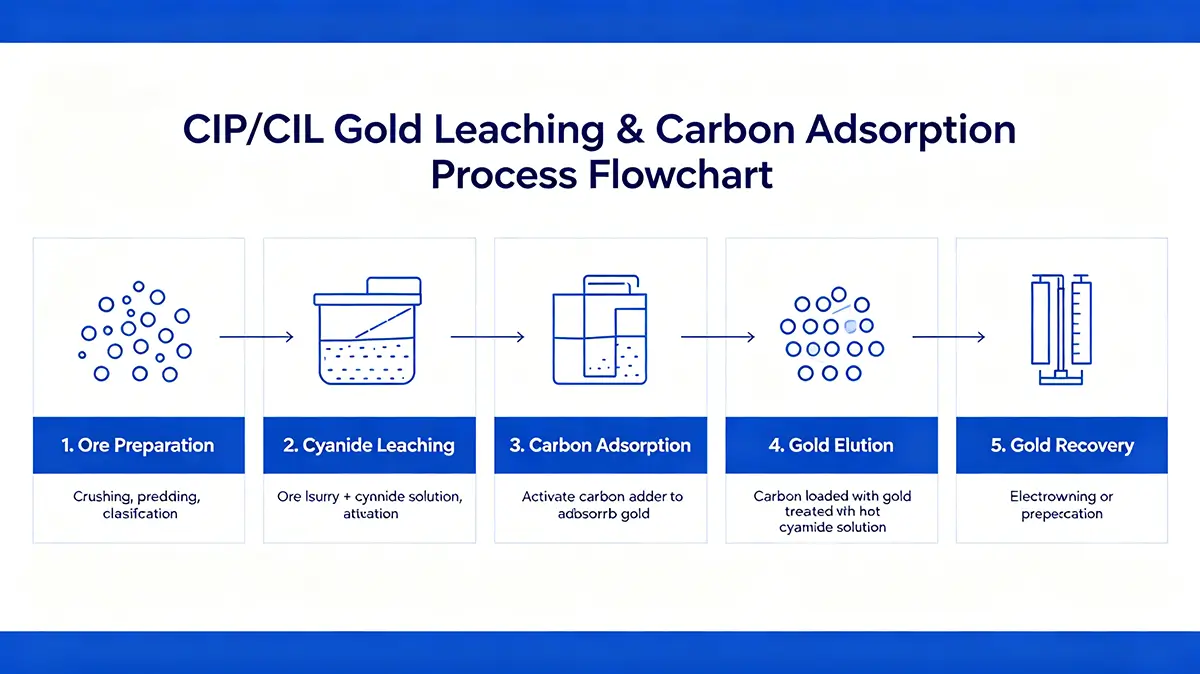
For low-grade gold ore that is difficult to process by physical separation, cyanide leaching technology is adopted, which is the mainstream process for modern large-scale gold mines. The core principle is that gold reacts with cyanide solution to form soluble gold complex ions, realizing the separation of gold and gangue.
CIP (Carbon in Pulp) and CIL (Carbon in Leach) are optimized cyanide processes. Activated carbon is added to the pulp to adsorb dissolved gold ions in real time. After desorption, electrolysis, and smelting, high-purity gold bullion is finally obtained. This process has the advantages of a high recovery rate (up to 95% or above) and strong adaptability to low-grade ore.
5. Heap Leaching: Low-Cost Treatment for Low-Grade Ore
Heap leaching is an economical processing technology for ultra-low-grade gold ore and abandoned mine tailings. The crushed ore is stacked on an anti-seepage pad, and the leaching solution is sprayed evenly on the ore heap. The solution penetrates the ore layer to dissolve gold, and the gold-containing pregnant solution is collected for carbon adsorption and gold extraction.
This process has the characteristics of small investment, simple operation, and low energy consumption, which greatly improves the utilization rate of low-grade gold resources and is widely used in small and medium-sized gold mines.
Environmental Protection & Tailings Disposal
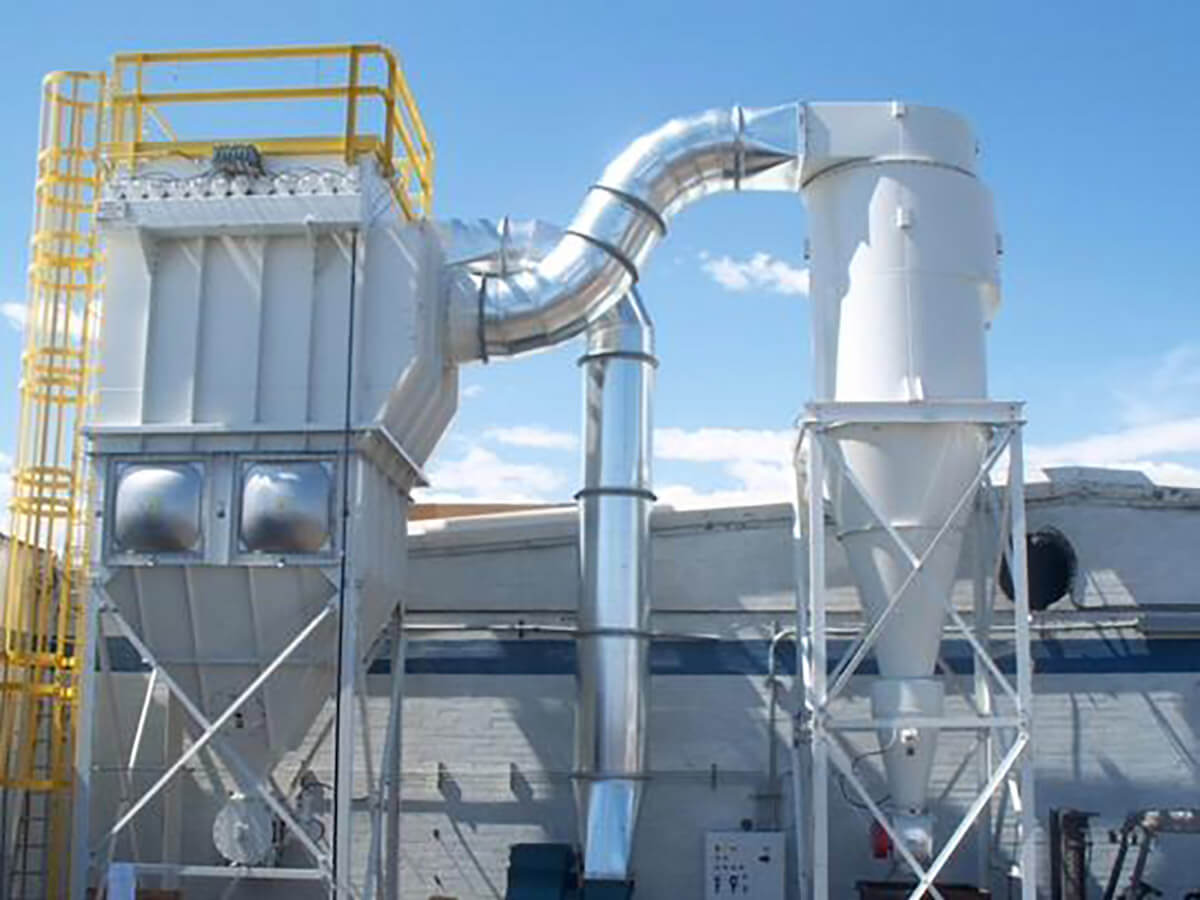
Modern gold ore processing abandons the original extensive production mode and pays close attention to environmental protection. For cyanide wastewater and tailings produced in the production process, professional harmless treatment is carried out through chemical degradation, precipitation, and filtration technologies to meet national and international emission standards. In addition, water recycling systems are equipped in most beneficiation plants to realize cyclic utilization of process water, save water resources, and reduce production costs.
Conclusion
Gold ore beneficiation is a highly customized technical project. With the upgrading of mineral processing technology and equipment, modern gold processing is developing towards high efficiency, energy saving, environmental protection, and intelligentization. Reasonable selection of processing technology according to ore properties can maximize the gold recovery rate, reduce resource waste, and create higher economic and environmental benefits for mining enterprises.