
Gold-Carbon In-Plate (CIP) Process
Date: 2026-02-22 Categories: Precious Metals Views: 272
Gold-carbon slurry infusion (CIP) is a gold extraction process that combines leaching and adsorption simultaneously. Its core process involves grinding, slurry preparation, cyanide leaching, activated carbon adsorption, desorption electrolysis, and smelting. It is suitable for oxide ores, low-sulfur ores, and flotation concentrates, achieving efficient gold recovery and purification.
Core Process Principle
Gold dissolves in an alkaline cyanide solution (pH 10–11) to form soluble cyanide complexes. Activated carbon simultaneously adsorbs these gold complexes from the slurry through both physical and chemical adsorption. This avoids the separation of the precious cyanide solution from the slag, reducing gold loss. After adsorption, the gold-loaded carbon is desorbed and electrolyzed to recover gold. The tailings are either directly discharged or further treated.
Standard Process Flow
1. Grinding and Classification
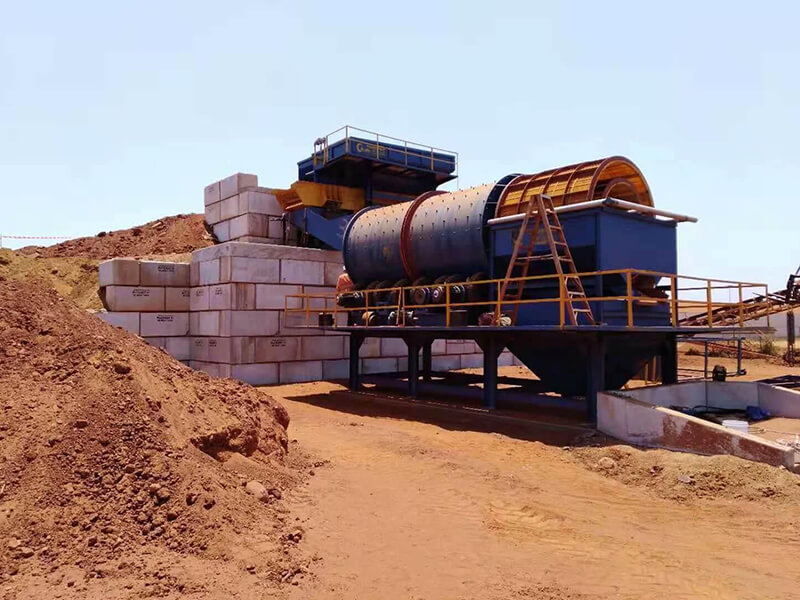
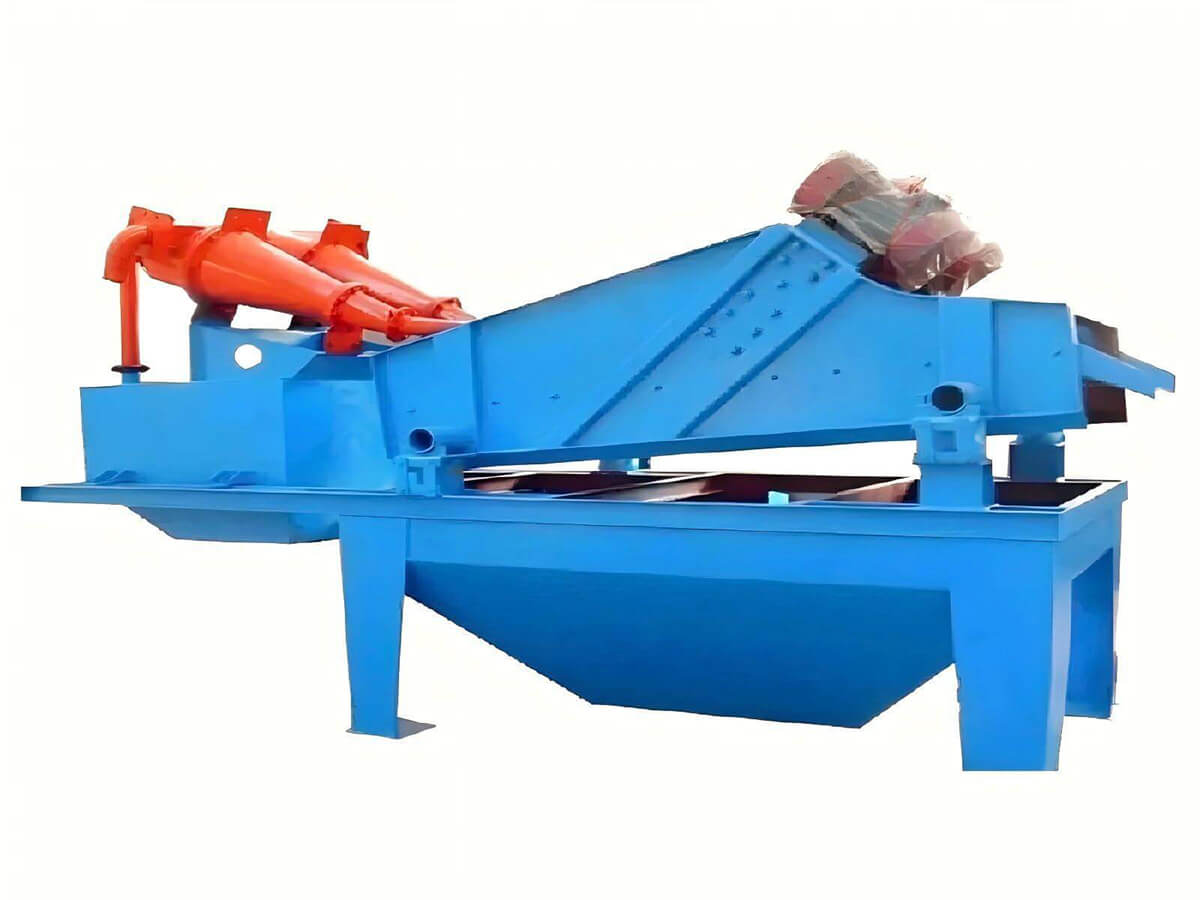
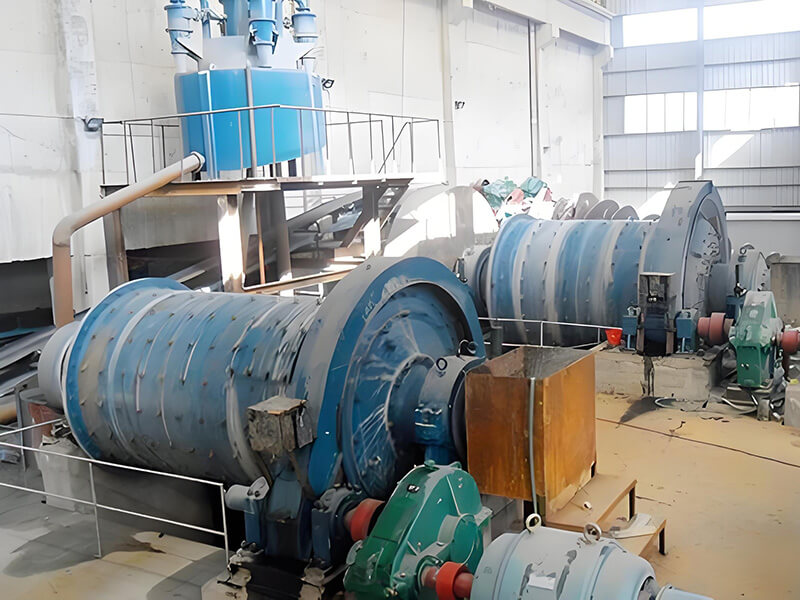
After crushing the gold-bearing ore, it is fed into a ball mill for grinding to a particle size of -0.074mm, with a particle size distribution of 70%–90%, ensuring sufficient liberation of gold minerals. The ore is then classified using a hydrocyclone. Qualified slurry enters the conditioning tank, while unqualified slurry is returned to the ball mill for regrinding.
2. Conditioning and Pretreatment
Lime is added to the slurry to adjust the pH to 10–11, inhibiting cyanide hydrolysis and reducing the generation of toxic gases. Sodium cyanide (concentration 0.03%–0.1%) is added as a leaching agent. If necessary, oxidants (such as air or hydrogen peroxide) are added to increase the gold dissolution rate.
3. CIP Leaching - Adsorption Loop
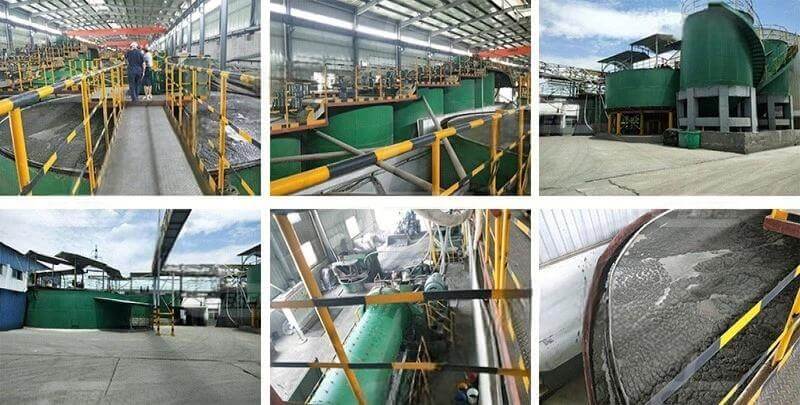
The slurry enters 4–6 CIP adsorption tanks connected in series. Air is introduced into the tanks for agitation, and activated carbon with a particle size of 10–20 mesh (dosage 5–15 g/L slurry) is added simultaneously.
Activated carbon moves countercurrently within the tank. Fresh activated carbon is added from the last tank, while gold-loaded carbon is discharged from the first tank, ensuring sufficient adsorption and a gold adsorption rate of≥95%.
Key parameters: Slurry residence time 12–24 h, stirring intensity 100–200 r/min, slurry concentration 40%–50%.
4. Gold-loaded carbon treatment
The gold-loaded carbon discharged from the first tank is screened and washed to remove surface slime before being fed into the desorption column. High-temperature, high-pressure desorption (150℃, 0.5 MPa) is used, employing alkaline cyanide solution or an alcohol-sodium cyanide mixture for desorption, achieving a gold desorption rate ≥98%. The desorbed lean carbon is regenerated (acid washing or roasting) and returned to the CIP adsorption tank for recycling.
5. Electrolysis and smelting of the desorption solution
The gold-rich solution obtained from desorption is fed into an electrolytic cell. Through electrolytic deposition, gold adheres to the cathode plate, yielding gold mud (gold grade ≥90%). After acid washing, drying, and smelting, gold mud is treated with fluxes (such as borax) to remove impurities, ultimately yielding gold ingots (gold purity ≥ 99.9%).
6. Tailings Treatment
The adsorbed tailings slurry is settled in a sedimentation tank. Part of the supernatant is recycled for slurry preparation. The remaining wastewater undergoes cyanide removal treatment (hypochlorite oxidation) to meet emission standards before discharge. The tailings are used for backfilling or comprehensive utilization.