
Gold-Carbon Leaching (CIL) Process
Date: 2026-02-22 Categories: Precious Metals Views: 214
The full name is carbon-in-liquid gold extraction process, a mainstream gold extraction technology developed based on the CIP process. Its core advantage is that it combines cyanide leaching and activated carbon adsorption into a single, simultaneous process, significantly simplifying the process, reducing costs, and improving gold recovery rates. It is widely used in the beneficiation of large and medium-sized gold mines.
Core Principle
Utilizing the strong adsorption properties of activated carbon for gold-cyanide complexes in alkaline cyanide solution, activated carbon is added simultaneously after gold ions are dissolved in the gold-bearing slurry under the action of cyanide reagents. This direct adsorption of gold-cyanide complexes in the slurry prevents excessively high gold ion concentrations from affecting further gold dissolution, reduces gold retention and loss during the process, and optimizes the kinetics of gold extraction.
Process Flow
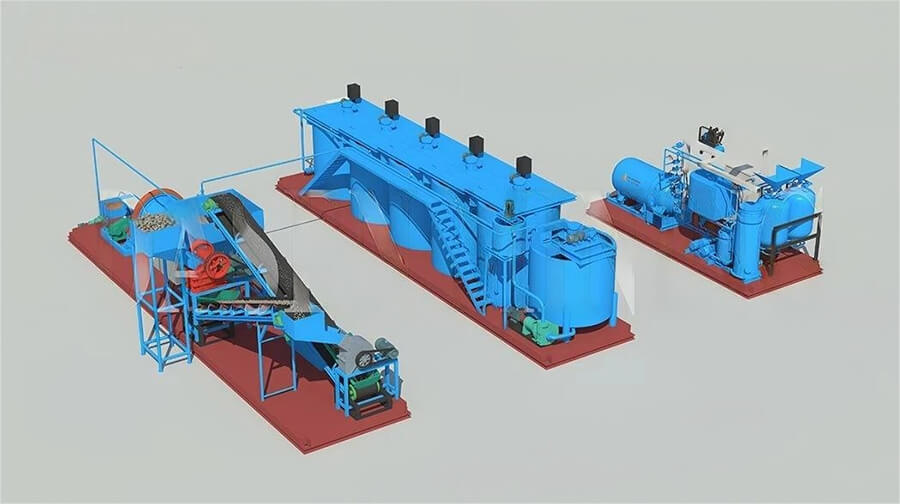
1. Raw Ore Preparation
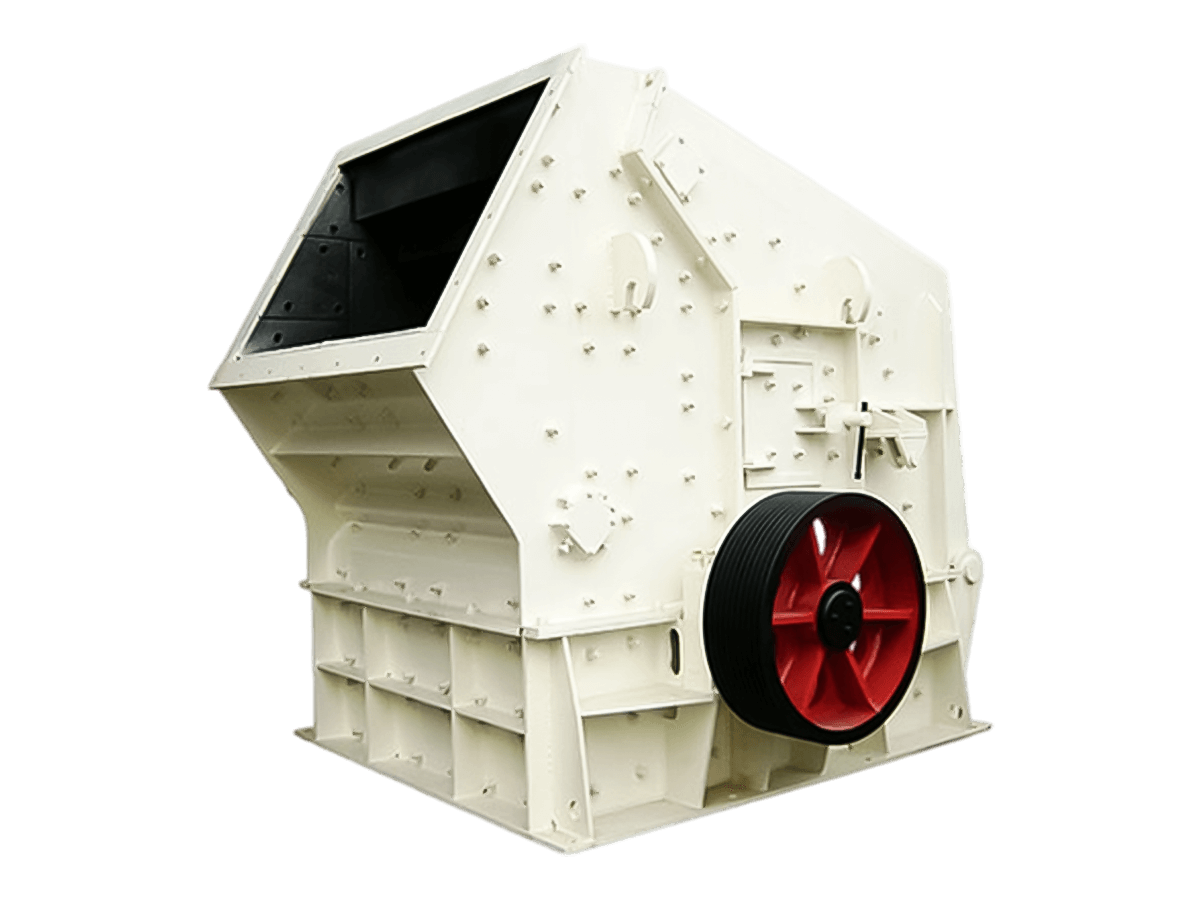
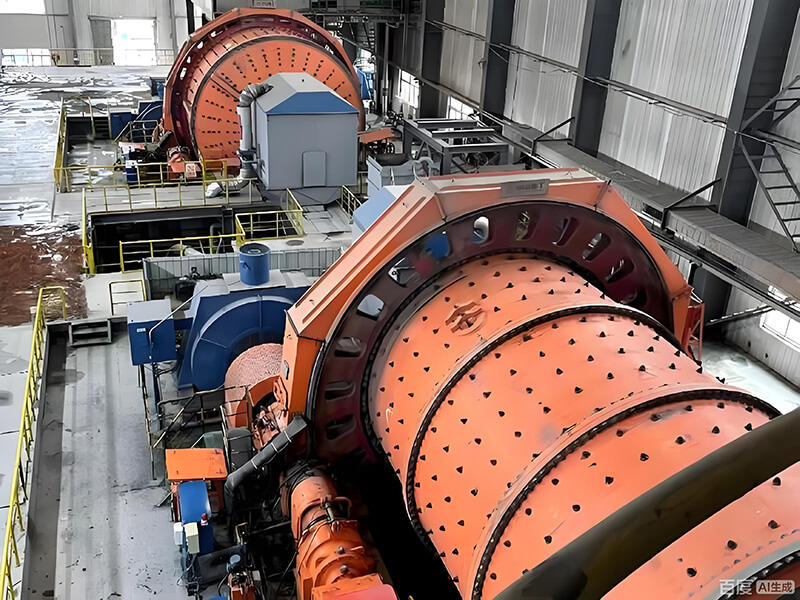
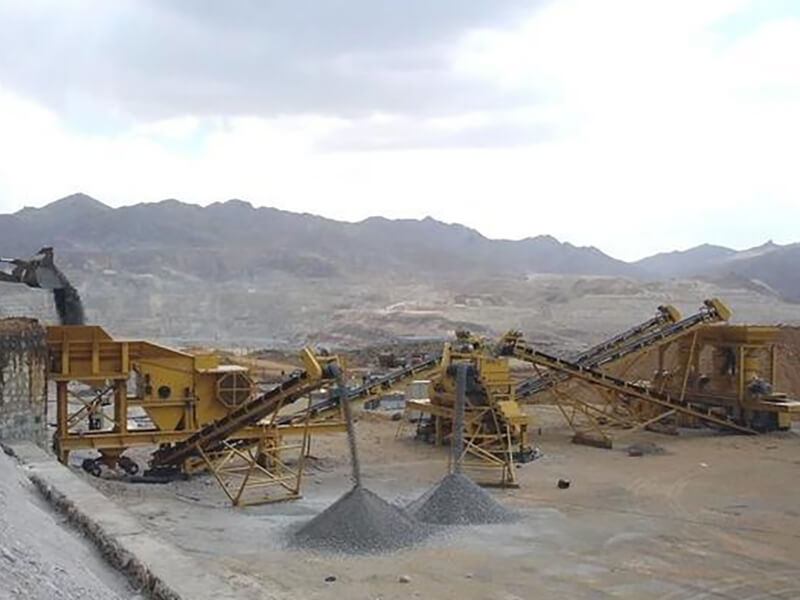
Large gold ore is first crushed in multiple stages using a jaw crusher and cone crusher, then ground in a ball mill to a final particle size of -200 mesh (85%-90%).
2. Pretreatment Operation
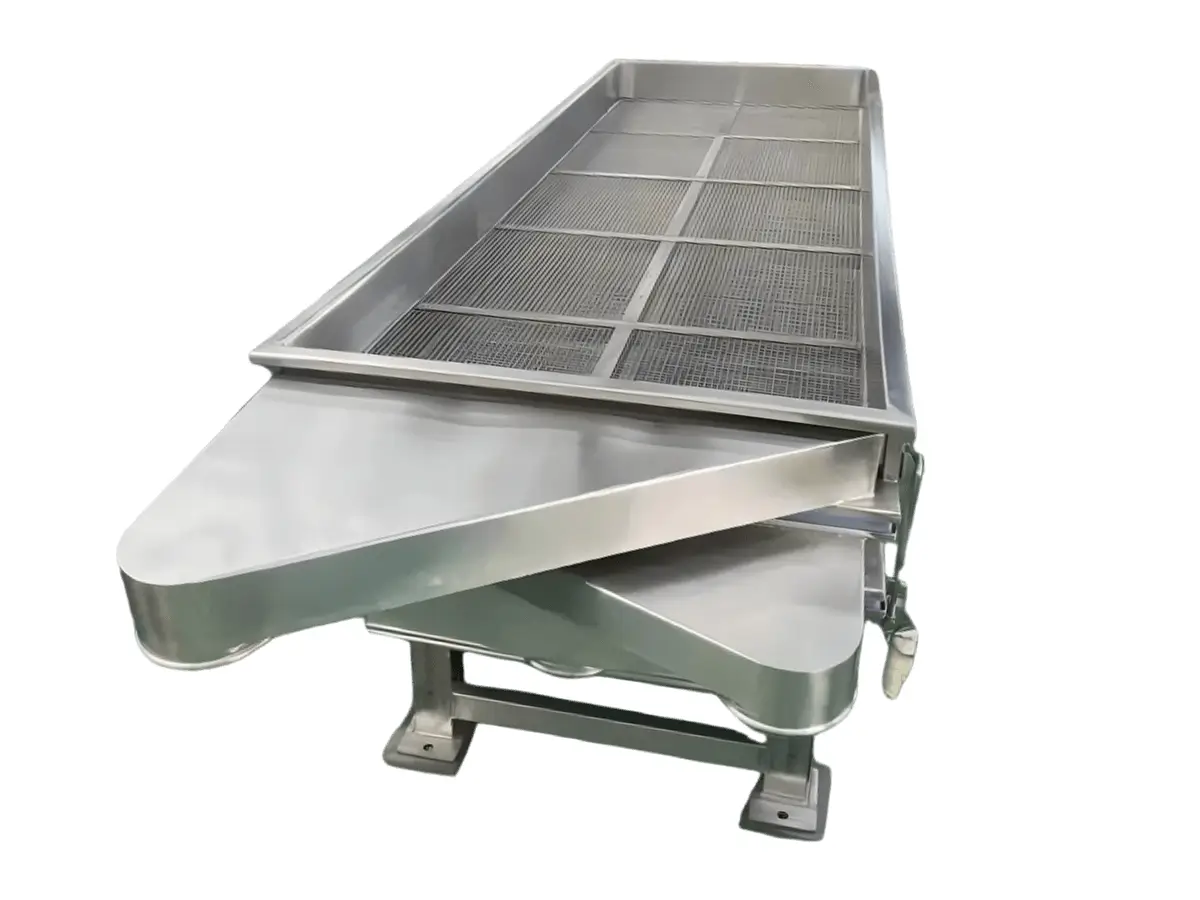
Immediately after treatment, a linear vibrating screen and other equipment are used to remove debris and impurities to prevent them from affecting the operation of subsequent equipment. Then, a thickener is used to increase the slurry concentration to 40%-50%.
3. Stirred Leaching and Countercurrent Carbon Adsorption
Multi-stage leaching tanks are connected in series. The first tank serves as a pre-leaching tank, and subsequent tanks are leaching adsorption tanks. The slurry flows co-currently, while activated carbon is added counter-currently. Fresh activated carbon is added from the tail end tank, and after adsorbing gold, it is discharged from the first tank as gold-loaded carbon.
4. Gold-loaded Activated Carbon Desorption and Electrowinning
A high-temperature, high-pressure desorption method is used, with sodium hydroxide as the desorption solution. At 150℃ and 0.5MPa, approximately 95% of the gold can be desorbed in 6-12 hours. The desorbed solution is then passed into an electrodeposition tank, where gold ions are reduced and deposited at the cathode under direct current to form gold mud.
5. Smelting and Ingot Formation and Carbon Regeneration
Borax, sodium carbonate, and other fluxes are added to the gold mud. Smelting yields gold ingots with a purity of over 99.99%. The desorbed activated carbon is first acid-washed to remove surface carbonates and other impurities. After multiple cycles, it is thermally activated in a regeneration kiln. After cooling, fine impurities are removed, and the carbon can be reused.