
Hard Rock Gold Mining Technology
Date: 2026-02-22 Categories: Precious Metals Views: 176
The core of hard rock gold mining and beneficiation technology is "mining - crushing and grinding - beneficiation and enrichment - gold extraction and purification." It requires first extracting the ore through blasting/tunneling, followed by physical separation (gravity separation/flotation) or chemical gold extraction (CIP/CIL/heap leaching) to recover gold. This process is suitable for hard rock gold resources with complex embeddings and multiple associated minerals.
Core Beneficiation Processes
Based on ore properties (embedded particle size, associated minerals, and leaching difficulty), these processes are divided into three categories: "primarily physical separation," "primarily chemical gold extraction," and "combined processes." The core principle is to ensure the liberation and efficient recovery of individual gold minerals.
1. Primarily Physical Sorting (Suitable for Easily Sorted Hard Rock Gold Deposits)
Core Process: Crushing → Grinding → Classification → Gravity Separation/Flotation → Concentrate Purification
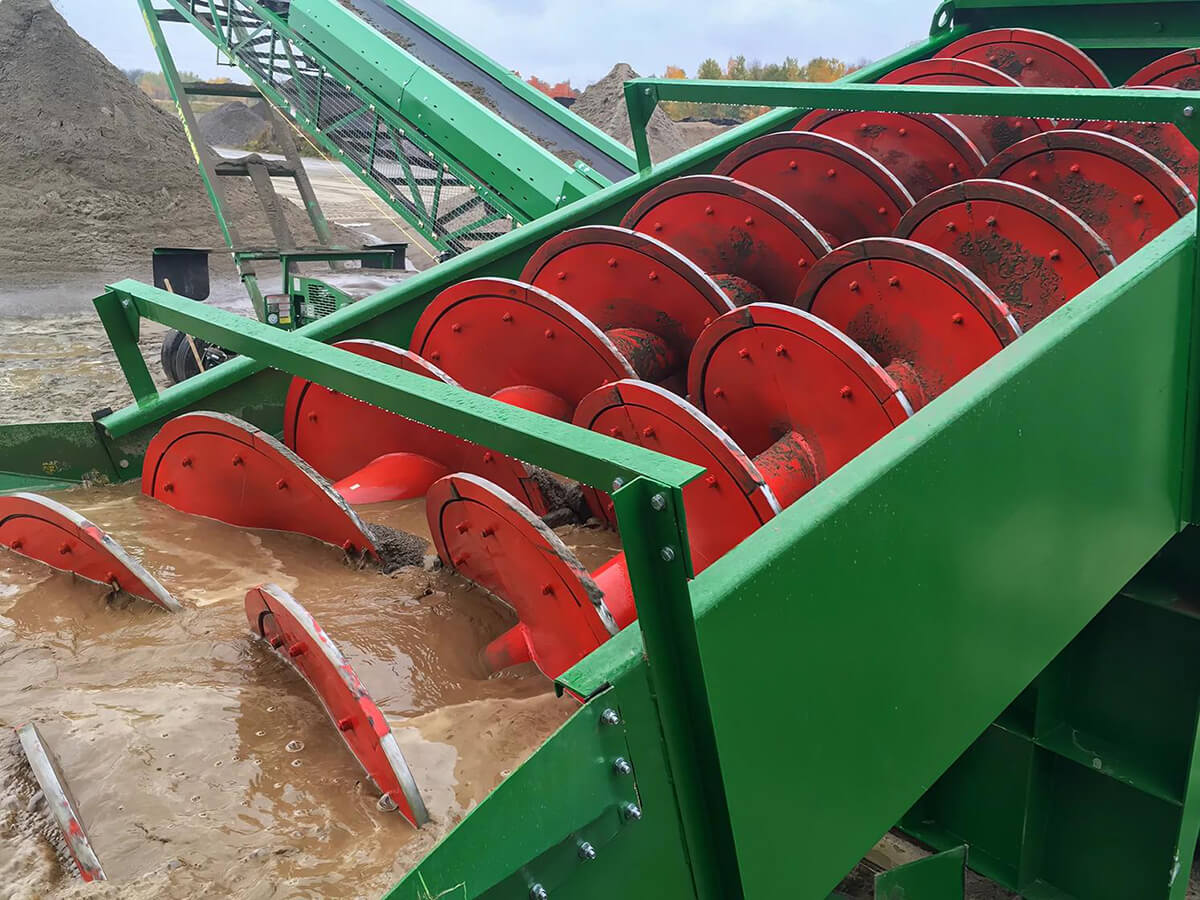
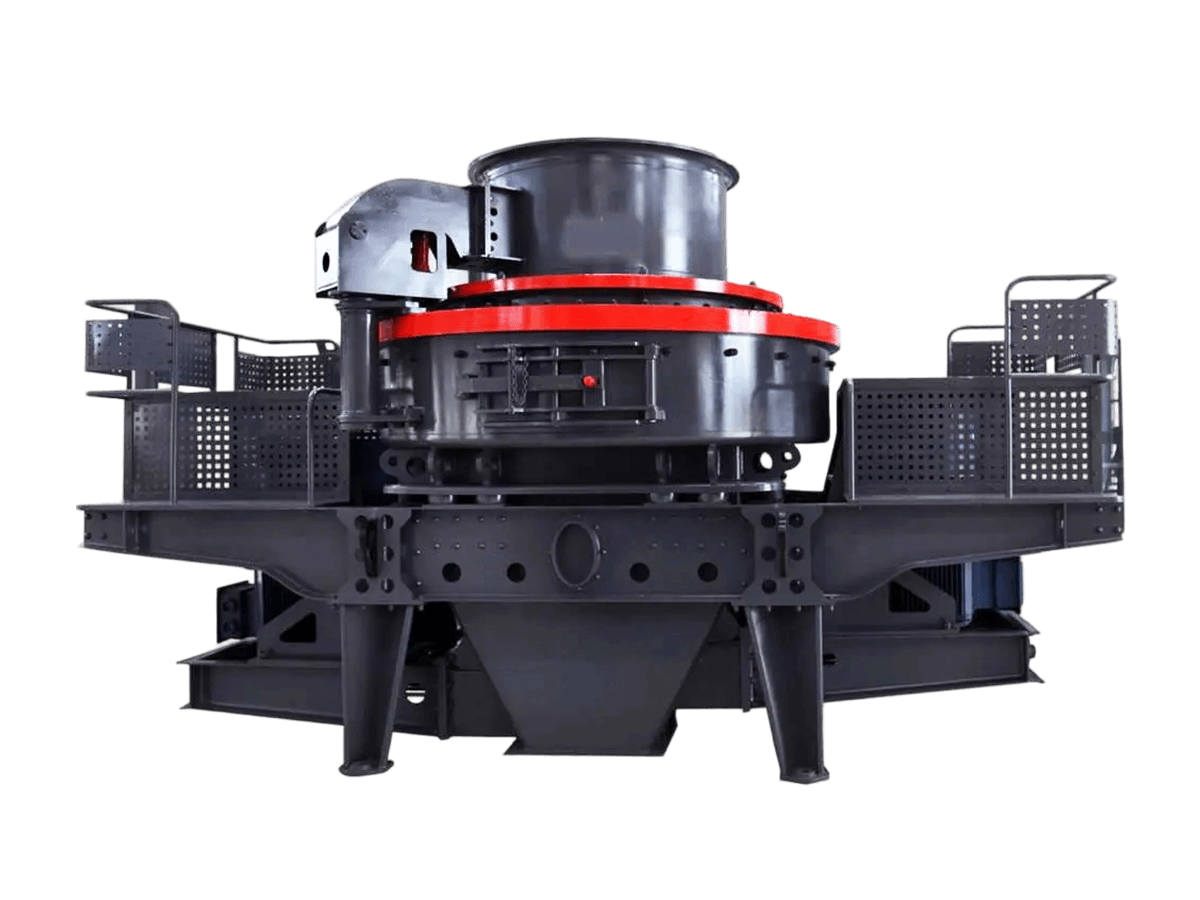
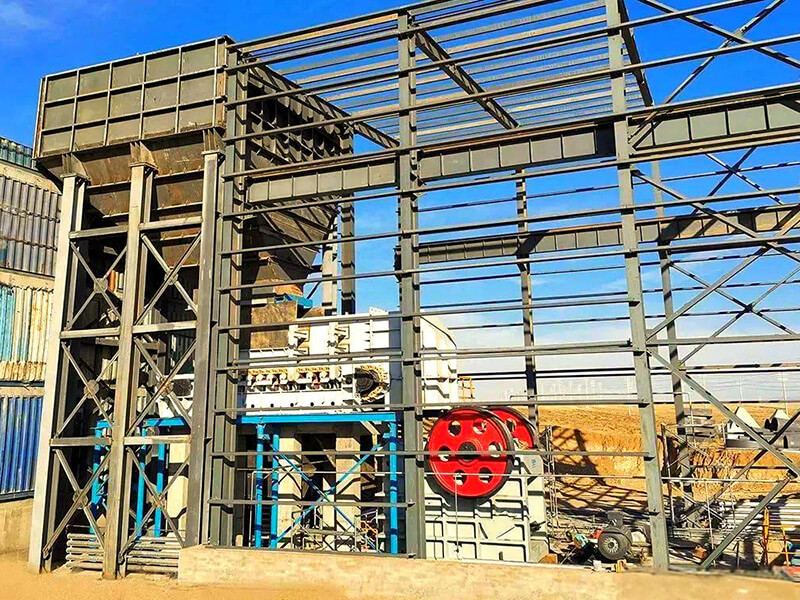
Crushing and Grinding: Jaw crusher + cone crusher to 30-50mm, ball mill grinding to -0.074mm (60%-80%), hydrocyclone classification to ensure gold liberation.
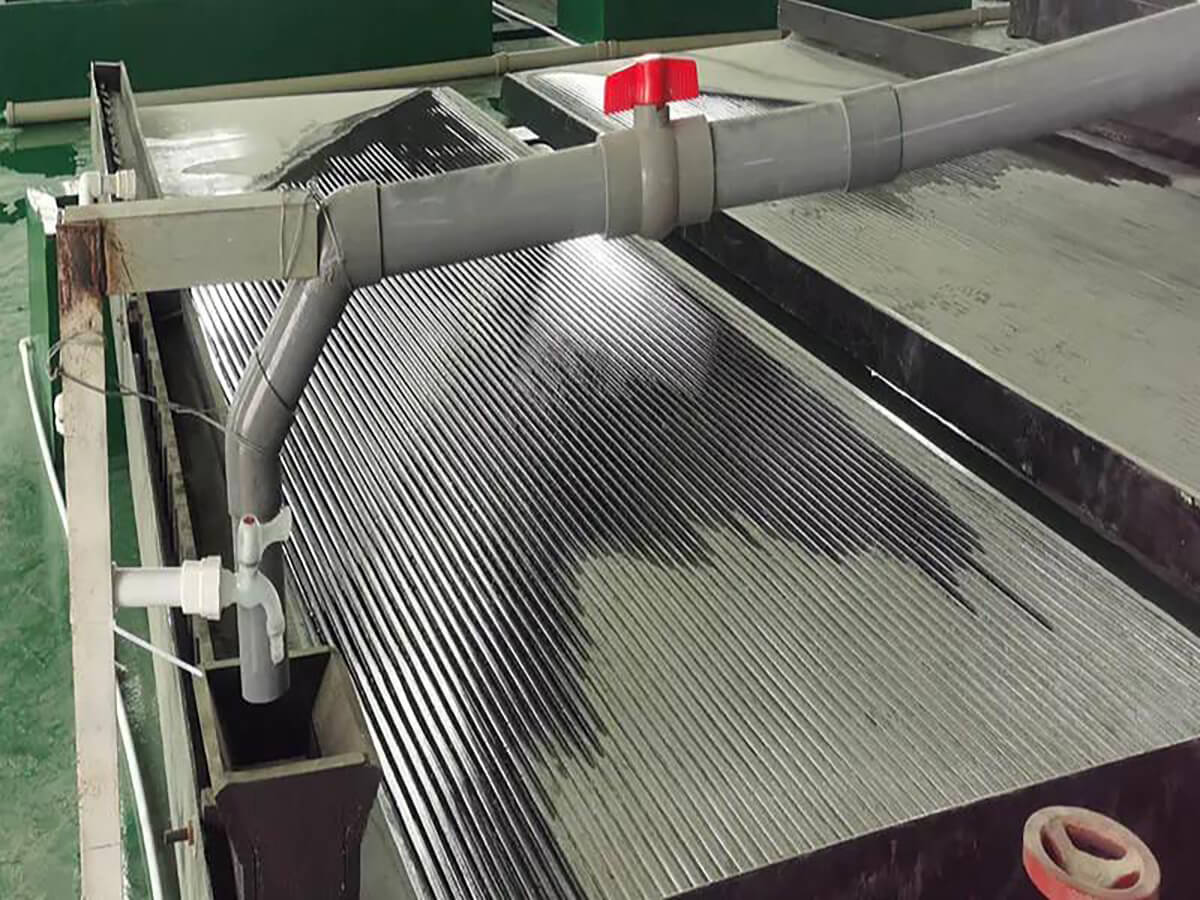
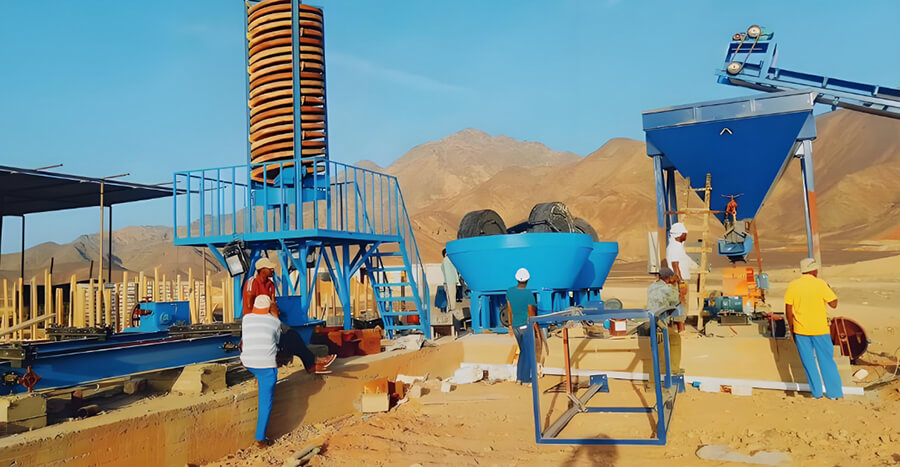
Sorting and Enrichment: Coarse gold particles are recovered using jigs/spiral sluices; fine gold particles are enriched into sulfide ore concentrate using flotation (xanthate collectors) (gold grade increased 10-20 times).
Purification: Flotation concentrate is further refined using shaking tables or directly sent to a smelter for gold ingot smelting, with a total recovery rate of 75%-85%.
Applicable Scenarios: Gold-bearing sulfide ores (associated with pyrite and chalcopyrite), ores with relatively coarse gold particles (>0.01mm), and no complex inclusions.
2. Primarily Chemical Gold Extraction (Suitable for Fine-Grained/Refractory Hard Rock Gold Deposits)
Mainstream Processes: CIP (Carbon-In-Pulp)/CIL (Carbon-In-Liquid) process, with heap leaching used for some low-grade ores.
Core Flow (CIP as an example):
Deep Grinding: Grinding to 80%-90% of the particles at -0.074mm to ensure complete liberation of fine-grained gold.
Pulp Adjustment Leaching: Adjusting the pH to 10-11 with lime, adding sodium cyanide (0.03%-0.1%) for leaching, while simultaneously introducing air to enhance gold dissolution.
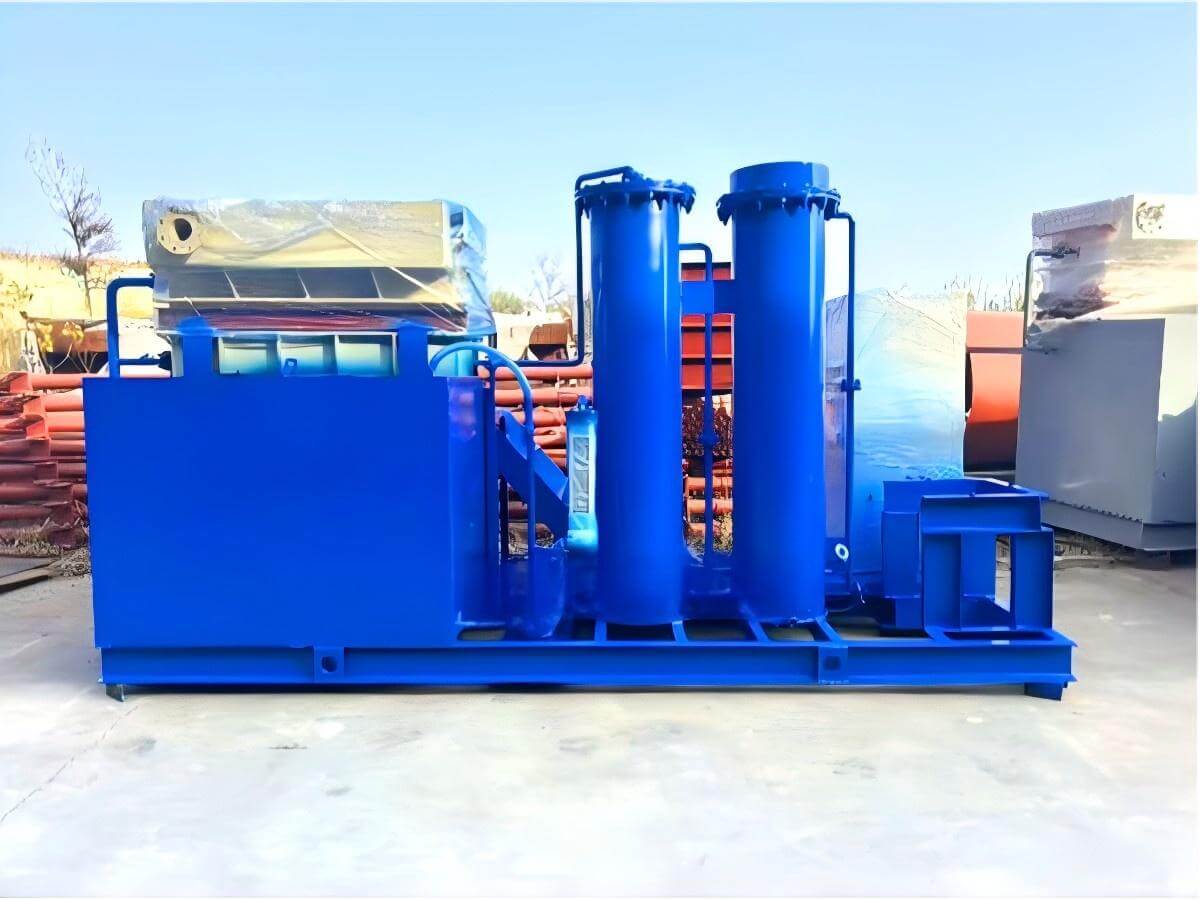
Carbon Adsorption-Desorption Electrolysis: The slurry enters the CIP tank, where activated carbon simultaneously adsorbs gold complexes. The gold-loaded carbon undergoes high-temperature, high-pressure desorption (150℃/0.5MPa) and electrolysis to obtain gold mud, which is then smelted into gold ingots.
Key Indicators: Leaching rate 85%-95%, Total recovery rate 80%-90%, Processing capacity 50-500 t/d.
Applicable Scenarios: Fine-grained gold inclusions (<0.01mm), oxidized hard rock gold deposits, and gold extraction after flotation concentrate.
3. Combined Process (Suitable for Refractory Hard Rock Gold Deposits)
Typical Combination: Pretreatment → Flotation / CIP → Gold Extraction, targeting high-sulfur, high-arsenic, and high-carbon ("three highs and one difficulty") hard rock gold deposits.
Common Pretreatment Technologies
Pressure Oxidation: High-temperature and high-pressure (180-220℃/2-3MPa) oxidation destroys sulfur and arsenic inclusions, exposing gold minerals, followed by CIP gold extraction.
Roasting Oxidation: Roasting at 600-700℃ removes sulfur, arsenic, and carbon, followed by cyanide leaching, suitable for arsenic gold deposits and carbonaceous gold deposits.
Bio-oxidation: Utilizing microorganisms (such as Thiobacillus ferrooxidans) to decompose sulfide minerals is environmentally friendly and low-consumption, making it suitable for small and medium-sized mines.