
Zircon Beneficiation Process
Date: 2026-02-24 Categories: Non Metals Views: 219
Zircon beneficiation is a process that utilizes the differences in physical and chemical properties between zircon and other minerals to achieve efficient separation through a series of technical means, thereby improving zircon grade and recovery rate. The following provides a detailed introduction from three aspects: process flow, main beneficiation methods, and process optimization directions:
I. Process Flow
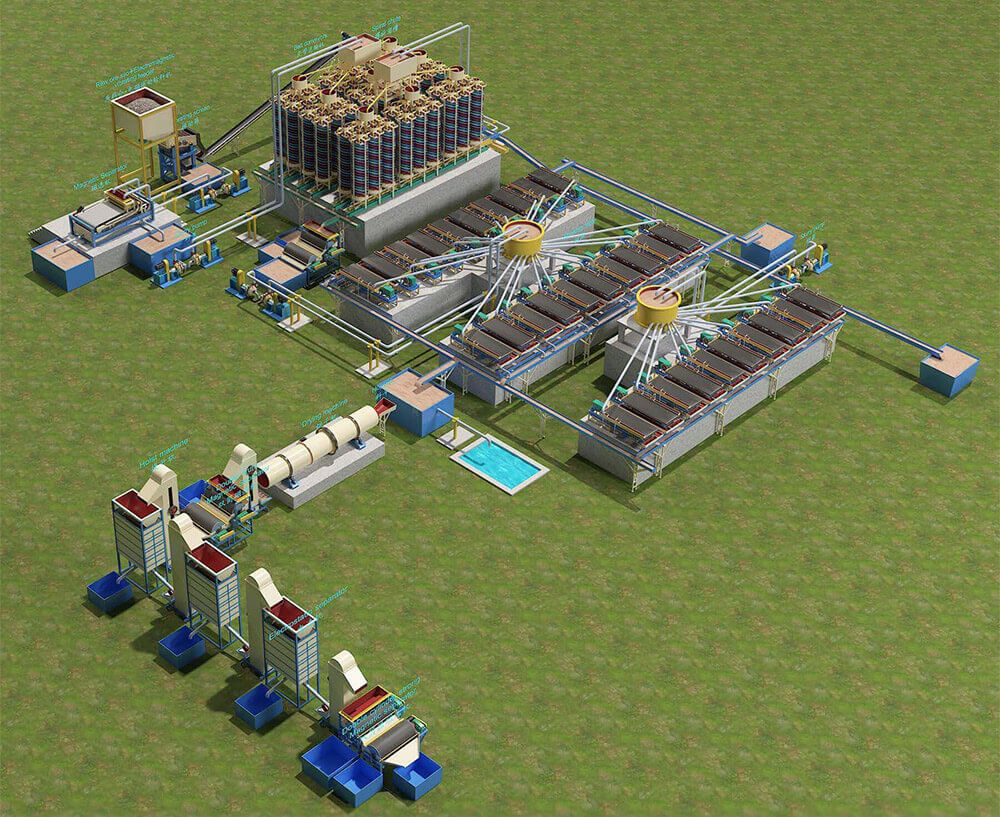
The zircon beneficiation process typically includes four stages: raw material collection and pretreatment, roughing, cleaning, and tailings treatment:
Raw Material Collection and Pretreatment
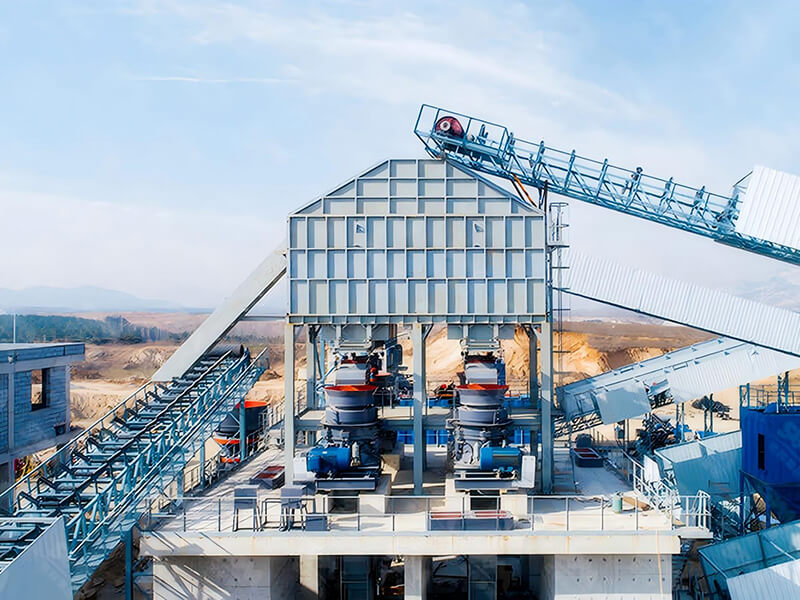
Mining and Screening: Placer mining is carried out using large mining equipment in coastal or mining areas. The raw ore is then initially screened using equipment such as vibrating screens and drum screens to remove large impurities.
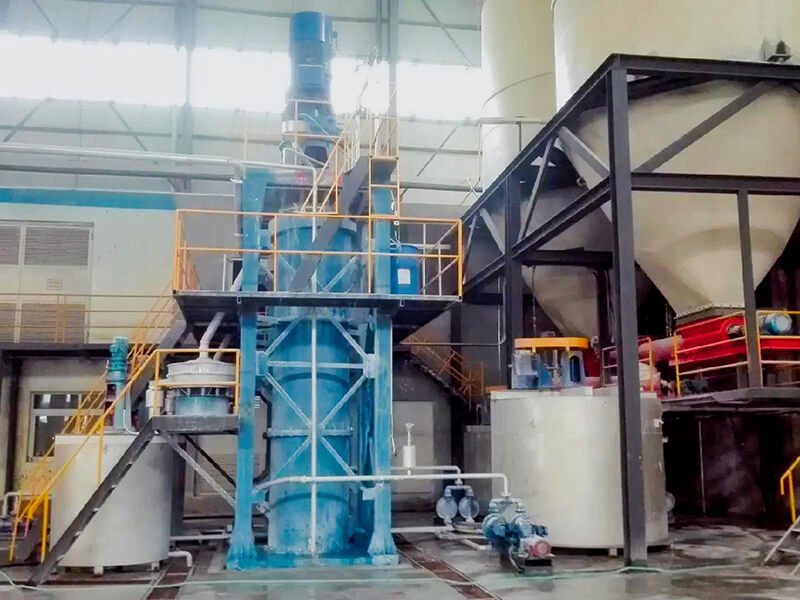
Desliming and Dewatering: Hydrocyclones, thickeners, and other equipment are used to deslime and dewater the screened ore, creating favorable conditions for subsequent beneficiation.
Roughing
Gravity Separation: Utilizing the differences in mineral density, gravity separation is performed using spiral sluices and shaking tables to initially enrich heavy minerals such as zircon.
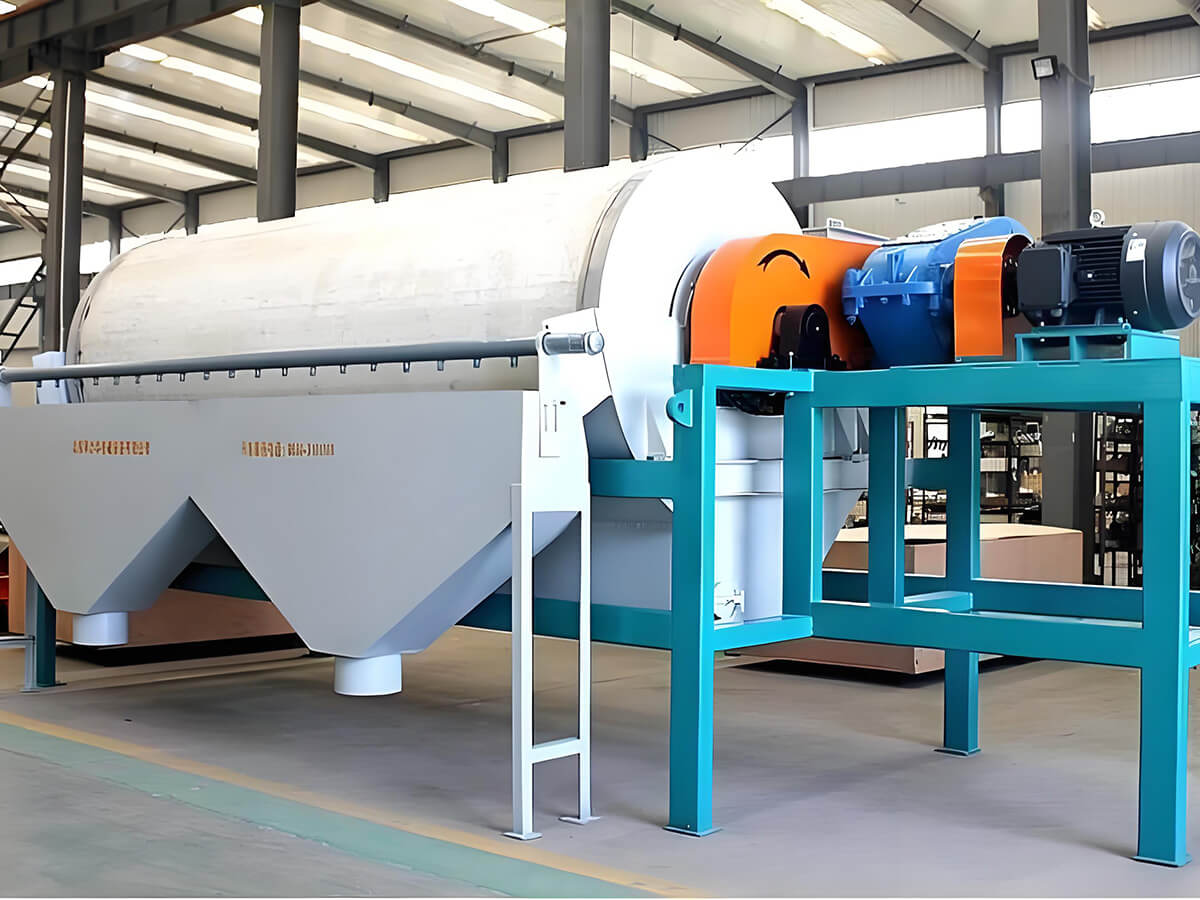
Magnetic Separation: Using dry or wet magnetic separators, magnetic minerals such as ilmenite are separated based on their magnetic differences.
Refinement
Electrostatic Separation: Utilizing the differences in mineral conductivity, a high-voltage electric field is used to separate conductive minerals such as rutile from non-conductive minerals such as zircon.
Flotation: Advanced flotation equipment is introduced, and appropriate reagents are added to further separate difficult-to-refine minerals, improving product quality.
Failure Treatment
Wastewater Treatment: Emphasis is placed on wastewater treatment during the mineral processing process to achieve water resource recycling and reduce environmental pollution.
Waste Residue Utilization: Waste residue is comprehensively utilized, such as for the production of building materials, promoting the construction of green mines.
II. Main Mineral Processing Methods
Commonly used mineral processing methods for zircon include gravity separation, magnetic separation, electrostatic separation, and flotation:
Gravity Separation
Principle: Separates zircon from other minerals based on their density differences.
Application: Mostly suitable for coarse-grained zircon deposits with inclusions larger than 0.074 mm, such as coastal and alluvial placer deposits.
Equipment: Spiral sluices, shaking tables, jigs, etc.
Magnetic Separation
Principle: Separates zircon from other minerals based on their magnetic properties.
Application: Although zircon itself is non-magnetic, its associated impurities are often magnetic minerals, such as magnetite and hematite; therefore, magnetic separation can be used as an auxiliary process.
Equipment: Dry magnetic separators, wet magnetic separators, etc.
Electrostatic Separation
Principle: Separates zircon from other minerals based on their electrical conductivity.
Applications: Mostly suitable for separating zircon from other heavy minerals with similar densities, making gravity separation difficult. Used in the beneficiation stage to improve the purity of zircon concentrate.
Equipment: High-voltage electrostatic separator.
Flotation
Principle: Separates zircon from other minerals based on differences in their surface physicochemical properties.
Applications: Primarily aims to suppress gangue and separate associated minerals. Reagents are used to improve the hydrophobicity of the zircon surface, making it easier for it to adhere to foam and float, thus achieving separation from gangue.
Reagents: Collectors (such as fatty acids, phosphonates, amines, etc.), inhibitors, modifiers, etc.
III. Process Optimization Directions
With continuous technological advancements and increasingly stringent environmental protection requirements, zircon beneficiation processes are developing in the following directions:
- High Efficiency: Improving sorting efficiency and clean coal recovery rate through optimized sorting equipment and process parameters. For example, using advanced spiral chutes and shaking tables to improve the accuracy and efficiency of gravity sorting.
- Larger Size: With increasing mechanization in coal mining and deteriorating coal resource conditions, the content of pulverized coal and ash in the raw ore being processed is increasing. To adapt to this change, mineral processing equipment is developing towards larger sizes to improve processing capacity and sorting effect.
- Environmental Protection: Strengthening wastewater treatment and resource recycling to reduce environmental pollution during mineral processing. For example, adopting advanced wastewater treatment technologies and water resource recycling systems to achieve closed-loop circulation of mineral processing water.
- Intelligent Control: Introducing automated control systems and intelligent monitoring technologies to achieve real-time monitoring and intelligent control of the mineral processing process. This helps improve production efficiency, reduce energy consumption, and minimize human error.