

Diamond Beneficiation Process
Date: 2026-02-24 Categories: Non Metals Views: 199
Diamond beneficiation processes require consideration of differences in physical properties and employ a multi-stage separation process. The core solutions encompass gravity separation, oil separation, X-ray photoelectric separation, and magnetic separation, as detailed below:
I. Core Process Methods
Gravity Separation
Principle: Utilizing the density difference between diamond (density 3.52 g/cm³) and gangue (density 2.6 g/cm³), stratification is achieved through media flow.
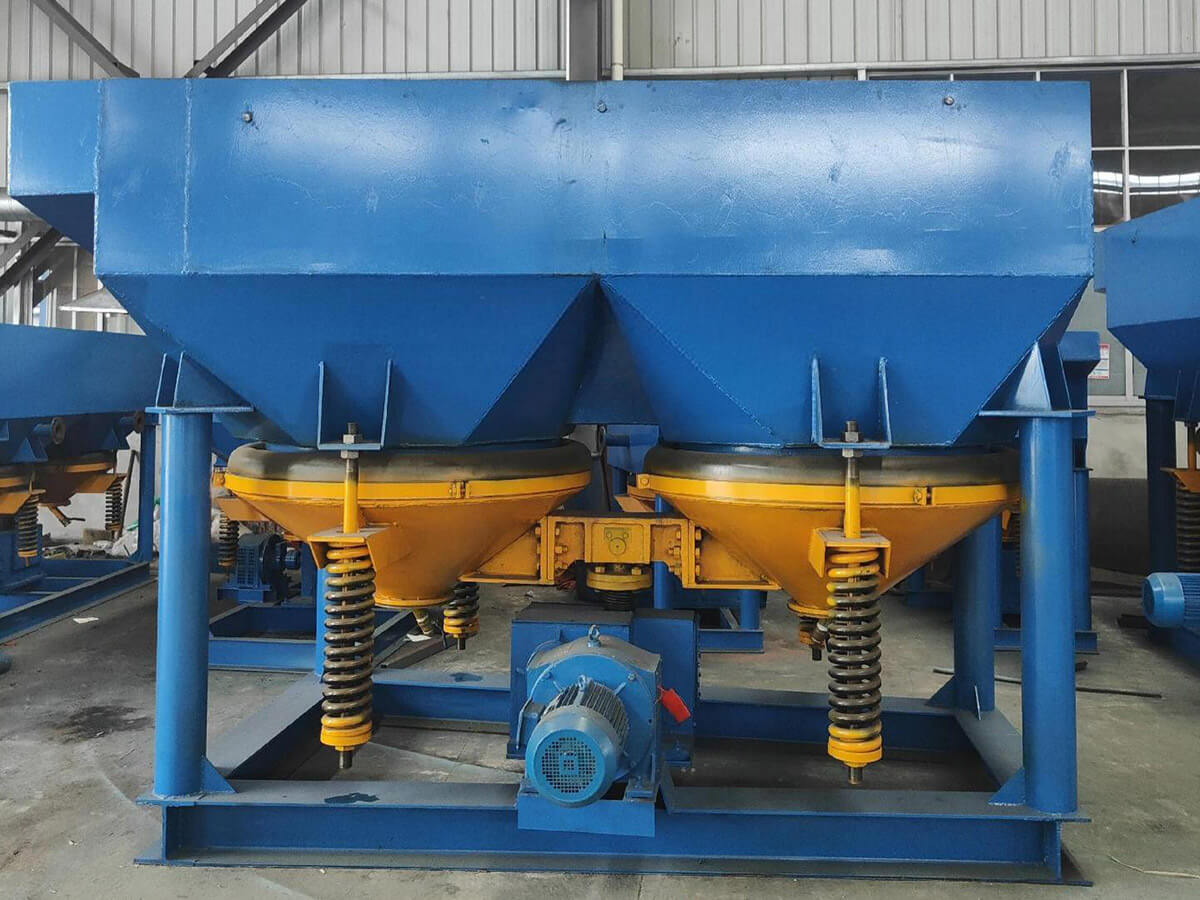
Equipment: Jigging machine, shaking table, heavy media separator.
Process: After crushing and screening, the ore enters the jig. The rising water flow loosens the bed, while the descending water flow causes high-density diamonds to settle to the bottom (rough concentrate), while low-density gangue floats to the top (tailings). The shaking table further refines the jig rough concentrate. Through mechanical reciprocating motion and inclined water flow, diamonds are concentrated in the concentrate zone, while other minerals are distributed in the intermediate and tailings zones. Heavy media separator uses a ferrosilicon powder suspension (density 2.95 g/cm³). After crushed ore is fed in, waste floats to the surface and is discharged, while diamonds are concentrated at the bottom.
Oil separation method
Principle: Based on the oleophilic and hydrophobic properties of diamonds, diamonds are adsorbed onto the surface of a viscous oil paste, while water washes away the oleophobic gangue.
Process: Diamond-containing material is placed on the surface of the oil paste in the oil separator. Diamonds adhere to the oil paste, while gangue is washed away by water. Surface flotation utilizes the surface tension of water to make hydrophobic diamonds float on the surface, while hydrophilic gangue sinks.
X-ray photoelectric separation method
Principle: Diamonds emit a light blue fluorescence under X-rays. Diamonds are separated by detecting the fluorescence reaction.
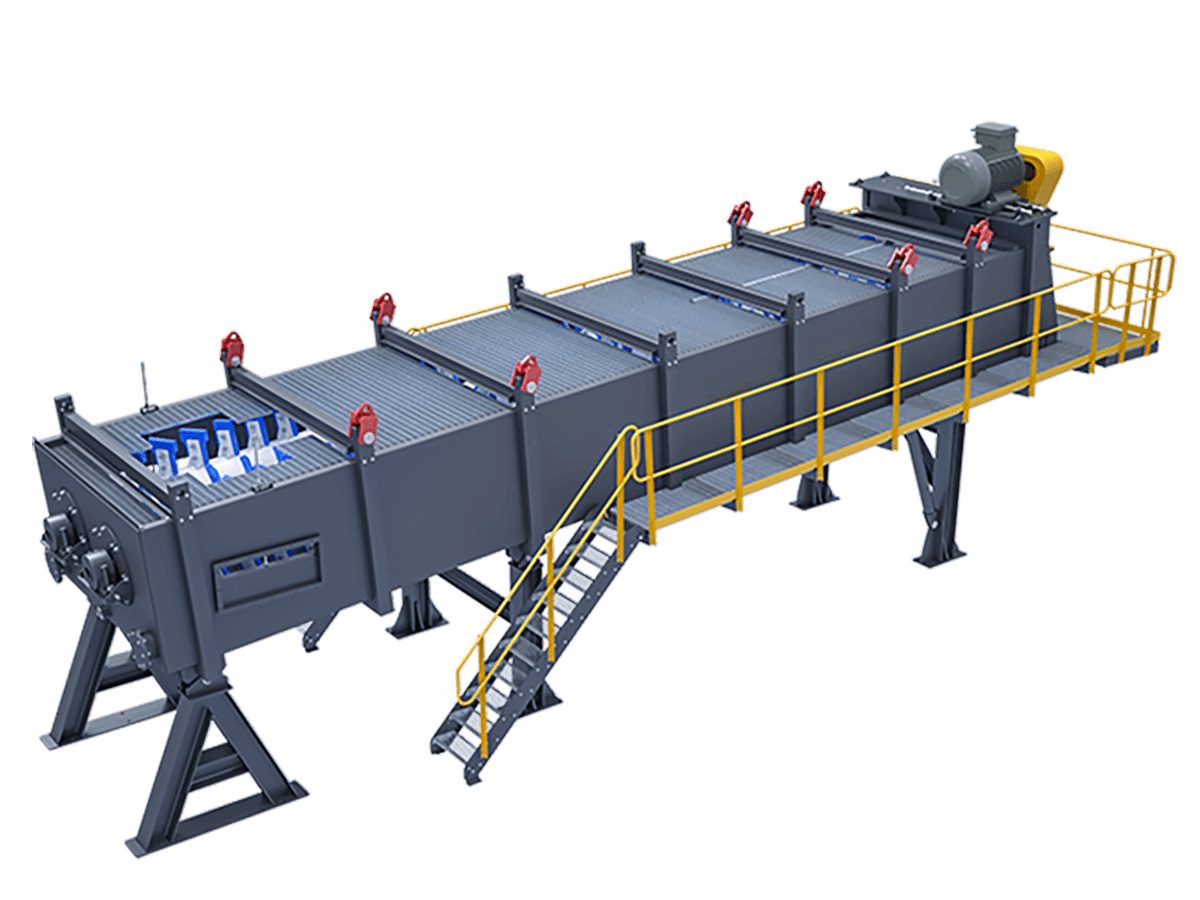
Equipment: X-ray separator (including X-ray source, photomultiplier tube, air ejector).
Process: The ore is irradiated with X-rays, causing diamonds to fluoresce. The photomultiplier tube detects the signal and triggers the air ejector, deflecting the diamonds to the concentrate area. Non-fluorescent minerals are discharged as tailings.
Magnetic Separation
Principle: Separates minerals based on their magnetic differences. Diamonds are non-magnetic, while iron-bearing minerals are attracted by a strong magnetic field, thus separating them from the diamonds.
Applicable Scenarios: Processing diamond ore containing iron gangue.
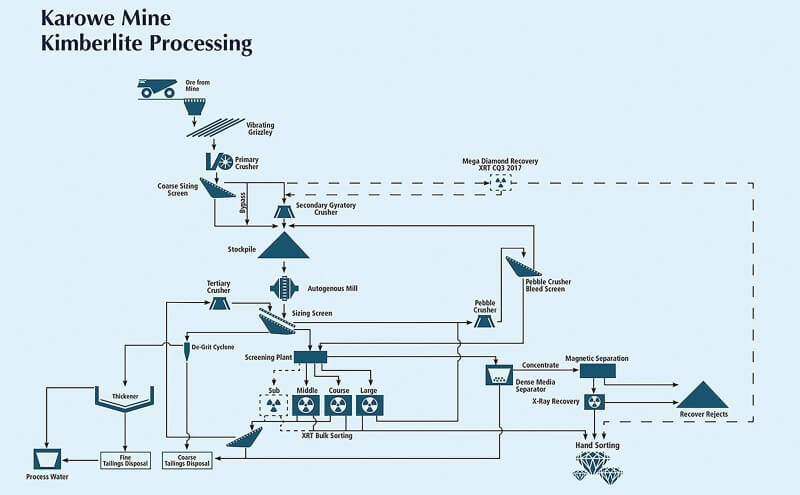
II. Process Flow Design
Crushing and Grinding
Objective: To crush the ore to a suitable particle size to release diamond particles.
Principle: Employ a staged crushing and grinding, staged beneficiation process to avoid over-crushing and damaging diamond crystals.
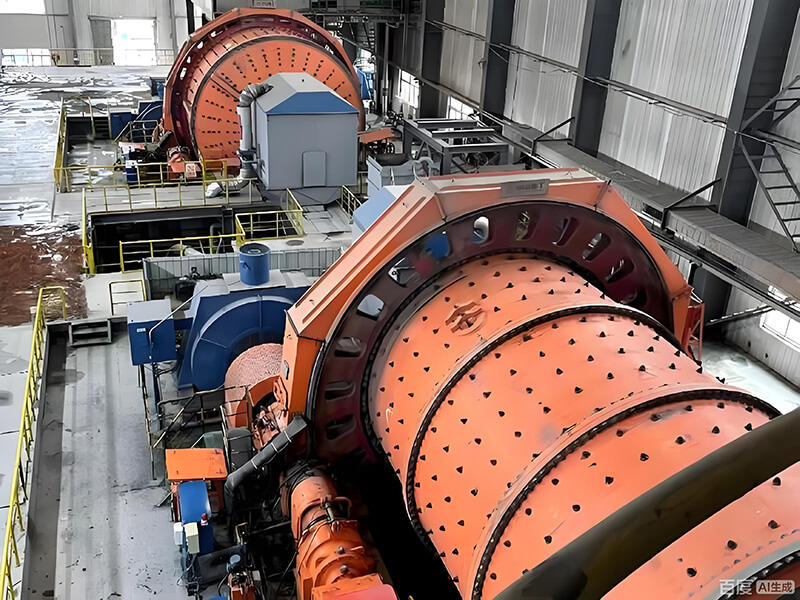
Equipment: Jaw crusher, cone crusher, ball mill.
Parameters: Crushing ratio ≤ 3.0, grinding concentration 75%-80%, media filling rate ≤ 40%.
Roughing Stage
Objective: To initially enrich diamonds and separate a large amount of waste rock.
Method: Primarily gravity separation (e.g., jigs, shaking tables), combined with a heavy media separator.
Output: Rough concentrate (containing diamonds and a small amount of heavy minerals).
Beautifying Stage
Objective: To separate diamonds from the rough concentrate and improve its grade.
Oil separation: Process the rough concentrate, utilizing its oleophilic properties to recover diamonds.
X-ray photoelectric separation: Further separate diamonds from non-fluorescent heavy minerals.
Magnetic separation: Remove iron-containing impurities.
Output: High-grade diamond concentrate.
Hand Sorting and Final Recovery
Purpose: To manually sort diamonds from the concentrate to ensure lossless recovery.
Environment: Operation is carried out within a "glove box" to prevent diamond contamination or loss.
Standards: Diamonds are sorted into different grades based on color, clarity, carat weight, and shape.
III. Directions for Process Optimization
- Equipment upgrade
Introduce intelligent and automated equipment (such as intelligent jigs and X-ray sorters) to improve sorting efficiency and accuracy.Use energy-saving and environmentally friendly equipment to reduce energy consumption and environmental pollution.
- Process parameter optimization
Adjusting parameters such as crushing ratio, grinding concentration, and media filling rate according to ore properties improves separation efficiency.Optimizing the washing water flow velocity and shaking table motion parameters increases diamond recovery rate.
- Multi-process combined application
Combining gravity separation, oil separation, X-ray photoelectric separation, and magnetic separation forms a complementary separation system suitable for different ore types.For fine-grained diamonds, shaking table gravity separation is used to recover diamonds from jigging tailings.