
Barite Beneficiation Process
Date: 2026-02-24 Categories: Non Metals Views: 213
The barite beneficiation process aims to separate and purify barite from associated minerals using physical or chemical methods to meet the demand for high-purity barite in various industrial sectors. The following is a detailed beneficiation process:
I. Selection of Beneficiation Methods
Based on factors such as ore type, raw ore properties, mine scale, and intended use, commonly used barite beneficiation methods include:
Hand sorting: Suitable for mines with high geological grades and stable quality. Through manual selection, qualified barite products are chosen based on differences in color, density, etc., between barite and associated minerals. This method is simple and easy to implement, requiring no beneficiation equipment, but has low productivity, requires high ore grade, and results in significant resource waste.
Gravity separation: Utilizes the density difference between barite and associated minerals for separation. Suitable for processing residual barite ores and barite ores with coarse-grained disseminated particles. Gravity separation has advantages such as high efficiency, energy saving, and environmental friendliness, and is a commonly used method in barite beneficiation.
Flotation: For fine-grained barite ores, or when barite is associated with calcite, fluorite, sulfide minerals, etc., flotation is used for separation. Flotation achieves separation by adding flotation reagents that alter the surface properties of the barite and gangue minerals.
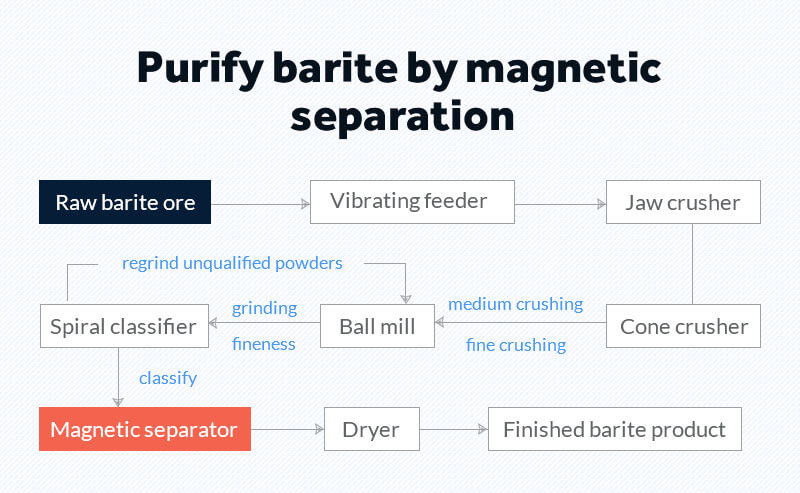
Magnetic Separation: Primarily used to remove iron impurities from barite to improve product purity. Although most barite is not magnetic, magnetic treatment of associated iron minerals can effectively reduce iron impurity content. Magnetic separation is often used in combination with other beneficiation methods.
Combined Process Flow: For ores with complex mineral compositions and fine-grained distribution of valuable components, combined gravity-flotation or flotation-magnetic separation processes are recommended to achieve efficient separation and purification.
II. Mineral Processing Flow
Taking gravity separation and flotation as examples, the specific process flow for barite beneficiation is introduced as follows:
Gravity Separation Flow
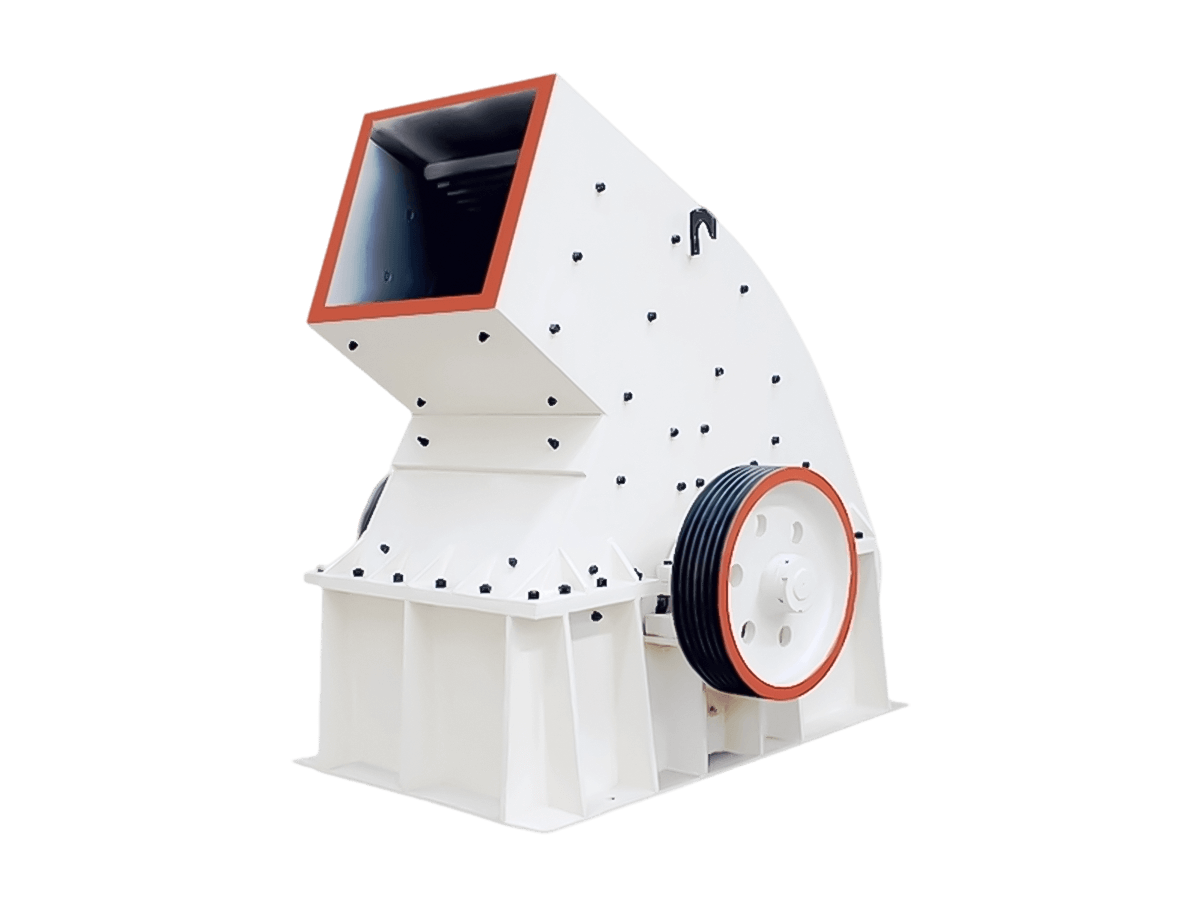
Crushing and Screening: The raw ore is first coarsely crushed by a jaw crusher, and then medium to fine crushed by a cone crusher or double roll crusher. The crushed ore is then screened to separate different particle sizes.
Washing and Desliming: If the ore contains a lot of mud, it needs to be washed first to remove the mud and prevent it from affecting the subsequent separation effect. At the same time, the screened ore is deslimed to improve the separation accuracy.
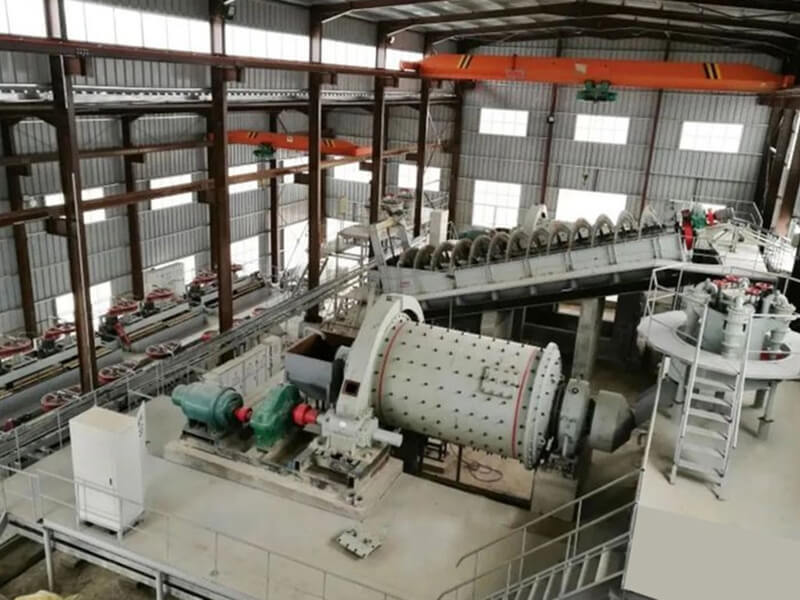
Grinding and Classification: The deslimed ore is fed into a rod mill or ball mill for grinding to liberate barite from gangue. The grinding product is classified by a spiral classifier or hydrocyclone; unqualified coarse particles are returned to the mill for further grinding.
Gravity Separation: The qualified slurry after classification enters a jig (for coarser particles) or a shaking table (for finer particles) for further separation. Barite is enriched as a heavy mineral by utilizing the density difference between barite and gangue minerals.
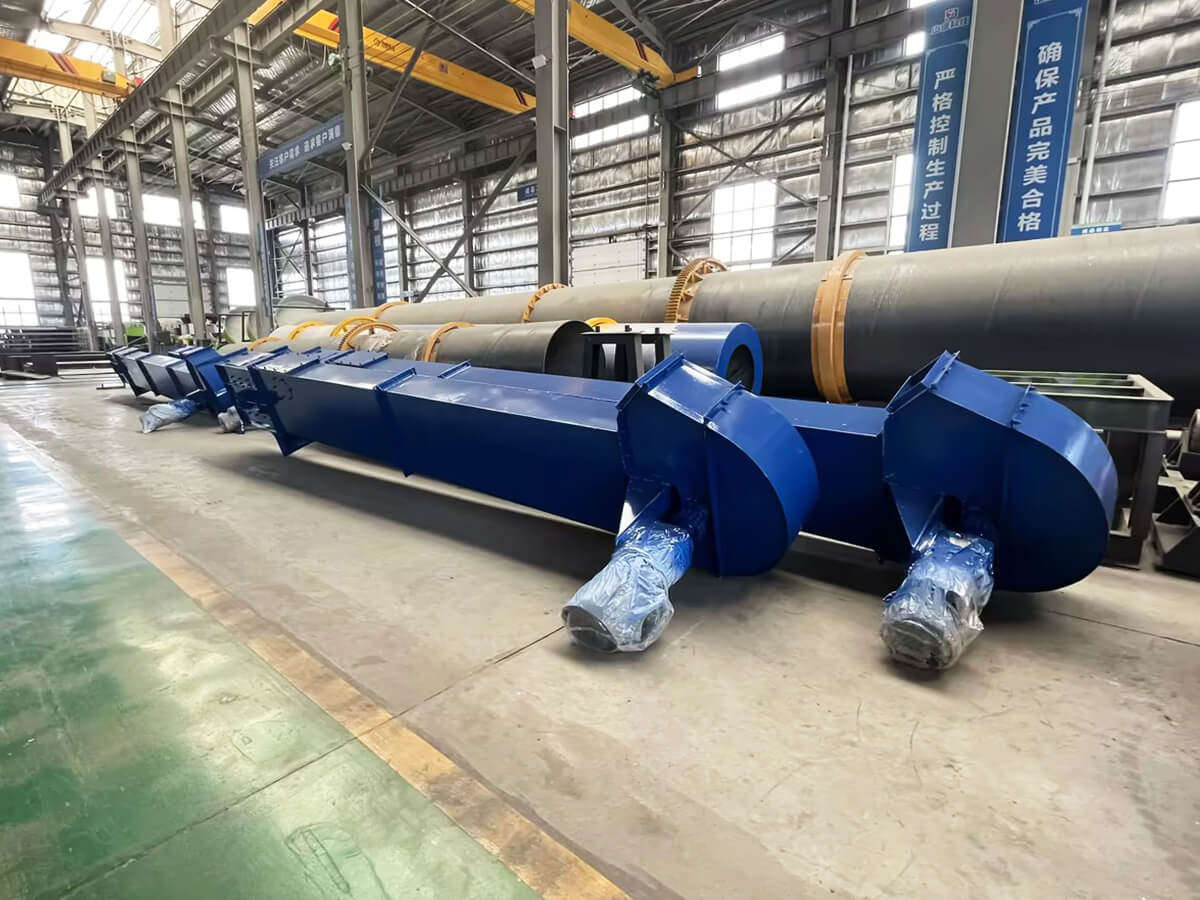
Dehydration and Drying: The obtained barite concentrate is concentrated in a thickener, then dehydrated by a filter (such as a disc vacuum filter), and finally dried in a dryer (such as a rotary kiln) to obtain the final product.
Flotation Process
Crushing and Grinding: Same as the gravity separation process, the purpose is to achieve liberation of monomers.
Desliming (Optional): Desliming is sometimes performed first because fine slime consumes a large amount of flotation reagents and interferes with separation.
Preferred Flotation: This is the core of processing complex ores. Based on the floating order of minerals in the ore, valuable metal sulfide ores (such as galena, sphalerite, etc.) are floated first, then barite, and finally (optionally) associated minerals such as fluorite are floated.
Concentration and Drying: The barite concentrate froth obtained from flotation needs to be concentrated, filtered, and dried to obtain the final product.