Feldspar Mining Techniques
Date: 2026-02-26 Categories: Non Metals Views: 176
Feldspar beneficiation mainly includes crushing, grinding, classification, magnetic separation, flotation, gravity separation, and dewatering and drying. Different deposit types and ore properties require specific process flows. The following is a detailed introduction:
I. General Beneficiation Process Flow
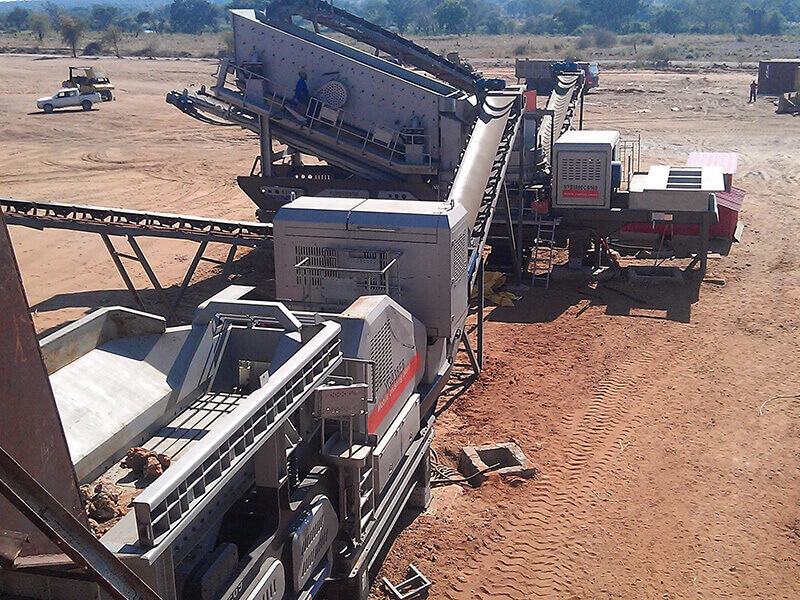
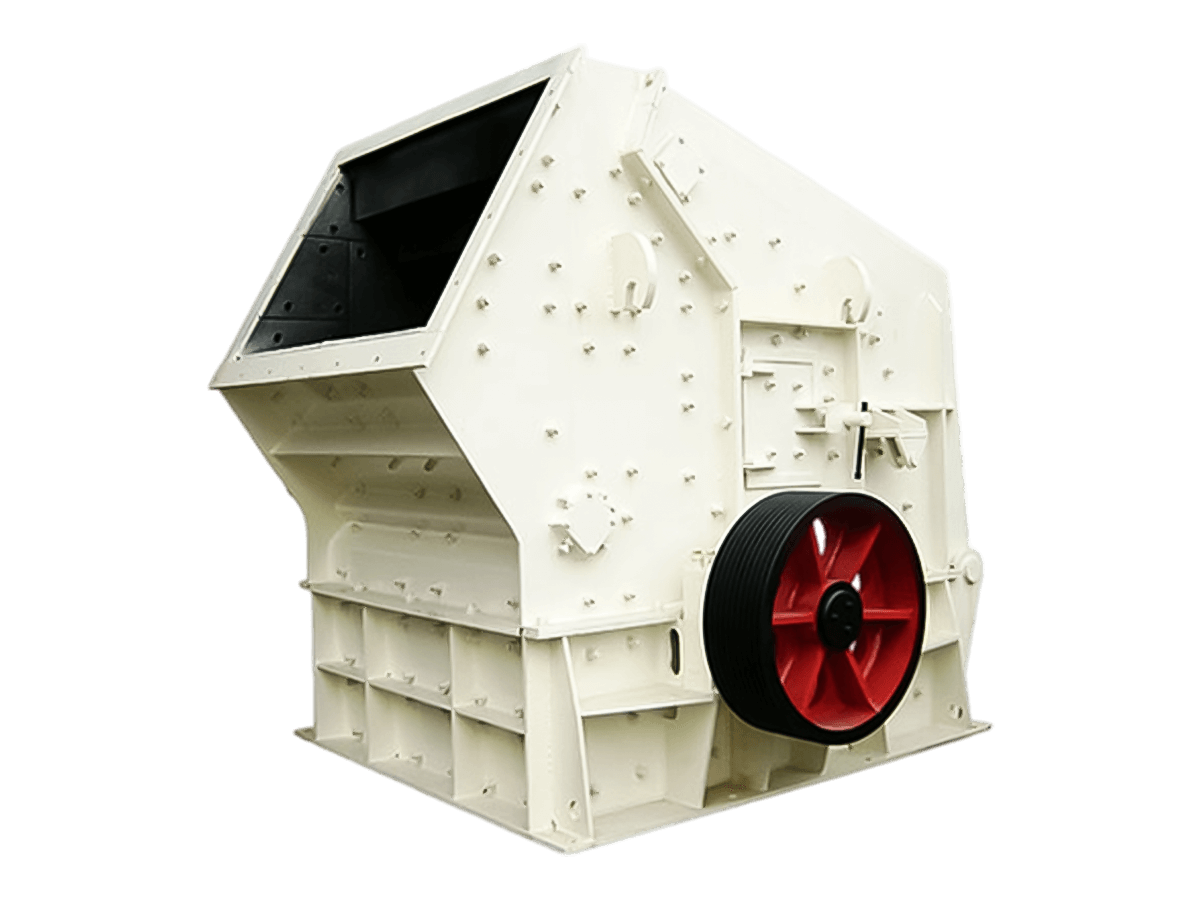
Crushing: Large pieces of ore are reduced to smaller particles using equipment such as jaw and cone crushers, thereby facilitating subsequent grinding.
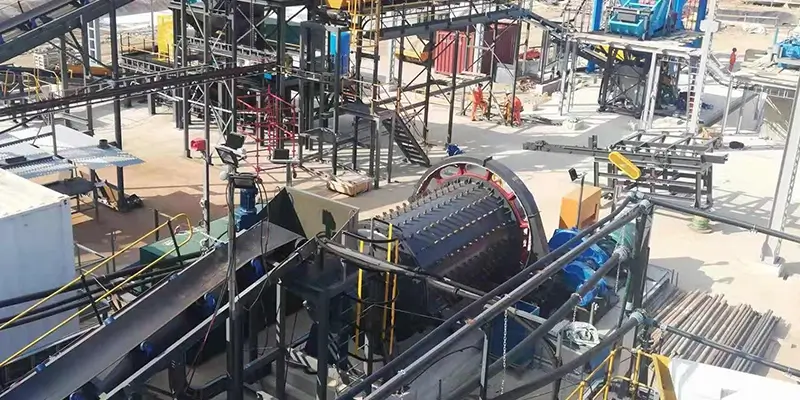
Grinding: Crushed feldspar particles are ground to a finer powder using equipment such as ball mills and vertical mills, thereby improving beneficiation efficiency and separation performance.
Classification: Spiral classifiers and hydrocyclones are used to separate ore into particle-size grades based on the different settling velocities of solid particles in suspension under gravity and centrifugal force.
Magnetic Separation: An external magnetic field in a magnetic separator is used to separate feldspar from minerals with magnetic properties, such as iron, mica, and garnet. Commonly used magnetic separators include permanent magnet roller separators, permanent magnet drum separators, wet ring separators, and high-gradient magnetic separators.
Flotation: Utilizing the differences in hydrophobicity of mineral surfaces, minerals are separated through the action of hydraulics, chemical reagents, and air bubbles. Commonly used reagents in flotation include collectors, frothers, and modifiers. Collectors enhance the hydrophobicity of mineral particle surfaces, frothers generate appropriate air bubbles to promote mineral particle attachment and flotation, and modifiers adjust the pulp pH to improve flotation selectivity.
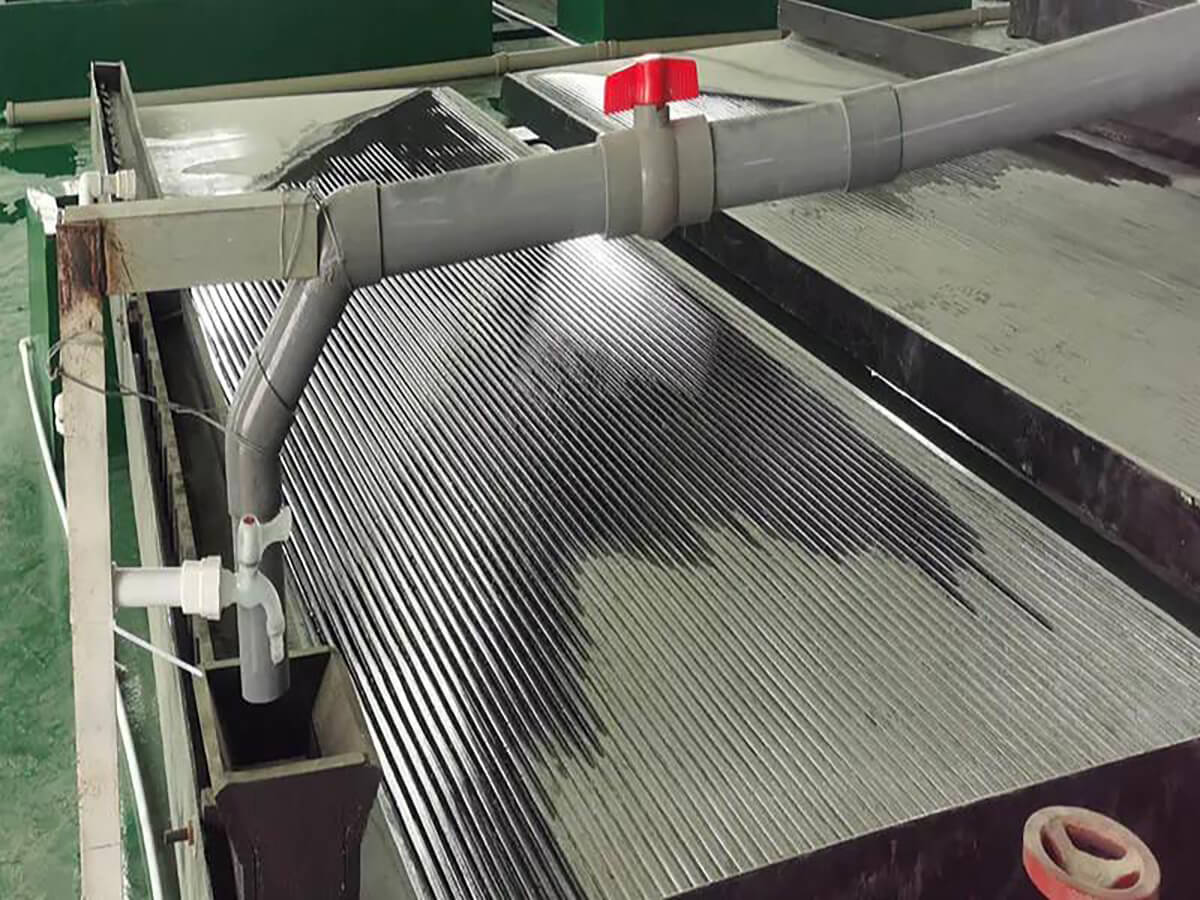
Gravity Separation: Separating minerals based on differences in settling velocity in a medium (such as water), suitable for separating ores with significant density differences.
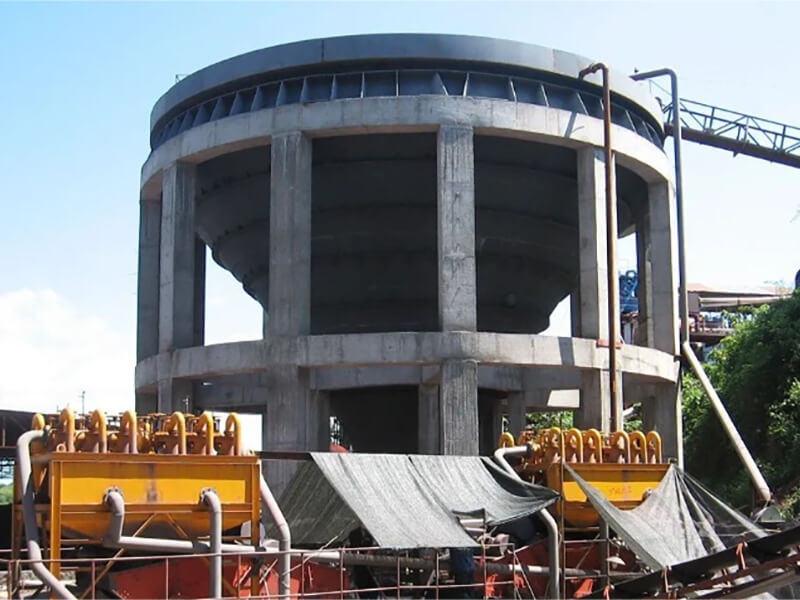
Dewatering and Drying: Removing moisture from ore slime using mechanical dewatering equipment, such as thickeners and filters, followed by evaporating the remaining moisture using heating equipment, such as dryers, yields a dry mineral product that is easier to store and transport.
II. Mineral Processing Techniques for Different Deposit Types
Pegmatite-type Feldspar Deposits
Characteristics: High feldspar grade, simple mineral composition.
Mineral Processing: Sorting (hand or color sorting) → Crushing → Grinding (continuous crushing using a pebble mill or rod mill lined with quartzite) → High-intensity magnetic separation (using high-intensity magnetic separation to remove impurities such as iron oxide; magnetic field strength is generally above 1200 kA/m). For further purification, flotation can be employed to remove mica, iron minerals, and quartz.
Weathered Granite-type Feldspar Deposits
Characteristics: Uniform feldspar mineralization, stable quality, but high quartz content.
Mineral Processing: Crushing → Grinding → Classification → Flotation (removal of iron and mica) → Flotation (separation of quartz and feldspar). In the flotation process, the first stage involves flotation with cationic collectors in an acidic medium to obtain mica; the second stage involves removing iron-bearing minerals with anionic collectors in an acidic medium; and the third stage involves flotation of feldspar from quartz with anionic collectors in a hydrofluoric acid medium.
Fine-grained Feldspar Deposits
Characteristics: Finer grain size than pegmatite, containing mica and iron minerals.
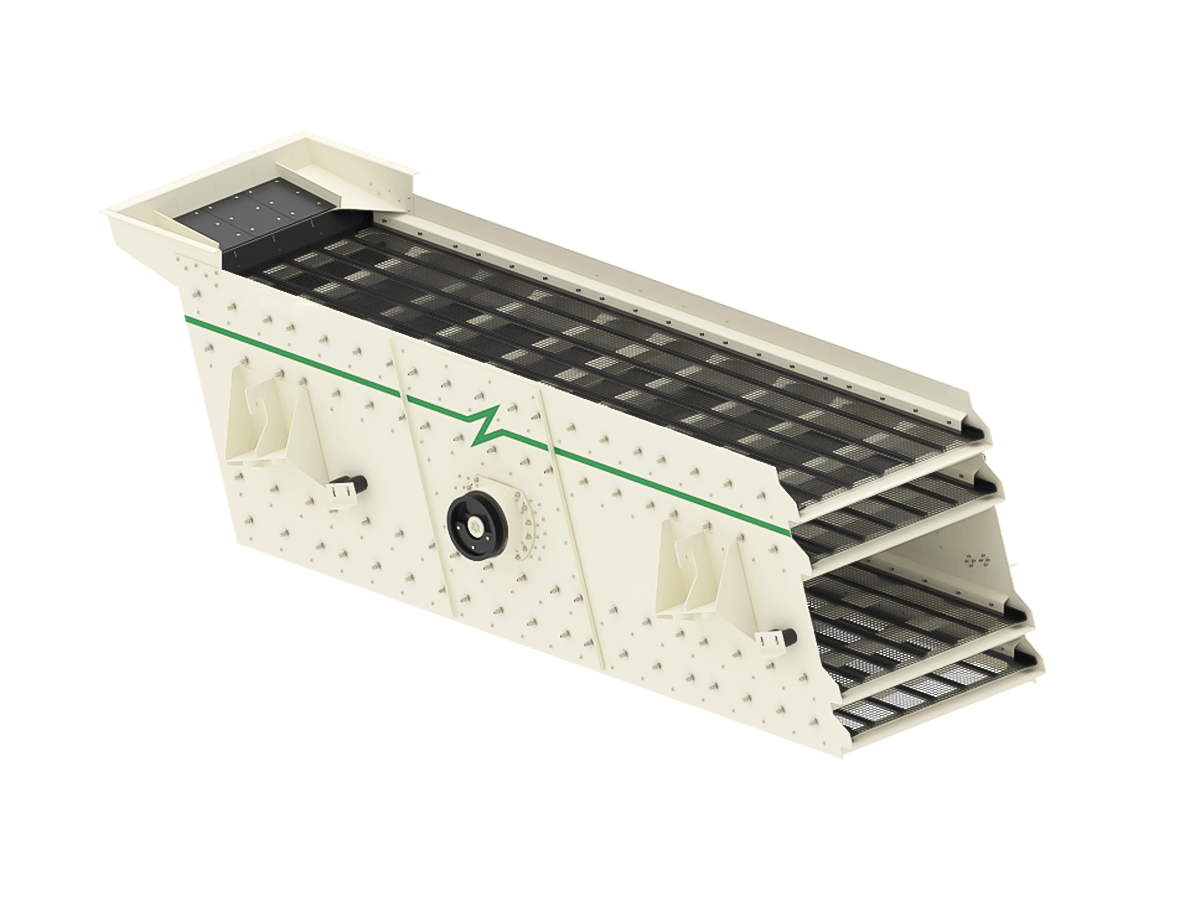
Benefiting Process: Crushing → Grinding → Screening → Magnetic Separation. Magnetic separation can remove mica and iron minerals, improving the quality of feldspar concentrate.
Feldspar Placer Deposits
Characteristics: Main components are quartz and feldspar; quality is lower than that of pegmatite feldspar deposits, but mining and beneficiation costs are relatively lower.
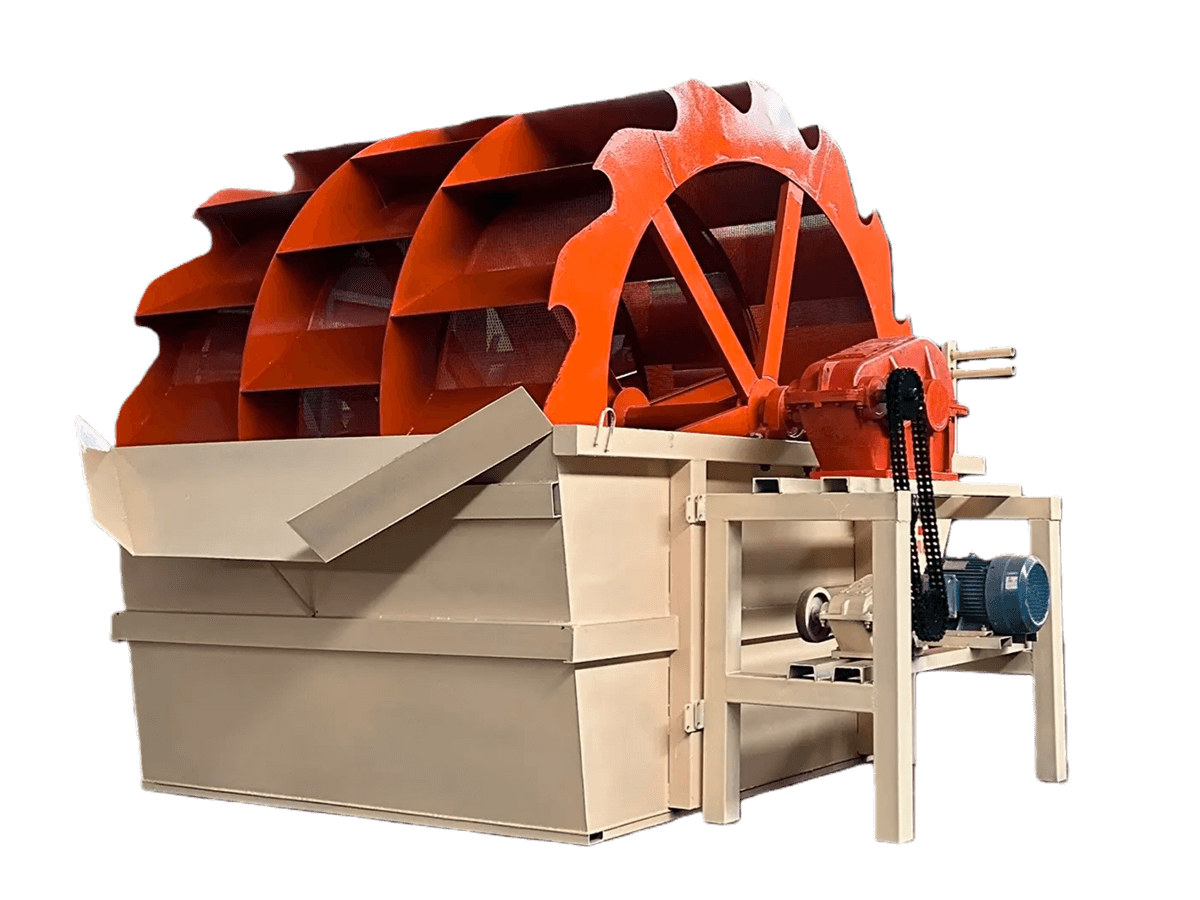
Benefiting Process: Washing, scrubbing, classification, magnetic separation, flotation, etc. Subsequent beneficiation operations are determined by mineral composition, such as flotation to separate quartz and feldspar.