
Fluorite Beneficiation Process
Date: 2026-02-26 Categories: Non Metals Views: 190
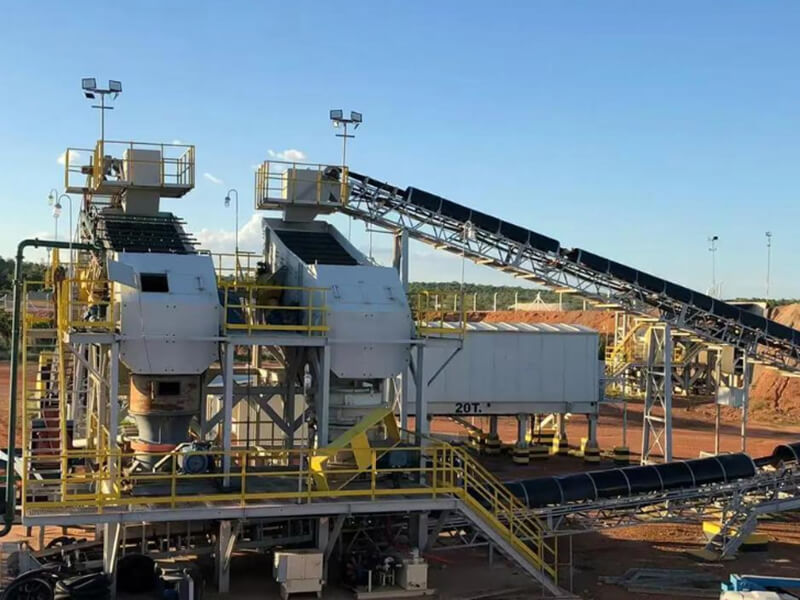
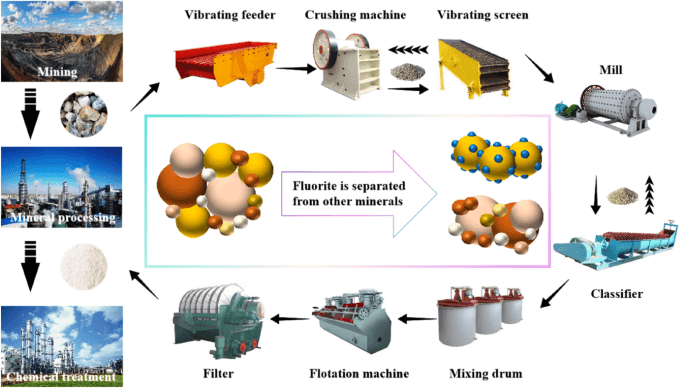
The fluorite beneficiation process aims to extract high-purity fluorite concentrate from fluorite ore. The main processes include crushing and screening, grinding and classification, beneficiation (primarily flotation, supplemented by magnetic separation), concentrate dewatering and drying. For complex ores, combined beneficiation processes can be employed.
The following is a detailed process flow and key technology analysis:
I. Raw Material Pretreatment: Crushing and Screening
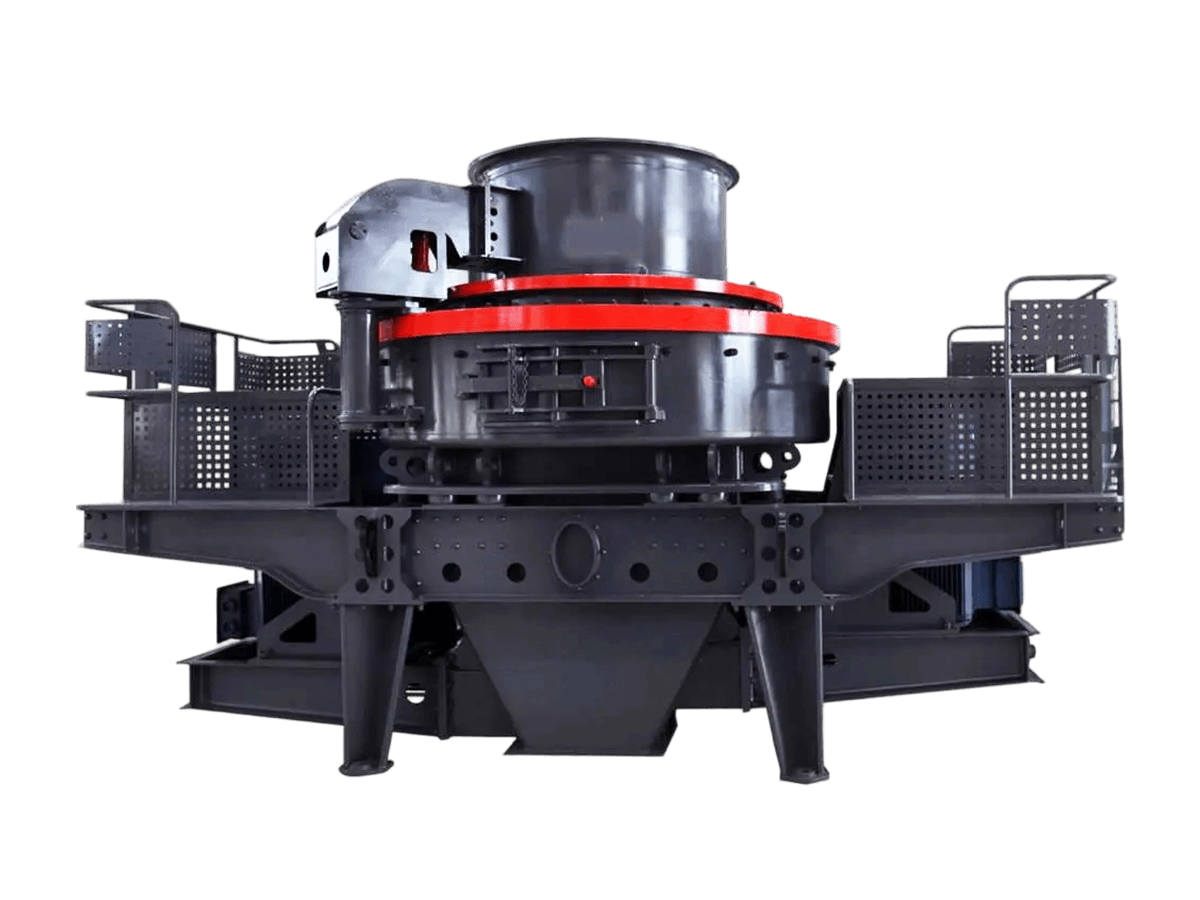
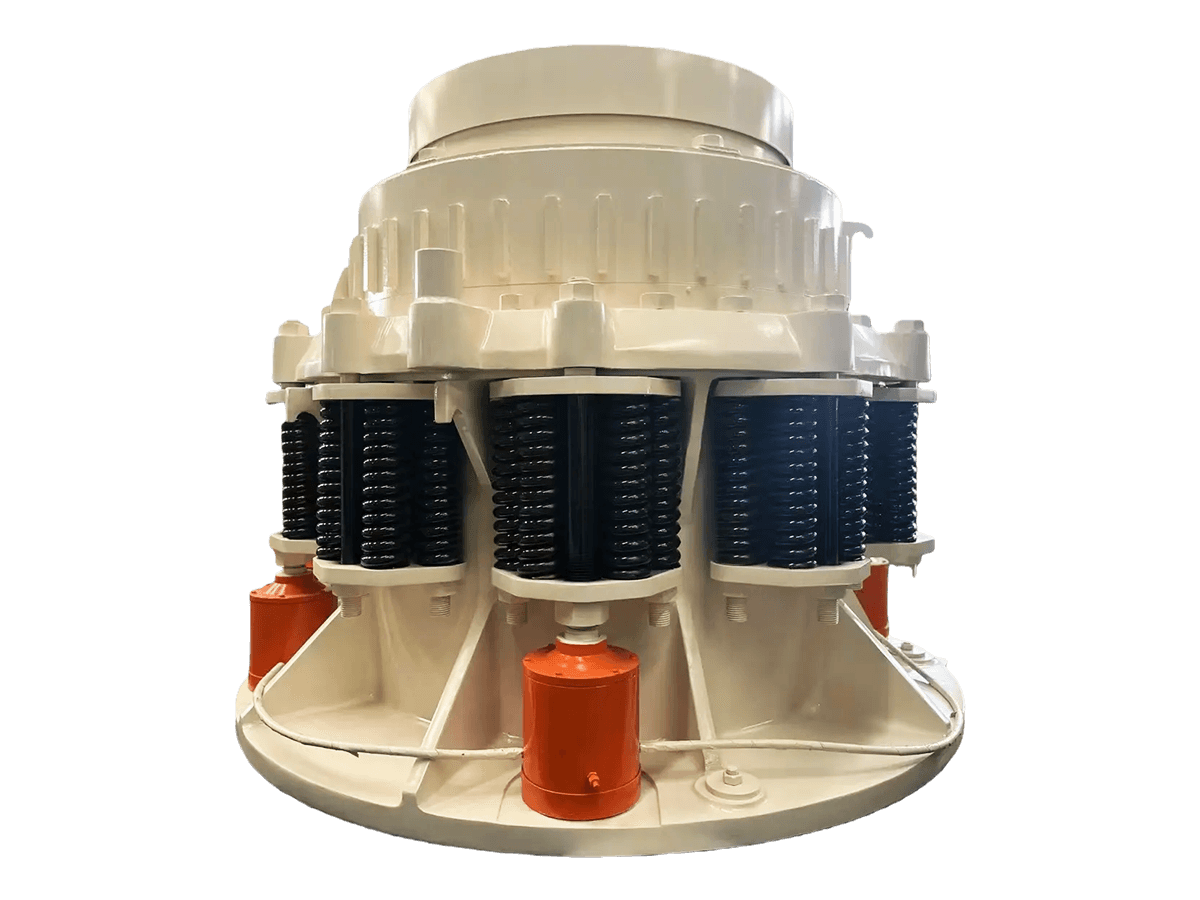
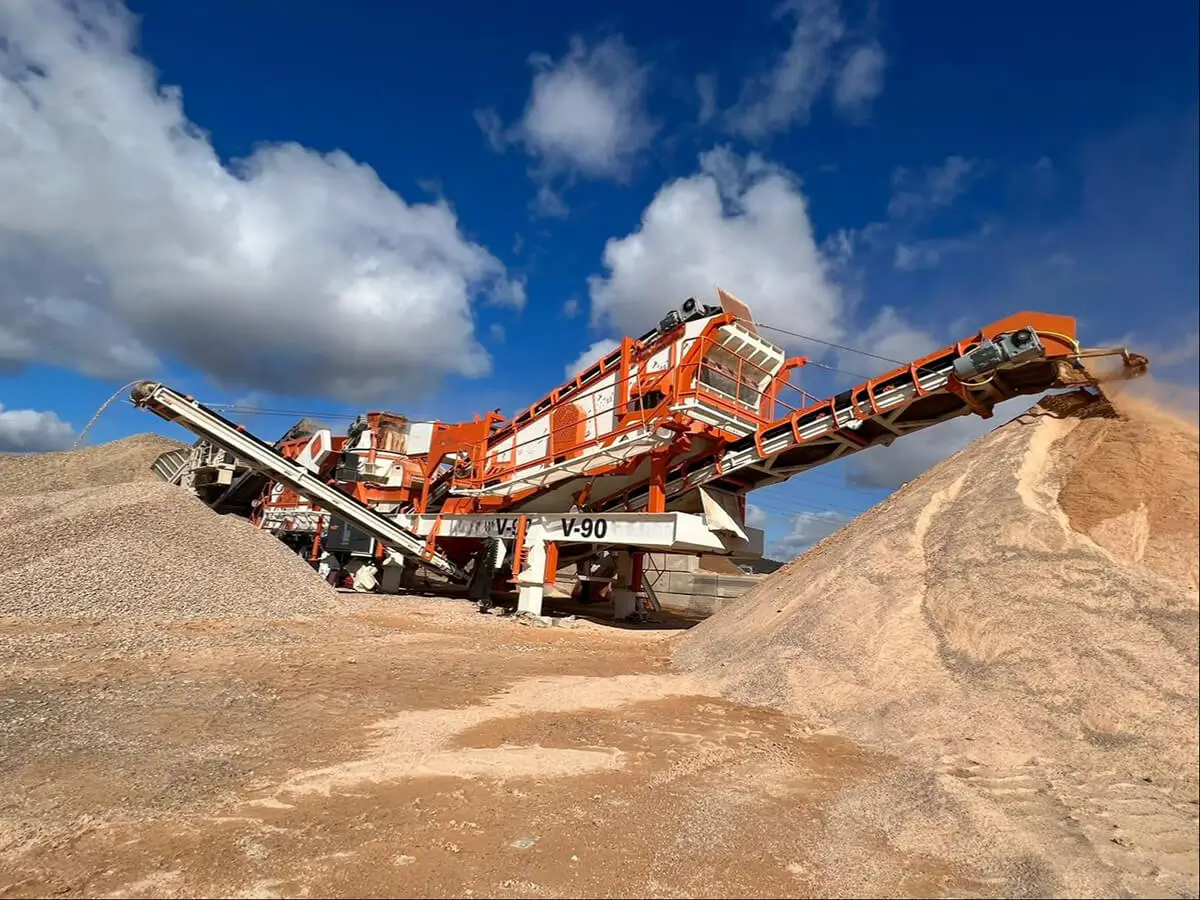
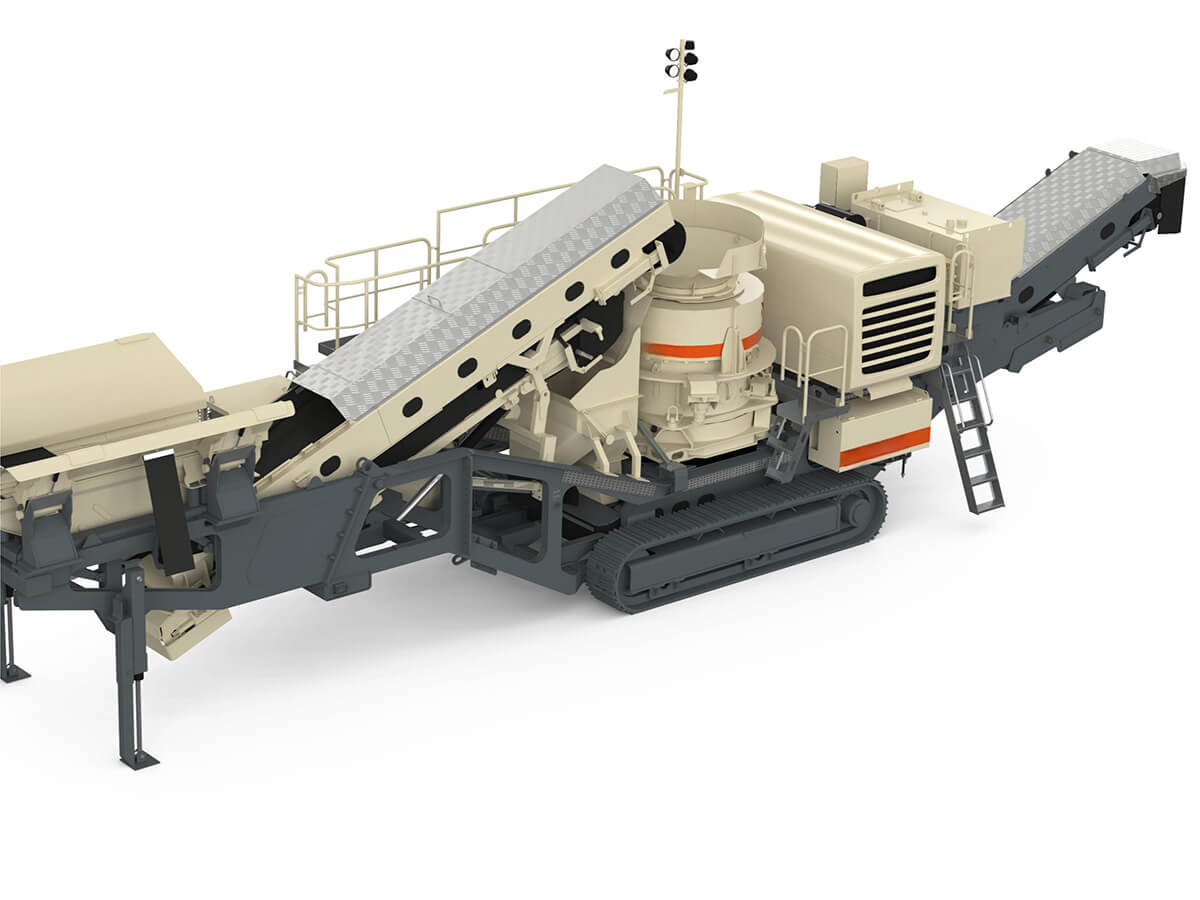
Crushing: After mining, fluorite ore has uneven particle size, requiring crushing to reduce particle size and increase the exposed mineral area, creating conditions for subsequent grinding and beneficiation operations. Crushing typically includes three stages: coarse crushing, medium crushing, and fine crushing. Coarse crushing uses a jaw crusher to break large ore pieces to 100-150mm; medium crushing uses a cone crusher to further crush to 25-40mm; fine crushing selects appropriate crushing equipment based on ore properties and subsequent process requirements.
Screening: The crushed ore needs to be screened to separate ore of different sizes, ensuring uniform particle size for the next process. Screening equipment commonly uses vibrating screens, which classify ores according to particle size through high-frequency vibration.
II. Grinding and Classification
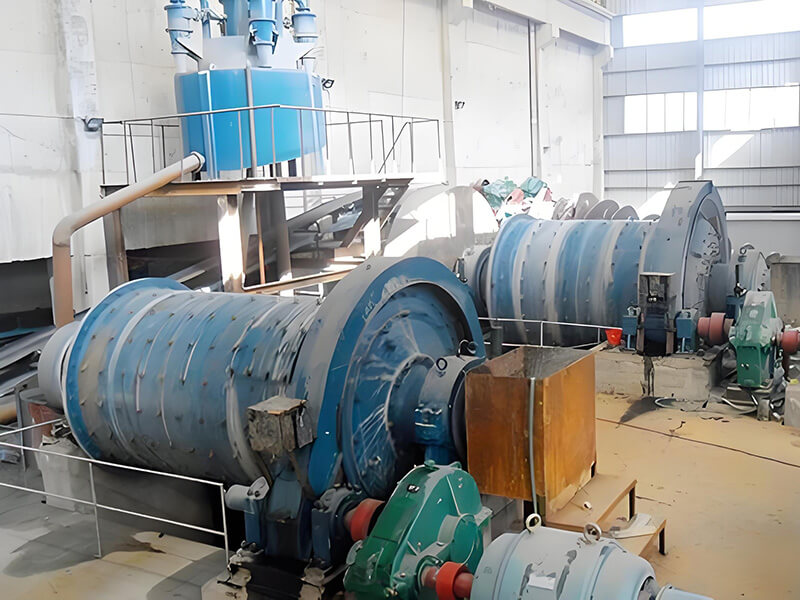
Grinding: Grinding further refines crushed ore, ensuring sufficient liberation of valuable minerals and gangue minerals, providing a suitable particle size for subsequent beneficiation operations such as flotation. Grinding operations typically employ ball mills or rod mills, using the impact and grinding action of steel balls to finely grind the ore.
Classification: Classification separates the grinding products according to particle size, ensuring that the particle size entering the flotation operation meets the requirements, avoiding excessively coarse or fine particles that could negatively impact flotation results. Classification equipment commonly uses spiral classifiers or hydrocyclones, utilizing the different settling velocities of mineral particles in water for classification.
III. Separation Processes
Flotation: Flotation is the core process in fluorite beneficiation. It utilizes the differences in the physicochemical properties of mineral surfaces, particularly their wettability. By adding specific flotation reagents, fluorite particles adhere to air bubbles, float to the surface of the slurry, form a froth layer, and are scraped off, while gangue minerals remain in the slurry. Flotation operations include roughing, cleaning, and scavenging stages. By continuously optimizing factors such as the flotation cell setup, bubble generation methods, and flotation agitation speed, the grade and recovery rate of the fluorite concentrate can be improved.
Magnetic Separation: For associated magnetic minerals in fluorite ore, such as magnetite, magnetic separation can be used for separation. Magnetic separation utilizes the differences in the magnetic properties of minerals. Under the influence of a magnetic field, magnetic minerals are adsorbed onto the magnetic poles of the magnetic separator, while non-magnetic minerals remain in the slurry, thus achieving separation. Magnetic separation is usually used as an auxiliary beneficiation method to remove magnetic impurities from fluorite ore and improve the purity of the fluorite concentrate.
IV. Concentrate Dewatering and Drying
Dewatering: Fluorite concentrate obtained from flotation contains a large amount of water and needs to be dewatered to reduce its moisture content for easier transportation and storage. Dewatering operations commonly use equipment such as thickeners and filters. Thickeners concentrate the slurry, increasing its concentration; filters then remove the concentrated slurry, yielding a filter cake-like concentrate product.
Drying: For fluorite concentrate requiring further moisture reduction, drying equipment can be used. Rotary kilns are commonly used, employing heating and ventilation to evaporate the moisture from the concentrate, resulting in dry fluorite concentrate.
V. Combined Beneficiation Processes
For some complex fluorite ores, such as low-grade, fine-grained, and multi-mineral fluorite ores, single beneficiation methods are often insufficient to meet beneficiation requirements. Therefore, combined beneficiation processes can be used, combining two or more beneficiation methods to achieve efficient recovery of fluorite resources. For example, gravity separation can be used to initially enrich fluorite ore to obtain a rough concentrate; then, flotation can be used to further refine the rough concentrate and improve the grade of the fluorite concentrate.