
Copper Beneficiation Process
Date: 2026-02-22 Categories: Non-Ferrous Metals Views: 185
Copper ore beneficiation processes mainly include flotation, magnetic separation, gravity separation, chemical beneficiation, and combined beneficiation. The following is a detailed introduction:
I. Flotation
Scope of Application: Flotation is the most commonly used method in copper ore beneficiation, suitable for processing sulfide copper ores and oxide copper ores.
Principle: Utilizing the differences in the physicochemical properties of mineral surfaces, flotation reagents (such as collectors and frothers) are added to cause the target minerals to adhere to air bubbles and float to the surface of the slurry, thereby achieving separation from gangue minerals.
Process
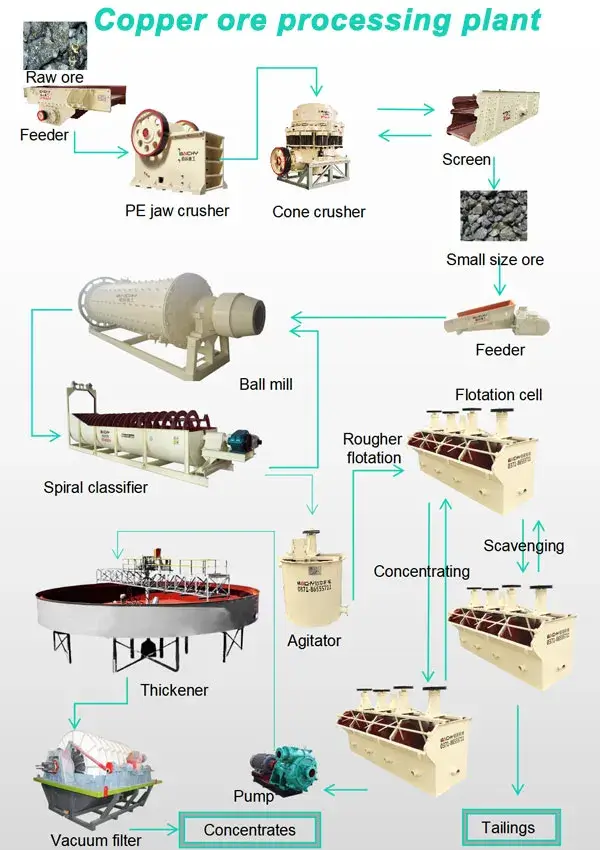
Crushing and Screening: The raw ore is crushed to a suitable particle size range for further processing using physical methods, and then classified according to particle size using screening equipment.
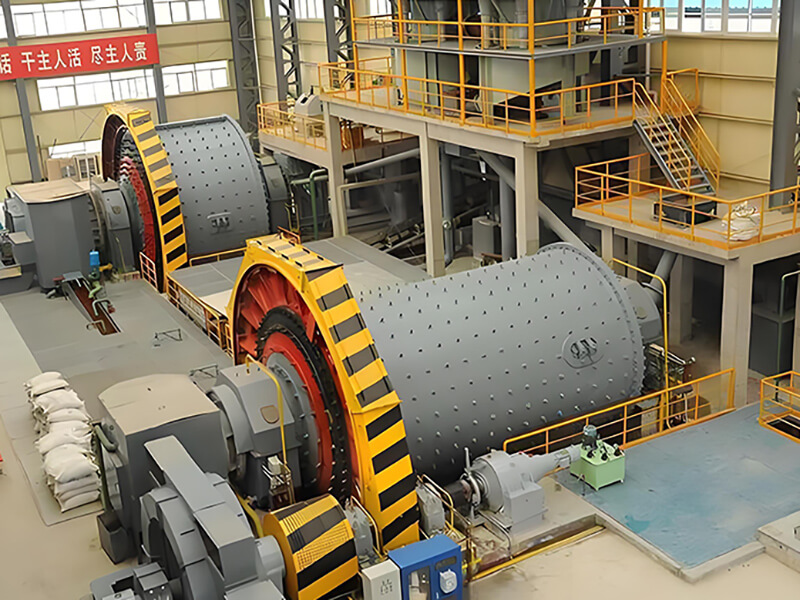
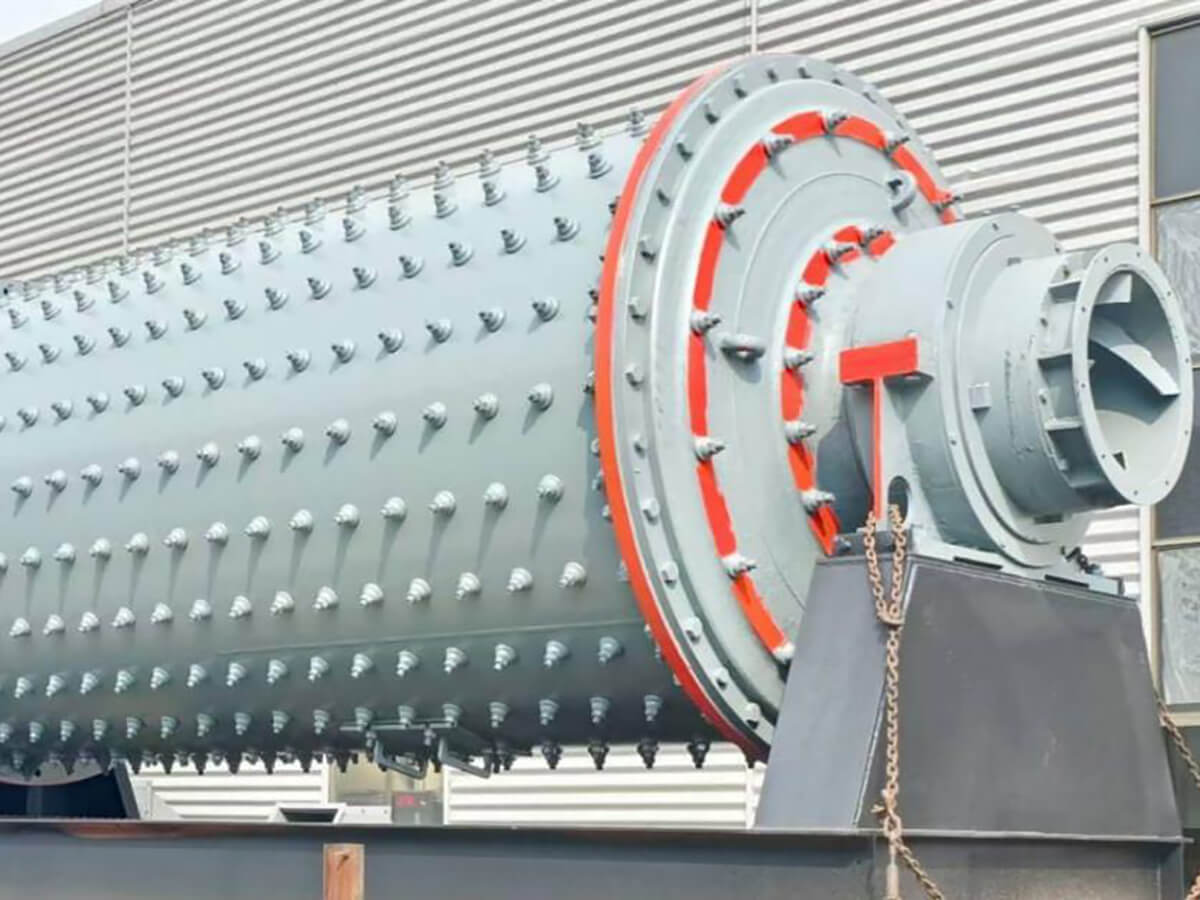
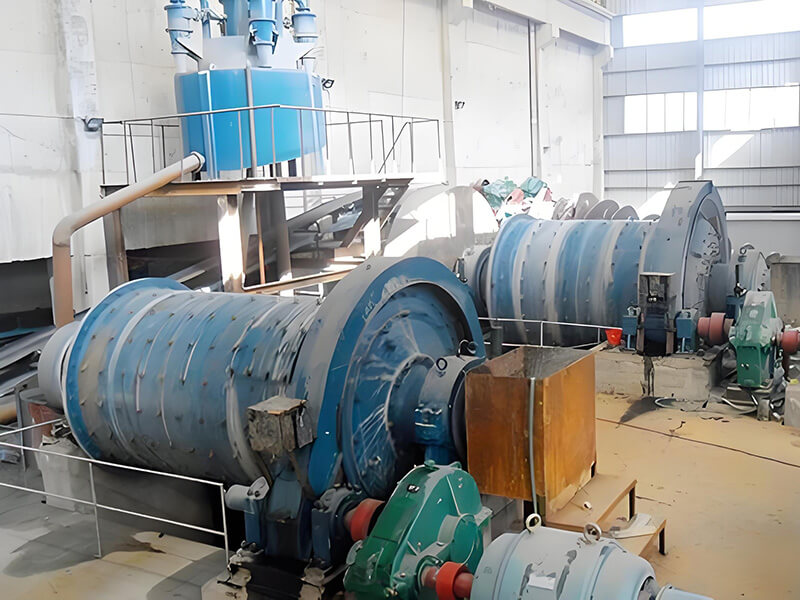
Grinding and Classification: The crushed ore is further ground using a grinding mill, and minerals of different sizes are separated using classification equipment to meet the requirements of subsequent beneficiation operations.
Flotation: The ground and classified slurry is fed into a flotation machine for flotation. The flotation process includes multiple stages such as roughing, cleaning, and scavenging, which can improve the grade and recovery rate of copper concentrate.
Concentrate dewatering: Removing water from the concentrate to a certain level to facilitate transportation, storage, and further processing.
Tailings treatment: Appropriate treatment methods for tailings, including tailings reprocessing, tailings stockpiling, or tailings utilization, while emphasizing environmental protection and comprehensive resource utilization.
Advantages: High adaptability; capable of handling sulfide, oxidized, and muddy ores; high recovery rate, reaching 85%~95%; capable of separating polymetallic ores.
Disadvantages: High cost; reagents account for 30%, and grinding energy consumption accounts for 40%; significant environmental pressure; wastewater containing reagents needs treatment, and building tailings ponds adds another 20% to the cost.
II. Magnetic Separation
Scope of Application: Magnetic separation utilizes the differences in magnetic properties of minerals for separation and is suitable for processing ores containing magnetic minerals.
Principle: Magnetic minerals are separated from non-magnetic minerals through the action of a magnetic field.
Process: In copper ore beneficiation, magnetic separation is often used to remove ferromagnetic minerals, such as magnetite, from the ore to improve the grade of copper concentrate.
III. Gravity Separation
Scope of Application: Gravity separation is based on the density differences between minerals and is suitable for processing coarse-grained, easily liberated ores.
Principle: Separation relies on the density difference between copper minerals and gangue. Water or air is used as the medium; the denser copper minerals settle, while the gangue flows away with the medium.
Pretreatment: The raw ore is crushed and screened to a suitable particle size.
Sorting Equipment
Jig Process: After crushing, the ore enters the jig. Through reciprocating water flow pulsations, copper minerals (high density) settle to the bottom of the machine and are discharged through the discharge port; gangue (low density) is discharged with the water flow from the overflow port, yielding crude copper concentrate.
Shaking Table Process: If the ore particle size is 0.02~2mm, it is transferred to a shaking table. The asymmetrical reciprocating motion of the table surface drives the slurry, causing copper minerals to accumulate laterally along the table surface and be collected from the concentrate end, while gangue is discharged from the tailings end.
Concentrate Purification: The sorted crude concentrate is then purified a second time using a spiral sluice (to treat fine particles of 0.03~1mm) to remove residual gangue. The final copper concentrate grade is increased to 20%~30%. Tailings are either dry-discharged or stockpiled.
Advantages: Low cost (40% cheaper than flotation), no chemical reagents (environmentally friendly, tailings can be dry-discharged), quick installation (30% shorter than flotation).
Disadvantages: Only suitable for coarse-grained ores; recovery rate is less than 60% for fine-grained/complex ores; cannot process copper-lead-zinc symbiotic ores.
IV. Chemical Beneficiation
Scope of Application: Chemical beneficiation separates valuable minerals from gangue minerals through chemical or physicochemical reactions. It is suitable for processing difficult-to-beneficiate or low-grade copper ores.
Principle: Chemical reagents react with minerals, dissolving or transforming the target minerals into easily separable forms.
Process: Appropriate chemical reagents and reaction conditions are selected based on the ore properties. Leaching, precipitation, and displacement operations are performed to extract copper minerals.
V. Combined Beneficiation
Scope of Application: Given the advantages and disadvantages of different beneficiation methods, combined beneficiation processes are often used in actual production. This involves combining multiple beneficiation methods to achieve the best beneficiation results.
Process: Appropriate beneficiation methods are selected and combined according to the ore properties and processing requirements. Examples include combined flotation and magnetic separation, combined flotation and gravity separation, and combined flotation and chemical beneficiation.