
Tungsten Ore Beneficiation Process
Date: 2026-02-22 Categories: Non-Ferrous Metals Views: 254
Tungsten ore beneficiation technology is a mineral separation and purification process designed specifically for the characteristics of tungsten ore, aiming to efficiently recover high-quality tungsten concentrate from low-grade raw ore.
The following is a systematic explanation from four aspects: core methods, process flow, equipment configuration, and optimization directions:
I. Core Beneficiation Methods
Gravity Concentration (GF)
Principle: Utilizing the density difference between tungsten minerals (density 6.8-7.5 g/cm³) and gangue (such as quartz, density 2.65 g/cm³), stratification is achieved under the action of gravity or centrifugal force.
Applicable Scenarios: Coarse-grained disseminated wolframite (particle size > 0.074 mm) and single tungsten veins, such as the Dajishan tungsten mine in Jiangxi Province.
Advantages: Low cost (processing fee of 8-15 RMB per ton of ore), no chemical pollution, and simple process.
Limitations: Low recovery rate for fine-grained ore (<0.037 mm), requiring a combination with other methods.
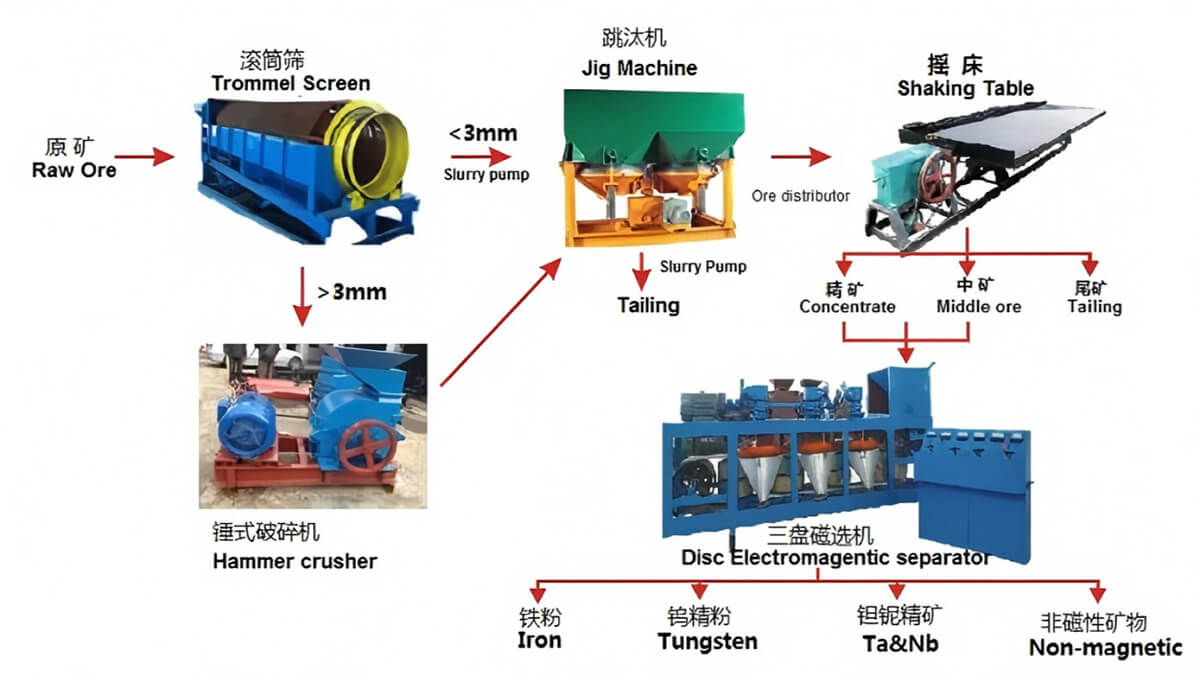
Key Equipment: Jig (for coarse particles 2-50mm), shaking table (for fine particles 0.074-2mm), spiral sluice (for micro-fine particles 0.037-0.5mm).
Flotation Method
Principle: By adding collectors (such as fatty acids or hydroxamic acids), the surface of tungsten minerals becomes hydrophobic, causing attached bubbles to float and separate.
Applicable Scenarios: Scheelite, fine-grained wolframite (<0.074mm), and complex polymetallic symbiotic minerals (such as tungsten-molybdenum or tungsten-tin associated minerals).
Technical Highlights:
Heated flotation (40-60℃) is commonly used for scheelite to improve selectivity, achieving a recovery rate of 70%-85%.
New fluorine-free inhibitors (such as water glass + copper sulfate) replace traditional sodium fluorosilicate, improving environmental friendliness.
Key Equipment: Mechanically stirred flotation machine, combined with a slurry preparation and inhibitor addition system.
Magnetic Separation
Principle: Utilizing the weak magnetic properties of wolframite (specific magnetic susceptibility 1.2 × 10⁻⁶ m³/kg) to separate strongly magnetic gangue (such as magnetite).
Applicable Scenarios: Used as a pretreatment step before gravity separation/flotation when wolframite contains a high amount of magnetic impurities.
Function: Removes magnetic minerals in advance, reducing subsequent reagent consumption and improving concentrate quality.
Key Equipment: Permanent magnet drum separator (coarse particles, 0.1-1mm), high-gradient magnetic separator (fine particles, <0.074mm).
Combined Beneficiation Methods
Combination Methods
Gravity Separation + Flotation: Coarse particles are recovered using gravity separation, and fine tailings are further processed using flotation (wolframite recovery rate increased to over 80%).
Flotation + Magnetic Separation + Gravity Separation: Separates different minerals in polymetallic symbiotic ores (such as tungsten, tin, and bismuth associated minerals) in stages.
Typical case: The Hunan Shizhuyuan polymetallic tungsten mine adopts a combined process of flotation-gravity separation-magnetic separation, achieving a comprehensive recovery rate of 78%.
II. Typical Process Flow
Wolframite Beneficiation Flow
Crushing and Screening: Jaw crusher (coarse crushing) → Cone crusher (medium crushing) → Short-head cone/impact crusher (fine crushing), controlling over-crushing to prevent mud formation.
Grinding and Classification: Ball mill/rod mill grinding, wolframite requires 60%-70% -200 mesh (liberation ≥85%), spiral classifier classification.
Gravity Separation: Desliming (hydrocyclone to remove -325 mesh slime) → Jigging (coarse particles), shaking table (medium particles), spiral sluice (fine particles) separation.
Purification Treatment: Weak magnetic separation to remove magnetic impurities, electrostatic separation to remove non-magnetic impurities, obtaining WO₃ grade 45%-60% concentrate.
Fine Particle Flotation: Alkaline pulp (pH=8-10), oleic acid as collector, water glass as gangue suppressant.
Scheelite Beneficiation Process
Pretreatment: Xanthate flotation desulfurization (pH=6-7), sodium carbonate + water glass to suppress gangue (pH=10-11).
Flotation Separation: Fatty acids/benzoic acid as collectors, water glass + sodium fluorosilicate to suppress gangue, "one roughing-multiple cleaning-scavenging" to obtain a concentrate with WO₃ grade of 50%-65%.
Coarse Grain Pre-Recovery: First, jigging gravity separation for pre-recovery, then flotation purification.
Chemical Purification: Leaching with sodium carbonate solution under high temperature and pressure to generate sodium tungstate solution, and recrystallization to obtain a concentrate.
III. Key Equipment Configuration
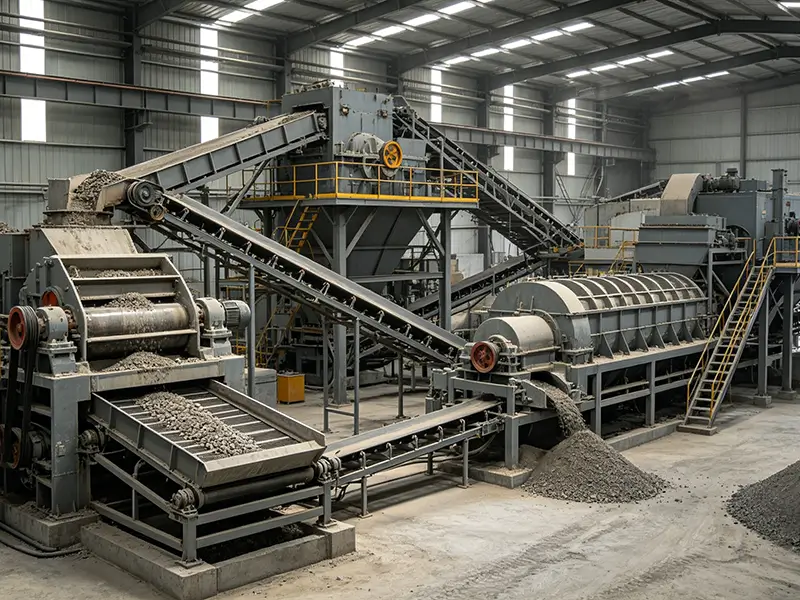
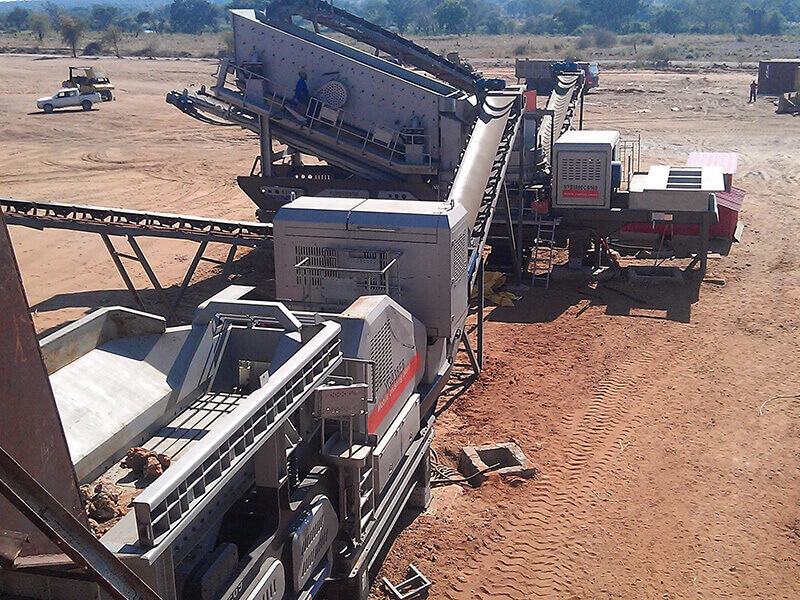
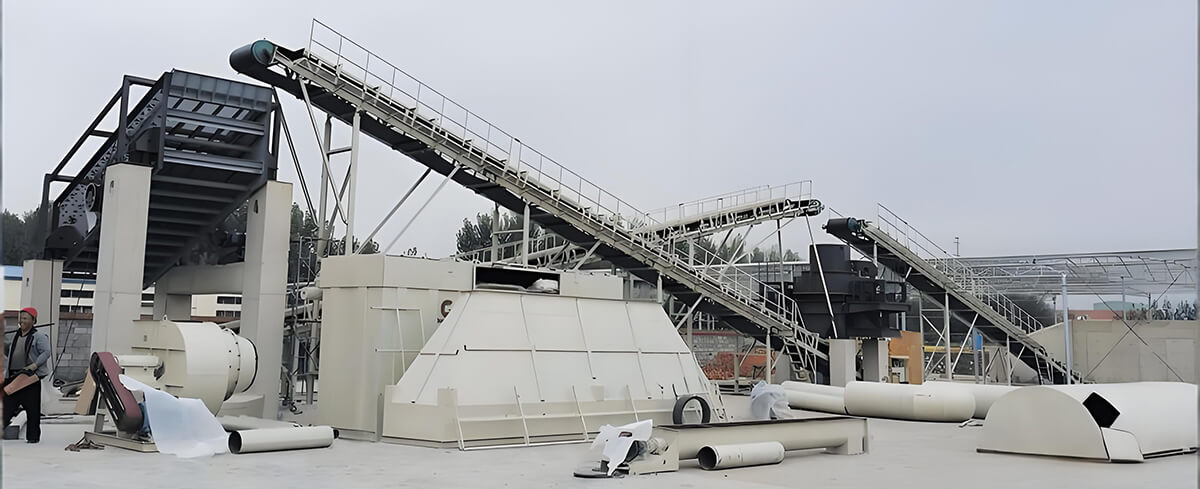
Crushing Stage: Jaw crusher, cone crusher, vibrating screen.
Grinding Stage: Ball mill, rod mill, spiral classifier.
Separation Stage: Jig, shaking table, spiral chute, flotation machine, magnetic separator.
Dewatering Stage: Thickener, filter, dryer.
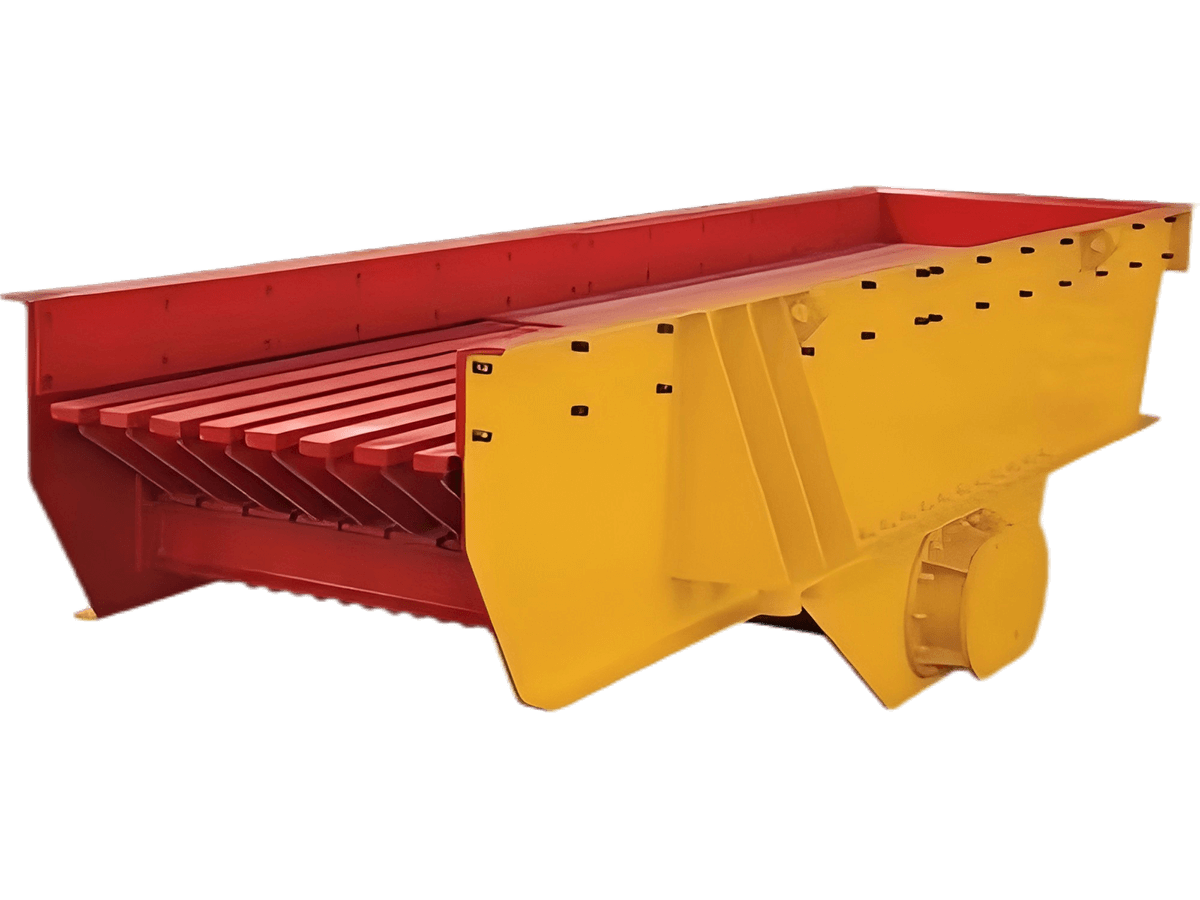
Auxiliary Equipment: Feeder, elevator, conveyor, hydrocyclone.