
Molybdenum Ore Beneficiation Process
Date: 2026-02-22 Categories: Non-Ferrous Metals Views: 204
Molybdenum ore beneficiation is a complex process from raw ore to concentrate, mainly including core steps such as crushing, grinding, flotation, and dewatering. Some processes also involve purification and smelting. The following is a detailed introduction:
I. Core Process Flow
Crushing
Purpose: To crush large pieces of raw ore into particle sizes suitable for grinding.
Equipment: Jaw crushers are used for coarse crushing, while cone crushers or impact crushers are commonly used for medium and fine crushing. Some processes employ a three-stage closed-circuit process to ensure the final product particle size is within the range of 10-20mm or 12-15mm.
Key Points: The crushing ratio must be controlled to avoid over-grinding, thereby improving grinding efficiency and recovery rate.
Grinding
Purpose: To further grind the crushed ore into fine powder, ensuring sufficient liberation of valuable minerals from gangue minerals.
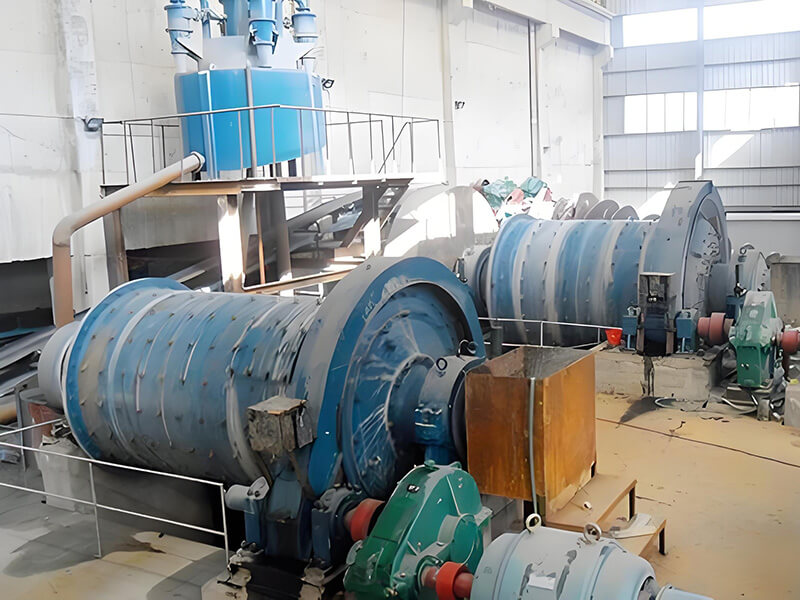
Equipment: Ball mills or rod mills are commonly used. Some processes employ a two-stage closed-circuit grinding process (coarse grinding followed by fine grinding).
Key Points: Strict control of grinding concentration, media ratio, and grinding time is necessary to ensure ideal grinding results (particle size controlled within 0.074-0.2 mm), while also paying attention to energy consumption control.
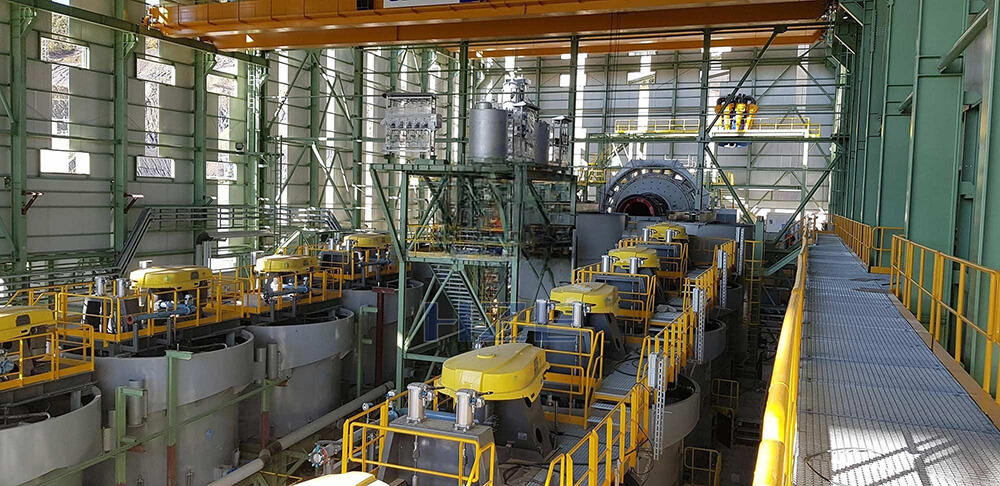
Flotation
Purpose: To separate molybdenum minerals from gangue minerals by adding flotation reagents.
Process: Includes three stages: roughing, cleaning, and scavenging. Roughing initially enriches molybdenum minerals, cleaning further improves the grade, and scavenging recovers unrecovered molybdenum minerals. Some processes employ a "one roughing, three cleaning, three scavenging" process, using multiple cleaning and scavenging stages to improve the recovery rate.
Reagents: Commonly used collectors (e.g., kerosene), frothers (e.g., No. 2 oil), and modifiers (e.g., water glass, lime). In copper-molybdenum separation, inhibitors (e.g., sodium sulfide, cyanide) are needed to inhibit copper mineral flotation.
Key Points: Reagent selection and dosage directly affect flotation results; flotation conditions (e.g., time, concentration, temperature) must be adjusted according to ore properties.
Dewatering
Purpose: To remove moisture from molybdenum concentrate after flotation, facilitating storage and transportation.
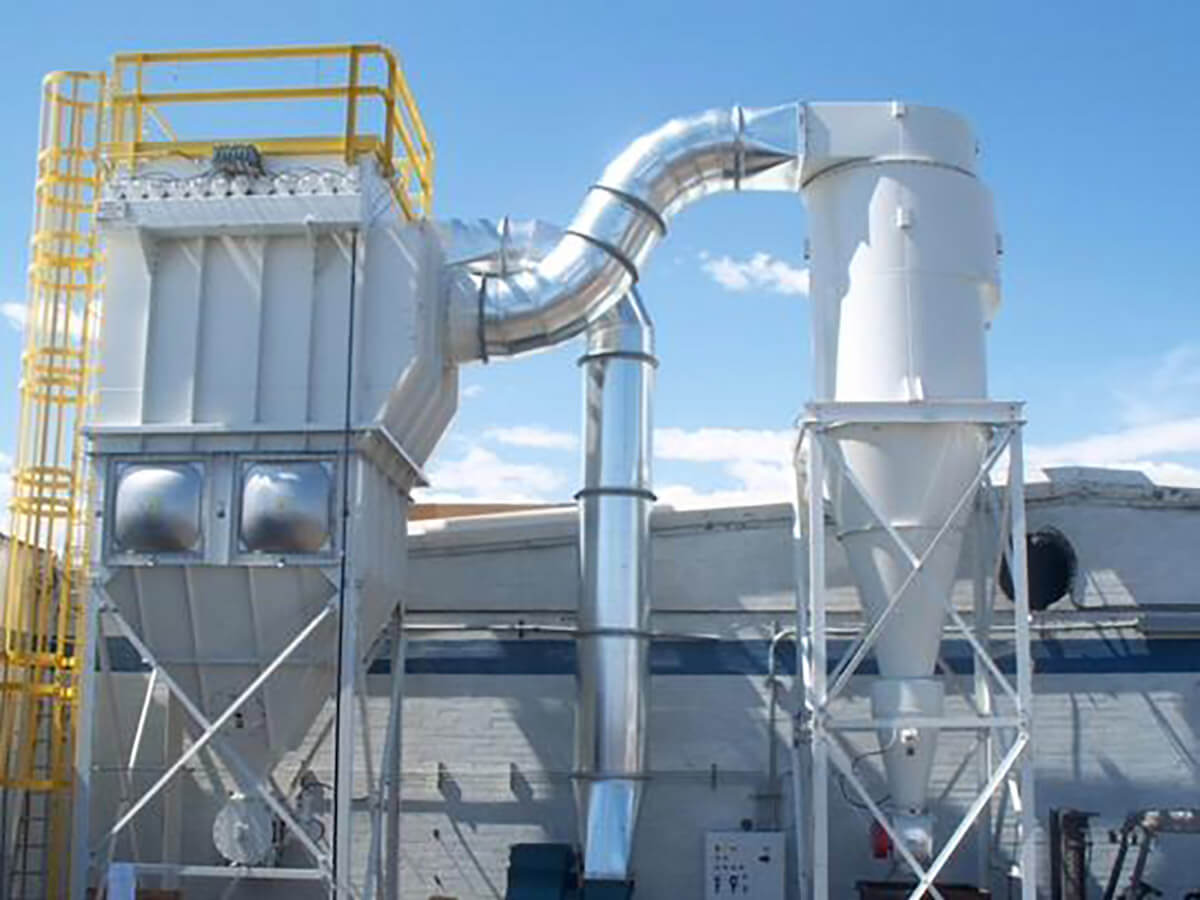
Equipment: Commonly used thickeners (such as NZ series) and filters (such as ceramic filters and chamber filter presses).
Result: The moisture content of the dewatered molybdenum concentrate can be reduced to below 12%.
II. Auxiliary Processes
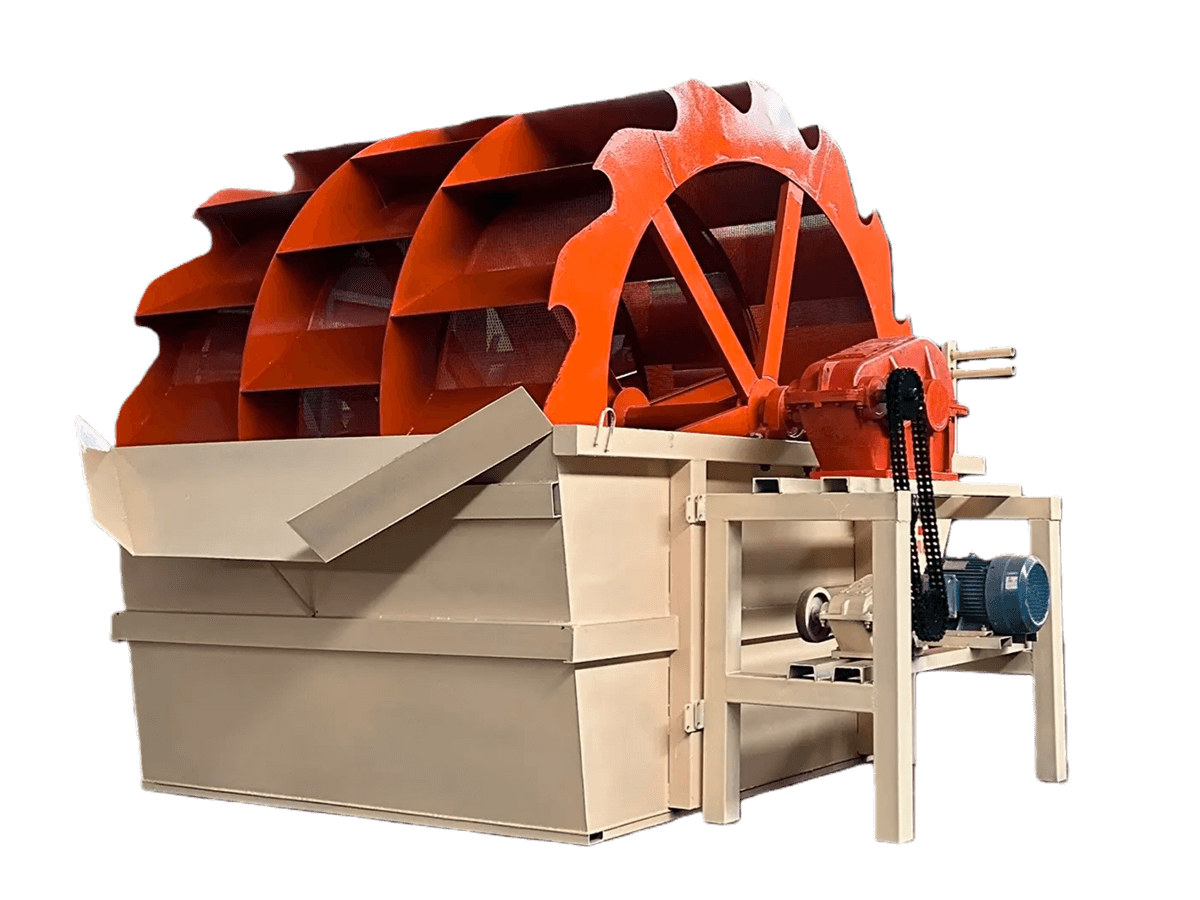
Grading and Washing
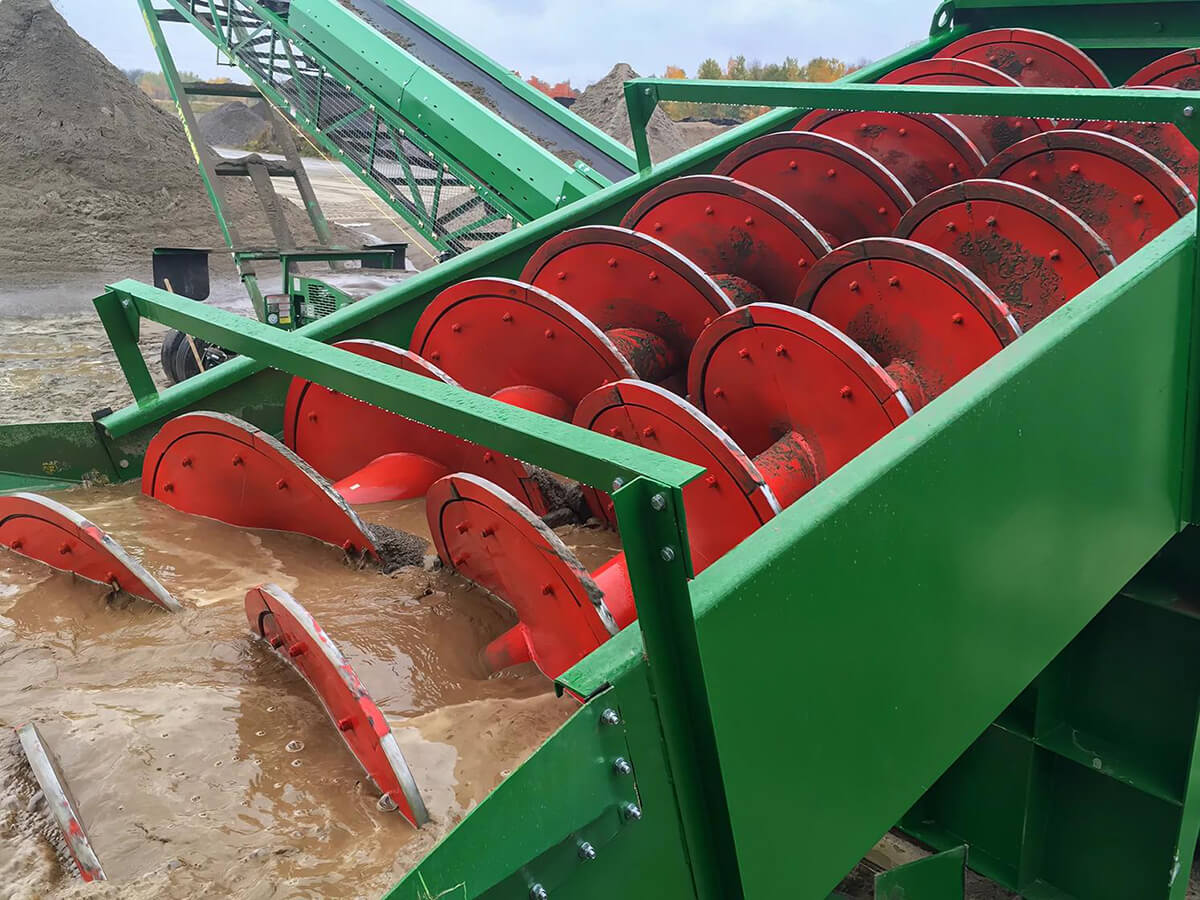
Purpose: To classify and wash the ground slurry by particle size, removing clay and fine gangue from the mineral surface.
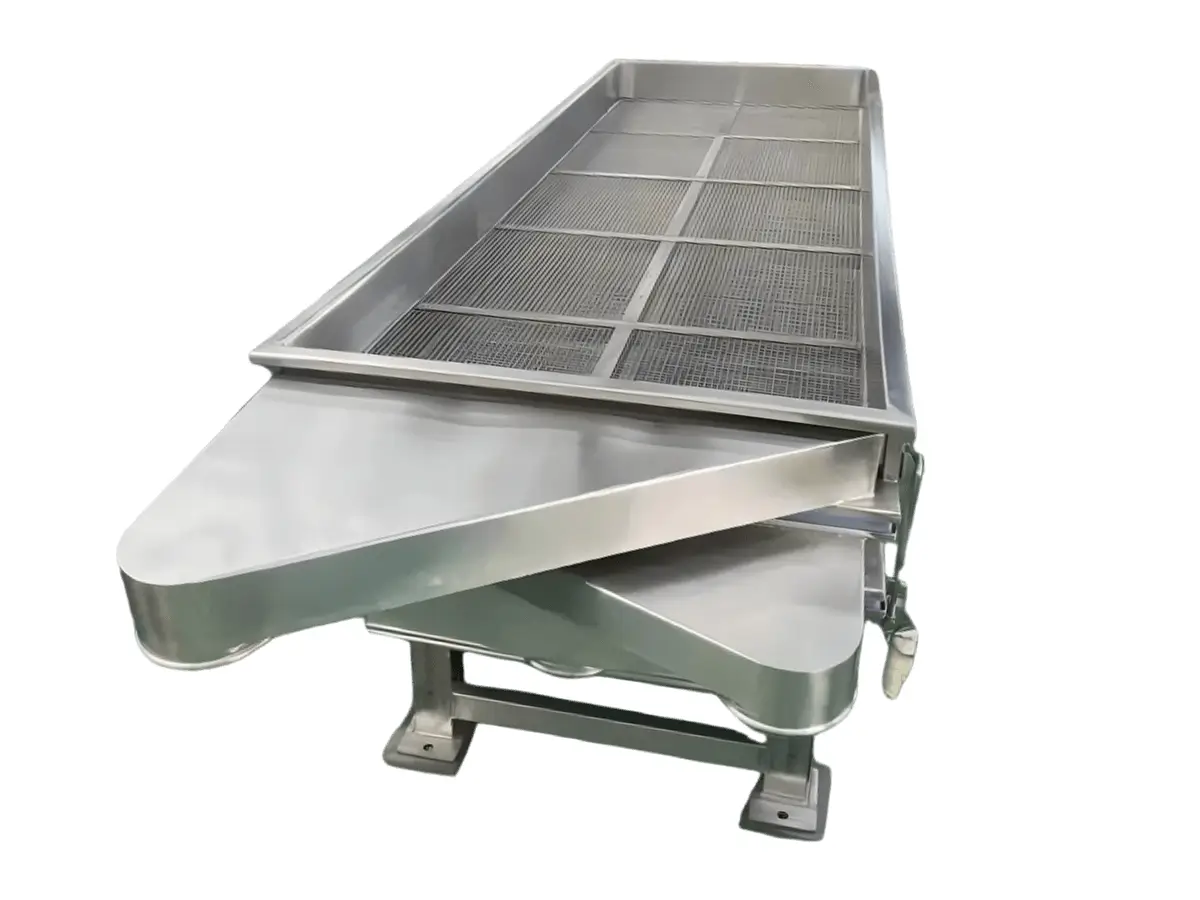
Equipment: Vibrating screen or hydrocyclone.
Impact: The effectiveness of grading and washing directly affects the recovery rate and concentrate quality of flotation.
Purification
Purpose: To further improve the purity of molybdenum concentrate and remove impurities.
Chemical Purification: Includes leaching, purification, and precipitation steps. For example, leaching molybdenum ore with sodium hypochlorite solution to generate sodium molybdate solution, then adding hydrochloric acid and calcium chloride to generate calcium molybdate precipitate, followed by decomposition and acidification to obtain molybdic acid, which is finally dissolved in ammonia water to form ammonium molybdate.
Physical Purification: Includes flotation, gravity separation, magnetic separation, and electrostatic separation, utilizing the differences in the physical properties of minerals for separation.
Smelting and Refining
Purpose: To convert the purified molybdenum concentrate into metallic molybdenum or molybdenum alloys.
Pyrometallurgical processes: Involving roasting, reduction, and smelting.
Hydrometallurgical processes: Utilizing chemical reagents to react with molybdenum in molybdenum concentrate to form soluble molybdenum salts, followed by extraction of metallic molybdenum through electrolysis or precipitation.
Refining: Further purification of metallic molybdenum or molybdenum alloys after smelting to meet different application requirements.
III. Special Processing
Copper-Molybdenum Ore Beneficiation
Background: Copper-molybdenum ore accounts for 48% of global molybdenum production, making it a significant source.
Process: First, copper-molybdenum mixed flotation is performed to obtain a rough concentrate, followed by copper-molybdenum separation. Copper-suppressing flotation of molybdenum is commonly used during separation, employing inorganic reagents (such as sodium sulfide and cyanide) to inhibit the flotation of copper minerals.
Challenges: The fine particle size, low grade, and high degree of co-occurrence of copper-molybdenum ore make recovery difficult and the process complex.
Processing of Low-Grade Molybdenum Ore
Methods: For low-grade molybdenum middlings that are difficult to recover by flotation or molybdenum concentrates with excessively high impurity content, chemical beneficiation can be used. For example, the low-grade molybdenum concentrate can be dried, roasted to produce molybdenum trioxide, then leached with ammonia to produce ammonium orthomolybdate. After removing heavy metal ions by adding sodium sulfide, nitric acid is added to convert it into ammonium tetramolybdate crystals.