
Antimony Mining Technology
Date: 2026-02-22 Categories: Non-Ferrous Metals Views: 184
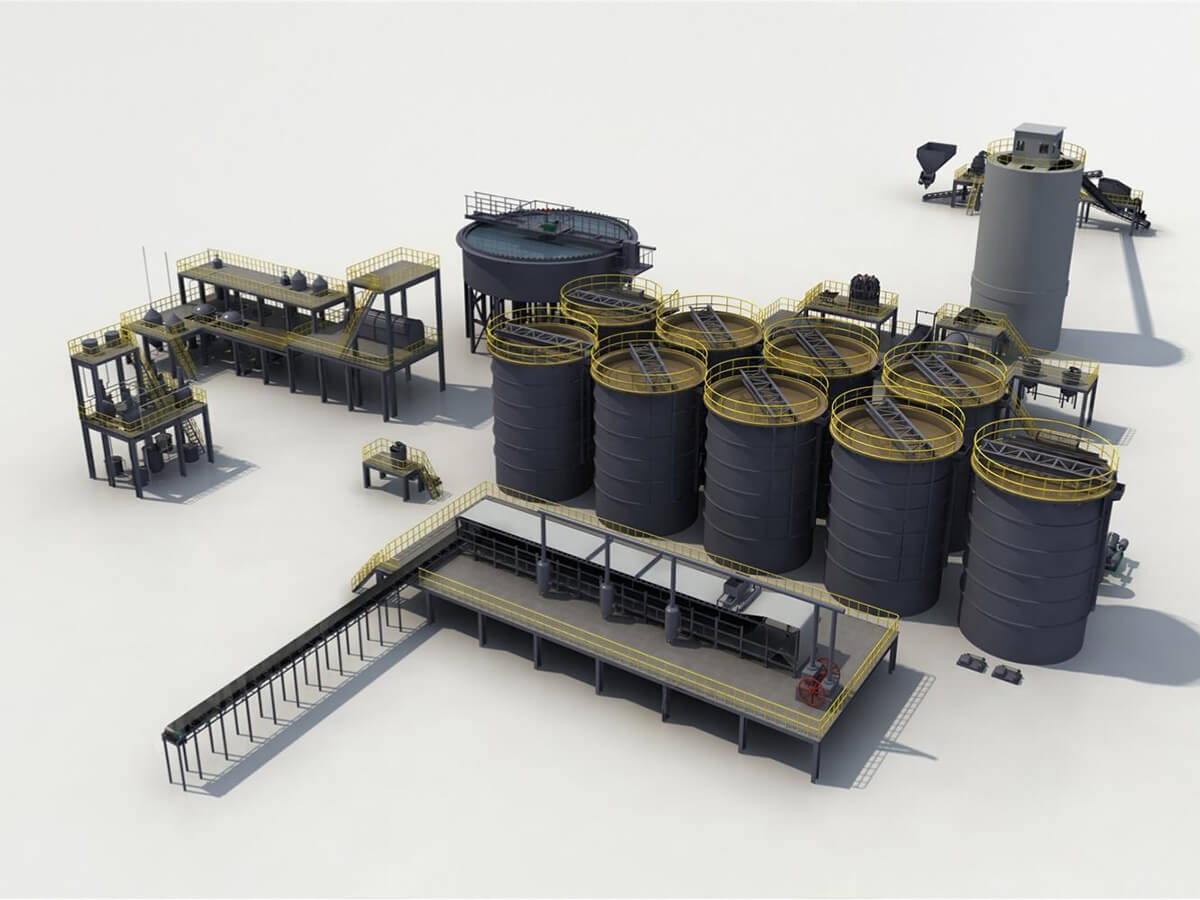
Antimony ore beneficiation mainly includes crushing, beneficiation (including gravity separation, flotation, magnetic separation, chemical leaching, etc.), roasting, smelting, and refining. A detailed description follows:
I. Crushing
Purpose: To crush the raw ore to a suitable grinding particle size, typically less than 10mm.
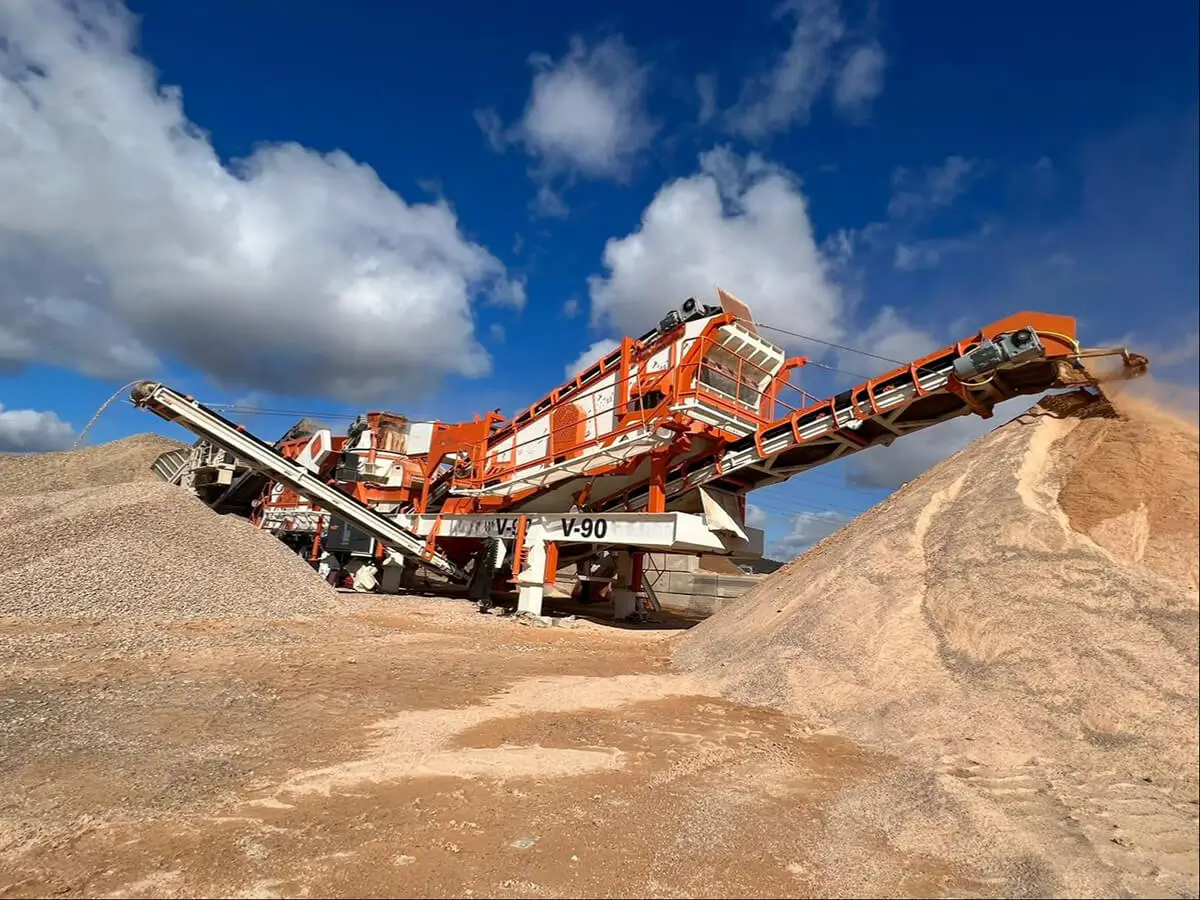
Coarse Crushing: Raw ore (particle size ≤ 500mm) is fed into a jaw crusher via a vibrating feeder and crushed to ≤ 150mm.
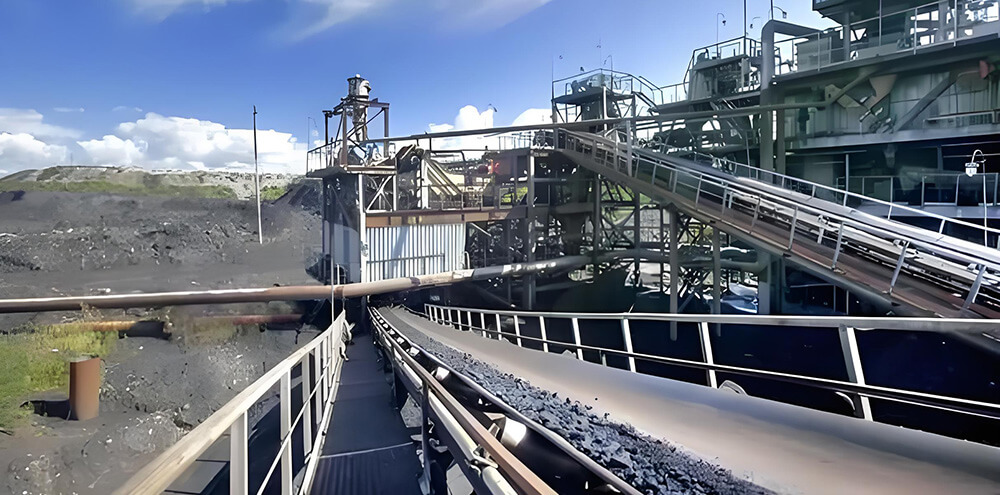
Medium Crushing: The coarse crushing product is fed into a cone crusher or impact crusher via a belt conveyor and crushed to ≤ 30mm.
Fine Crushing: The medium crushing product is screened by a vibrating screen. Unqualified particles are fed into a sand-making machine or a fine-crushing cone crusher, with a final particle size of ≤ 10mm.
Main Equipment: Jaw crusher (coarse crushing), cone crusher/impact crusher (medium crushing), sand making machine/fine crushing cone crusher (fine crushing), vibrating feeder, belt conveyor, vibrating screen.
II. Mineral Processing
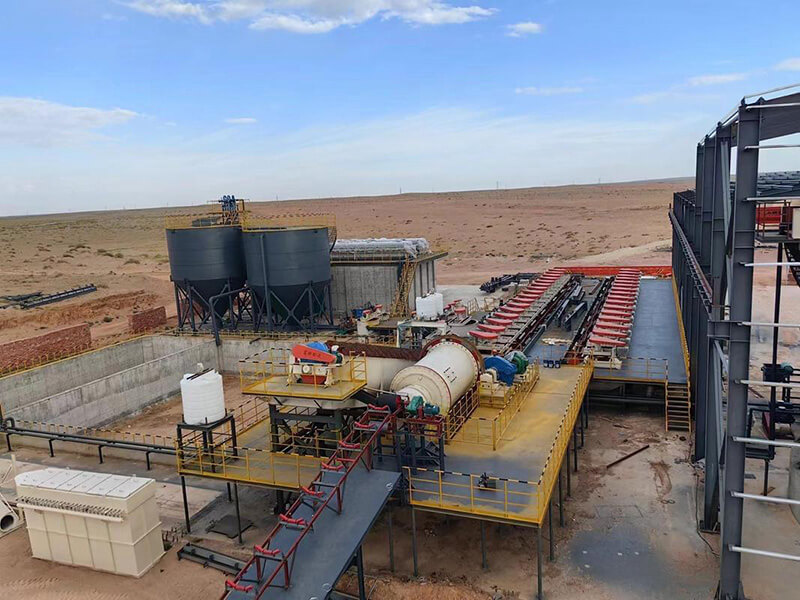
Mineral processing is the core step in antimony ore processing, aiming to separate antimony minerals from gangue using physical or chemical methods. Common methods include gravity separation, flotation, magnetic separation, and chemical leaching.
Gravity Separation
Principle: Separates minerals based on density differences.
Applicable Situations: Commonly used for processing coarse-grained antimony ores, such as stibnite.
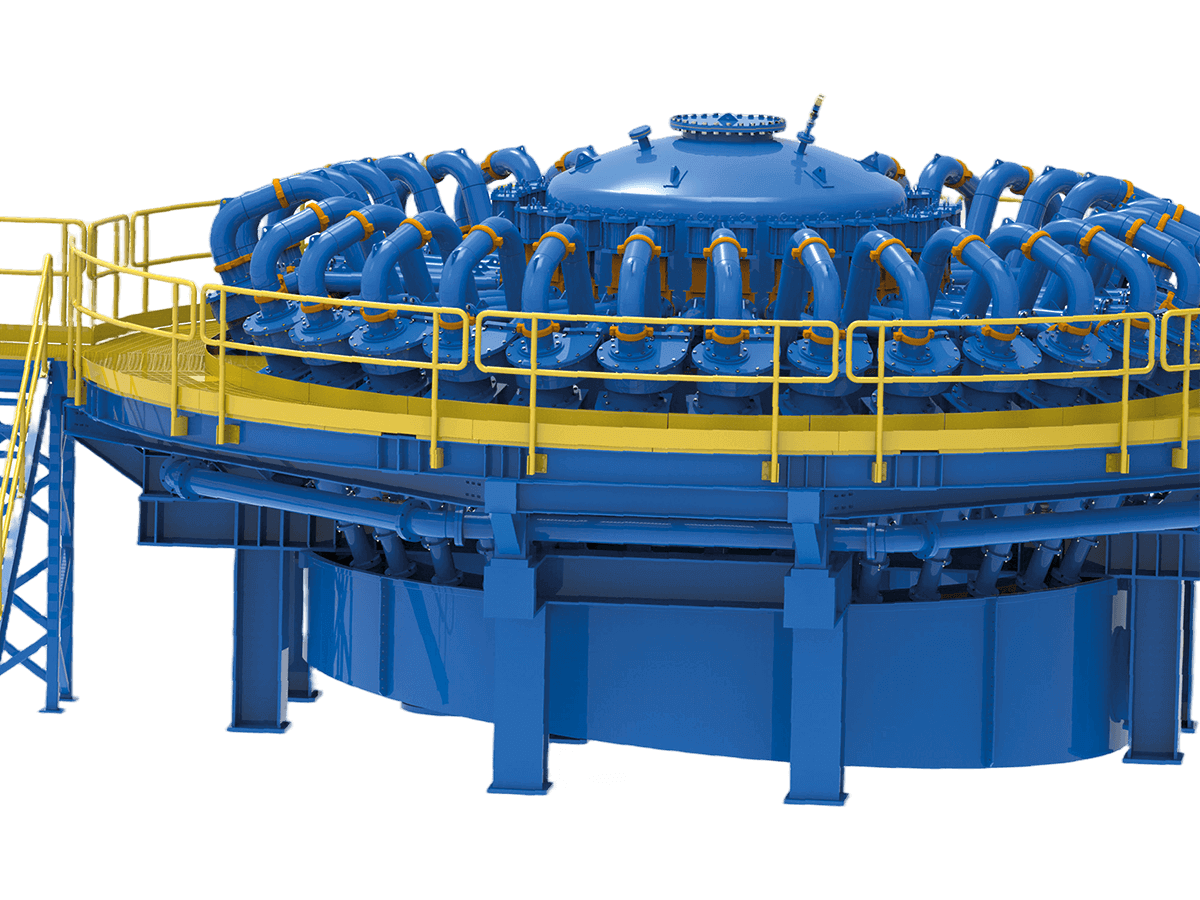
Equipment: Jigs, shaking tables, centrifuges, etc.
Characteristics: Environmentally friendly, low equipment cost, and simple operation. However, it processes low-grade concentrates, requiring subsequent refining steps to improve the purity of the antimony ore.
Flotation
Principle: Utilizes differences in the physicochemical properties of mineral surfaces. By adding flotation reagents, antimony mineral particles adhere to air bubbles and float to the surface of the slurry, thus separating from the gangue.
Applicable Situations: Suitable for processing fine-grained antimony ores, especially antimony sulfide minerals.
Process: Four steps: grinding, reagent addition, stirring, and flotation.
Equipment: Flotation machine, reagent mixing tank, etc.
Features: High operational flexibility; flotation parameters can be adjusted to adapt to different ore properties and requirements, achieving optimized separation results. The flotation process is environmentally friendly; reagents and additives used can be effectively recovered and treated, reducing waste generation and environmental pollution. However, it requires high levels of operational expertise and equipment maintenance, and flotation reagent costs are relatively high.
Magnetic Separation
Principle: Separation based on differences in mineral magnetic properties.
Applicable Situations: Primarily used to separate iron minerals mixed in antimony ore; suitable for antimony ores with high magnetic mineral content.
Equipment: Magnetic separator.
Features: Simple operation, low cost; effectively separates iron-antimony coexisting ores, as well as antimony ores containing magnetic impurities, improving antimony ore purity and recovery rate. However, it is only effective for magnetic minerals; for non-magnetic or weakly magnetic minerals, the separation effect is limited. Therefore, in practical applications, magnetic separation is often used in conjunction with other mineral processing processes.
Chemical Leaching
Principle: Antimony is dissolved from the ore using acids, alkalis, or other chemical reagents.
Applications: Particularly suitable for processing low-grade or difficult-to-process antimony ores.
Characteristics: High selectivity and high recovery rate, but the operation process is complex, requires a large amount of chemical reagents, and it is difficult to completely avoid the generation of chemical waste.
III. Roasting
Purpose: To oxidize antimony sulfide to antimony oxide (Sb₂O₃) and remove impurities such as sulfur and arsenic.
Process: Antimony concentrate is mixed with flux (limestone, quartz sand) and fed into a roasting furnace. It is oxidized and roasted at 600-800℃ to generate Sb₂O₃ flue gas and roasted ore.
Main Equipment: Rotary kiln, fluidized bed roasting furnace, reverberatory furnace, flue gas purification system (waste heat boiler, electrostatic precipitator, scrubbing tower).
IV. Smelting
Purpose: To reduce antimony oxide to metallic antimony.
Process: Roasted ore is mixed with reducing agent (coke, anthracite) and flux (soda ash, fluorite), and added to a blast furnace or reverberatory furnace. It is smelted at 1000-1200℃ to generate crude antimony and slag.
Main Equipment: Blast furnace, reverberatory furnace, electric arc furnace, casting equipment (ingot mold, cooling conveyor belt).
V. Refining
Purpose: To remove impurities (such as arsenic, lead, iron, etc.) from crude antimony to obtain refined antimony (purity ≥ 99.85%).
Process: Crude antimony is added to a refining furnace and refined through oxidative refining (alkali blowing), sulfidation refining (sodium sulfide addition), or electrolytic refining to obtain refined antimony.
Main Equipment: Refining furnace (reverberatory furnace or induction furnace), electrolytic cell (used during electrolytic refining), slag removal tools, casting machine.