
Lithium Mining Technology
Date: 2026-02-27 Categories: Rare Metals Views: 226
Lithium mining technologies vary significantly depending on the type of ore body (hard rock, brine, and clay). Hard rock lithium deposits are primarily mined by open-pit mining, brine lithium deposits rely on evaporation extraction from salt lakes, and clay lithium extraction is still in the research and development stage. Currently, approximately 70% of global lithium production comes from hard rock mines, while over 60% of the resource reserves are from brine deposits. Each type has its own advantages and disadvantages in terms of technological approaches, cost structures, and environmental impact.
I. Hard Rock Lithium Mining: High Grade but High Energy Consumption
Hard rock lithium deposits are mainly hosted in pegmatites containing minerals such as spodumene and lepidolite. Typical mining areas include the Greenbushes mine in Australia and the Methylka mine in Sichuan, China.
1. Mining methods
- Open-pit mining is the primary method, suitable for shallow, large-scale ore bodies.
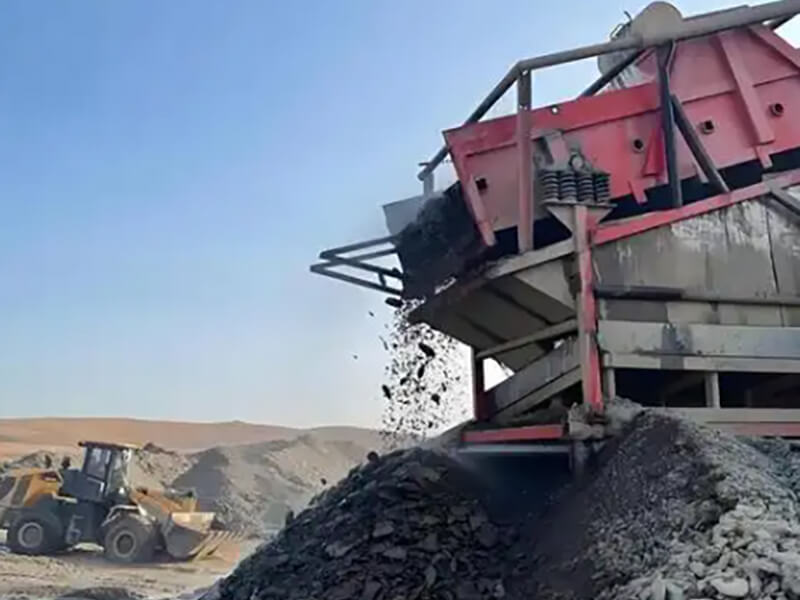
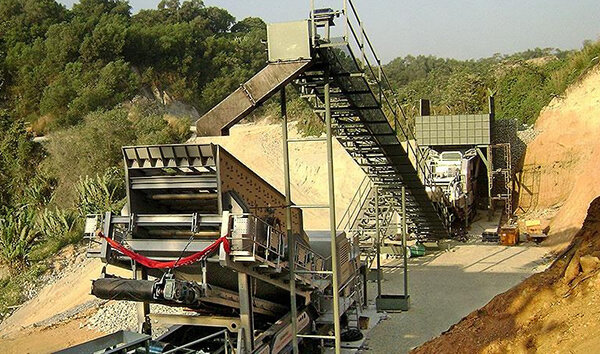
- It employs an integrated operation of deep-hole blasting, loading, and transportation. Drilling is done using a rotary drill, followed by blasting with explosives, and then loading the ore into mine cars using an electric shovel or hydraulic excavator.
- The mining depth generally does not exceed 300 meters, and the slope angle is controlled within 50° to ensure safety.
2. Mineral Processing Flow
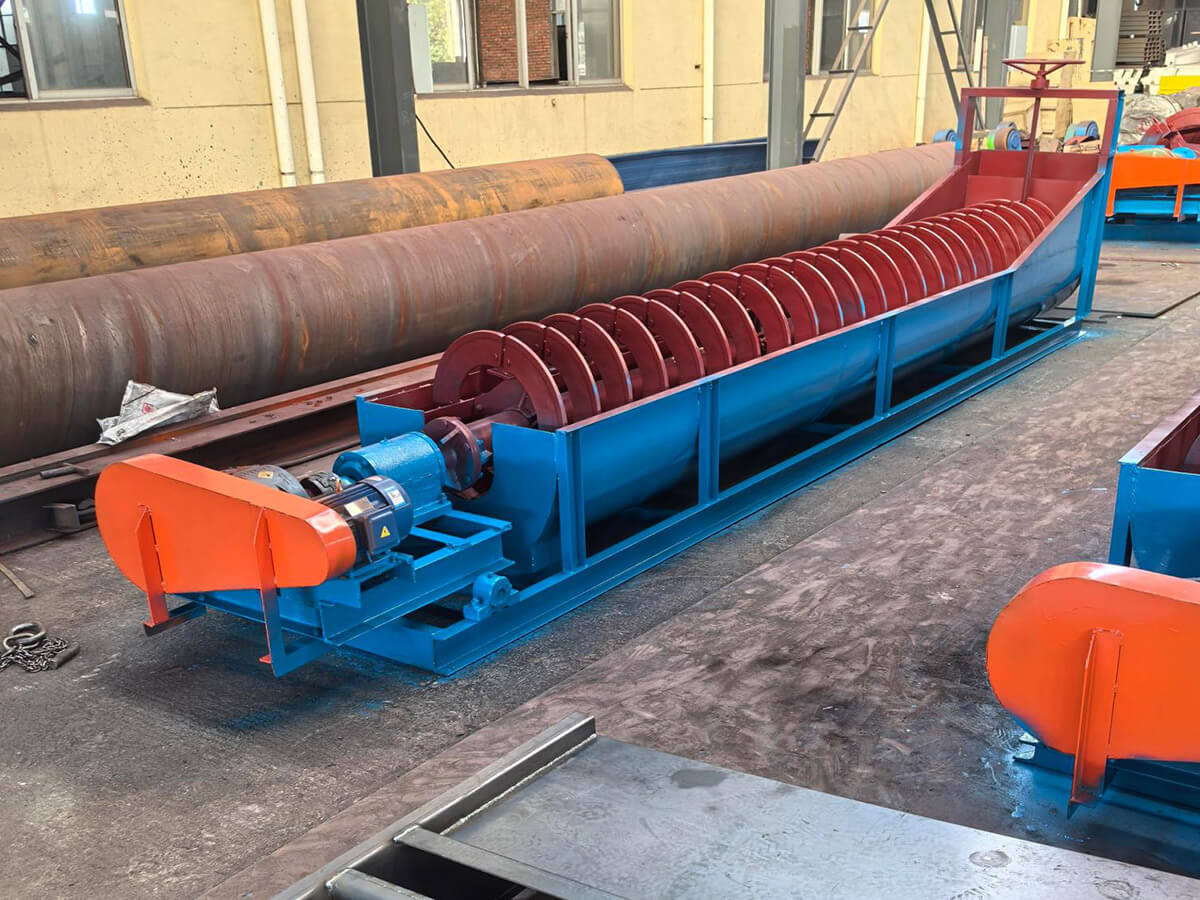
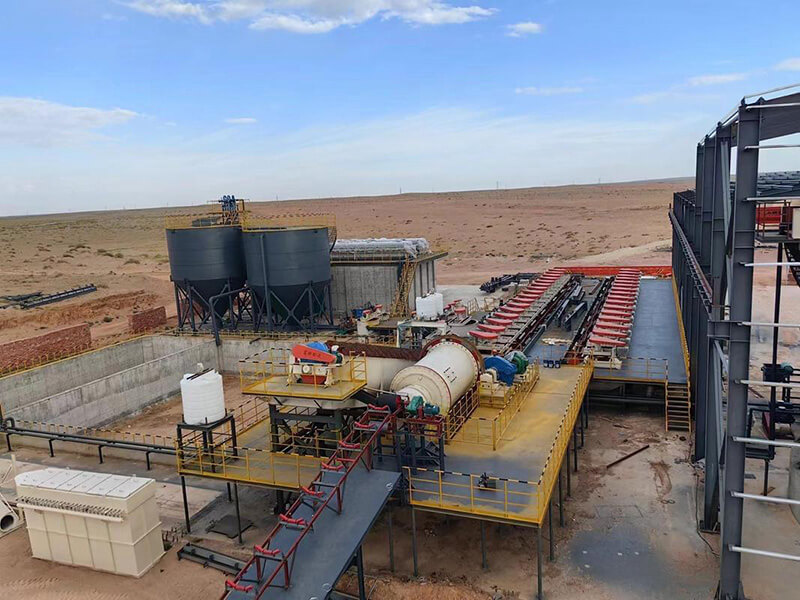
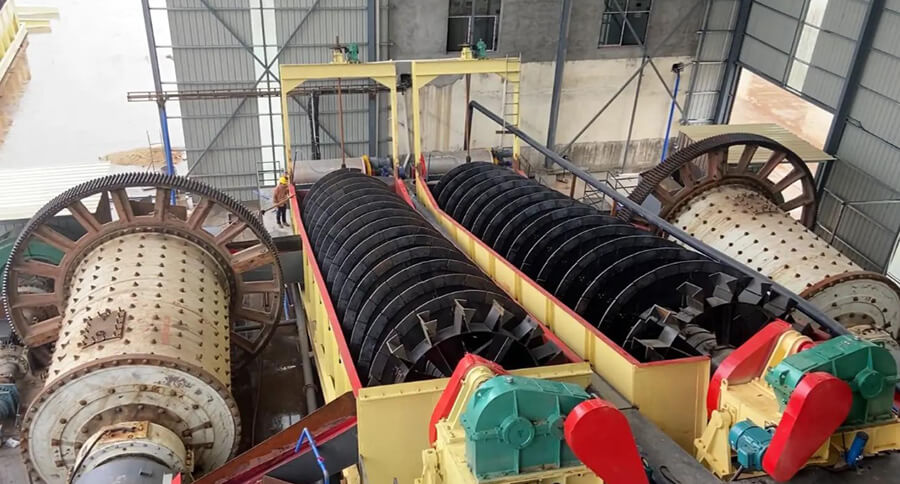
Raw ore → Crushing (jaw crusher + cone crusher) → Grinding (ball mill) → Classification → Flotation → Concentrate dewatering → Lithium concentrate
- Flotation is the mainstream separation method. Sodium hydroxide is added to adjust the pH to 10–11, and oleic acid collectors are used to separate spodumene from gangue such as quartz and feldspar.
- To improve the grade, a combined flotation-magnetic separation process is often used to remove iron impurities.
- Ultimately, a lithium concentrate containing 5.5%–7.0% Li₂O is obtained for subsequent smelting.
II. Extraction of lithium from brine-type ore: low cost but long cycle.
Brine-type lithium deposits are found in salt lakes and underground brines, and are concentrated in the “Lithium Triangle” of South America (Atacama, Chile; Umbuaba, Argentina; Uyuni, Bolivia) and salt lakes in Qinghai and Tibet, China.
1. Extraction Principle
- The brine is concentrated through natural evaporation to enrich lithium ions, which are then extracted using a precipitation method.
- The lithium concentration in the brine is typically 0.05%–0.2%, requiring an evaporation cycle of 12–18 months.
2. Core technological process
Underground brine extraction → Salt field graded evaporation → Magnesium-lithium separation → Lithium extraction by adsorption/extraction → Lithium precipitation → Lithium carbonate
- Salt field evaporation: Utilizing the arid climate, multi-stage evaporation precipitates sodium, potassium, and magnesium salts, gradually enriching lithium.
- Magnesium-lithium separation is a technical challenge, especially under high magnesium-to-lithium ratios (>20:1), where traditional processes achieve recovery rates of less than 50%.
- Adsorption method: Employing manganese-based ion sieve materials for selective lithium ion adsorption, a breakthrough has been achieved in Qinghai salt lakes, increasing the overall recovery rate to over 90%.
- Extraction method: Utilizing novel lithium-specific extractants to achieve a soap-free process, reducing acid and alkali consumption and wastewater discharge.