
Niobium-Tantalite Beneficiation Process
Date: 2026-02-27 Categories: Rare Metals Views: 236
The beneficiation process for niobium-tantalite ore is based on gravity separation, combined with a multi-method process including magnetic separation, flotation, and electrostatic separation. It is designed to enrich and purify the ore in stages, taking into account its characteristics of fine particle size, polymetallic coexistence, and low grade, ultimately obtaining high-grade tantalum-niobium concentrate.
I. Typical Process Flow: Four-Stage Systematic Processing
1. Pretreatment: Ore washing and desliming + crushing and screening
- Objective: To remove clay and impurities, prevent equipment blockage, and achieve particle size classification.
- Operate:
- The raw ore is cleaned using a cylindrical washing machine or a twin-shaft washing machine, which is especially suitable for placer deposits with high mud content.
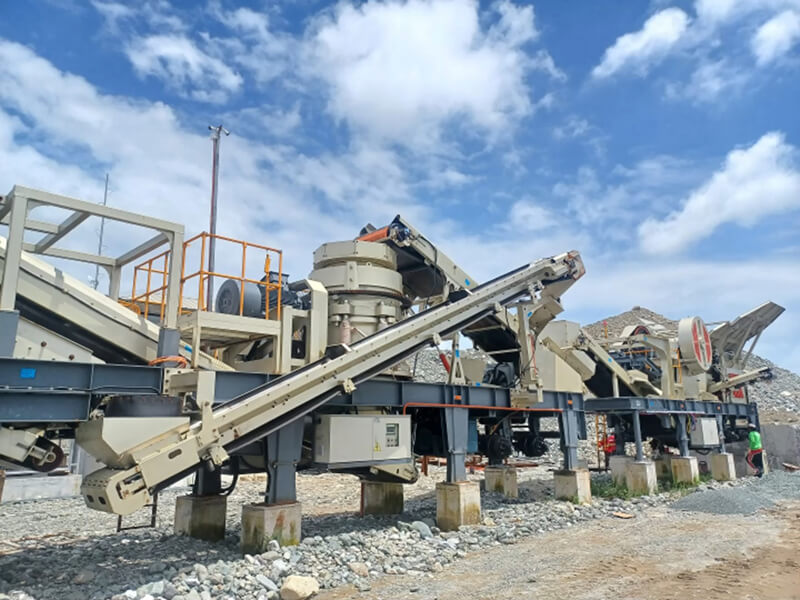
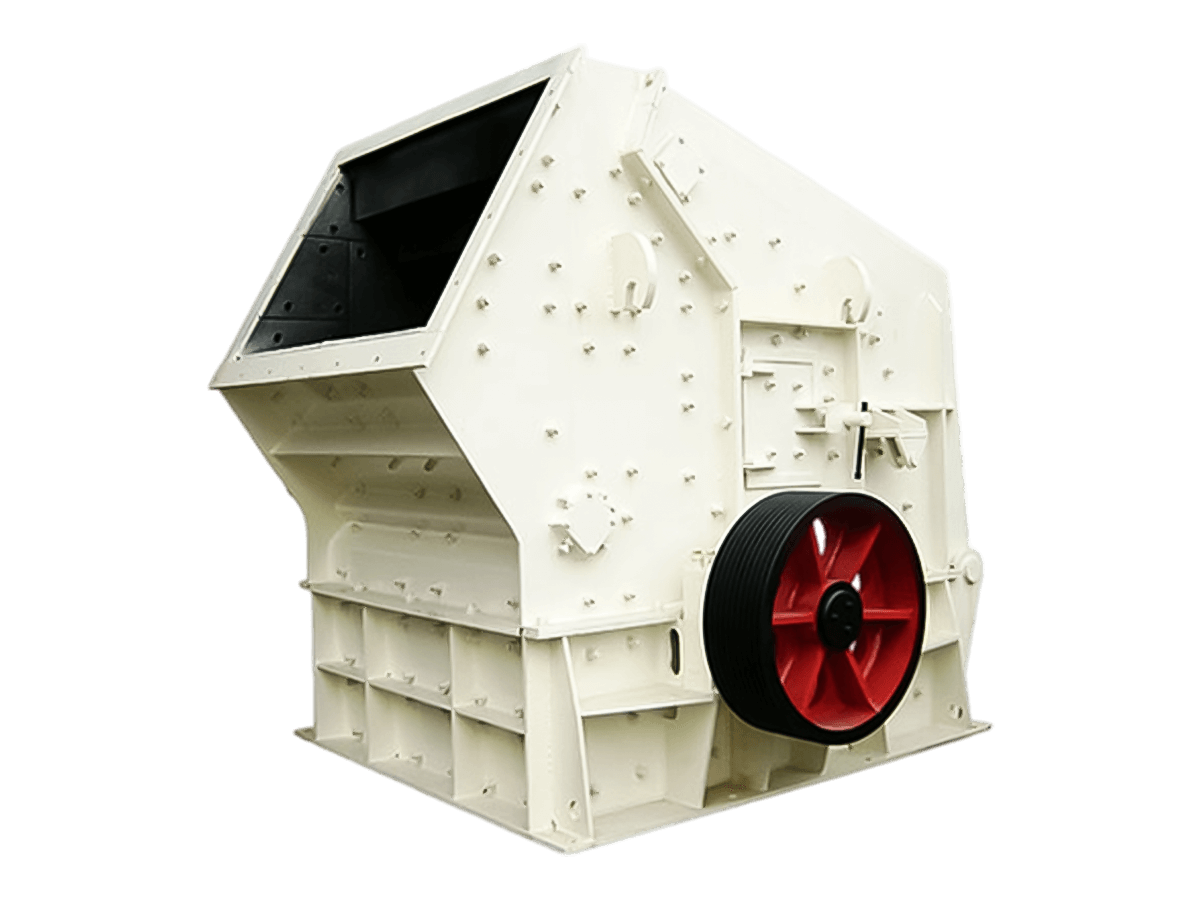
- The crushing process adopts a "three-stage closed-circuit" process (jaw crusher → medium crushing cone crusher → fine crushing cone crusher) to control the ore particle size within -15mm.
- After classification by the vibrating screen, different particle sizes enter the corresponding beneficiation process.
✅ Special reminder: For ores with a lot of fine ore or native mud, washing is an essential pretreatment step.
2. Grinding, Classification, and Desliming
- Principle: Stage grinding, avoid over-grinding, as niobium-tantalum minerals are brittle and easily broken.
- Equipment combination:
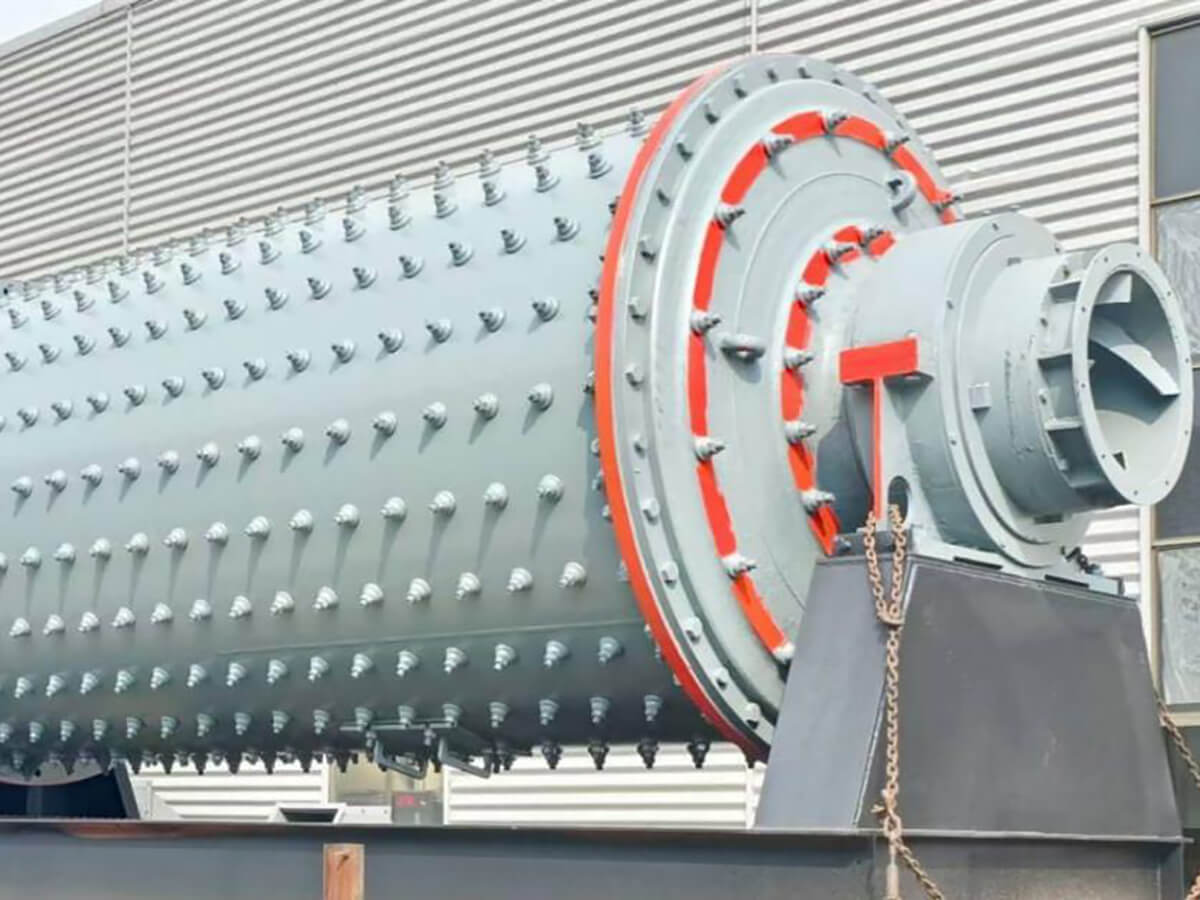
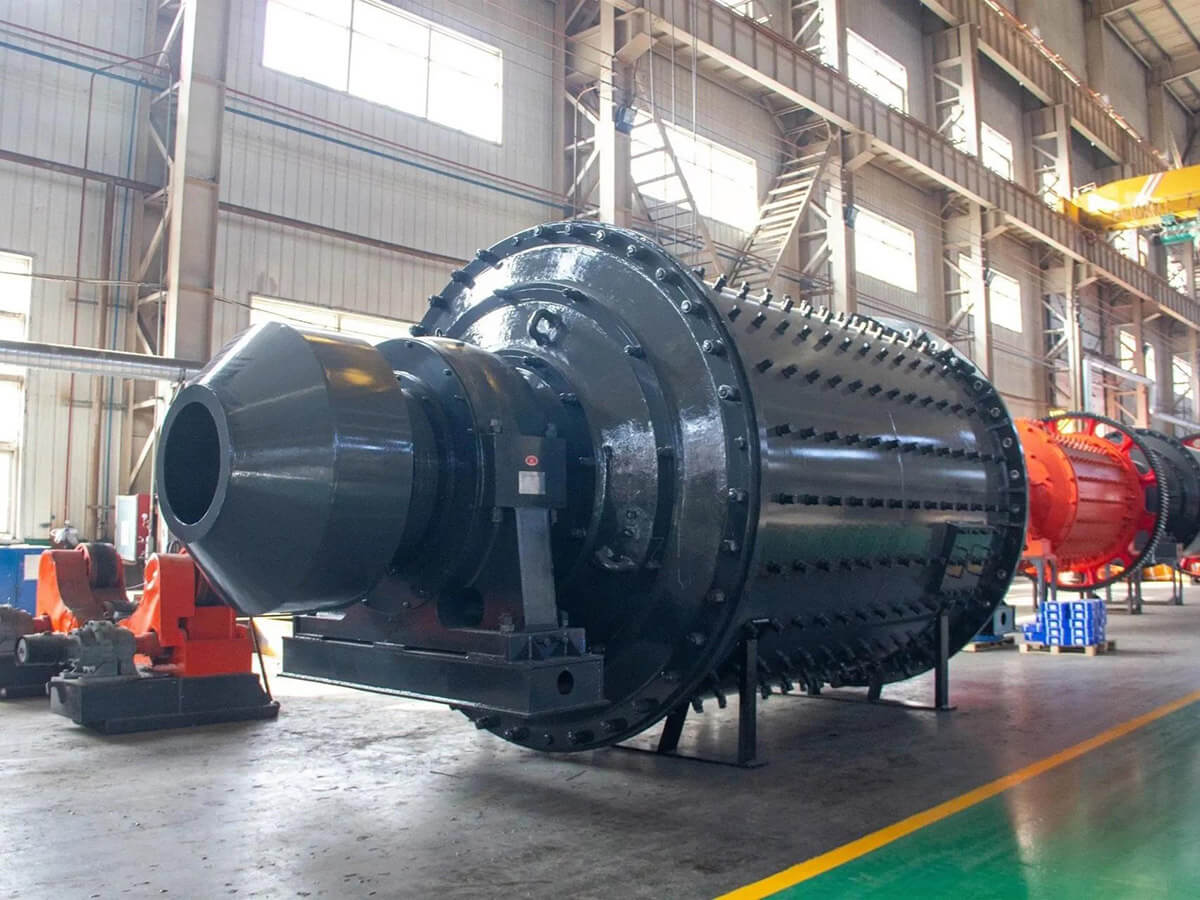
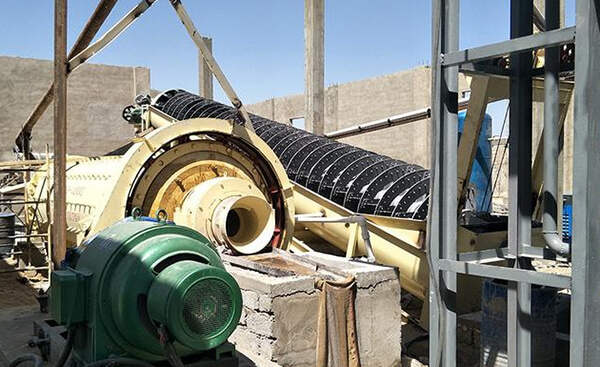
- The first stage uses a rod mill and sieve in a closed-circuit operation to reduce over-grinding.
- The second stage uses a ball mill and high-frequency vibrating fine sieve in a closed-circuit operation to precisely control the particle size to 200 mesh (approximately 74μm).
- Small-diameter hydrocyclones or centrifugal concentrators are commonly used for desliming to discard valuable minerals lost in the fine mud in advance.
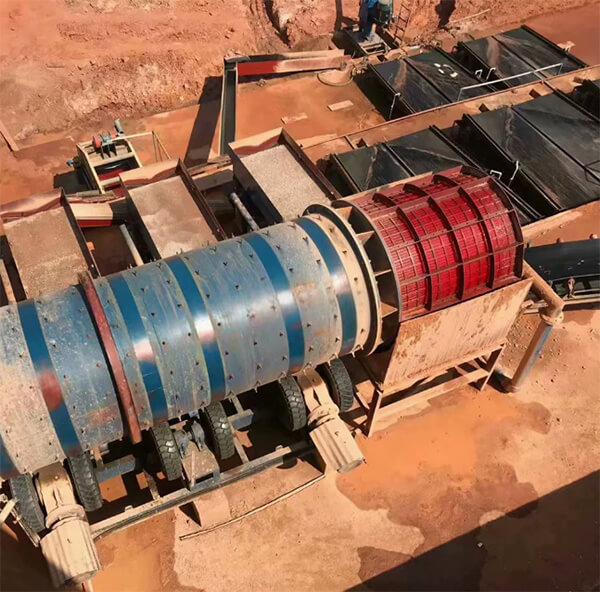
3. Reselection and Enrichment (Core Step)
Gravity separation is performed by taking advantage of the difference in density between niobium-tantalum minerals (6.5–8.3 g/cm³) and gangue minerals (such as quartz, 2.65 g/cm³).
- Coarse selection equipment:
- Coarse-grained (>0.3mm): Jigging machine, spiral chute;
- Fine-grained (0.3–0.074mm): Shaking table;
- Slime-grade (<0.074mm): Centrifugal concentrator, multi-layer tilting table.
- Case Study: The Nanping tantalum-niobium mine in Fujian Province used a combination of GL spiral concentrator and shaking table, achieving a roughing recovery rate of 74.3%.
4. Fine Refinement and Purification: Combined Processes to Address Complex Symbiotic Relationships
The crude concentrate has a complex composition and requires a combination of methods for separation:
- Magnetic separation method:
- Weak magnetic separation (0.1–0.3T) removes strongly magnetic impurities (such as ilmenite);
- Strong magnetic separation (1.0–2.0T high-gradient magnetic separator) separates weakly magnetic niobium-tantalum minerals, improving purity.
- Flotation method:
- Used for finely intercalated or densely coexisting ores;
- Common reagents: styrenephosphonic acid and hydroxamic acid as collectors, sodium silicate and sodium fluorosilicate as adjusters, pH controlled at 6–8.5;
- Effectively removes associated minerals such as sulfide ores and cassiterite.
- Electrostatic separation:
- Suitable for narrow-grade material sorting under dry conditions.
- Utilizing differences in conductivity, it separates niobium-tantalum ore from non-conducting minerals such as garnet and tourmaline in a composite electric field.
✅ In actual production, a combined "gravity-magnetism-levitation-electricity" process is often adopted to ensure both high recovery rate and high grade.