
What Equipment Is Needed For a Complete Ore Processing Production Line?
Date: 2026-03-03 Categories: Equipment Knowledge Views: 190
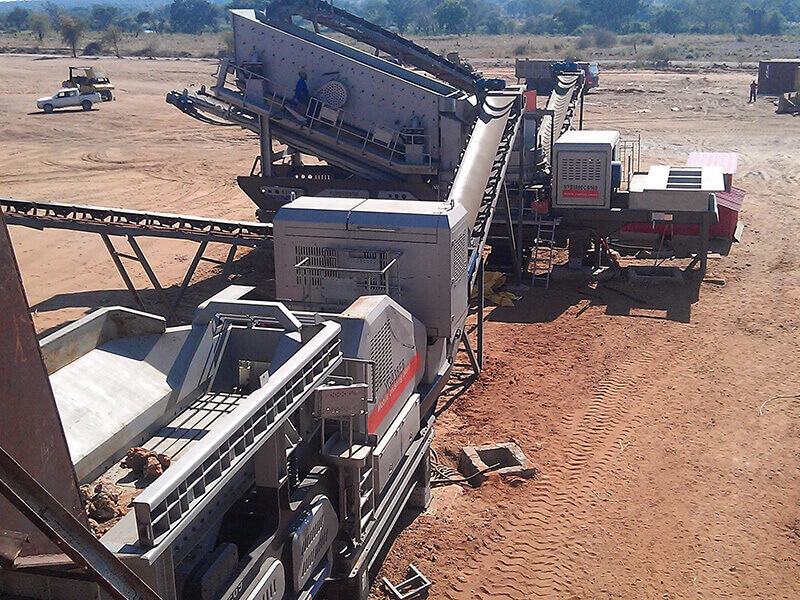
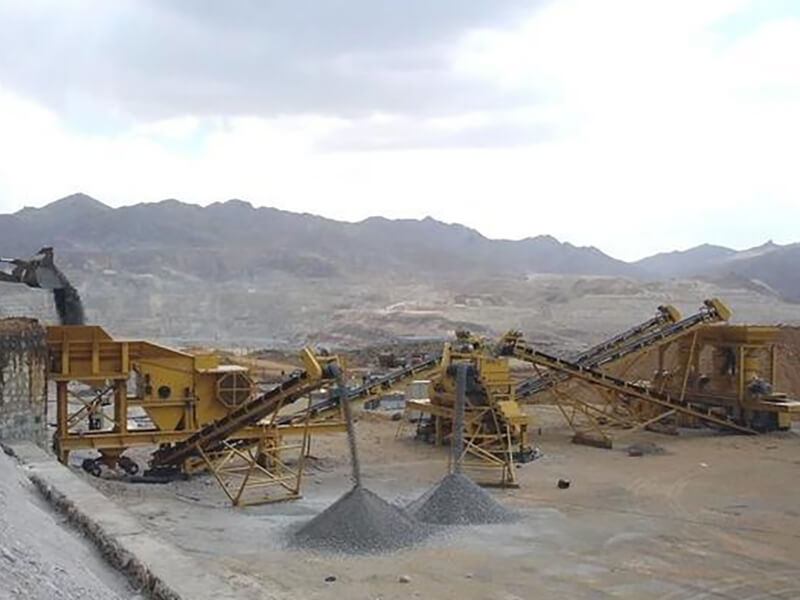
A complete mineral processing production line typically comprises multiple stages, including crushing, screening, grinding, grading, separation, dewatering, and auxiliary equipment. The equipment at each stage works in tandem to achieve efficient ore processing and concentrate extraction. The following are specific pieces of equipment and their functions:
1. Crushing Equipment
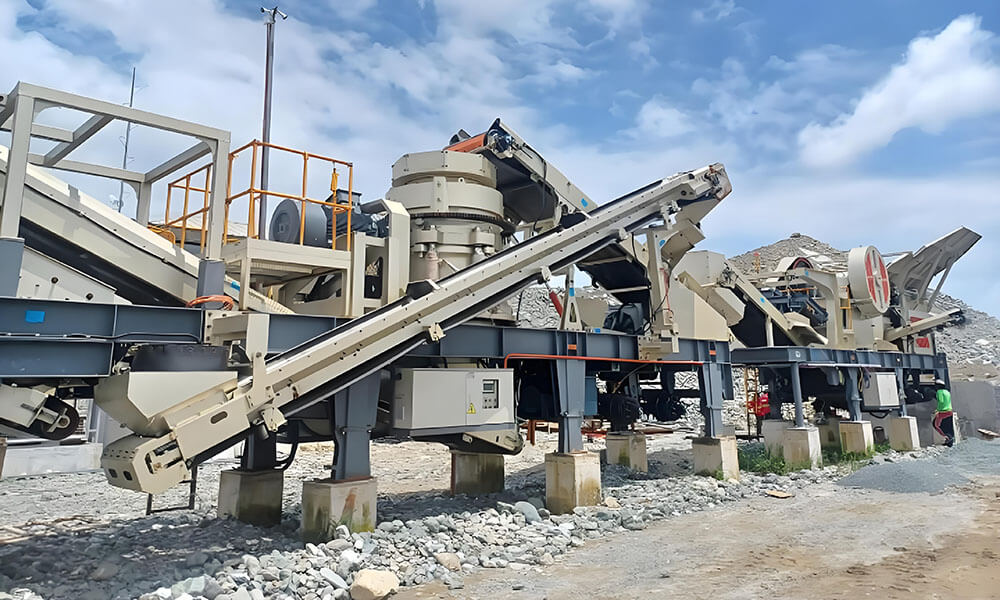
Jaw Crusher: As a primary crushing device, it is used to break large pieces of ore into medium-sized particles, preparing them for subsequent crushing operations.
Cone Crusher: Suitable for medium to fine crushing operations, it effectively further crushes medium-sized ore particles into even smaller particles.
Impact Crusher: Suitable for crushing medium-hardness and brittle materials, it has advantages such as a large crushing ratio and uniform product particle size.
Hammer Crusher: Utilizes high-speed rotating hammers on a rotor to impact and crush materials, suitable for medium to fine crushing, especially for brittle materials.
Roll Crusher: Utilizes two counter-rotating rollers to squeeze and crush materials, suitable for medium to fine crushing, and particularly effective for sticky materials.
2. Screening Equipment
Vibrating Screen: Uses vibration to classify crushed ore according to particle size, ensuring uniform particle size of the ore entering the next process.
Circular Vibrating Screen: Also has a screening function, but differs slightly in structure and working principle. Suitable for screening ores of different particle sizes and properties.
3. Grinding Equipment
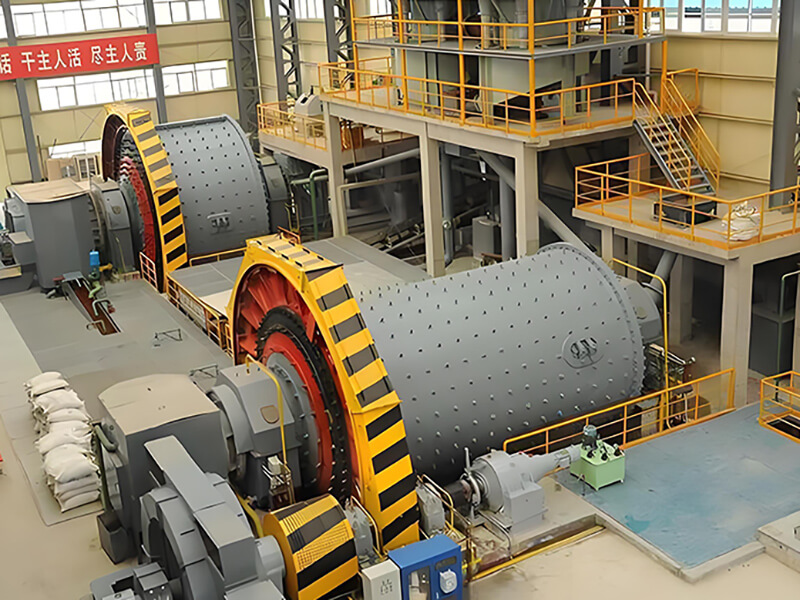
Ball Mill: A key piece of equipment for further pulverizing crushed ore. Widely used in cement, silicate products, new building materials, refractory materials, fertilizers, non-ferrous and ferrous metal beneficiation, glass and ceramics industries, for dry or wet grinding of various ores and other grindable materials.
Rod Mill: Uses metal rods as grinding media. Due to its selective grinding action, it can produce products with uniform particle size and is mainly used in gravity concentrators.
4. Classification Equipment
Spiral Classifier: Based on the principle that solid particles with different specific gravities settle at different velocities in a liquid, it cleans and classifies ore mixtures.
Hydrocyclones: These hydrocyclones use fluid mechanics principles to classify materials, offering advantages such as high classification efficiency, small footprint, and low energy consumption.
5. Separation Equipment
Magnetic Separator: Separates magnetic minerals from non-magnetic minerals based on their magnetic properties. It is primarily used for separating ferrous metal ores (iron, manganese, chromium), but can also be used to separate non-ferrous and rare metal ores.
Flotation Machine: Suitable for separating non-ferrous and ferrous metals, as well as non-metallic minerals such as coal, fluorite, and talc. It utilizes the differences in the physicochemical properties of mineral surfaces, causing mineral particles to adhere to air bubbles and float to the surface, thus separating them from gangue.
Gravity Separator: Separates minerals based on their density differences, suitable for processing certain special types of ores.
Shaking Table: Separates minerals of different densities on the table by adjusting the tilt angle and vibration frequency, suitable for processing fine-grained ores.
Spiral Conveyor: Separates materials based on their different settling velocities under gravity, suitable for processing fine-grained ores.
6. Dewatering Equipment
Thickener: Removes excess water from the concentrate through gravity settling.
Filter press: Uses mechanical pressure to further squeeze water out of the concentrate, resulting in a concentrated product with lower water content.
Vacuum filter: Removes water from the concentrate using vacuum suction, achieving good dehydration.
7. Auxiliary Equipment
Feeder: Responsible for uniformly and continuously feeding raw materials into crushers, mills, or other equipment.
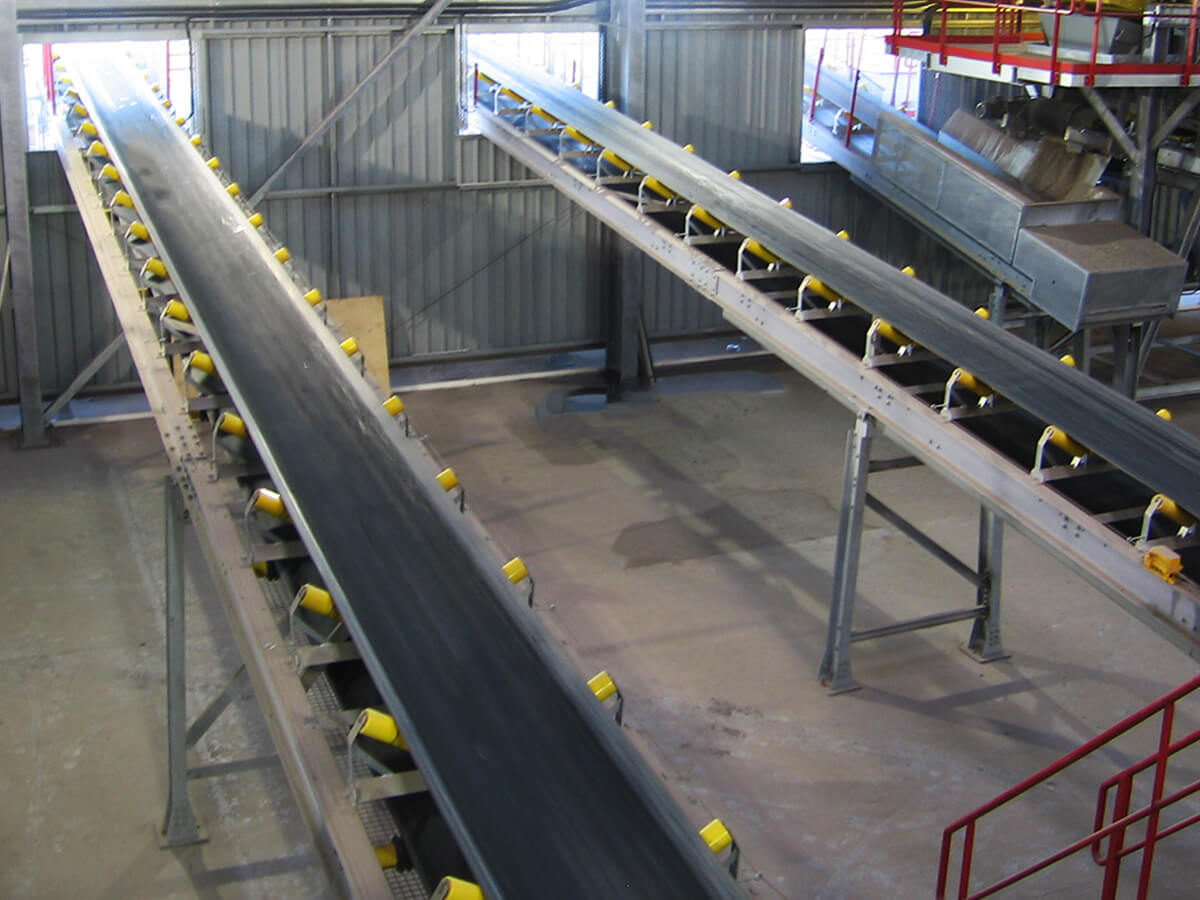
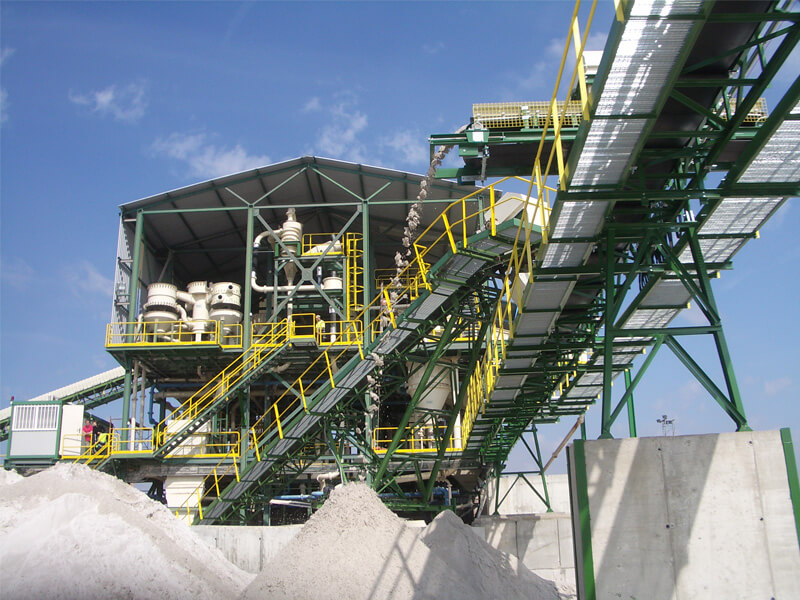
Conveyor: Connects various production stages, enabling continuous material transport.
Pump: Used for conveying and circulating slurry.
Blower: Provides the required air volume for certain equipment (such as flotation machines).
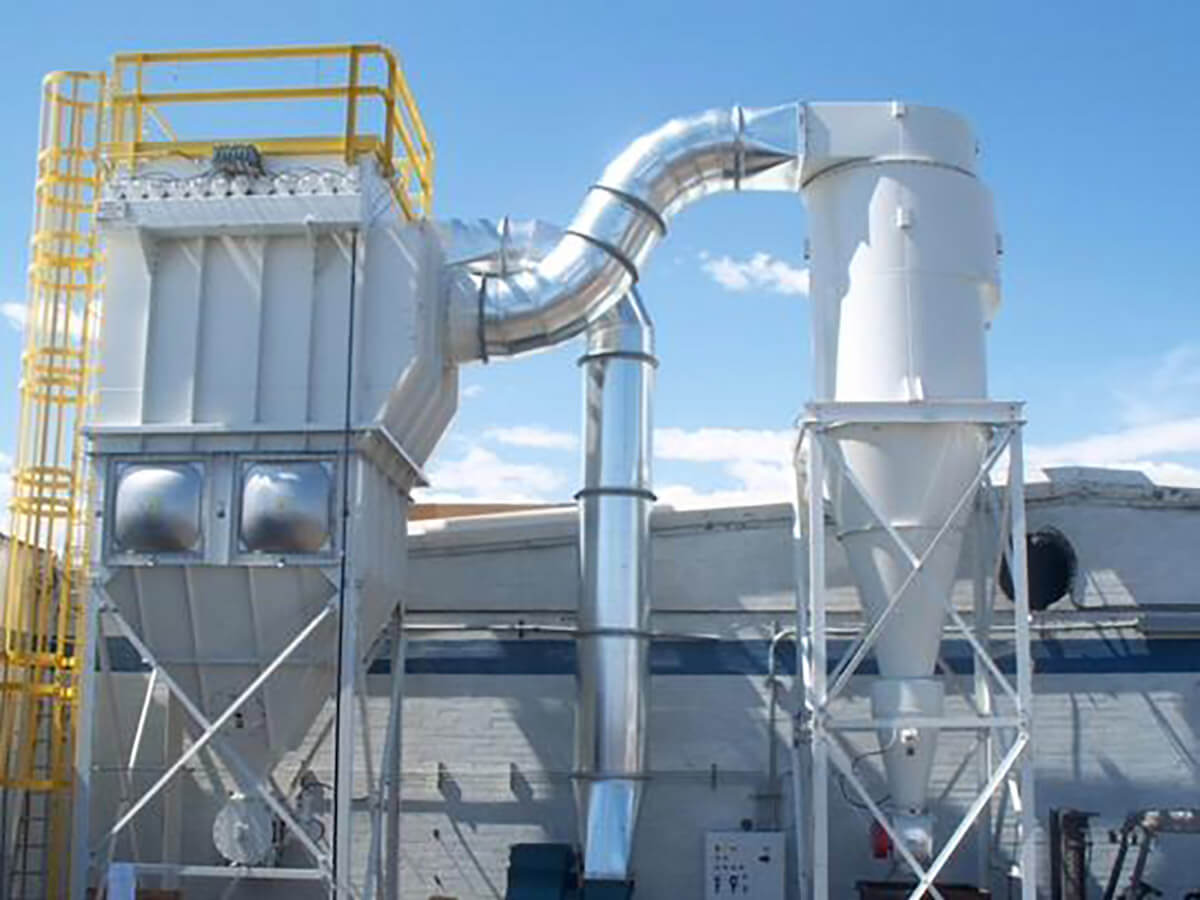
Dust removal equipment: Reduces dust pollution during the production process, protecting the environment.