
Overview of the Mineral Processing Equipment Industry
Date: 2026-03-03 Categories: Industry News Views: 146
The mineral processing equipment industry provides mechanical solutions for the crushing, grinding, separation, and dewatering of ores, playing a vital role in mineral resource extraction. Its development is closely linked to mining activities, technological advancements, and environmental regulations. This article provides an overview of the industry from five dimensions: definition, supply chain structure, technological trends, market demand, and competitive landscape.
1. Industry Definition and Core Equipment
Mineral processing equipment refers to machinery used to separate valuable minerals from gangue minerals, encompassing five main stages:
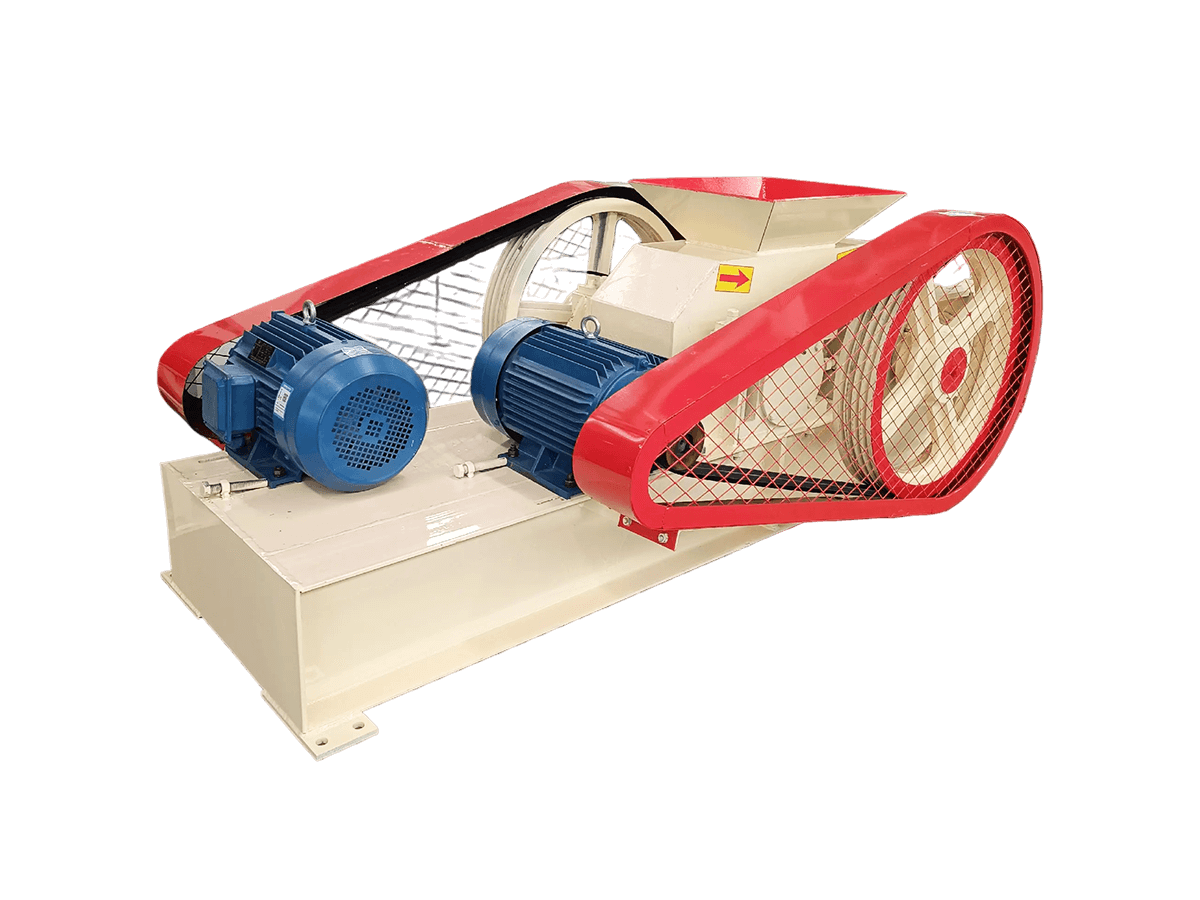
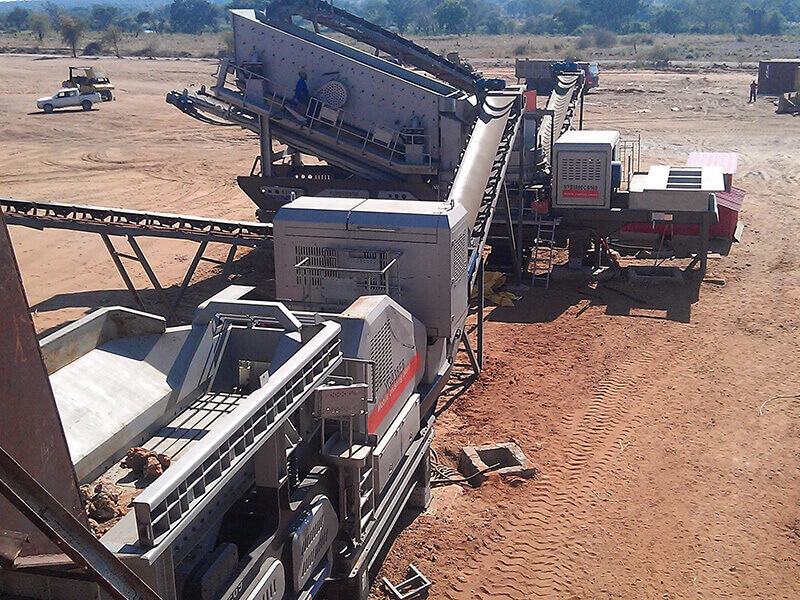
Crushing Equipment: Jaw crushers, cone crushers, and gyratory crushers crush ores to below 12-3 mm for further processing.
Grinding Equipment: Ball mills, autogenous mills, and tower mills achieve the individual liberation of mineral particles; fine grinding typically requires a particle size of less than 74 micrometers.
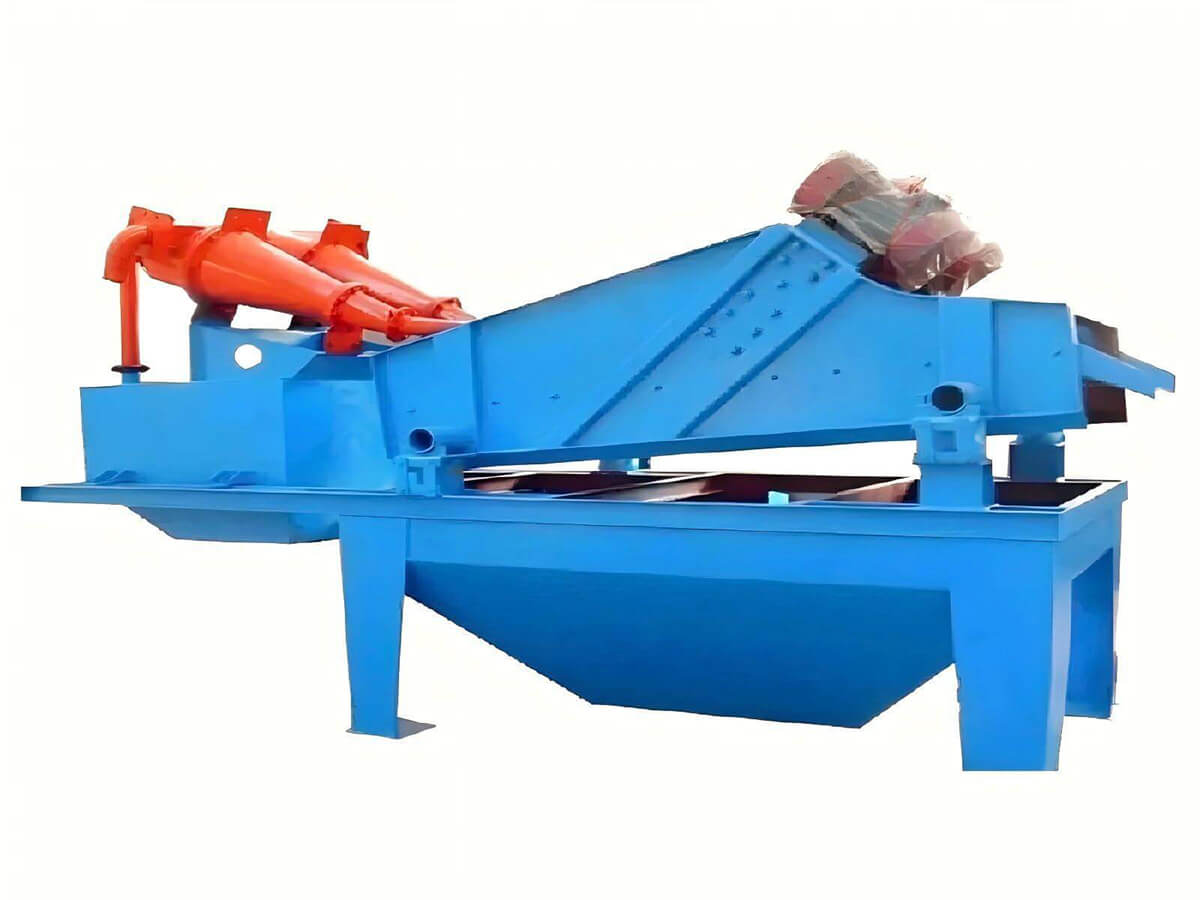
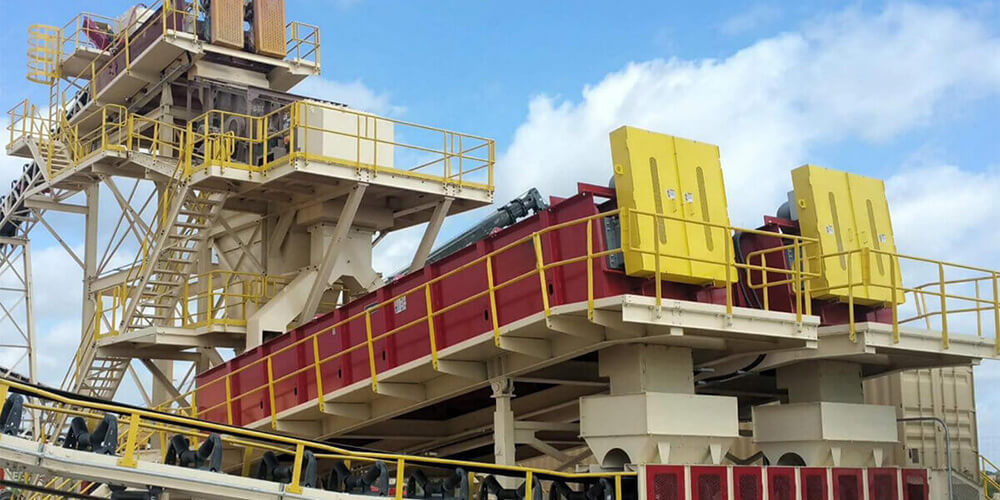
Screening Equipment: Vibrating screens and spiral classifiers perform size classification to meet separation requirements.
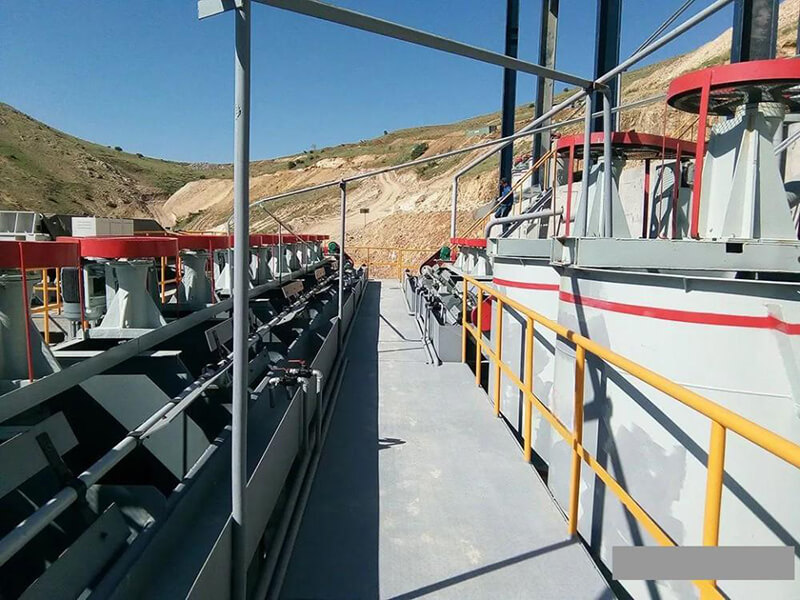
Separation Equipment: Flotation machines, magnetic separators, gravity separation devices (e.g., shaking tables), and electrostatic separators all utilize differences in the physical/chemical properties of materials for separation. Flotation is the dominant method, accounting for over 80% of separation operations.
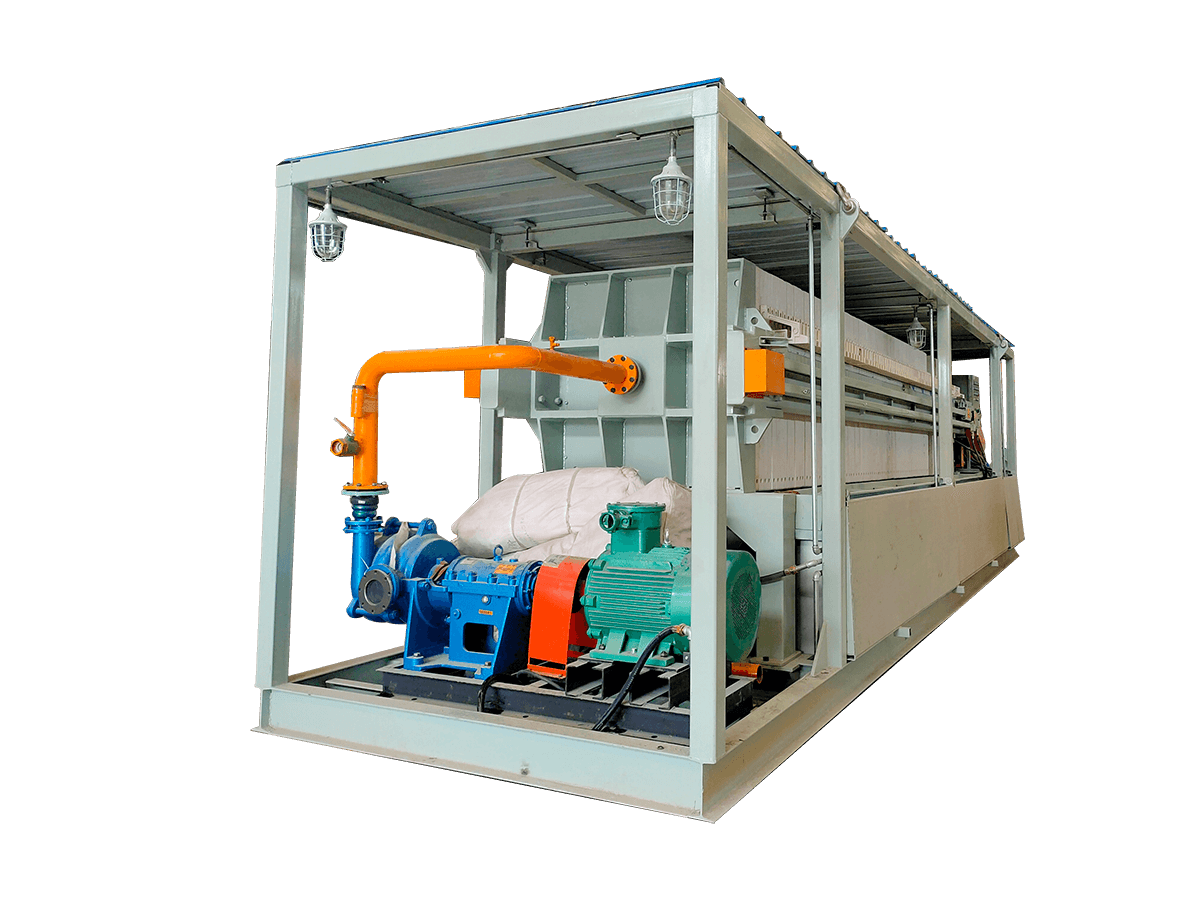
Dewatering equipment: Thickeners and filters reduce the water content in the concentrate, thereby enabling cost-effective transportation and resource recovery.
2. Supply Chain Structure: Upstream Raw Materials, Downstream Demand Drivers
Upstream Segment: Relies on motors, spindles, wear-resistant materials, and steel. Motor performance affects the intelligence level of the equipment, while spindle and wear-resistant materials determine the equipment's lifespan. Steel quality affects the equipment's load-bearing capacity and corrosion resistance.
Midstream Segment: Dominated by mill and flotation machine manufacturers. Domestic companies such as CITIC Heavy Industries and Xinhua Heavy Industries hold a dominant position in ball mills and tower mills, and the localization rate of flotation machines is also very high.
Downstream: Serves the non-ferrous metals, ferrous metals, and non-metallic mining sectors. The increasing demand for minerals from new energy sources (e.g., lithium, cobalt, nickel) and infrastructure construction drives increased equipment demand.
3. Technology Trends: Large-Scale, Intelligent, and Green Innovation
Large-Scale Equipment: With mine consolidation, the capacity of a single unit has expanded to 5,000 tons/day, thereby reducing unit energy consumption and costs. For example, large flotation machines increase throughput, while intelligent control systems optimize various parameters in real time.
Intelligent Solutions: Artificial intelligence algorithms and industrial internet platforms enable process optimization, remote operation, and data-driven analysis. Intelligent separation equipment utilizes image recognition technology to process up to 10,000 particles per second with an accuracy rate of 99%.
Green Technologies: Energy-saving and low-carbon design drives R&D. Ultrafine layered autogenous mills reduce energy consumption by 20-30%, airlift microbubble flotation machines reduce energy consumption by 80%, and magnetic liners extend the lifespan of ball mills.