300 Tons/Day Antimony Sulfide Flotation Process Project
Date: 2026-02-27 Categories: Client Cases Views: 222
A flotation project with a daily processing capacity of 300 tons of antimony sulfide should be based on flotation, taking into account ore characteristics, particle size distribution, symbiotic relationships, and environmental requirements to construct an efficient, stable, and low-consumption beneficiation process. Based on actual cases and industry practice, projects of this scale typically adopt a "three-stage crushing—ball milling and classification—preferential flotation—concentrate dewatering" process route, achieving an antimony recovery rate of over 85% and a concentrate grade of over 50%.
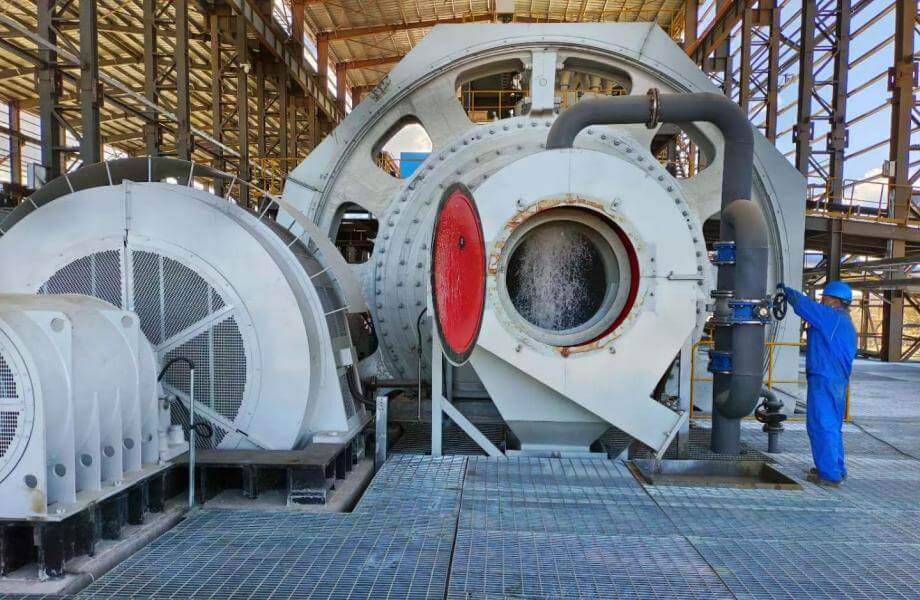
Typical Process Flow Design
1. Crushing and screening: Three-stage closed-circuit system
- Objective: To reduce the particle size of the raw ore from ≤300mm to -12mm to ensure monomer liberation.
- Equipment configuration:
- Coarse crushing: PE400×600 jaw crusher
- Medium crushing: PYB900 cone crusher
- Fine crushing: PYD900 short-head cone crusher
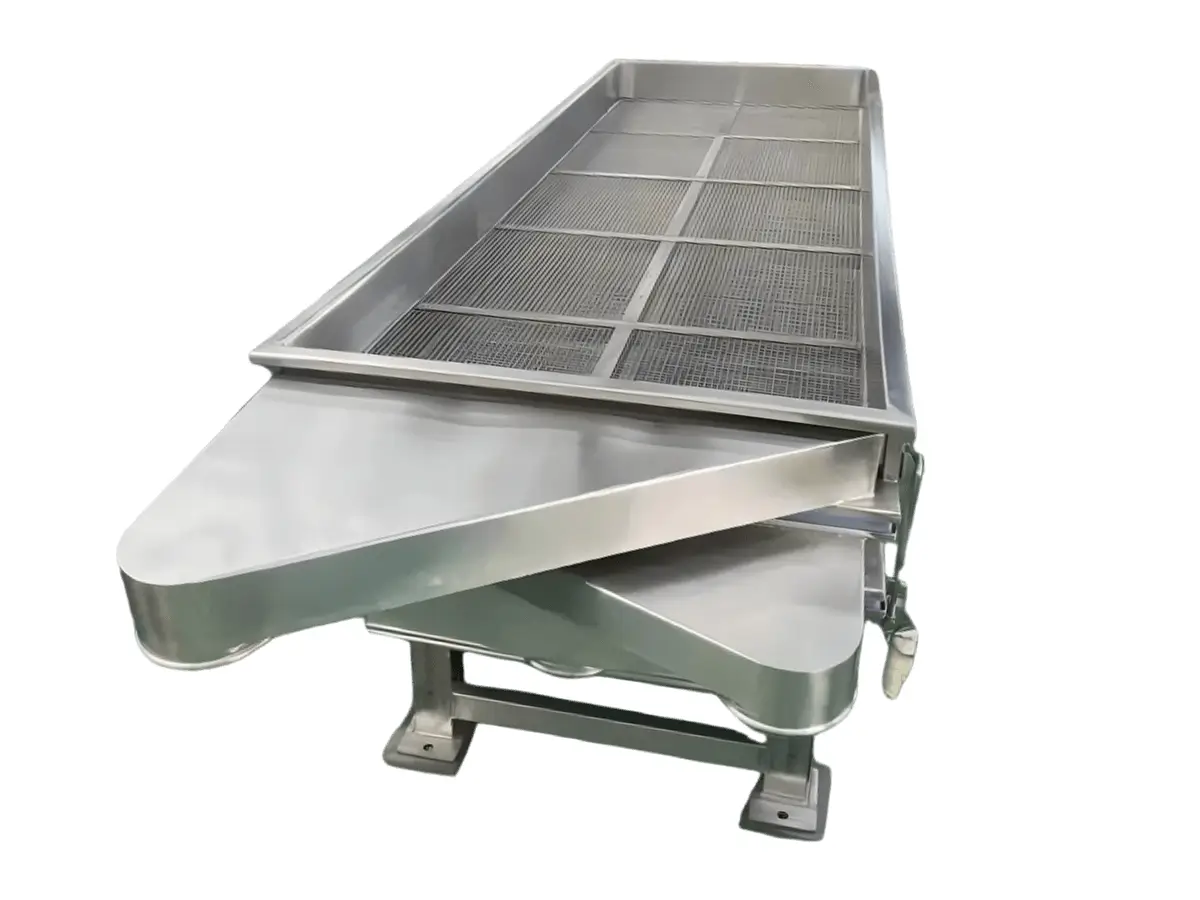
- Screening: 2YA1536 vibrating screen (12mm screen aperture)
- Features: Closed-loop circulation controls the output particle size, avoiding over-grinding and improving grinding efficiency.
2. Grinding and Classification: One-stage closed-circuit grinding
- Objective: To fully liberate stibnite (Sb₂S₃) and control the particle size to ≥85% of -200 mesh (74μm).
- Equipment combination:
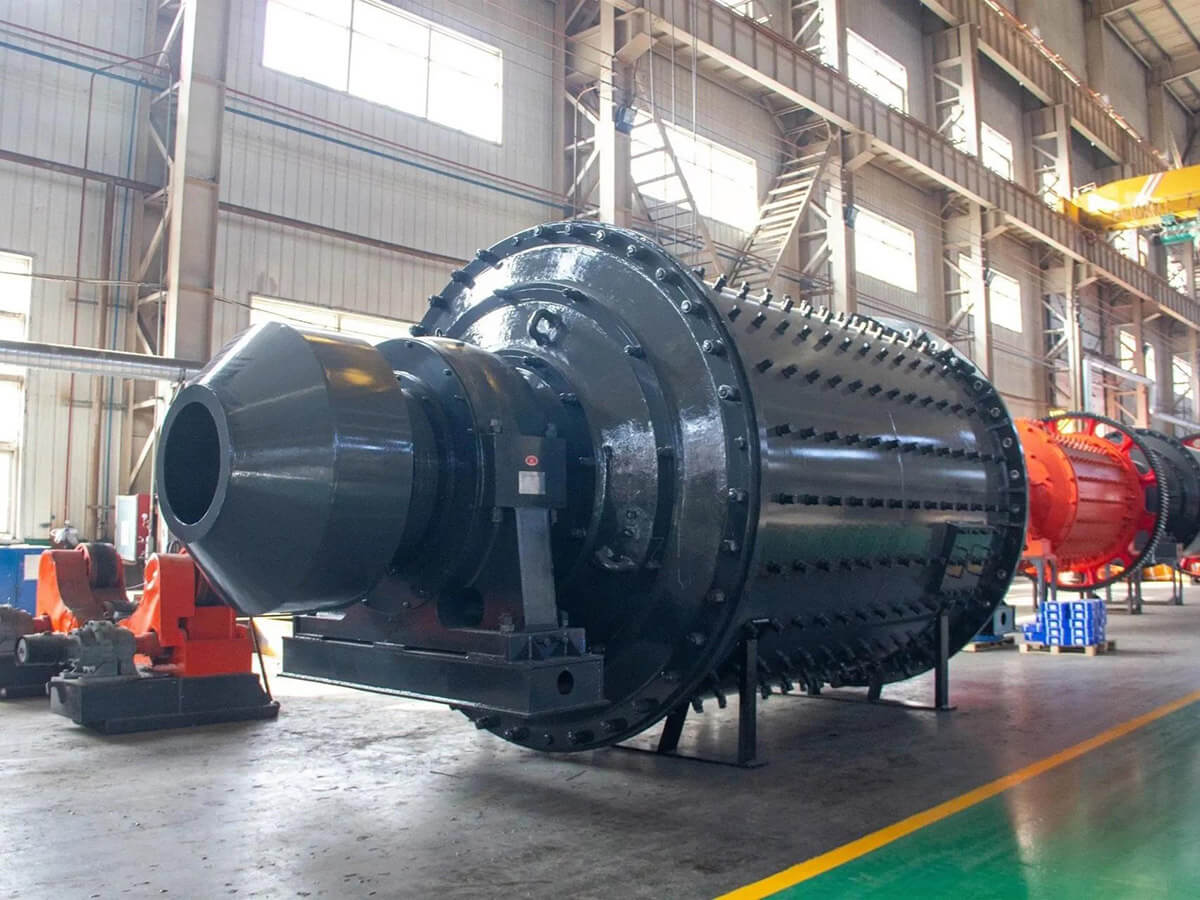
- Ball mill: GZM2100×3500 type, equipped with FLG-1500 spiral classifier
- Optional alternative: Use a rod mill for the first stage of coarse grinding to reduce over-grinding of brittle minerals.
- Key points of operation: Add lime to adjust the pH of the slurry to 7.5–8.5 to inhibit the flotation of sulfides such as pyrite.
3. Flotation operation: preferential flotation of antimony sulfide.
- Process structure: one coarse selection, three sweeping selections, and three fine selections.
- Pharmaceutical system:
- Activator: Lead nitrate (150–200 g/t), to enhance the floatability of stibnite.
- Collector: Butyl xanthate (800–1000 g/t) or ethyl xanthium (500 g/t)
- Foaming agent: pine oil (30–50 g/t)
- Inhibitor: Water glass (200 g/t) inhibits gangue minerals.
- Equipment selection: SF-2.8 flotation machine (effective volume 2.8m³), each unit has a processing capacity of approximately 10–12m³/h, a total of 18 units are required.
- Operation mode: Horizontal configuration, self-contained circuit, no auxiliary suction equipment required.
Special note: For arsenic- and antimony-containing ores (such as arsenopyrite), an "alkaline separation flotation" process can be used after roughing. Under pH conditions of 9–10, stibnite is suppressed and arsenopyrite is preferentially floated to achieve antimony-arsenic separation and ensure that the arsenic content of the concentrate is <1.0%.
4. Concentrate dehydration: Concentration—Filtration—Drying
- Process:
- Concentration: High-efficiency thickeners increase the concentration of flotation concentrate from 15%–20% to 50%–60%.
- Filtration: Dehydrate to <12% moisture content using a vacuum filter or chamber filter press.
- Drying (optional): Rotary drying kiln further reduces the moisture content to below 8%, facilitating transportation and smelting.
- Environmental protection features: The filtrate reuse rate reaches over 95%, achieving water resource recycling.