
Uganda Phosphate Mine Beneficiation Project
Date: 2026-02-28 Categories: Client Cases Views: 188
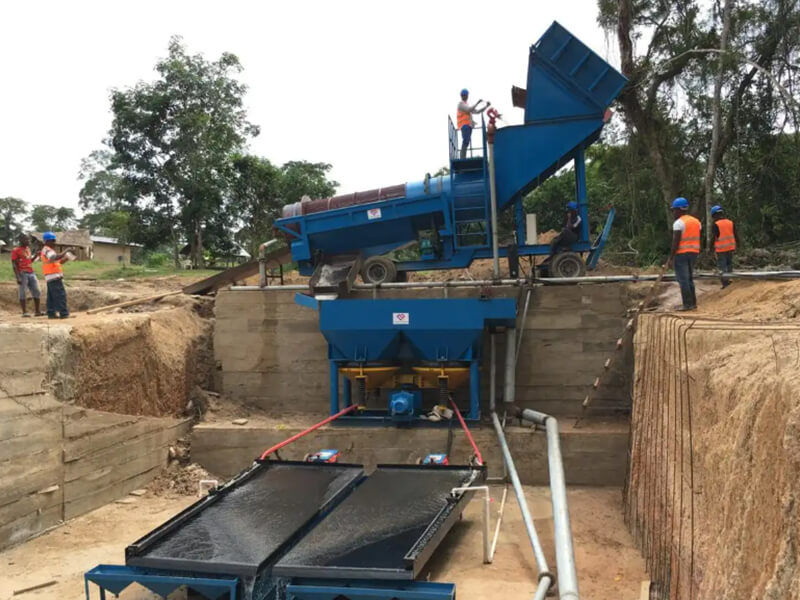
Several investments and technological practices have been implemented in Uganda's phosphate ore beneficiation projects, covering the entire industrial chain from mining and beneficiation to fertilizer production. The technology is mature, primarily employing a "desliming-first-stage closed-circuit grinding-positive flotation-dewatering" process, suitable for phosphate ores with complex mineral compositions and high mud content. It possesses potential for large-scale, environmentally friendly, and sustainable development.
Mainstream Mineral Processing Processes and Technical Solutions
1. Desliming: Raw materials are fed into the raw material silo by a loader, mixed with water, and then pumped to a desliming hydrocyclone to remove fine mud interference. Equipment includes a belt feeder, a mixing tank, and a desliming hydrocyclone.
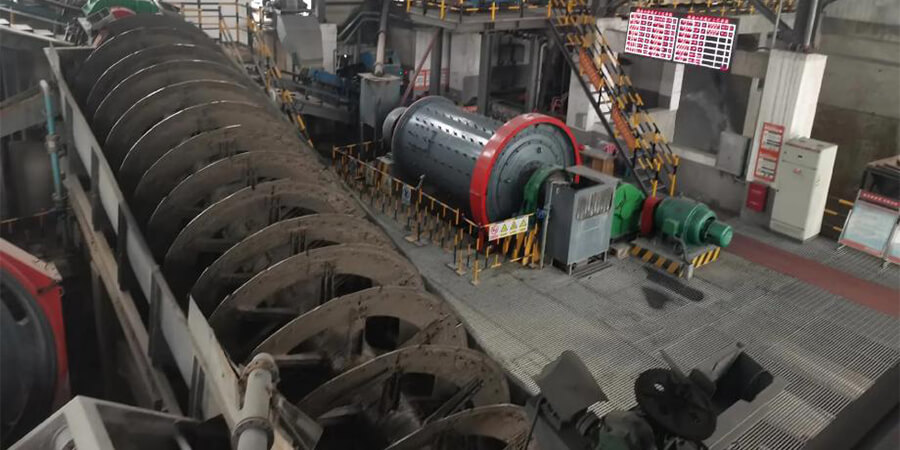
2. Grinding and Classification: A single-stage closed-circuit grinding system controls the particle size to -200 mesh (over 85%) to ensure mineral liberation. Equipment includes an energy-saving ball mill, a hydrocyclone, and a slurry pump.
3. Flotation: A "one rougher, one scavenger, two cleaners" direct flotation process is adopted, prioritizing the flotation of phosphate minerals. Equipment includes a JJF/SF type flotation machine and a high-efficiency mixing tank.
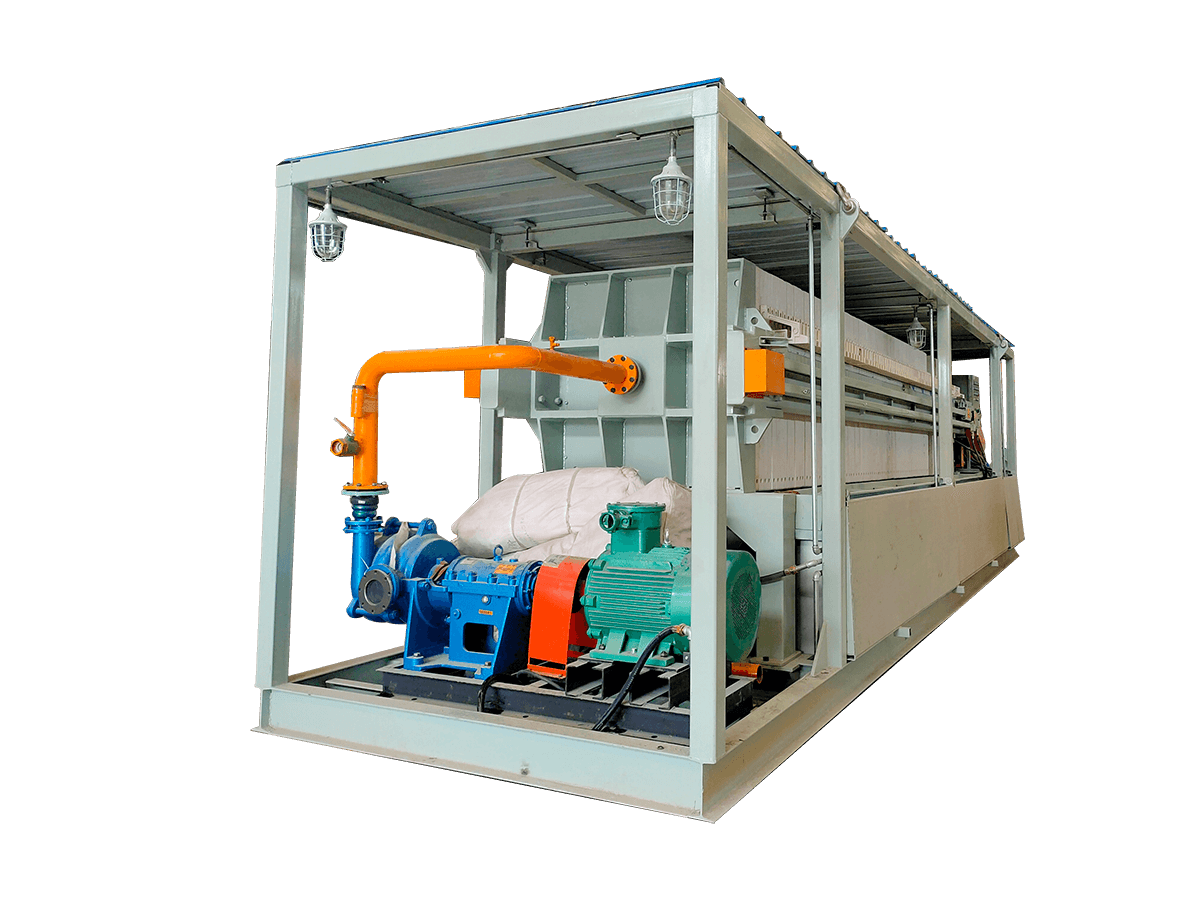
4. Concentrate Dewatering: The flotation concentrate undergoes thickening, filtration, and a filter press. The filter cake moisture content is ≤20%. Equipment includes a thickener, a filter press, and a dewatering screen.
5. Tailings treatment: Tailings are dry-discharged to a tailings dam, and the filtrate is recycled, achieving water conservation and environmental protection. Dry discharge system and dump trucks are used.
Note: This ore is rich in iron, phosphorus, and other metals, with severe mineral encapsulation and widespread isomorphism (lattice substitution of titanium, iron, manganese, etc.). It also contains a large amount of slime, making separation difficult. Therefore, desliming and grinding fineness control are particularly crucial.
Technical Challenges and Countermeasures
-
High mud content affects flotation efficiency
- Solution: Enhance the pre-desliming process by using a combination of high-concentration stirring and hydrocyclones to effectively remove -10μm fine mud.
-
The minerals are complexly embedded and difficult to dissociate.
- Solution: Optimize grinding time and media ratio, and determine the optimal liberation particle size by combining mineral processing tests.
-
Pharmaceutical administration needs to be customized
- It is recommended to use sodium carbonate to adjust the pH, and combine it with environmentally friendly collectors such as oxidized paraffin soap to improve the selectivity of apatite.
-
Tailings resource utilization
- Drawing inspiration from the planning of China's industrial cooperation parks, we can build "sintered brick plants" to recycle solid waste such as tailings, steel slag, and glass sand.