
Mongolia 1000 Tons/Day Gold Ore Beneficiation Project
Date: 2026-02-28 Categories: Client Cases Views: 170
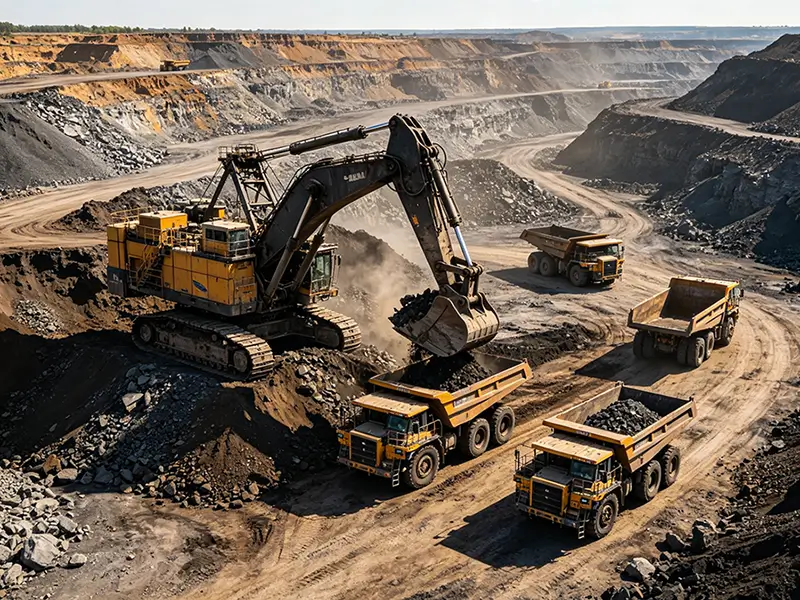
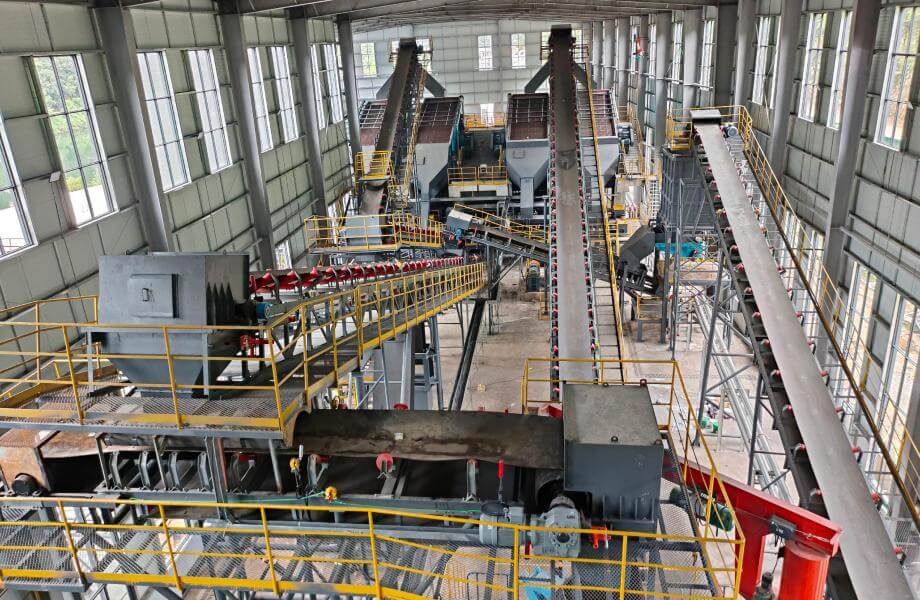
The Mongolia 1000-ton/day gold mine beneficiation project is a comprehensive mining engineering project integrating design, equipment manufacturing, commissioning, and operation, aiming to achieve efficient recovery and green production of gold resources. The project provides a full-chain service encompassing EPCM+O (design, procurement, construction, management, and operation), covering the entire process from raw ore processing to gold ingot production, balancing economic benefits with ecological sustainability.
Process Flow And Key Technology Links
1. Crushing and Screening Stage
A three-stage closed-circuit crushing and screening process is adopted to ensure precise particle size control:
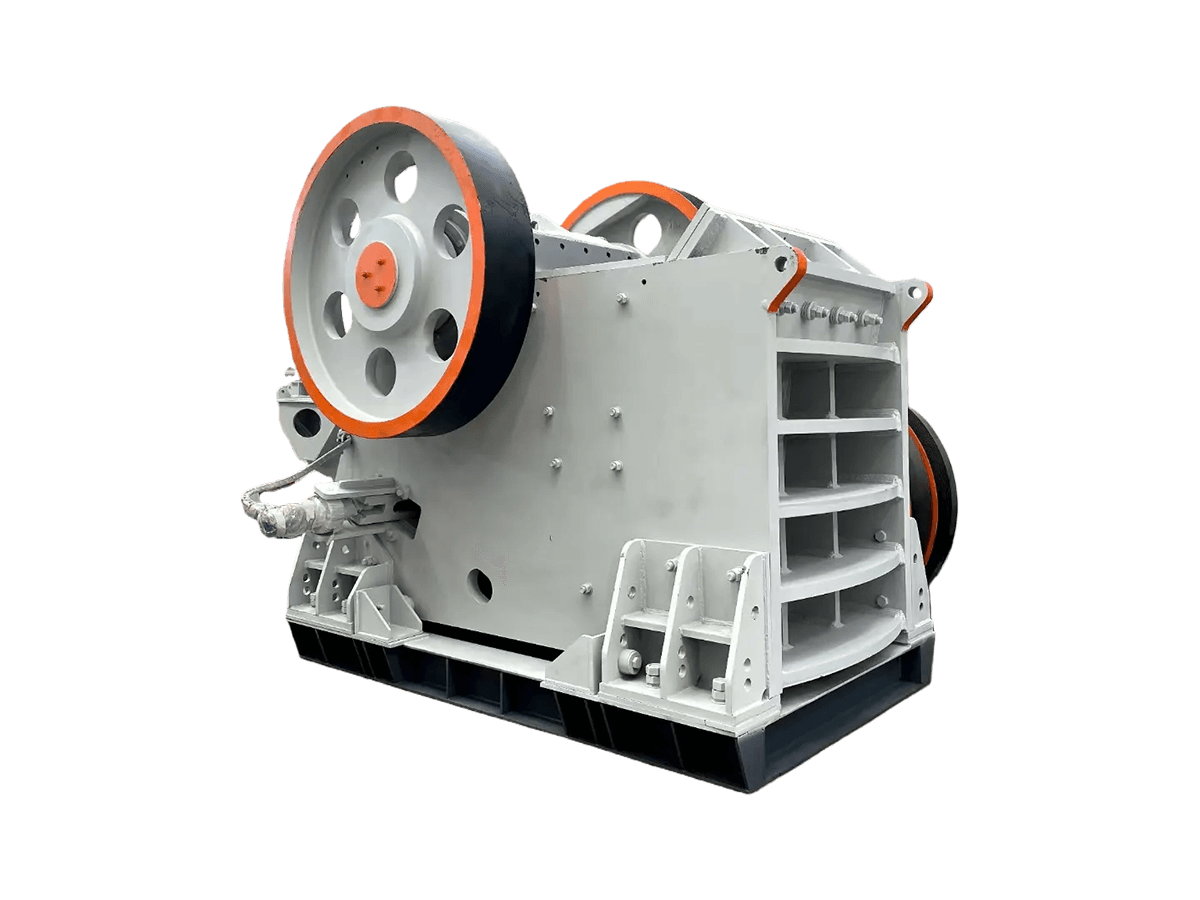
- Coarse crushing: Jaw crusher processes the raw ore.
- Medium crushing: Oversized material (+30mm) is returned to the jaw crusher for further crushing.
- Fine crushing: 15–30mm and 8–15mm materials are finely crushed by a cone crusher after passing through a buffer bin.
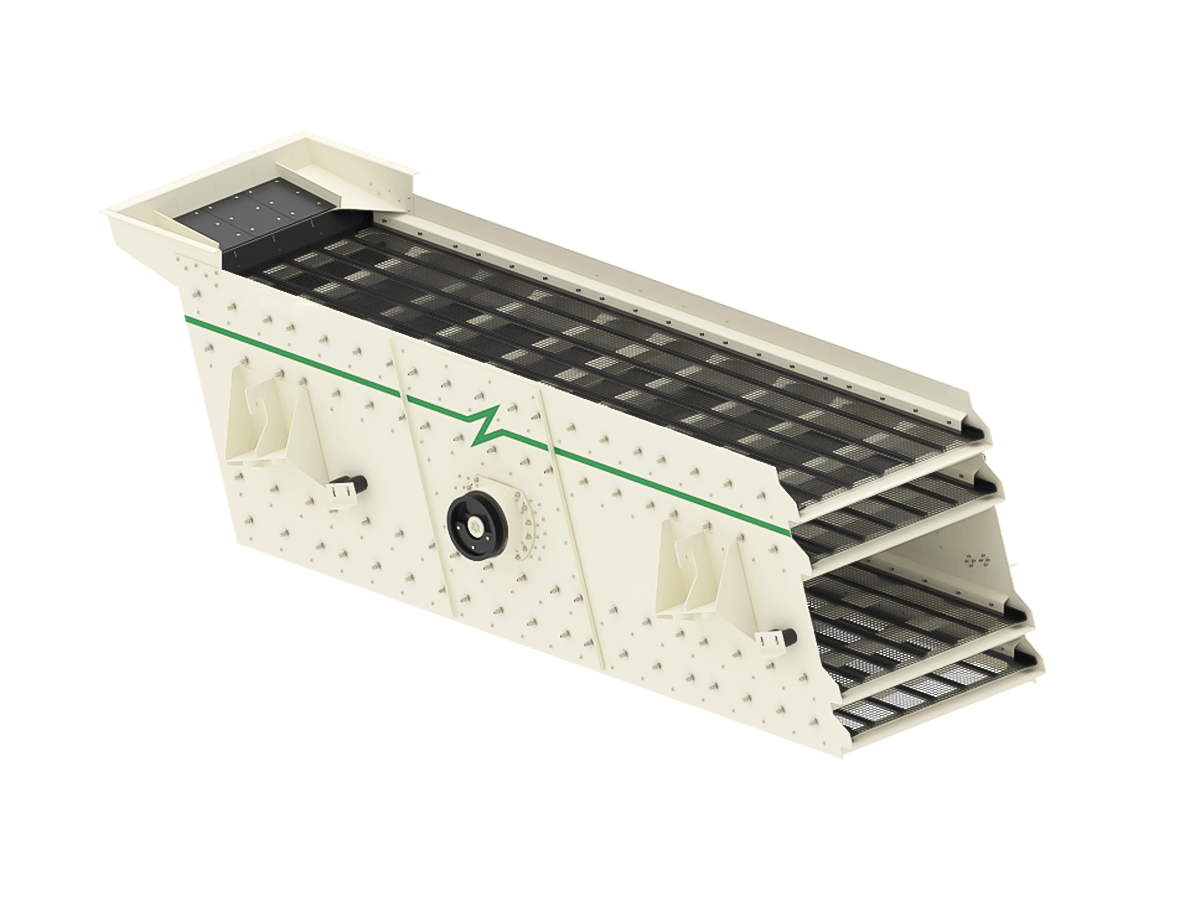
- Screening control: The final qualified product particle size is -8mm, and it proceeds to the next stage.
This process achieves efficient particle size control through closed-circuit circulation, reduces over-crushing, and improves the efficiency of subsequent grinding.
2. Grinding and Classification Stage
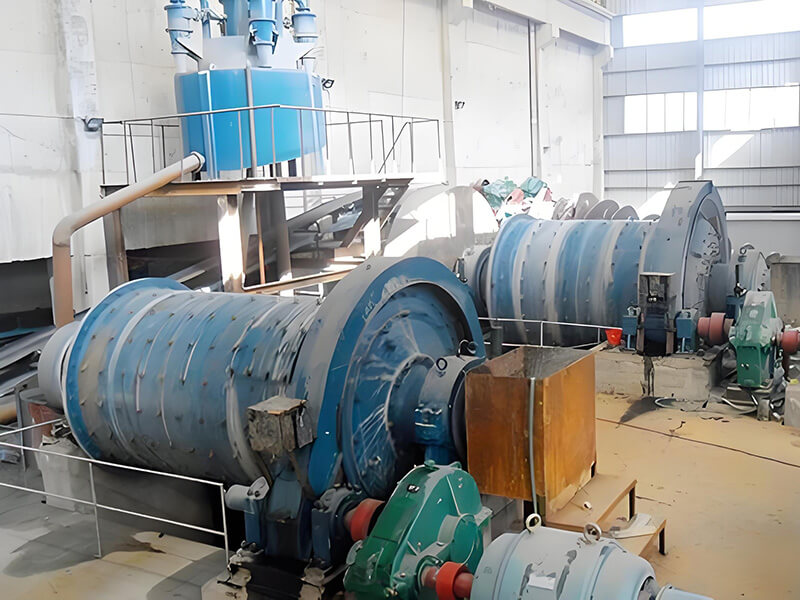
A two-stage closed-circuit grinding system is adopted:
- The first stage uses a wet, energy-saving overflow ball mill, combined with a hydrocyclone for classification.
- The underflow is returned for regrinding, and the overflow enters the pre-leaching treatment.
- The grinding fineness reaches -0.074mm, accounting for 95%, meeting the particle size requirements of cyanide leaching.
3. Leaching and Adsorption Stages
The process employs a full-sludge cyanidation-countercurrent carbon adsorption (CIL) process:
- After pre-leaching, a nine-stage continuous cyanidation leaching is performed.
- This is combined with a high-efficiency thickener and a double-impeller hollow shaft feeding and stirring leaching tank.
- Leaching rate >94%, adsorption rate >98%, ensuring maximum recovery of precious metals.
4. Smelting System
Gold-loaded carbon is purified through a desorption-electrolysis-smelting process:
- Desorption-electrolysis at approximately 150°C and 0.5 MPa for 12–15 hours produces gold mud.
- After impurity removal and smelting, the gold mud yields finished gold ingots with a gold grade of>95%.
- The overall operating efficiency reaches 99%, and the system is highly integrated.
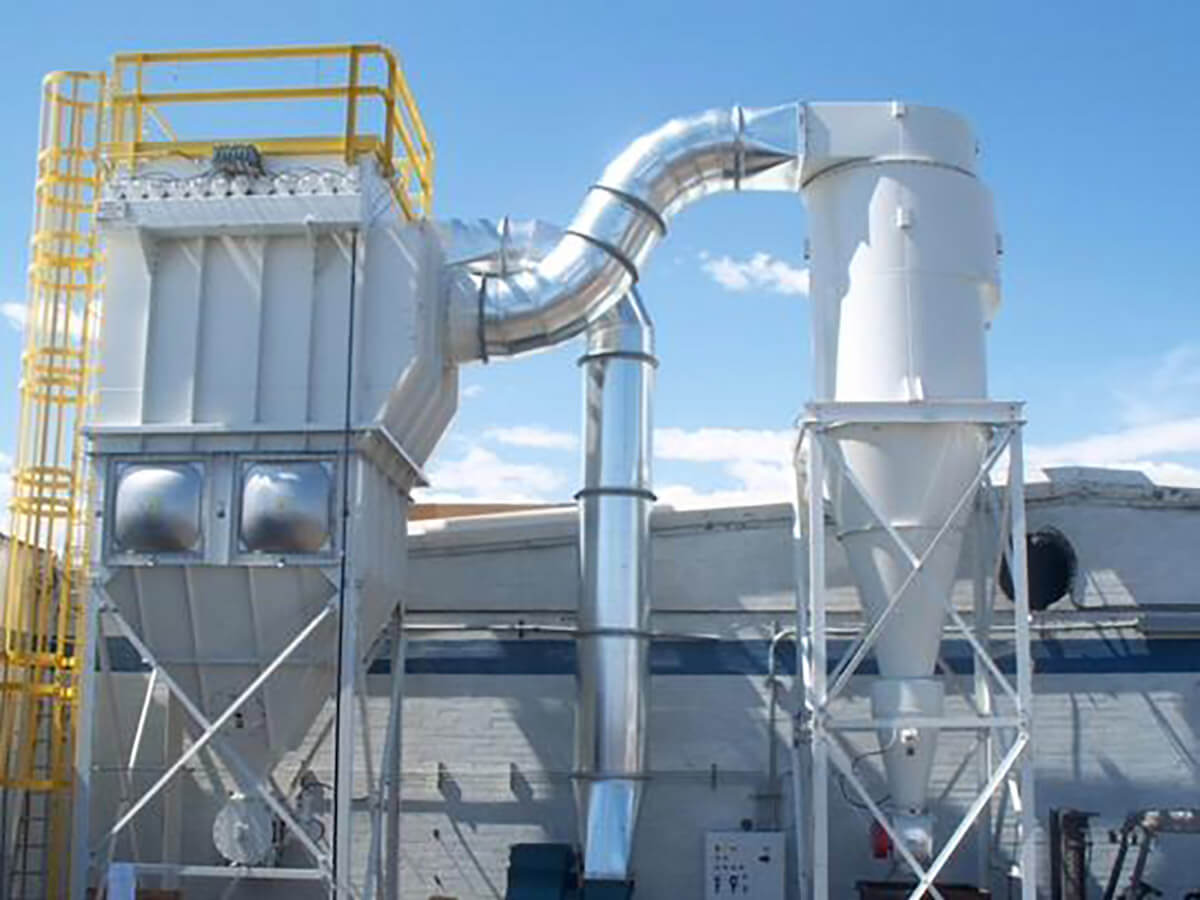
5. Tailings and Environmental Protection Systems
Practicing the concept of green mining:
- Tailings are recycled using a dry stacking + filtrate recovery system.
- This achieves closed-loop water resource management and reduces environmental impact.
- It conforms to the principles of resource conservation and ecological protection.