
Shandong 500 Tons/Day Molybdenum-Tungsten Ore Beneficiation Project
Date: 2026-02-28 Categories: Client Cases Views: 166
The Shandong 500-ton/day molybdenum-tungsten ore beneficiation project adopts a combined process of "crushing-grinding-preferential flotation-tailings tungsten beneficiation-dewatering". This technical route has been successfully applied in similar projects and has the advantages of a high recovery rate, low energy consumption, and environmental compliance. It is suitable for processing complex symbiotic ores containing molybdenite and scheelite.
I. Recommended Process Flow and Technical Parameters
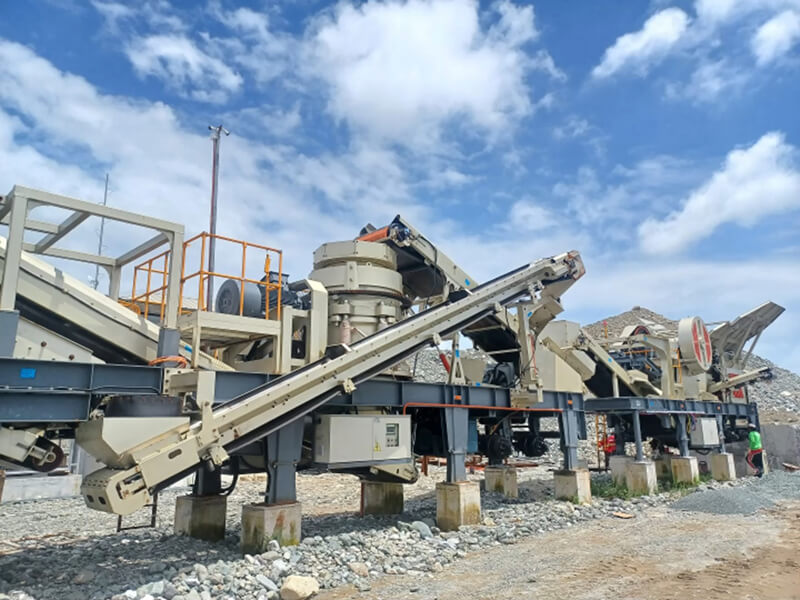
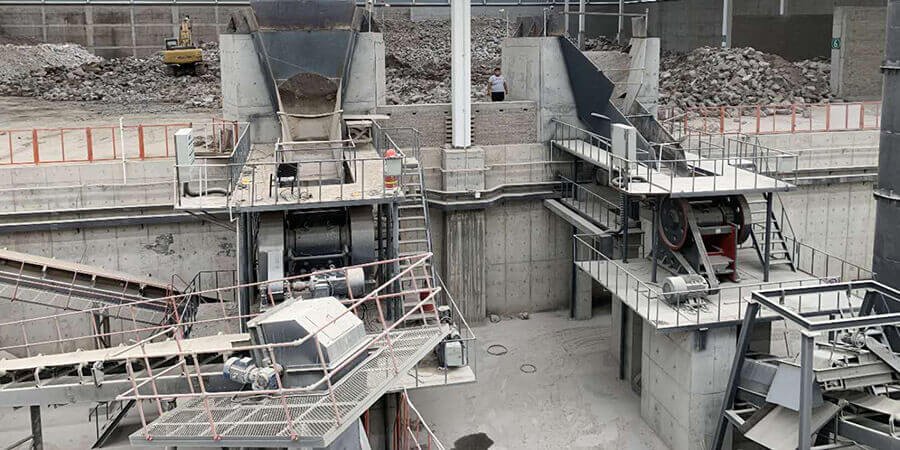
1. Crushing and Screening: Jaw crusher + cone crusher + vibrating screen, three-stage closed-circuit crushing, product particle size ≤15mm, improving grinding efficiency.
2. Grinding and Classification: Autogenous mill/ball mill + hydrocyclone, two-stage closed-circuit grinding, controlling fineness to -200 mesh 65%~70%, ensuring mineral liberation.
3. Flotation: A mechanically agitated flotation machine, adopting a "preferential molybdenum flotation—tailings tungsten selection" process to avoid excessive suppression of tungsten minerals.
4. Molybdenum Flotation: One roughing, one scavenging, and multiple cleaning process, using kerosene + diesel as collectors, pine oil as frother, and lime to adjust pH to 8~9.
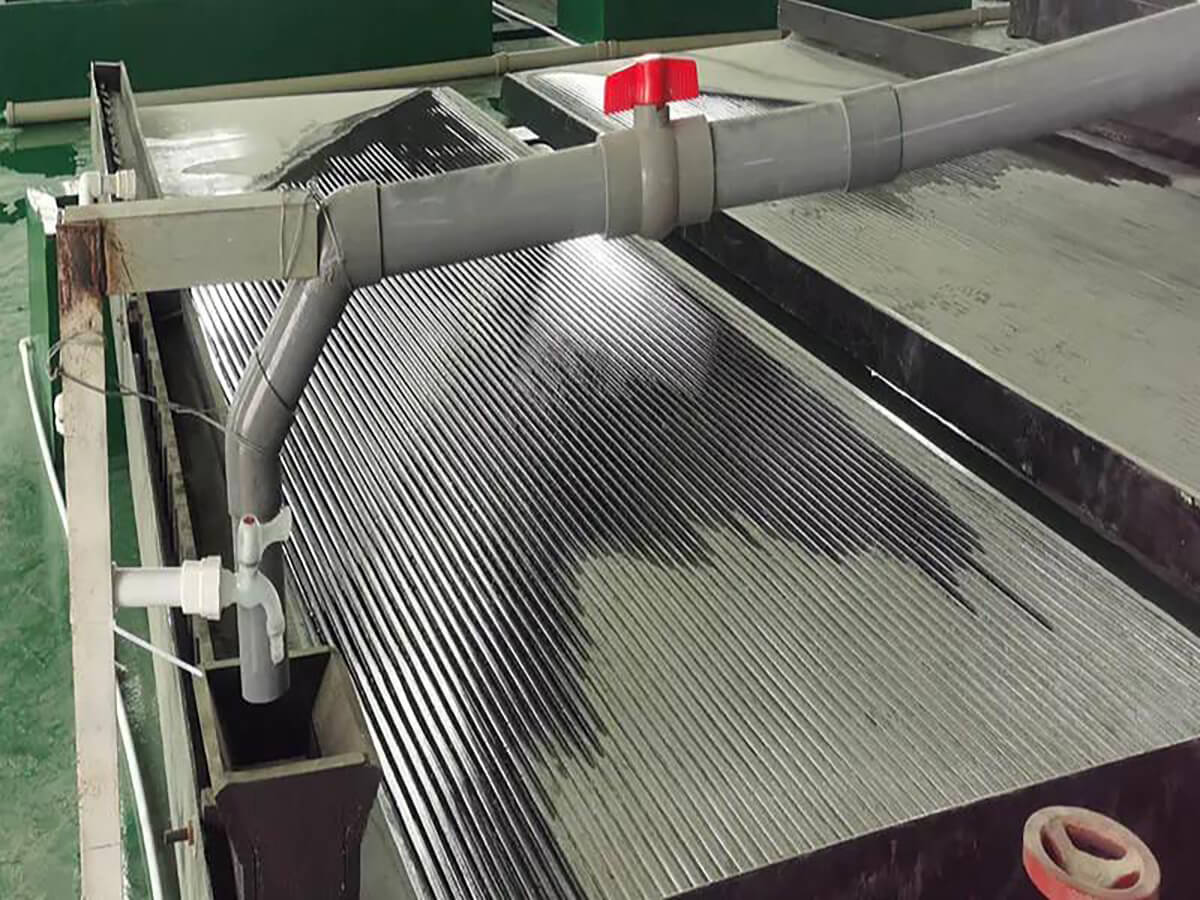
5. Tungsten Flotation: Two roughing, four scavenging, and five cleaning processes, flotation tailings are further concentrated and de-refined before high-temperature de-refining and cleaning to improve tungsten concentrate grade.
6. Concentrate Dewatering: Deep cone thickener + filter press + Dryer: Molybdenum concentrate moisture content ≤4%; tungsten concentrate filter cake stockpiling or further drying.
7. Tailings Treatment: Tailings dry discharge system to achieve solid-liquid separation, with a water recovery rate ≥85%, meeting green mine requirements.
Note: If the ore contains high levels of sulfides such as pyrite, water glass, or environmentally friendly inhibitors, they need to be added during the molybdenum beneficiation stage to suppress impurities from floating and improve concentrate purity.
II. Key Technology Control Points
-
Precise control of grinding fineness
- Grinding too coarsely will result in insufficient liberation of molybdenite, leading to a decrease in recovery rate; grinding too finely will easily cause over-grinding, affecting the stability of flotation foam. It is recommended to control the proportion of -200 mesh between 65% and 70%, balancing liberation degree and energy consumption.
-
Optimization of the flotation reagent system
- Roughing stage: A sufficient collector ensures molybdenum recovery, but excessive collectors should be avoided to prevent a decrease in concentrate grade.
- Selection stage: Gradually increase inhibitors such as water glass to disperse the mud and suppress gangue minerals.
- Before tungsten flotation: It is recommended to use a high-temperature de-removal process to remove residual flotation reagents and improve the selectivity of tungsten flotation.
-
Automation and energy-saving design
- A PLC centralized control system is introduced to monitor parameters such as pH value, reagent addition amount, and foam layer thickness in real time.
- It is recommended to use a high-pressure roller mill to replace traditional fine crushing equipment, which can save energy and reduce consumption by more than 15%.