
Congo Copper-Cobalt Ore Beneficiation Project
Date: 2026-02-28 Categories: Client Cases Views: 199
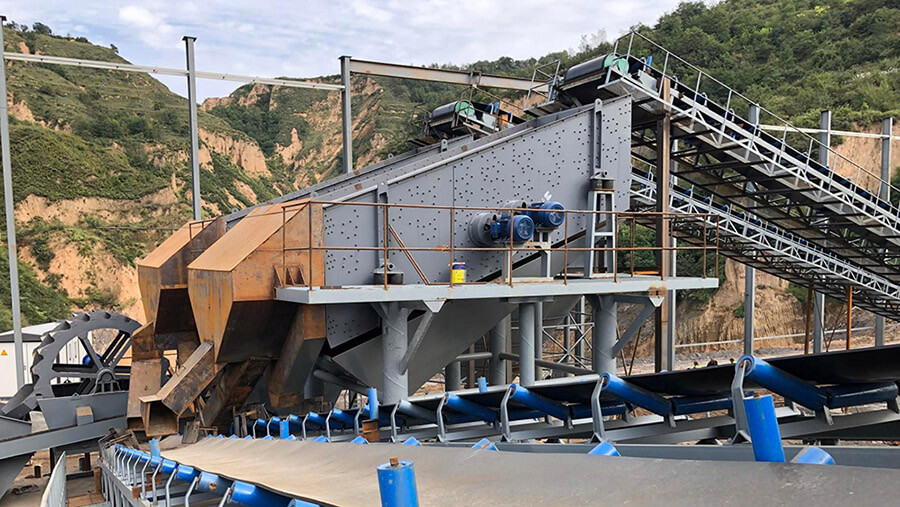
The copper-cobalt ore beneficiation project in the Democratic Republic of Congo (DRC) represents a key area of global new energy mineral development. Leveraging abundant copper and cobalt reserves and technological upgrades led by Chinese enterprises, it has established a modern integrated industrial chain encompassing mining, beneficiation, and smelting, boasting comprehensive advantages such as high recovery rates, low costs, and sustainable development. The project generally employs a combined flotation-magnetic separation or integrated beneficiation-smelting process, particularly suitable for processing complex and difficult-to-beneficiate ores such as oxide ores and sulfur-oxygen mixed ores. The technology is mature and offers significant economic benefits.
Mainstream Mineral Processing Technology Routes
1. Flotation method (applicable to sulfide ores and mixed ores)
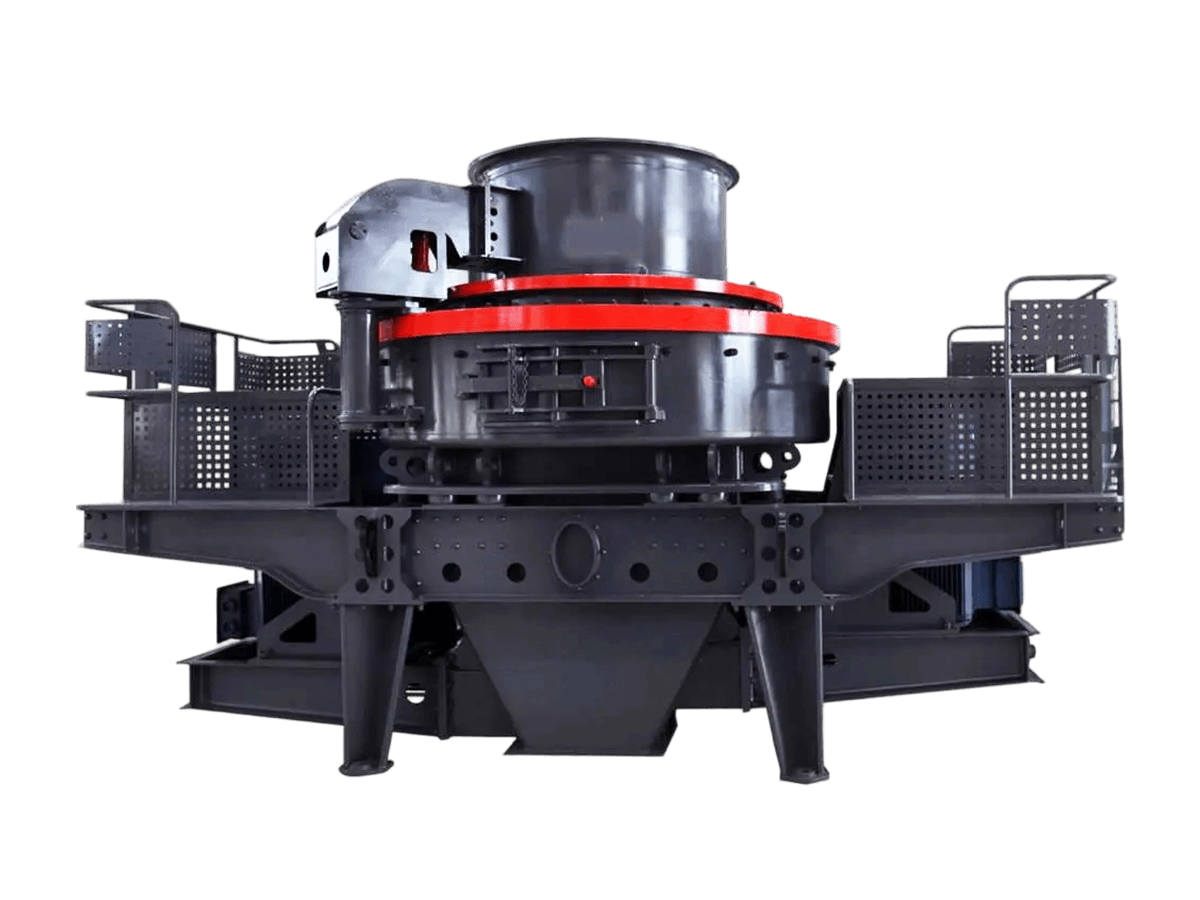
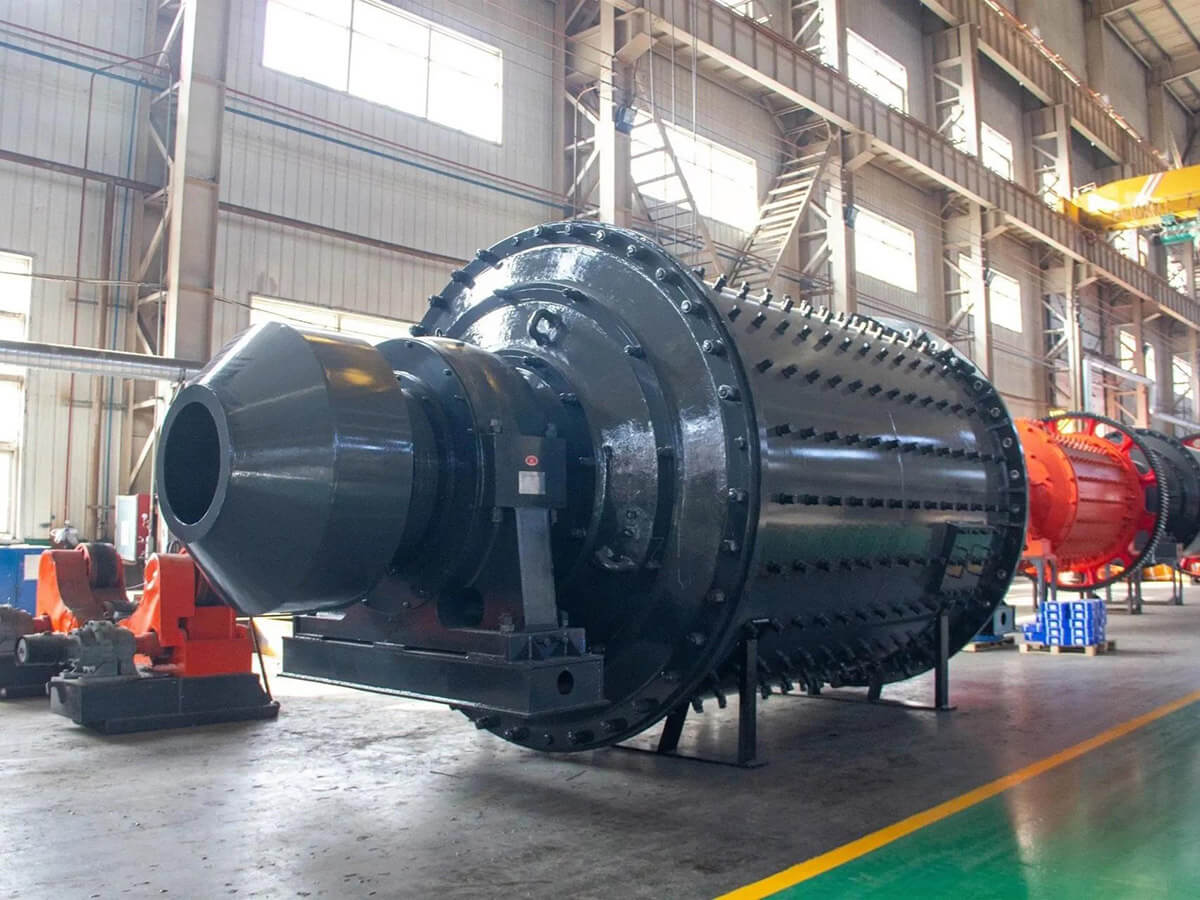
- Process flow: Raw ore crushing and grinding → Slurry adjustment and pH adjustment (9–10) → Mixed flotation roughing/scavenging → Multiple cleaning processes to obtain copper-cobalt mixed concentrate → Copper-cobalt separation flotation → Separate production of copper concentrate and cobalt concentrate
- Applicable scenarios: Low-grade copper-cobalt ores with fine-grained intercalation, especially suitable for sulfide ores commonly found in regions such as Katanga and Lualaba in the Democratic Republic of Congo.
- Technical advantages: High adaptability, with a recovery rate exceeding 80%; by optimizing the reagent formulation (such as using HCC high-efficiency collectors), copper and cobalt recovery rates can be increased by 10.70% and 13.77%, respectively.
2. Combined flotation-magnetic separation method (for difficult-to-recover cobalt minerals)
- Process Design:
- 70–90% of the flotation tailings are regrinded to -0.074 mm.
- Strong magnetic roughing (field strength 0.8–1.2T) → Strong magnetic cleaning → Weak magnetic separation → Obtain the final magnetic concentrate.
- Applicable to: Oxide or tailings containing weakly magnetic cobalt minerals (such as cobalt-containing pyrite), effectively improving the overall cobalt recovery rate.
- Case Study: In the Katanga mining area study, the SLon high-gradient magnetic separator was used to achieve optimal copper recovery at a magnetic field strength of 1.0T, avoiding ineffective energy consumption and grade dilution.
3. Combined beneficiation and smelting process (for processing low-grade oxide ores)
- Core process:
- Raw ore crushing and screening → primary closed-circuit grinding (65% of the fineness is -0.074mm)
- Flotation products, including copper oxide concentrate II, fine mud, and magnetic concentrate, are mixed and fed into the wet flotation system.
- Acid leaching (pH 1.5–2.0) → Extraction → Electrowinning → Cathode copper
- Low copper raffinate → Iron removal and cobalt precipitation → Cobalt hydroxide finished product
- Advantages: Reduced reagent consumption, simplified process, increased cobalt recovery rate by approximately 20%, and significantly better return on investment than traditional processes.