
Indonesian Laterite Nickel Ore Beneficiation Project
Date: 2026-02-28 Categories: Client Cases Views: 203
Indonesian laterite nickel ore beneficiation projects are among the most strategically valuable links in the global new energy industry chain. Benefiting from Indonesia's abundant nickel reserves and policy guidance, the country has become a core player in the global nickel supply chain. For this crucial "beneficiation" stage, systematic planning is necessary, taking into account ore type, technological approach, and environmental requirements.
II. Mainstream Mineral Processing and Pretreatment Processes
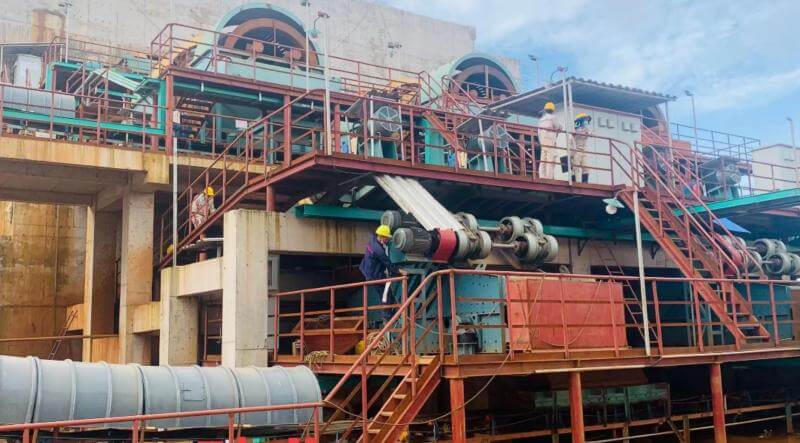
Although laterite nickel ore is difficult to directly purify through beneficiation, a series of physical and chemical pretreatments is still required to meet smelting demands. These mainly include:
1. Physical preparation stage
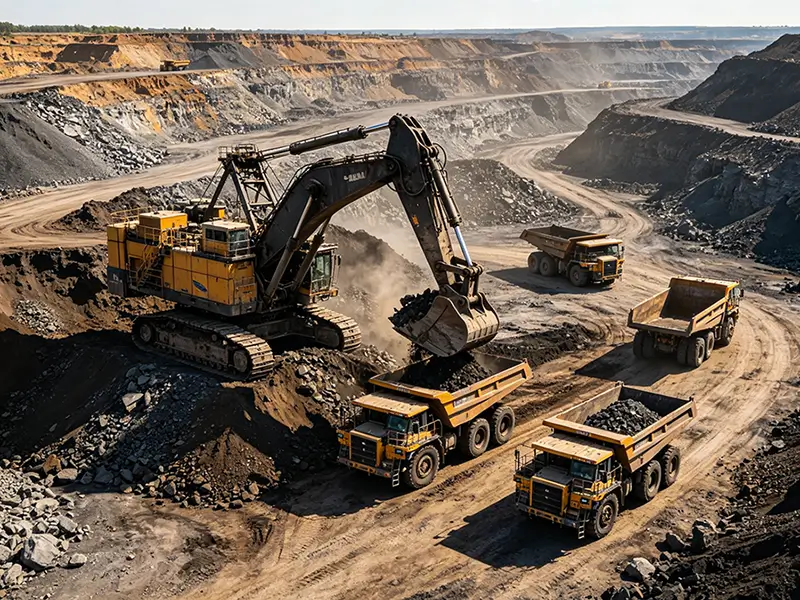
Mining: Open-pit mining is predominantly used. The ore bodies are shallow, requiring no blasting; excavators directly load the ore.
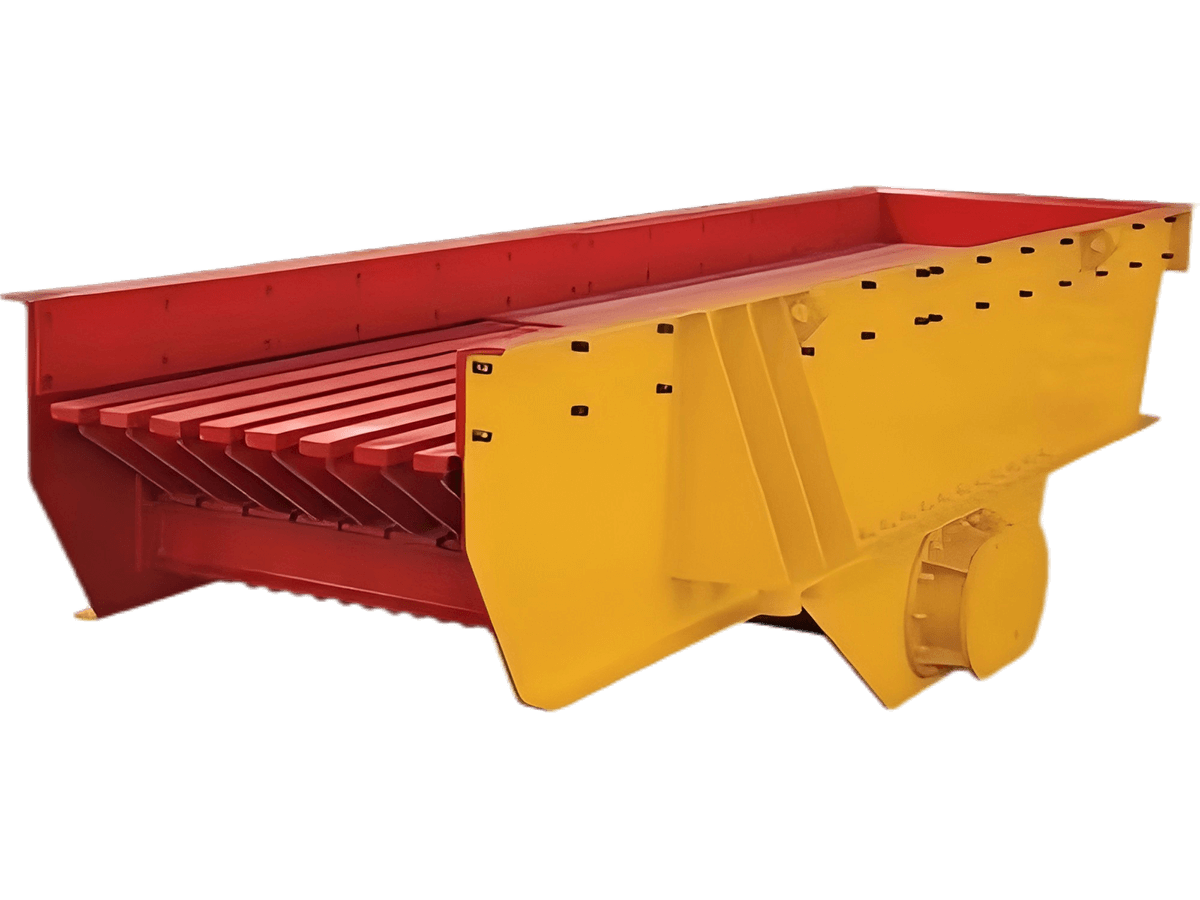
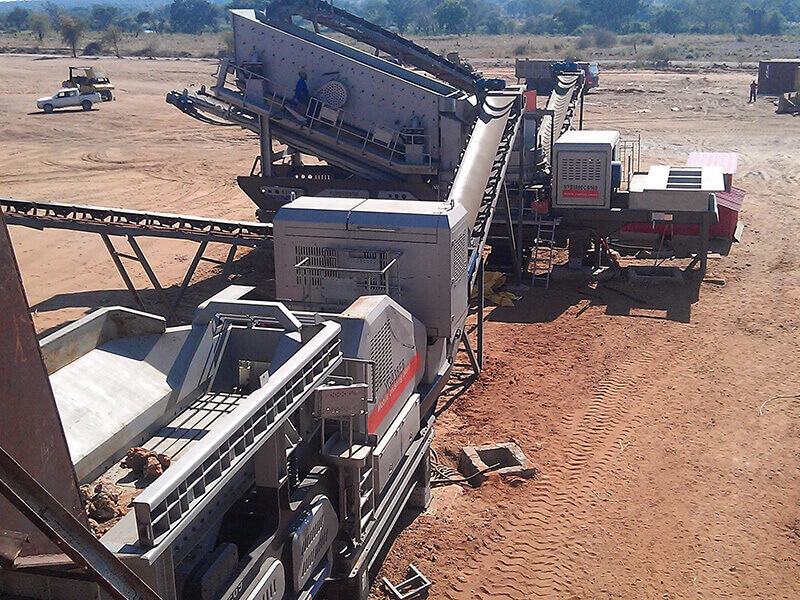
Crushing and Screening: Jaw crushers and impact crushers are used to crush the ore to suitable particle sizes for subsequent processing.
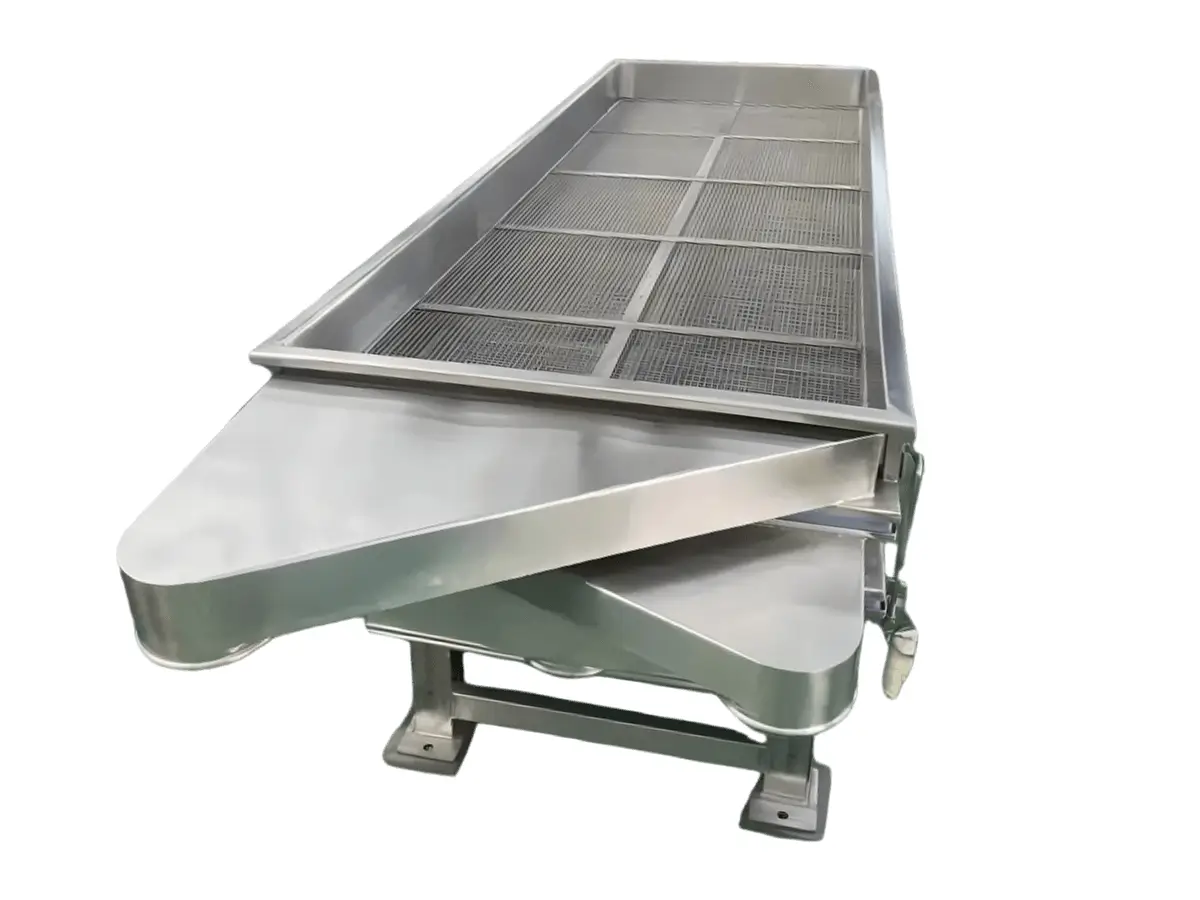
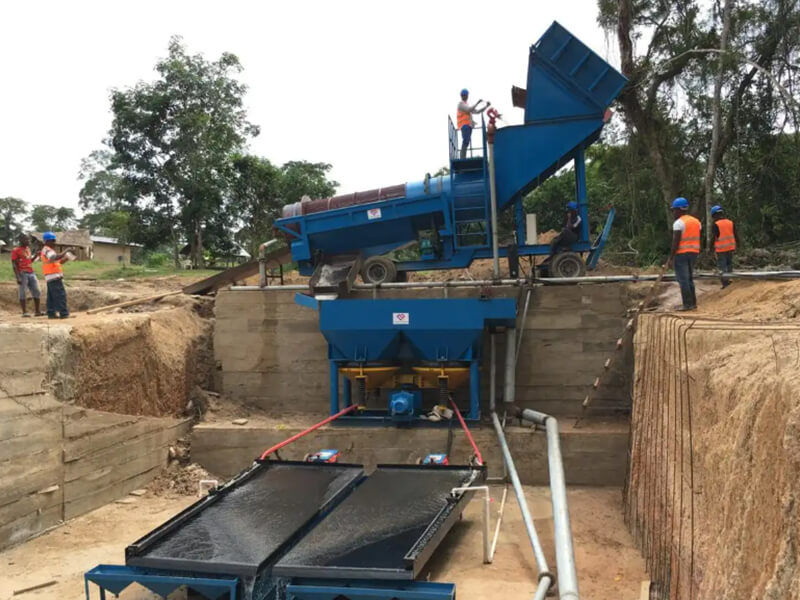
Washing and Impurity Removal: For "wet ore" (moisture content 35%–60%), a combination of roller screen, cylindrical scrubber, and vibrating screen is used to remove clay and impurities.
Chromium Removal: If the ore contains chromite, it must be separated using a hydrocyclone and spiral chute to avoid affecting smelting quality.
2. Smelting-oriented "mineral processing" path
The true effect of "ore beneficiation" is reflected in the smelting process, where different technical routes are selected according to the type of ore:
(1) Pyrometallurgical smelting route (applicable to high magnesium saprolite type ore)
- Typical Process: Rotary Kiln-Electric Furnace (RKEF) or Oxygen-Enriched Side-Blown Furnace (OESBF)
- Flow: Drying → Roasting → Smelting → Production of Nickel Iron (NPI) or Low-Grain Nickel Matte
- Representative Project: Zhongwei Co., Ltd.'s Phase II project in the Morowali Qingshan Industrial Park, employing OESBF technology, with an annual production capacity of 60,000 tons of nickel matte.
- Advantages: Mature technology, suitable for large-scale production.
- Challenges: High energy consumption, high carbon emissions, and requiring supporting desulfurization and environmental protection facilities.
(2) Hydrometallurgical process (applicable to high-speed rail Limonite type ore)
- Typical Process: High-Pressure Acid Leaching (HPAL) or Atmospheric-Pressure Acid Leaching (APAL)
- Flow: Slurry Preparation → Acid Leaching → Solvent Extraction → Electrowinning → Production of MHP (NiCo Hydroxide) or Nickel Sulfate
- Representative Projects: Huayou Cobalt's Huayue and Huafeng projects, achieving annual production capacities of 60,000 tons and 120,000 tons of nickel metal, respectively.
- Advantages: High product purity, directly usable in ternary battery materials.
- Challenges: Large investment, complex process, high acid consumption, and significant pressure in tailings treatment.
3. Emerging Technology Direction: Combined Leaching and Comprehensive Resource Utilization
- Atmospheric pressure + high pressure combined acid leaching: Addressing the uneven magnesium content in the ore body, high-magnesium portions are first leached under atmospheric pressure, followed by high-pressure treatment of low-magnesium portions, achieving acid neutralization and efficient resource utilization;
- Tail liquor resource utilization: Iron in the leaching solution can be converted into iron phosphate, which can be further processed into lithium iron phosphate cathode materials, improving overall efficiency.