
Guinea 5000 Tons/Day Gold Ore Beneficiation Project
Date: 2026-02-28 Categories: Client Cases Views: 163
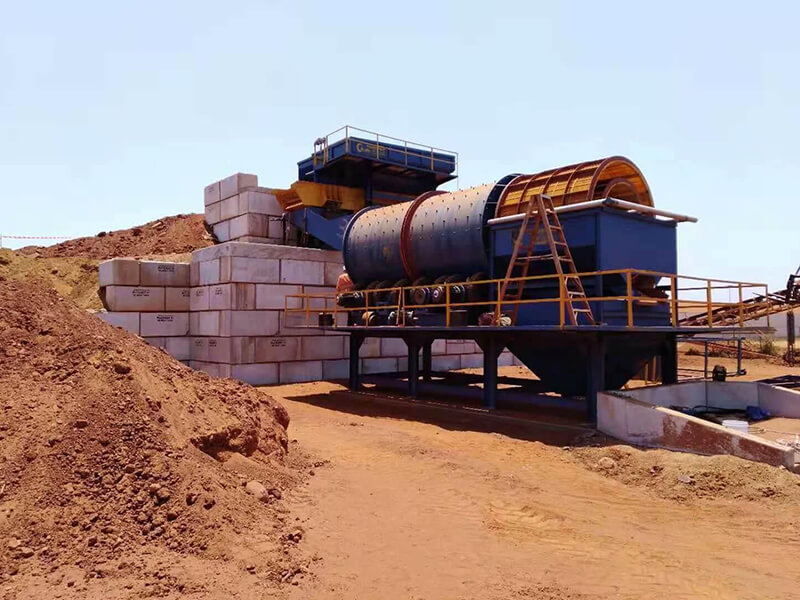
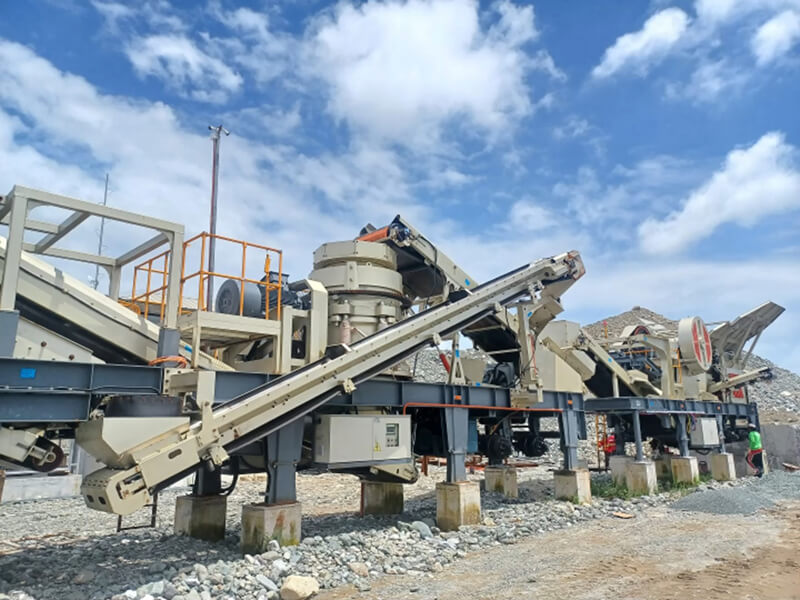
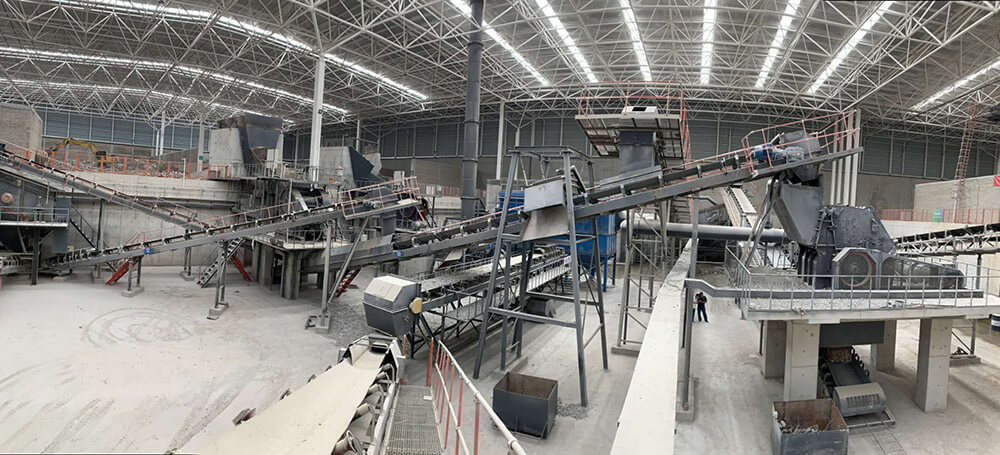
In terms of plant design, the scope of work includes: construction drawing design for the ore dressing plant, and design of the ore dressing plant production workshop, covering multiple disciplines such as ore dressing, water supply and drainage, power supply, civil engineering, and overall layout.
The process flow includes: raw ore slurry preparation—grinding and classification—gravity separation—cyanide leaching—desorption electrolysis.
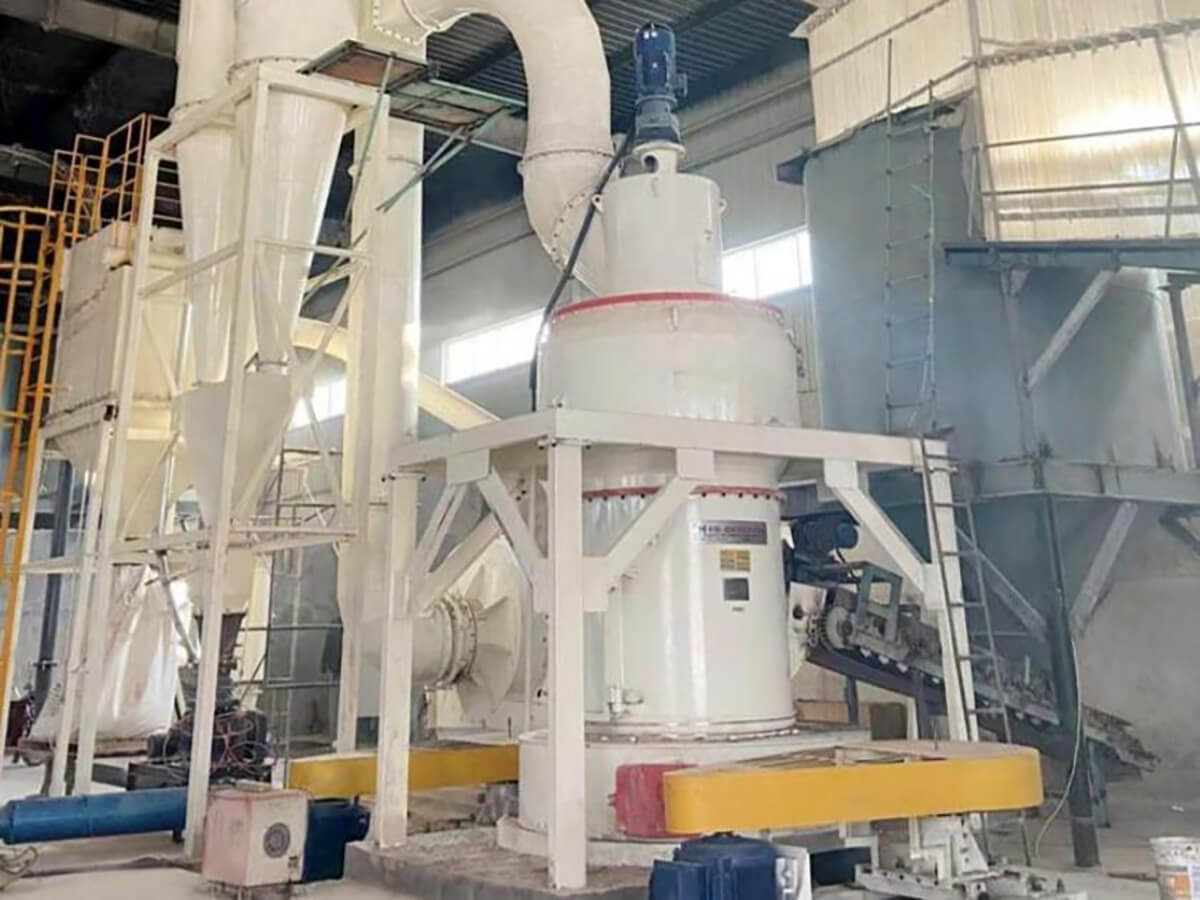
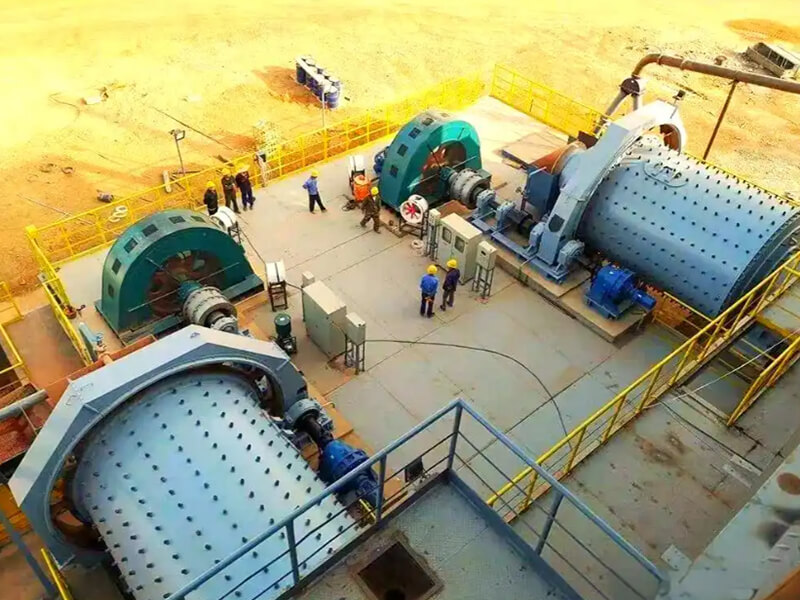
The grinding and classification adopt a two-stage closed grinding process. Slurry pumps and hydrocyclones are used for classification instead of traditional spiral classifiers, thus achieving high grinding and classification efficiency, low energy consumption, and low investment.
Gravity separation uses jigs for concentrate separation.
-
The properties of the ore determine the process route
Guinean gold deposits are mostly oxide-type, with the ore appearing as powdery clay, containing 25%–30% moisture, and a gold grade of approximately 1.0 g/t. They have few impurities and are relatively easy to beneficiate, but are prone to clogging.
The following process flow is recommended:
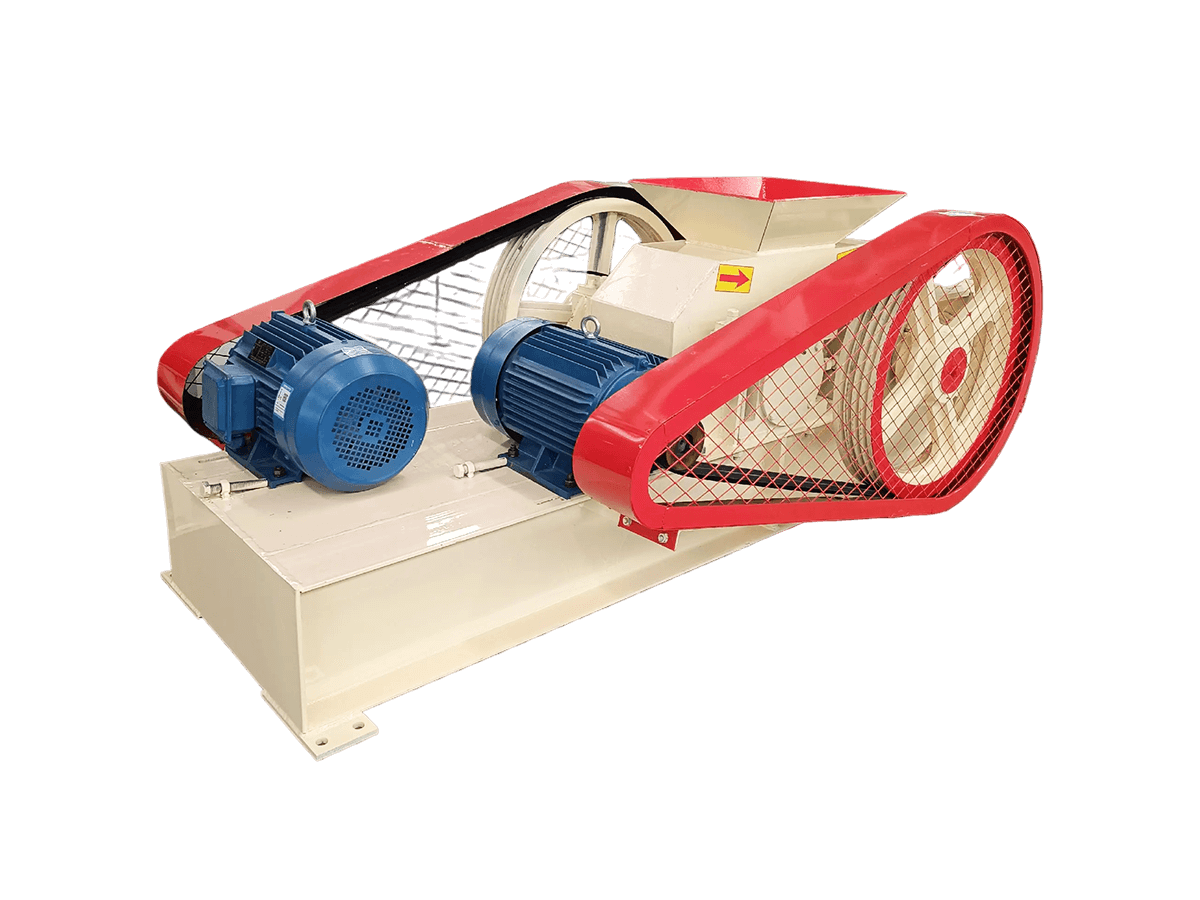
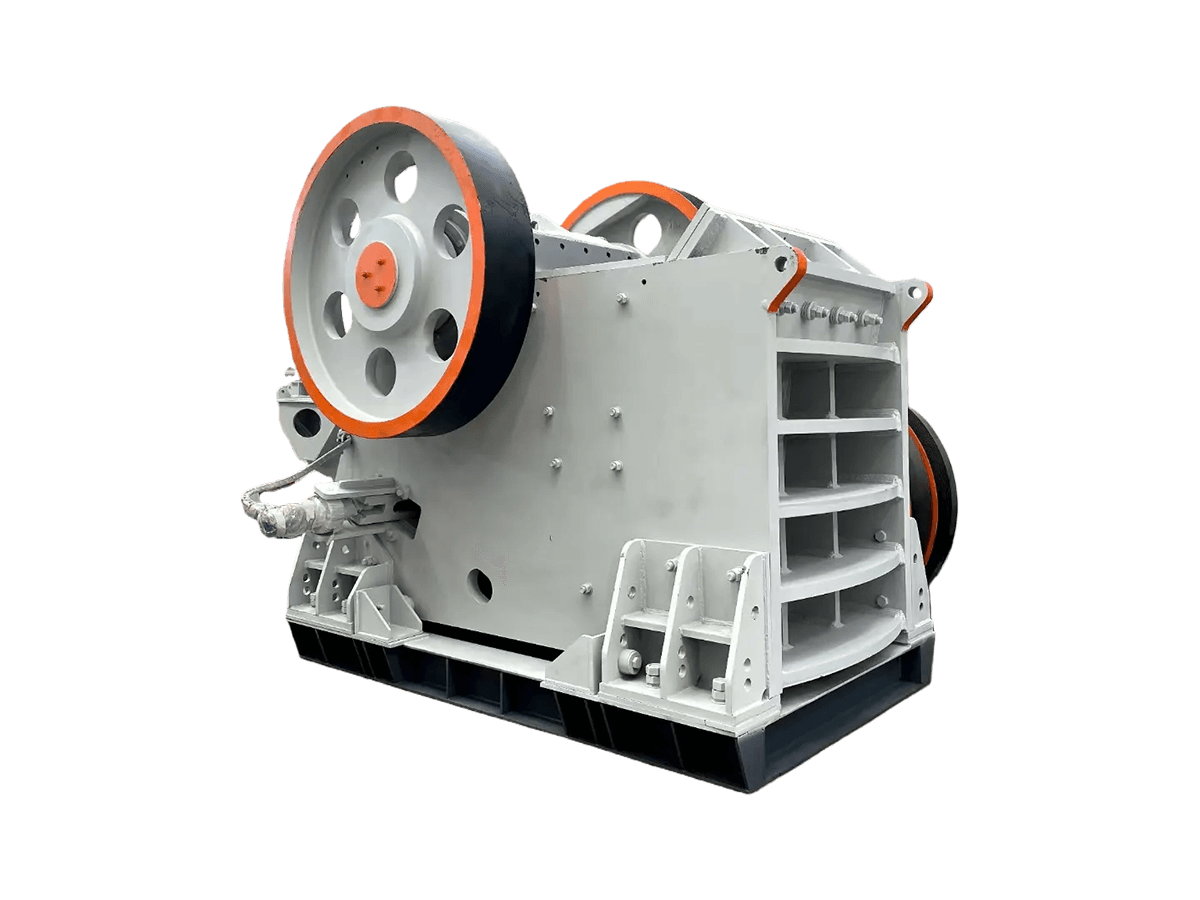
- Crushing and Screening: Two-stage closed-circuit crushing (jaw crusher + cone crusher), controlling the feed particle size;
- Grinding and Classification: One-stage closed-circuit grinding using a ball mill + hydrocyclone, achieving a fineness of -200 mesh or higher (over 80%);
- Benefiting Process: Carbon-in-Pulp (CIP/CIL) process, suitable for low-grade oxidized gold ores, with a recovery rate exceeding 85%;
- Concentrate Dewatering: Filter press dewatering, with filter cake moisture content <10%, facilitating transportation and smelting.
-
Environmental protection and green mining requirements
- It is recommended to use low-toxicity leaching agents instead of sodium cyanide to reduce environmental risks.
- Tailings should be dry-piled or stabilized to prevent heavy metal leaching.
- Water recycling rates should reach over 90% to reduce pressure on local water resources.